
How Do You Choose the Right Floor Box for Different Floor Types?
How Do You Choose the Right Floor Box for Different Floor Types?
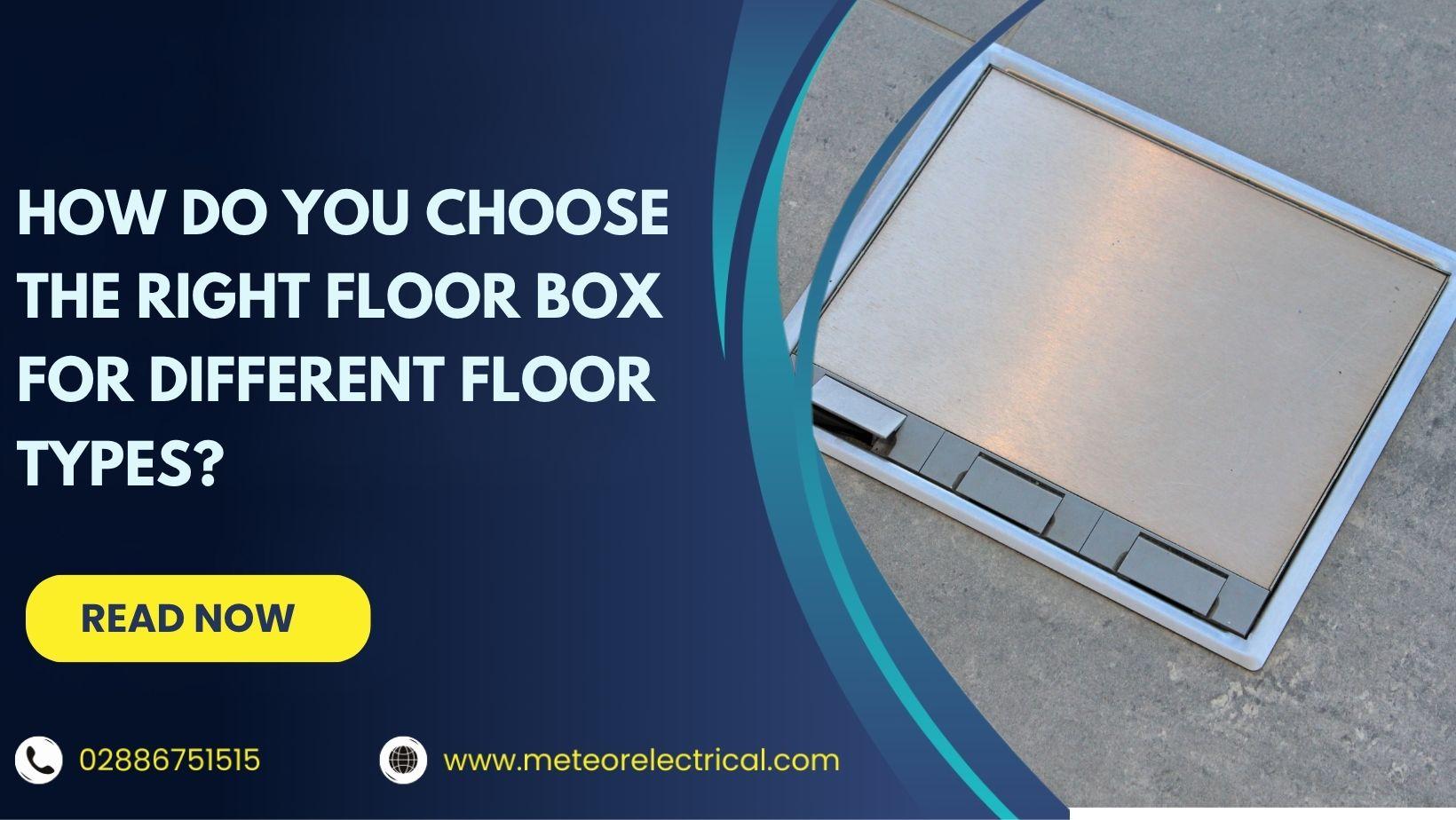
Anyone who has tried to power a desk, a projector, or a till point in the middle of an open-plan room knows the problem straight away. There is no socket nearby, and trailing a cable across the floor is neither safe nor tidy. A floor box solves this cleanly, sitting flush within the floor itself and bringing power, data, or both to exactly where they are needed. Choosing the correct one, however, depends heavily on the type of floor being worked with, and getting that decision wrong can mean a box that sits proud of the surface, lets in dust and moisture, or simply will not fit the installation depth available.
As specialists at Meteor Electrical, we work with electricians and facilities managers across the country who are weighing up exactly this question, and this guide sets out what actually matters when selecting a floor box for a given floor build-up.
Why Floor Type Changes the Whole Decision

Before looking at any product, it helps to understand why the floor construction itself dictates which box will work. A cavity floor and a solid screed floor behave very differently once you start cutting into them, and a box designed for one will rarely suit the other without compromise.
- Raised access and timber cavity floors give installers room beneath the surface to route cables freely, which suits cavity floor boxes with their deeper bodies and knockouts for flexible conduit.
- Solid screed floors, by contrast, are poured directly onto the slab, so a screed box needs to be set into the wet screed itself before the floor finish goes down.
- Floor depth is not a minor detail. A box that is too deep for a shallow cavity will foul the structure below, while one that is too shallow for a thick screed pour will not sit flush once finished.
- Floor finish matters too, since carpeted floors, vinyl, and hard flooring each interact differently with the frame and lid recess of a chosen box.
- Load rating deserves attention in any commercial setting, as boxes rated for foot traffic, trolleys, or furniture legs need a lid and frame built to withstand that weight over years of use.
Understanding Screed and Cavity Floor Boxes
Once the floor build-up is known, the next step is understanding the two main categories on offer. Meteor Electrical stocks both screed and cavity floor boxes, each suited to a distinct type of construction and each bringing its own installation logic to a project.
Screed floor boxes are built for durability, with a robust construction available in one to four compartment configurations and a range of depths to fit almost any installation requirement. They are manufactured from galvanised steel for added strength, and the materials used are halogen-free, which helps prevent the spread of flame and keeps toxicity low in the event of a fire.
Cavity floor boxes work differently, as they are designed to house long wires, cables and extension leads wherever electricity needs to reach within a cavity or raised floor. Their compact design saves valuable space beneath the floor, and because they too are manufactured from galvanised steel, they hold up well over years of use in offices, schools, and leisure centres.
A Closer Look at Five Reliable Floor Box Products
With the general categories understood, it is worth looking closely at specific products that illustrate how these principles apply in practice. Below are five options from the Meteor Electrical range, each suited to a slightly different job on site.
1. TFB3/76 3 Compartment Cavity Floorbox
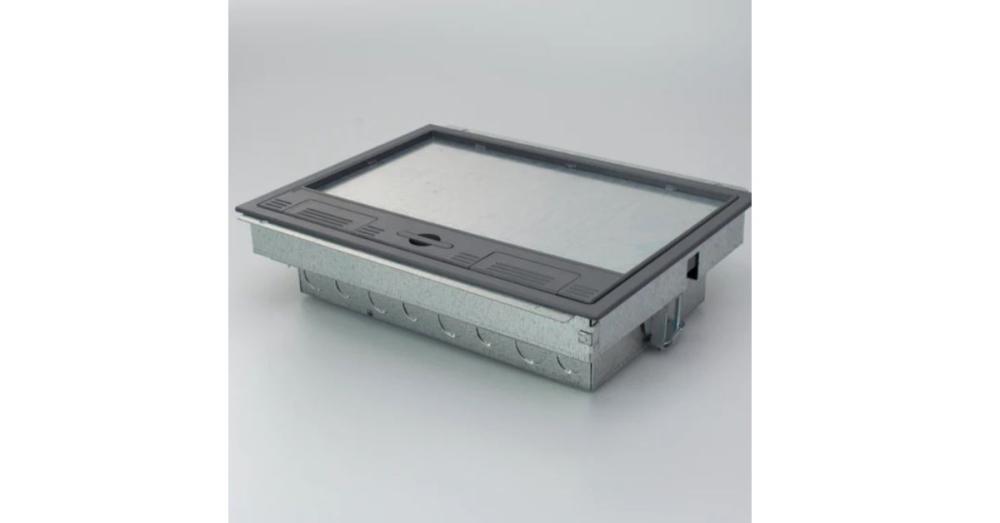
Manufactured from galvanised steel with a floor cut-out of 303 x 221mm and a box depth of 76mm, this unit includes 25mm and 20mm knockouts to accept flexible conduit. The frame and lid are moulded from high-impact polycarbonate, and the steel frame and lid carry a load test rating of 740kg, making it a dependable choice for busy commercial cavity floors.
2. Tass 3 Compartment Screed Box, 75mm
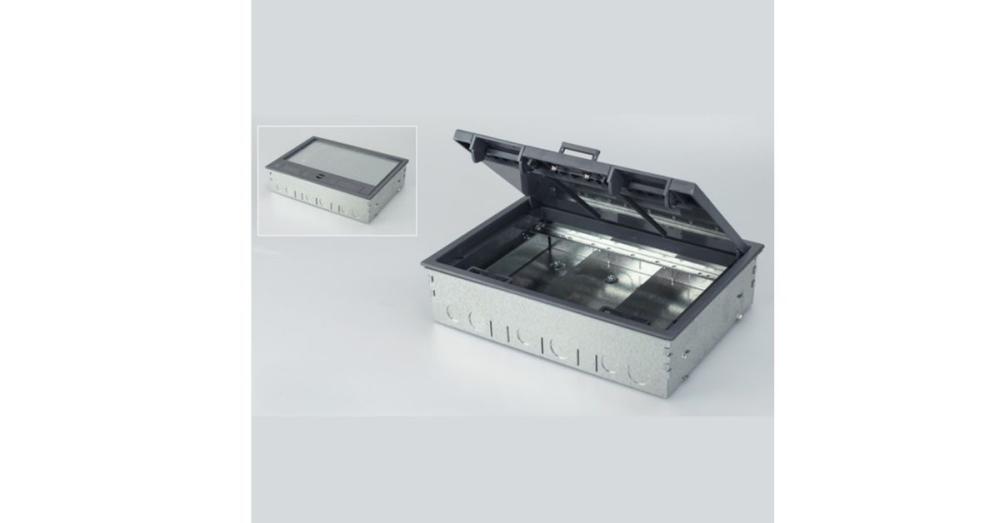
A three-compartment screed box built for solid floor construction, designed to be set into the screed before the final floor finish is applied. It offers a practical way to bring three separate services, such as power and data, up through a poured concrete floor without compromising the finish.
3. Tass STO282 Blank Plate for TFB4/76 Galvanised Floor Box
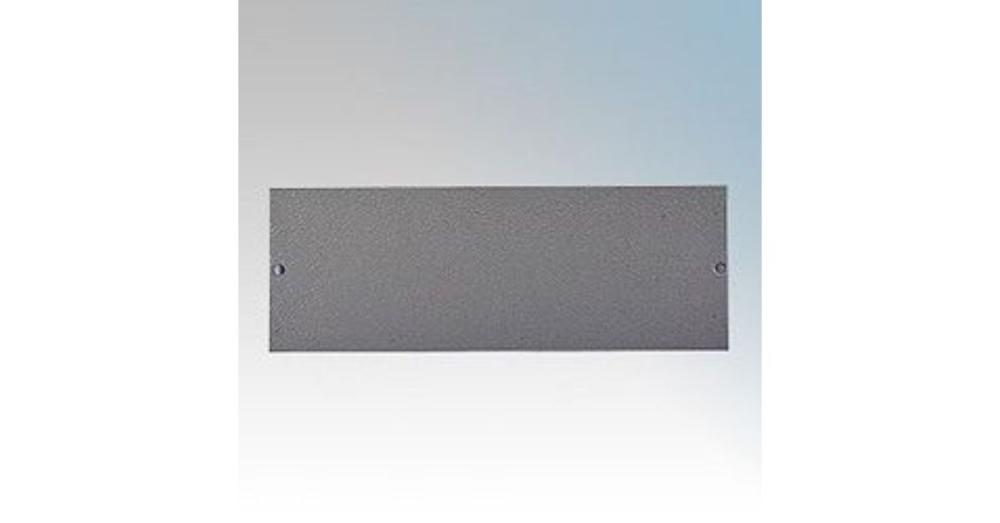
This blank plate is used to close off any unused compartment within a compatible galvanised floor box, keeping the installation neat and preventing dust or debris from entering an empty section until it is needed for future wiring.
4. TFB3/90 3 Compartment Cavity Floorbox
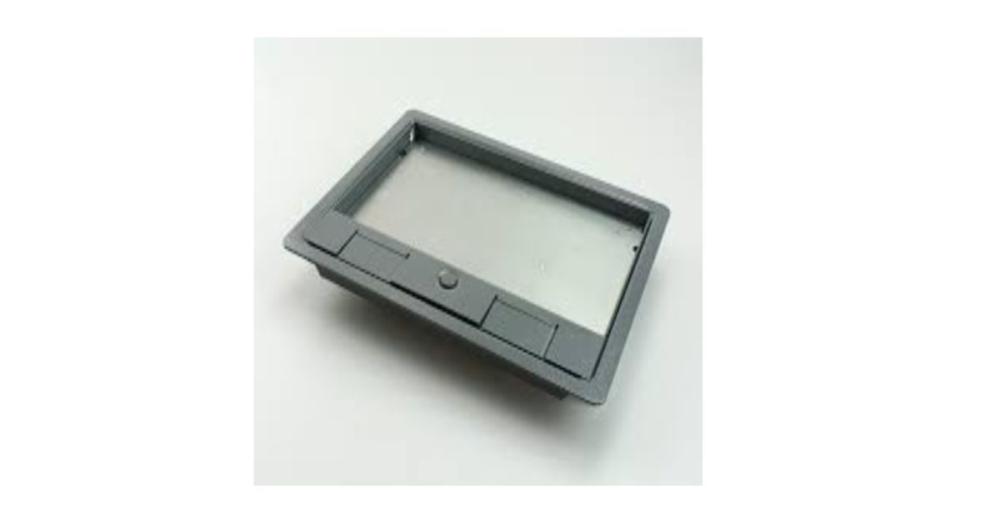
A deeper cousin of the TFB3/76, this cavity floorbox suits installations where a 90mm depth is required to clear the structure beneath the floor, while still offering the same three-compartment layout for power and data outlets.
5. Tass Compact Cavity Floorbox
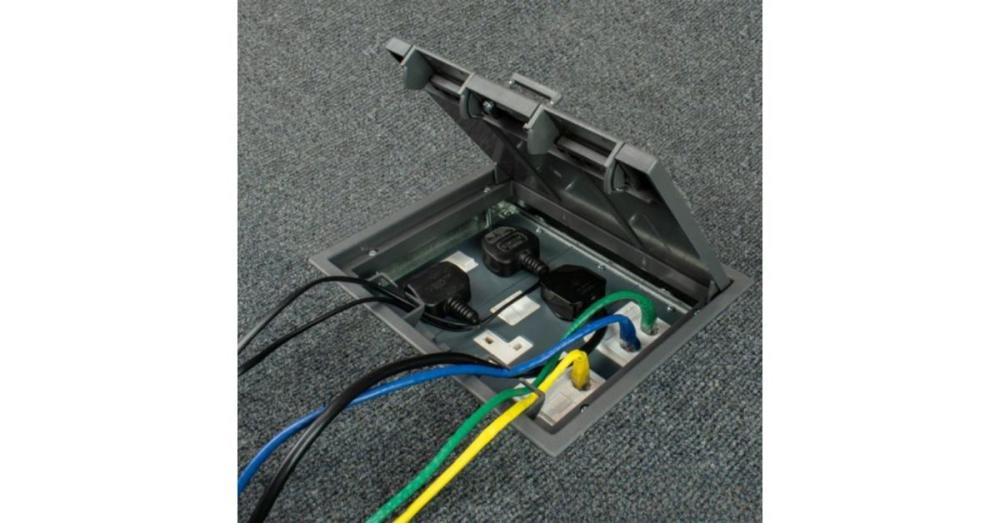
With a smaller 266mm x 212mm floor cut-out and an 80mm depth, this compact unit is ideal for space-conscious cavity installations, complete with a galvanised lid insert for strength and an easy-grip recessed lifting handle for straightforward access.
Matching Compartments and Accessories to the Job
Choosing the box body is only part of the process, since the accessory plates and compartment configuration determine what the finished installation can actually do. A floor box with the wrong plate fitted will either leave gaps in provision or waste space that could have carried another socket or data outlet.
- Blank plates, such as the STO282, allow unused compartments to remain sealed and tidy until additional cabling is required at a later date.
- Socket and switch plates bring standard 13 amp power directly to floor level, which suits meeting rooms, reception desks, and open-plan offices needing accessible power.
- Data and RJ45 plates support network connectivity where desks or workstations are arranged away from perimeter walls.
- Euro module plates offer flexibility, since they accept a mix of different modules within a single compartment rather than being fixed to one function.
- Matching the compartment count to current and future needs avoids costly retrofitting, so it is worth planning slightly ahead of the immediate requirement.
Installation Considerations Worth Planning For
Even the right floor box can cause problems on site if installation details are overlooked. A little forward planning at the specification stage saves considerable time once work is underway.
- Confirm the floor cut-out dimensions against the actual space available before ordering, since even a few millimetres of difference can affect the final fit.
- Check the plug top clearance figure where furniture or equipment will sit close to the box, as this affects how far a plug protrudes above the finished floor.
- Consider whether Clean Earth Sockets are needed for sensitive equipment, as these are available on several cavity floor box ranges.
- Plan cable routes before the screed is poured or the cavity is closed, since access becomes far more difficult once the floor build-up is complete.
- Speak with an account manager if a specific depth or configuration is not immediately visible in the standard range, as bespoke options are often available.
Source - NM Cabling Solutions
Bringing It All Together
Selecting the right floor box ultimately comes down to matching the product to the floor build-up, the depth available, and the services that need to reach the surface. Screed boxes suit solid poured floors, cavity boxes suit raised or timber constructions, and the right accessory plates finish the job cleanly. Getting this right at the specification stage avoids costly rework later and results in an installation that stays flush, tidy, and fully functional for years.
Meteor Electrical stocks a wide range of screed and cavity floor boxes alongside the accessory plates to complete them, with next-day delivery available and knowledgeable staff on hand for anyone unsure which configuration suits their project. Browse our full range today and place your bulk order!
Frequently Asked Questions
Q1. What is the difference between screed and cavity floor boxes?
Screed boxes are set into poured concrete floors; cavity boxes suit raised or timber floors with space beneath the surface.
Q2. How many compartments does a floor box typically have?
Most floor boxes range from one to four compartments, depending on how many services need to reach floor level.
Q3. What material are Meteor Electrical floor boxes made from?
The majority are manufactured from galvanised steel, chosen for its strength and long-term durability underfoot.
Q4. Can unused compartments be sealed for future use?
Yes, blank plates such as the STO282 close off empty compartments neatly until further cabling is required.
Q5. Where are floor boxes commonly installed?
They are widely used in offices, schools, leisure centres, and other commercial buildings needing flexible power access.