
How Can the Right Thermostat & Timer Help Reduce Energy Bills in the UK?
How Can the Right Thermostat & Timer Help Reduce Energy Bills in the UK?
Turn the heating down by one degree and most people don't even notice. That's really the whole idea behind a good thermostat or timer: it stops your home being heated when nobody's around to feel it, and takes the guesswork out of when the boiler should be running at all. For UK households keeping a closer eye on bills these days, that's not a small saving. Meteor Electrical stocks a full range of thermostats and timers built for exactly this. This guide covers how they actually work, where the savings come from, and how to pick one that fits your home.
What Does a Thermostat and Timer Actually Do?
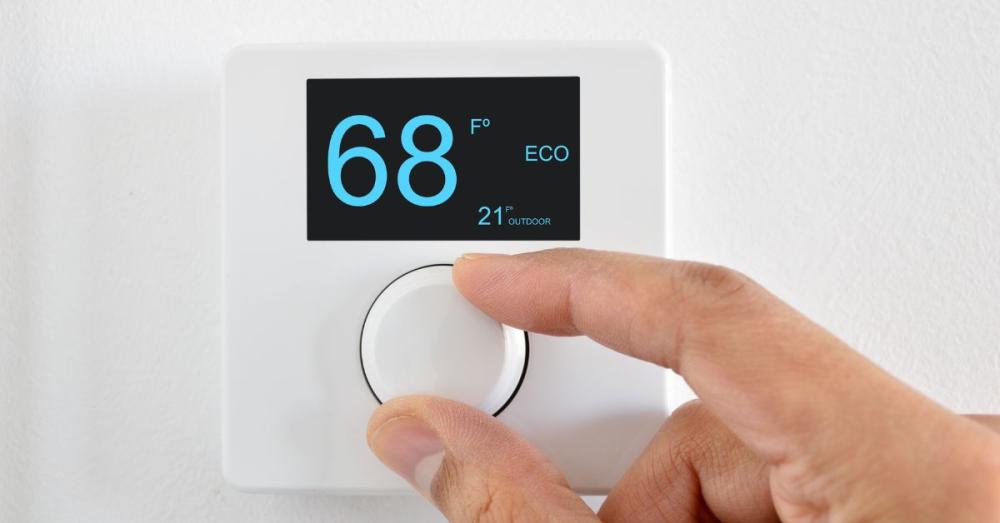
A thermostat reads the temperature in a room and switches the heating on or off to keep it steady. A timer decides when the system is allowed to run at all. Put the two together, and your home only warms up when someone's actually in it, not all day for no reason.
How Do Thermostats and Timers Help Lower Energy Bills?
The savings don't come from one big change, but from a few small ones that add up over a year. This is where most of it comes from:
- Heating switches off automatically once the house is empty, so you're not paying to warm rooms nobody's using.
- A steady temperature stops the boiler switching on and off all day, which uses less fuel overall.
- Set times mean nobody needs to remember to turn the heating on or off each day.
- Less strain on the boiler because it isn't reacting to sudden jumps in temperature every hour.
- Small, accurate adjustments replace rough guesses on a dial, and that adds up over time.
- Heating stays off overnight and while everyone's at work, exactly when it wouldn't help anyone anyway.
Did You Know?
According to the UK Government's Energy Saving Advice (GOV.UK), turning your room thermostat down by just 1°C can save around £80 to £145 a year on energy bills in a typical home, depending on your heating system and energy use. Small thermostat adjustments can reduce heating costs without noticeably affecting comfort.
Choosing the Right Thermostat for Your Home
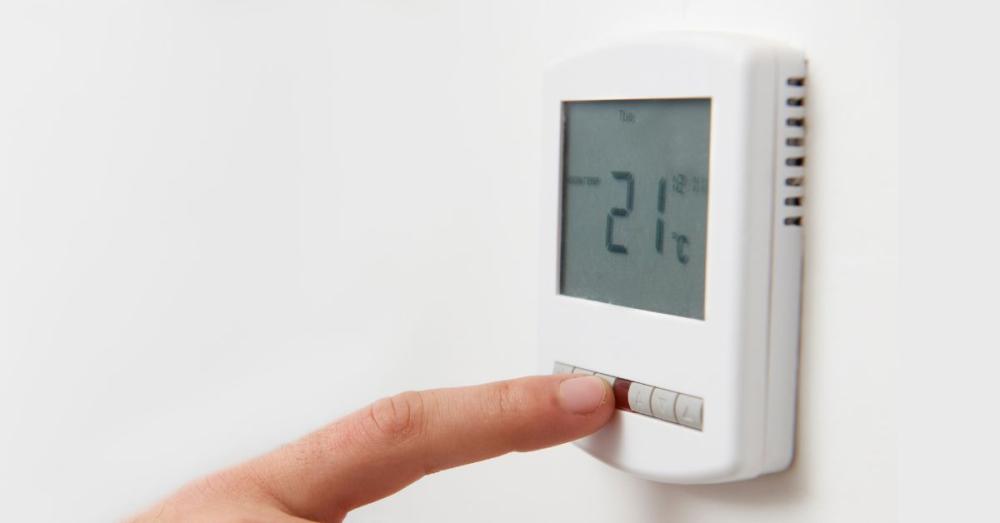
Which thermostat suits you comes down to how you live day to day, what heating system you have, and how much control you actually want.
- Basic Room Thermostats: A simple dial you adjust yourself. Fine if someone's usually home during the day and scheduling would just go unused.
- Programmable Thermostats: Set your heating times for the week once, then leave it alone. Useful if your routine stays fairly steady.
- WiFi & Smart Thermostats: Control everything from an app, wherever you happen to be. Suits households whose routines change from week to week.
Source - Alexander Services
Are Heating Timers Worth Installing?
For most homes, yes. A timer means the heating comes on and switches off without anyone needing to remember to do it themselves. That takes the pressure off, and it usually means lower bills too, since the system isn't left running longer than it needs to.
- No need to switch it on yourself
- Cuts down on wasted energy
- Good for busy households
- Pairs well with a thermostat
Common Heating Mistakes That Increase Energy Bills
A decent heating system can still cost more than it should if a few habits slip in. These are the ones worth watching for:
- Leaving the heating on all day because it's simpler than thinking about it, even when the house sits empty for hours.
- Turning the thermostat up and down throughout the day instead of setting it once and leaving it there.
- Setting the temperature higher than needed, when a drop of a degree or two barely changes how a room feels.
- Skipping the programmable schedule altogether, so the heating runs the same whether anyone's home or not.
- Fitting the thermostat somewhere it gets a false reading, such as near a window, in direct sun, or behind a curtain.

Tips for Getting the Best Performance from Your Thermostat & Timer
A thermostat and timer work better with a little upkeep. A few things worth doing:
- Keep it clear of sunlight, draughts, or anything else that could throw off the reading.
- Build the schedule around how you actually live, not the setting it came with.
- Try turning it down by one degree. Most people don't notice, but the bill does.
- Bleed the radiators now and then so the system responds properly to the thermostat.
- Change the batteries before they run out, or the readings start to drift.
- Adjust the schedule when the seasons change, since winter and summer need different settings.
- Have an electrician check the wiring every so often to keep things safe.
Finding the Right Heating Controls for Your Property
Meteor Electrical carries a wide range of thermostats, timers, and heating controls, so there's usually something to fit whatever system your home has. Here is a list:
Secure Smart Immersion Heater Control:
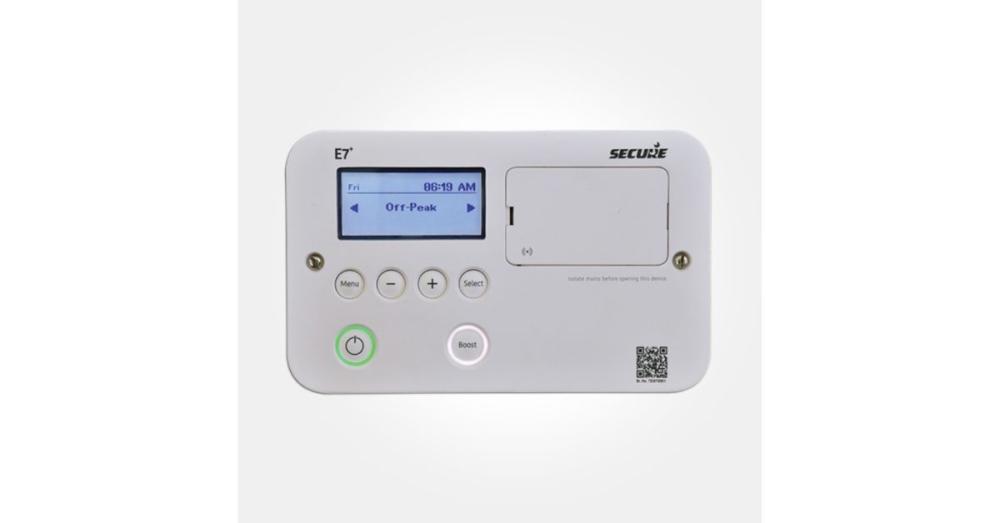
Controlled through Bluetooth from your phone, with a full week of programming and a boost button for extra hot water in a hurry. Works well on Economy 7 or another off-peak tariff.
Secure 2 Channel Receiver w/ Programmable Thermostat Display:
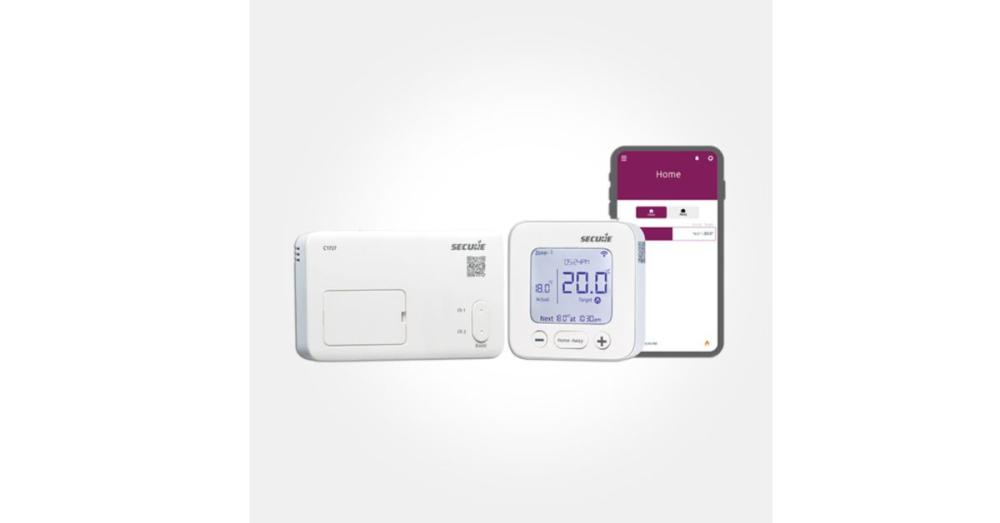
Built for gas or oil-fired boilers, this two-channel receiver pairs app control with Boiler Plus compliant load compensation, so the system manages itself more sensibly.
Heat My Home 16A Underfloor Heating Touch-Button Thermostat:
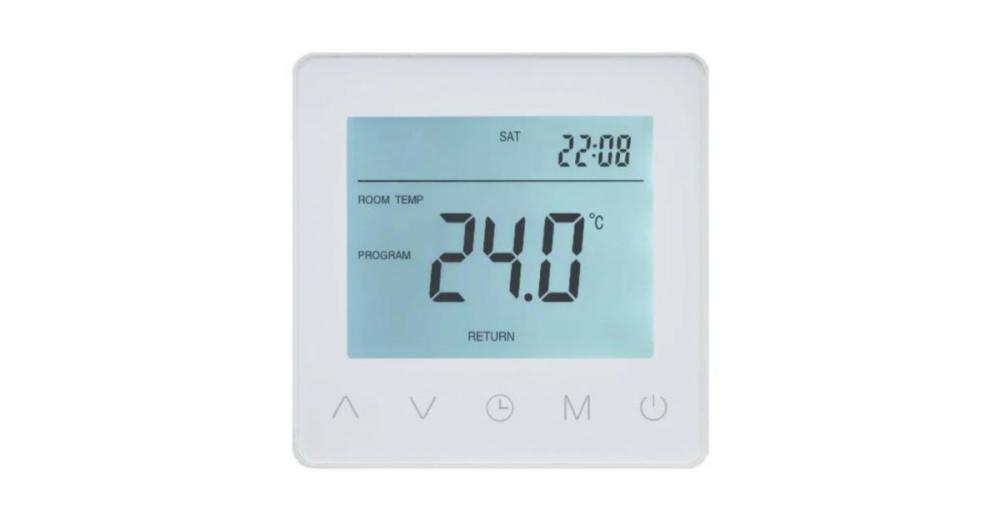
A touch-button thermostat with a backlit screen, battery backup, and Lot 20 efficiency compliance, built for underfloor heating that needs steady control.
Heat My Home 16A WiFi Underfloor Heating Thermostat:
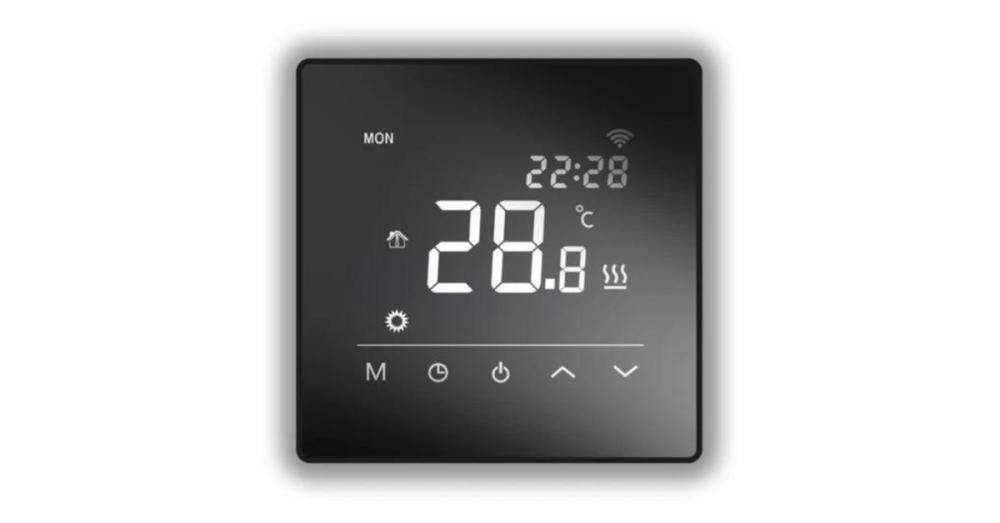
The same reliable underfloor heating thermostat as above, with WiFi added so you can adjust it from your phone instead.
Choice Frost Thermostat:
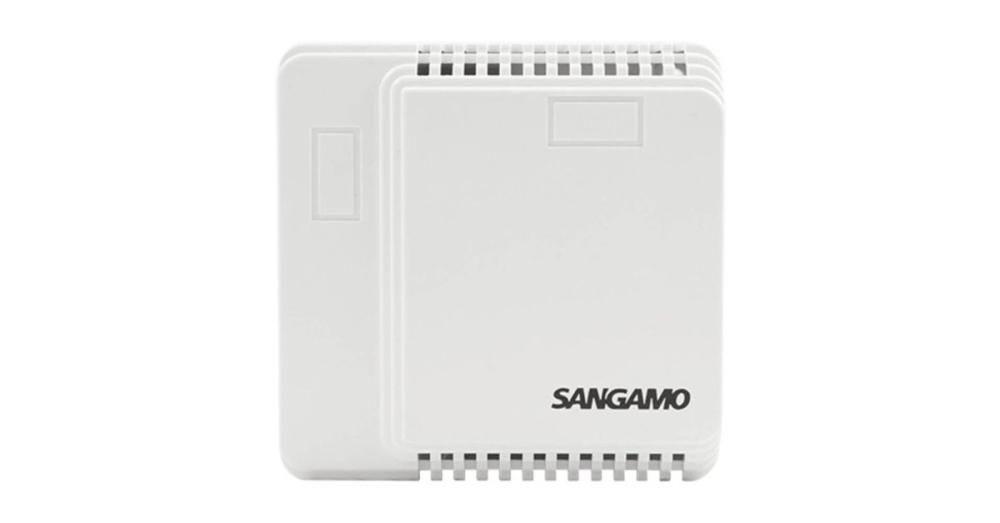
Made for cold spots like garages and lofts, this switches the heating on automatically once temperatures drop, protecting pipework and boilers from frost.
Digital Room Thermostat:
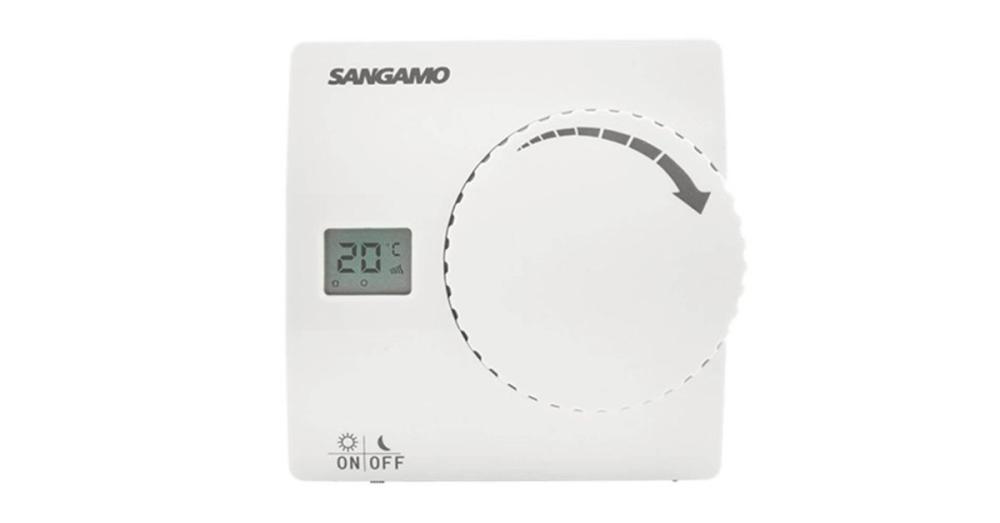
A familiar dial thermostat with a digital display added on top, suited to combi or standard boilers, with frost protection and battery power built in.
Single Pattress Electronic Boost Timer:
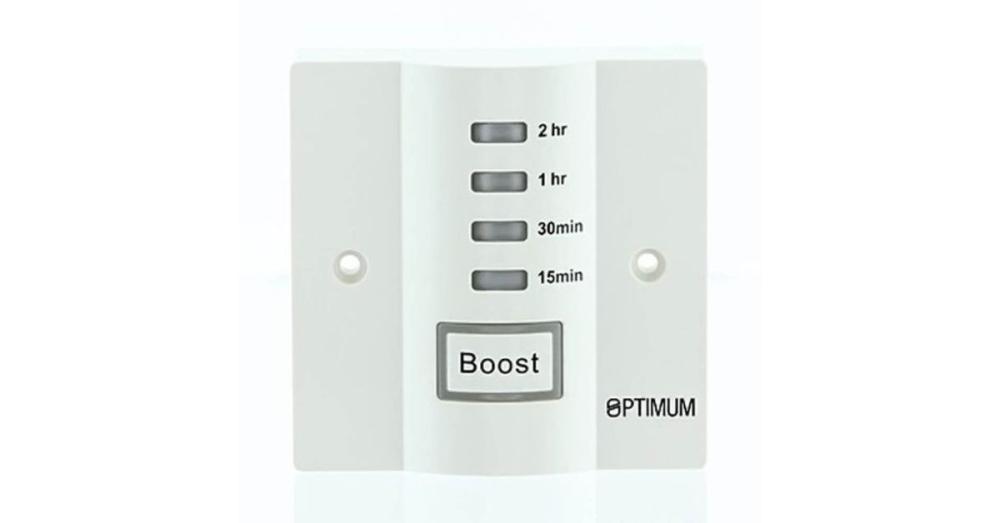
One button, four boost settings from fifteen minutes to two hours, useful for a quick top-up of heating or hot water without leaving it running longer than needed.
Wrapping up
Picking the right thermostat and timer, and actually using them properly, is one of the easiest changes a household can make to cut heating costs without giving up any comfort. Whether that means a basic dial or a smart system controlled from your phone depends on your routine and your home. Meteor Electrical's range of heating controls is a solid place to start if you're not sure what would work best for you. If you live in Northern Ireland & Republic of Ireland then place your order before 5 pm for an instant next day delivery. Visit our website now for more information!
FAQs Section
Q1. Do thermostats actually cut energy bills?
Yes. They stop the house overheating and cut down on the boiler switching on and off for no reason.
Q2. What's the real difference between a timer and a thermostat?
A timer decides when the heating runs, whereas a thermostat decides how warm it gets.
Q3. Can I fit a smart thermostat myself?
It's safer to get a qualified electrician to fit it for you, as they are professional in it, just to keep things safe.
Q4. Where's the best place for a room thermostat?
Somewhere away from sunlight, draughts, and other sources of heat can save your thermostat from damaging.
Q5. Is a WiFi thermostat worth paying extra for?
Often, yes. Remote control usually leads to extra savings over time so investing in a WiFi thermostat is worth every penny.