
Home EV Charger Buying Guide: Everything You Need to Know
Home EV Charger Buying Guide: Everything You Need to Know
More and more people across the UK are switching to electric cars, and that brings up one obvious question: where and how do you charge the thing at home? It's not as simple as grabbing the first charger you spot in a search result. There's a fair bit to weigh up first. At Meteor Electrical, we stock a broad range of EV chargers and electrical products for homeowners and trade professionals across the UK and Ireland, so this is a topic we deal with every day.
In this guide, we'll cover the different types of chargers on the market, what your home needs before installation can even happen, the features worth paying attention to, and how to pick a unit that actually fits your household and your car.
Why Install a Home EV Charger?
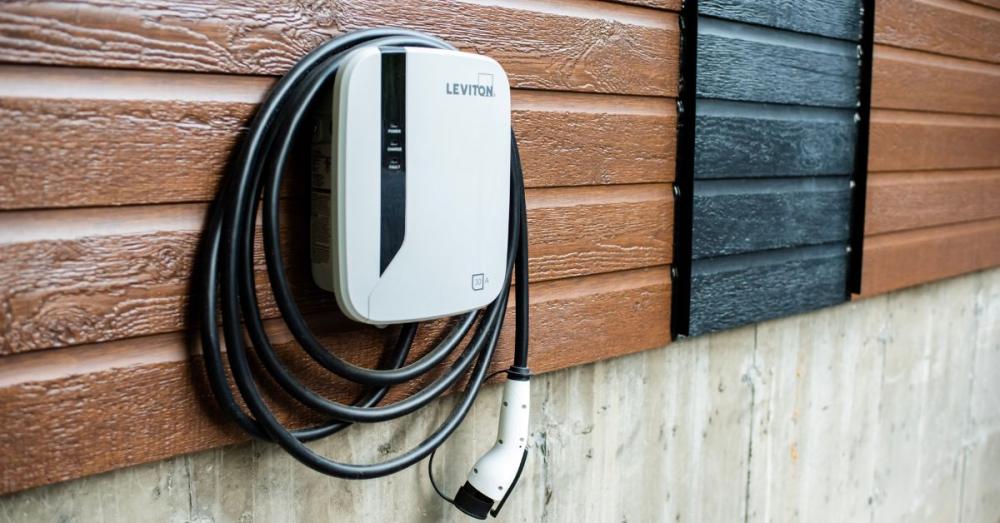
A three-pin plug will charge your car, but slowly, and without the safety features a proper charge point offers. A dedicated home charger is quicker, better protected against electrical faults, and works quietly overnight while you sleep. Many installations also qualify for grant support, which helps soften the upfront cost.
Understand the Different Types of Home EV Chargers
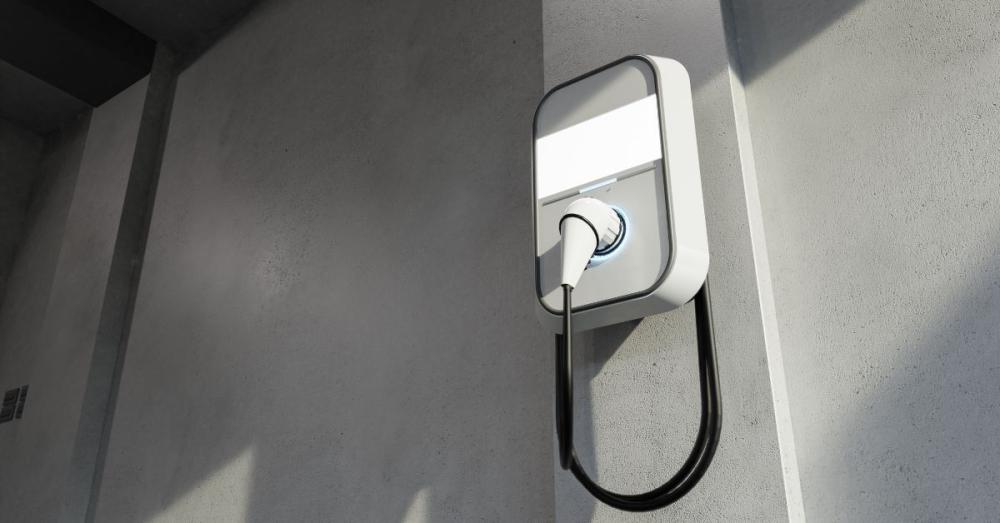
Chargers don't all work the same way, and picking the right category makes a real difference to how well one fits your daily routine. Here are the three you'll come across most often.
- Slow Chargers: These suit overnight charging best, topping up the battery gently and steadily while the car sits parked overnight.
- Fast Chargers (Most Popular for Homes) This is what most UK homeowners end up choosing, since it strikes a sensible balance between speed, cost and easy installation.
- Smart EV Chargers These add app control, scheduling, energy monitoring and remote management, so you can keep tabs on charging from your phone.
Source - This Old House
Key Factors to Consider Before Buying a Home EV Charger
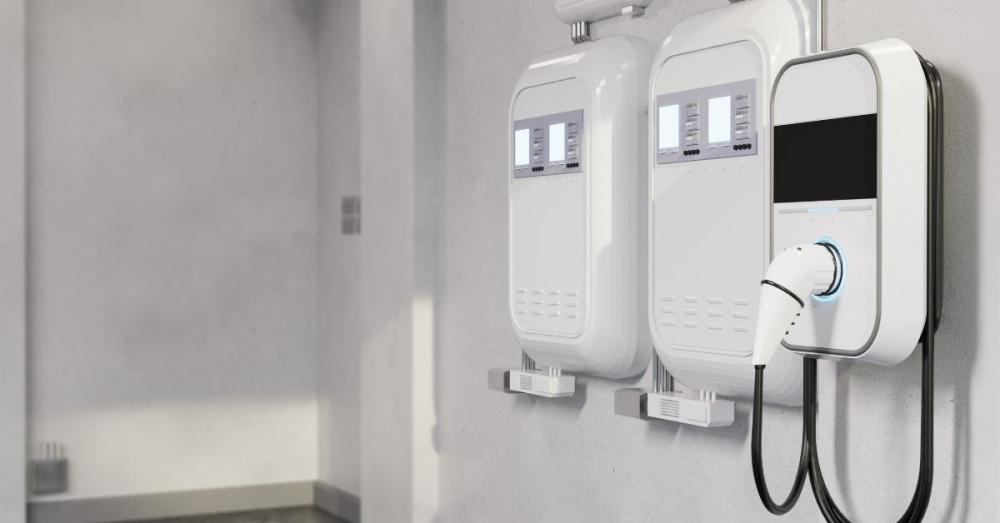
Price matters, sure, but it shouldn't be the only thing driving your decision. Here's what's worth thinking through first.
- Charging Speed: Most UK homes are well served by a 7.4kW unit, which matches what a standard domestic supply can handle.
- Connector Type: Check whether your car needs a tethered cable or a Type 2 socket, as this affects day-to-day convenience.
- Smart Functionality: Scheduling and app monitoring let you shift charging to cheaper, off-peak electricity hours automatically.
- Safety Certification: Look for compliance with standards like EN 61851-1 and IEC 61439-7, so you know it's been properly tested.
- Weatherproofing: If the charger will sit outdoors, an IP54-rated enclosure or higher keeps it working through rain and frost.
Home Electrical Requirements Before Installation
Before any charger goes up on the wall, your electrics need a proper check. Here's what an installer will be looking at.
- Your consumer unit can handle the extra load
- A dedicated circuit with its own RCD protection
- Proper earthing, either PME or an earth rod
- A sensible spot on an outdoor or garage wall
- Sign-off from a qualified, registered electrician
Tethered vs Untethered EV Chargers: Which Should You Choose?
A tethered charger comes with the Cable already attached, ready to grab and plug in. An untethered one just has a socket, so you bring your own Cable, which some drivers actually prefer.
| Feature | Tethered Charger | Untethered Charger |
|---|---|---|
| Cable | Fixed, always attached | Detachable, bring your own |
| Convenience | Quick to plug in | Slightly slower to connect |
| Flexibility | Less adaptable | Works with multiple cable lengths |
| Weather Exposure |
Cable exposed outdoors | Cable stored indoors when not in use |
Features That Make a Great Home EV Charger
Speed isn't everything. A handful of smaller features tend to separate a decent charger from a genuinely good one, and these are worth checking on the spec sheet.
- RFID access for authorised users only
- Wi-Fi and LAN connectivity as standard
- Dynamic load management to prevent overloads
- Solar PV compatibility for greener charging
- AC and DC leakage current protection
- OCPP compatibility for backend integration
- Robust IP and IK impact ratings
- Multi-user scheduling and remote monitoring
Choosing Quality Electrical Products Matters
Whatever charger you choose is going to sit on your wall for years, so build quality and proper certification aren't things to skimp on. Cheap, poorly made hardware can turn into a safety problem down the line, not just an inconvenience. With that in mind, here are a few well-specified units worth a look.
1. GARO Entity 7.4kW Socket Charger + LM 60A
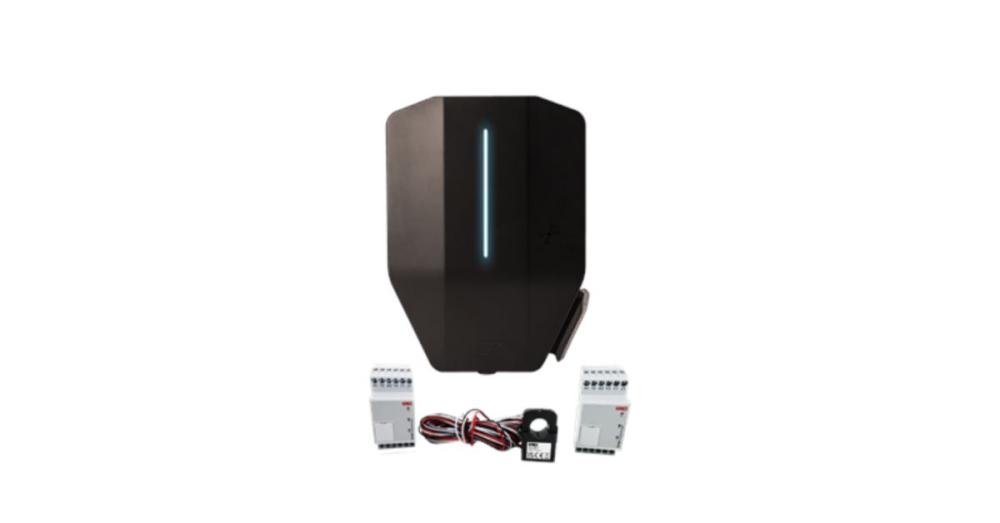
They offers a movable socket outlet, integrated load management and full app-based monitoring for flexible home use.
2. BG SyncEV Wall Charger 2 7.4kW Tethered
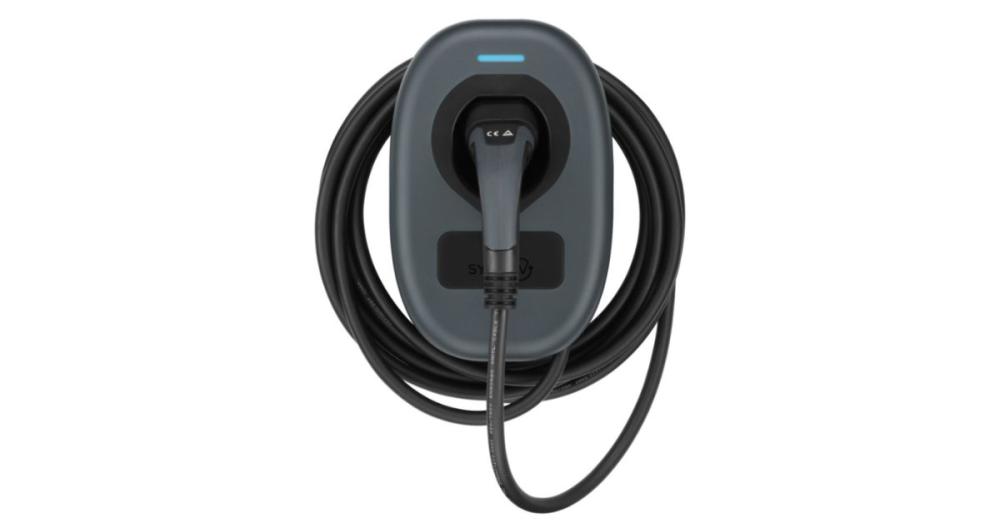
They provides a 7.5-metre tethered lead, solar charging capability and robust IP55 weatherproof housing throughout.
3. Garo 7.4kW Charger with Type 2 Socket Outlet
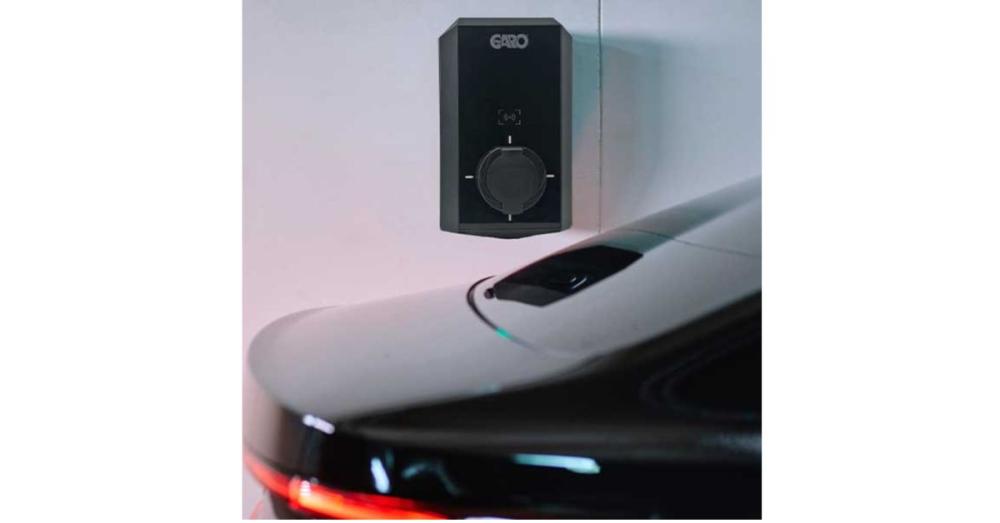
They combines dynamic load management, smart app scheduling and dependable IP54-rated outdoor durability.
4. Garo 7.4kW Charger with 7.5 Metre Lead
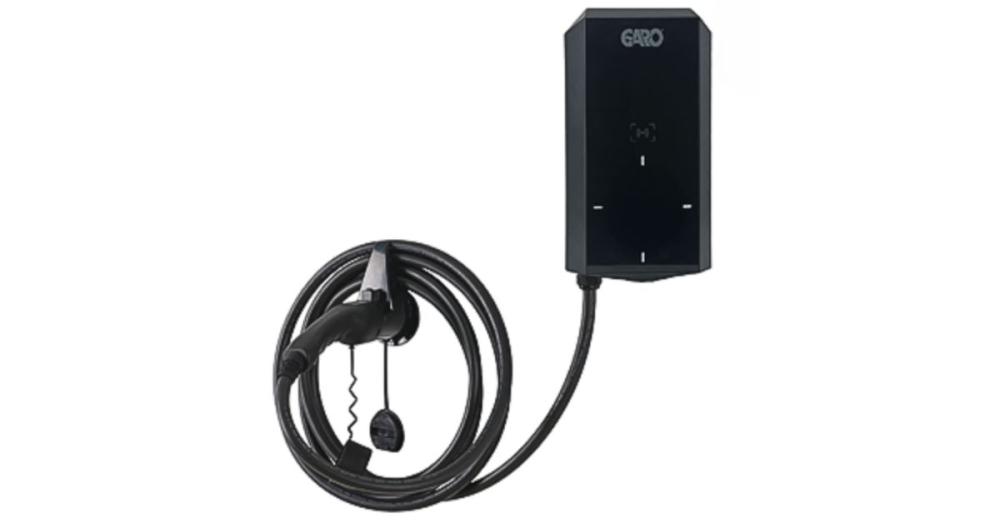
They delivers tethered convenience alongside solar load management and comprehensive built-in safety protections.
Final Thoughts:
A home EV charger isn't a purchase to rush. It affects how convenient your daily routine feels, what you pay to run your car, and how safe your electrics stay over the years ahead. Get the charger type right, make sure your home's wiring is up to the job, and don't compromise on certification, and you'll end up with something that just quietly works for years without a second thought.
Some drivers want the simplest option going. Others want every smart feature on offer. Either way, once the right unit is chosen and properly fitted, charging at home stops being a chore and just becomes part of the routine. View the options listed on Meteor Electrical and get amazing discounts and free delivery on orders over £30. Purchase now for a one-year warranty!
Frequently Asked Questions
Q1. How much does home EV charger installation cost?
Installation typically costs between £800 and £1,200, depending on property and cabling.
Q2. Do I need planning permission for a home charger?
Most UK homes do not require planning permission for wall-mounted chargers.
Q3. What size charger do I need for my home?
A 7.4kW charger suits most single-phase UK domestic electrical supplies well.
Q4. Can I install a home EV charger myself?
No, installation must be carried out by a qualified, registered electrician only.
Q5. Are there grants available for home EV chargers?
Some schemes, like SEAI grants, offer partial funding for eligible installations.