
Information
Consumer Unit Upgrade UK Guide 2026 — Boards, Protective Devices & Surge Protection for a Modern Compliant Board
Consumer Unit Upgrade UK Guide 2026 — Boards, Protective Devices & Surge Protection for a Modern Compliant Board
Electricians and facilities managers know a consumer unit acts as the central control point for any building's electrical system. Upgrading a distribution board in 2026 goes beyond meeting basic safety minimums - the process involves anticipating future power demands, guaranteeing rapid fault-finding, and securing long-term client safety. Homeowners frequently ask - "why do I need a consumer unit upgrade for my property?" A compliant consumer unit upgrade demands a deep understanding of robust enclosure requirements, the operational advantages of RCBO setups over traditional split-load configurations and the proper integration of mandatory surge protection devices (SPDs).
Providing clients the right guidance helps trade professionals reduce future maintenance headaches, emergency callbacks and frustrating nuisance tripping while strictly adhering to the latest UK wiring regulations.
Why Is Upgrading to a Modern Consumer Unit Crucial in 2026?
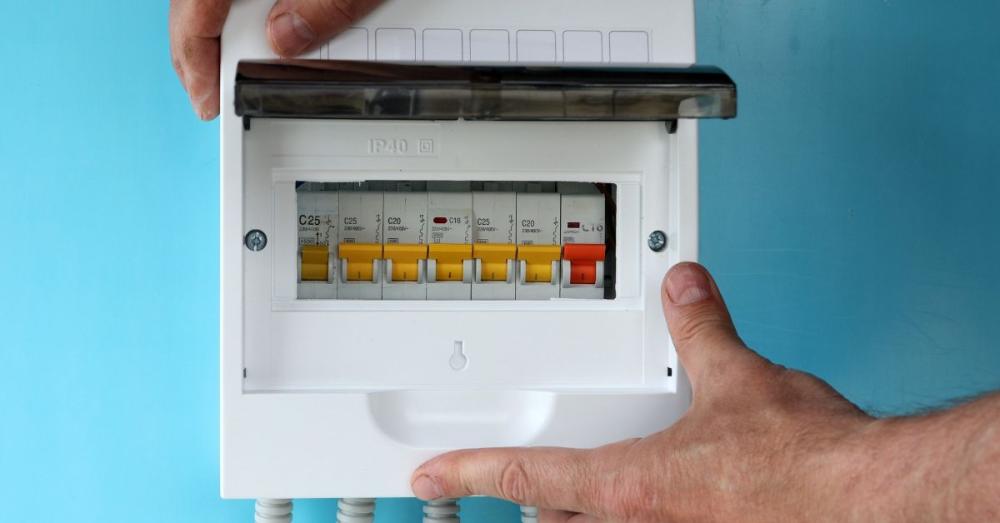
Meeting Modern Wiring Regulations and Core Safety
Modern installations centre on a consumer unit equipped with a main isolating switch, MCBs for overcurrent protection, and RCDs for shock protection across most circuits. Older properties frequently require upgrades around the 30 to 40-year mark due to deteriorating insulation and terminations.
Factoring in Future High-Demand Loads and Expandability
Modern properties increasingly require dedicated circuits powering EV chargers, solar PV systems, and heat pumps. Electricians should specify consumer units providing spare usable ways rather than filling a unit to its absolute maximum capacity on day one.
Leaving extra space improves internal airflow and makes cable management significantly easier.
How Do You Choose Between RCBOs, RCDs, and MCBs?
Miniature Circuit Breakers (MCB) - The Overload Defender
An MCB automatically switches off an electrical circuit during abnormal network conditions, such as overloads and short circuits. Electricians typically use Type B breakers in standard domestic properties, while Type C and Type D variants are reserved to handle commercial environments requiring higher surge permissions.
Residual Current Devices (RCD) - The Life-Saving Leakage Detector
An RCD monitors the flow of electricity and instantly cuts power upon detecting a leakage, providing critical protection against electric shocks. The traditional split-load drawback is that multiple MCBs share a single RCD, meaning a minor fault on one circuit will trip the RCD and kill the power across all other circuits sharing that block.
Residual Current Breaker with Overcurrent (RCBO) - The All-in-One Solution
An RCBO efficiently combines the overload protection of an MCB and the life-saving shock protection of an RCD into a single unit. These devices provide complete single-circuit isolation; a fault on one circuit only trips that specific breaker, which speeds up fault-finding and eliminates widespread nuisance tripping.
Trade professionals often search - "what is the best consumer unit for home installations to prevent nuisance tripping?" The answer usually points straight to a modern RCBO-loaded board.
Source - eFIXX
When Are Surge Protection Devices (SPDs) Mandatory?
Understanding 18th Edition Surge Protection Mandates
Under the 18th Edition wiring regulations, SPDs must be installed anywhere an overvoltage could result in serious injury, interruption of commercial activity, or damage to co-located individuals. In single residential dwellings, protection against transient overvoltages is required unless the property owner specifically opts out in writing and accepts the risk of equipment damage.
Planning a consumer unit upgrade UK means taking these safety mandates seriously.
Selecting Type 2 SPDs for Consumer Units
Type 2 SPDs are the standard choice protecting UK residential and commercial sub-boards. They prevent the spread of overvoltages by clamping high voltage spikes down to a safe residual voltage, effectively protecting appliances against indirect lightning strikes and grid switching transients.
Did You Know - Upto 80 percent of all transient voltage spikes originate inside the building itself due to the internal switching of inductive machinery rather than external lightning strikes? Surge protection integration provides absolute peace of mind against these invisible threats.
Why Are Clear Labelling and Wiring Practices Crucial for Safety?
Managing Mixed Colour Wiring Systems
Older UK properties wired before the full adoption of harmonised colours in 2006 often mix legacy red and black wiring alongside new brown and blue systems. Installers must remember the board must display a clear warning label about mixed colours provided both wiring systems exist in the property.
Simplifying Future Maintenance and Fault-Finding
Labelling the board clearly, alongside keeping test reports accessible, empowers homeowners to identify tripped circuits instantly. Clear visual guides make subsequent professional maintenance significantly faster and much safer.
What Are the Top Recommended Components for Your 2026 Upgrade?
To guarantee regulatory compliance and long-term durability, here are the top-tier circuit protection devices and metal-clad boards available at Meteor Electrical:
1. GARO 10 Way Metal Clad Consumer Unit
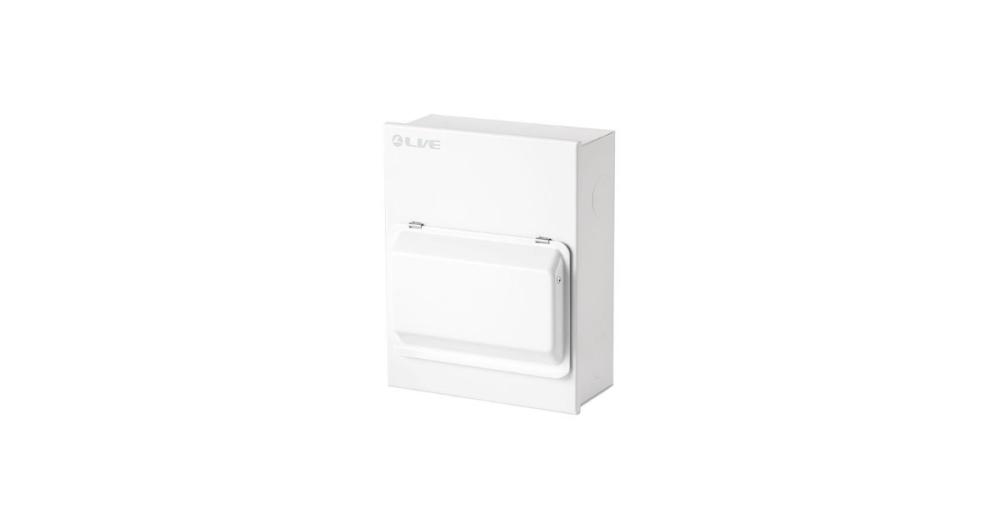
A robust, non-combustible metal-clad enclosure engineered to strictly meet BS 7671 regulations across domestic and light commercial environments. Provides ample wiring space and multiple knockouts, guaranteeing fast, compliant installations.
Key Features - Durable metal construction, earth and neutral bars included, excellent internal capacity supporting RCBOs and SPDs.
2. GARO 1 Pole + Neutral 32A B Curve 6kA Type A RCBO
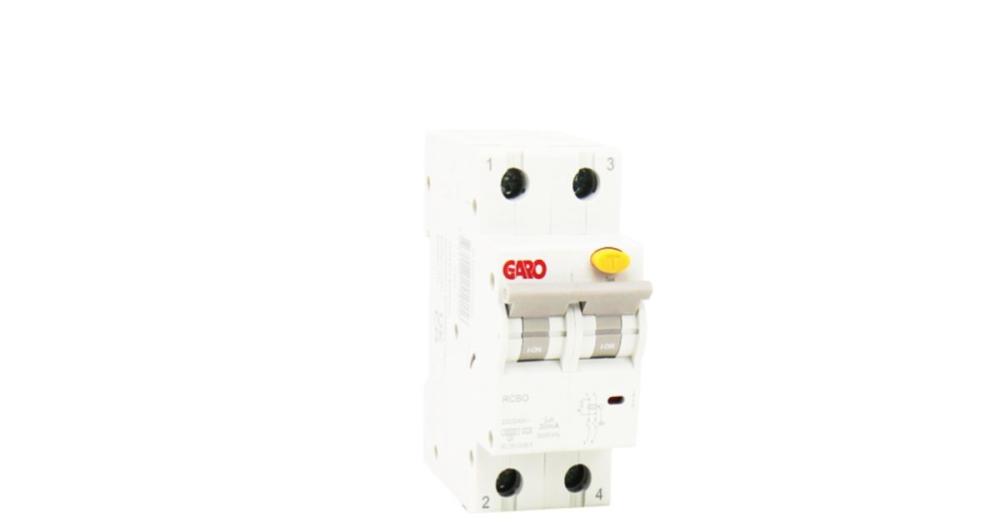
A premium, space-saving RCBO designed for modern boards, offering highly responsive dual protection against both overloads and earth leakages.
Key Features - 32 Amp rating, B Curve tripping characteristic, Type A earth fault detection, 6kA breaking capacity.
3. Live Electrical 80A 30mA 2 Pole RCD
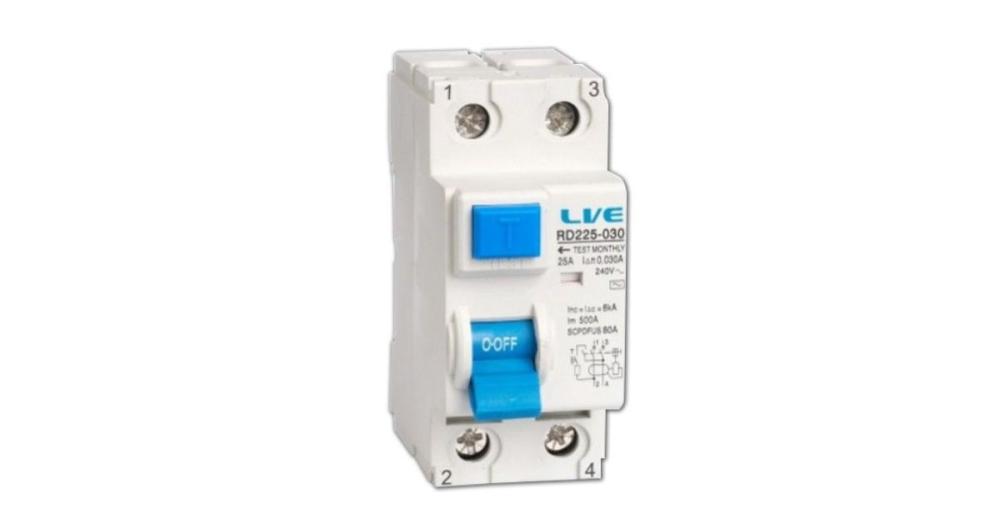
A staple for domestic and commercial boards requiring a robust main switch RCD to provide wide-scale shock protection across multiple integrated MCB circuits.
Key Features - 80 Amp rating, 30mA trip sensitivity, Double pole, Highly durable internal mechanisms.
Shop Live Electrical 80A 2 Pole RCD
4. Garo MCB 1-Pole 32A Characteristic B 6kA
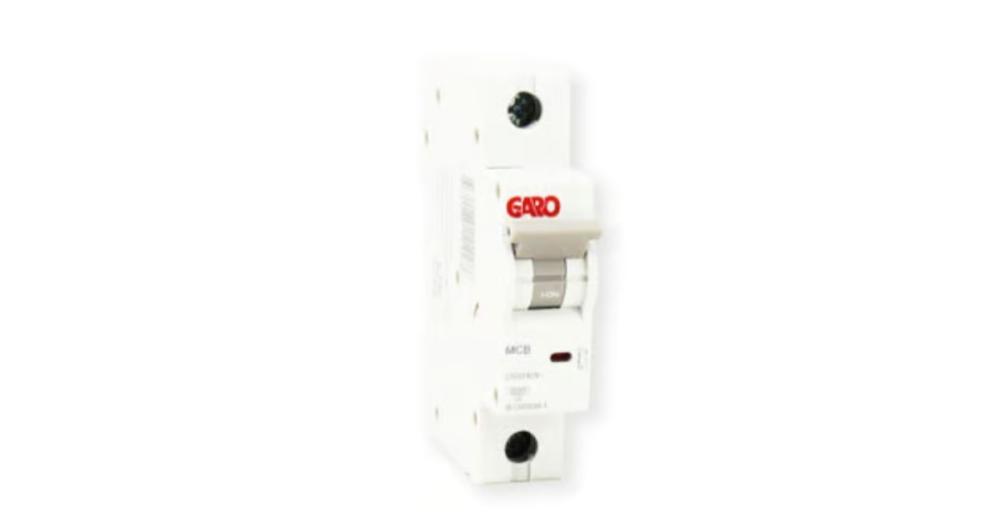
Designed to simplify installations, this 32 Amp single-pole breaker delivers reliable, rapid detection of standard household electrical faults and prevents wire overheating.
Key Features - 32 Amps rating, B Curve, 6kA breaking capacity, BS EN 60898 compliant.
Shop Garo MCB 1-Pole 32A Characteristic B 6kA
5. Live Electrical Type 2 Surge Arrestor with MCB
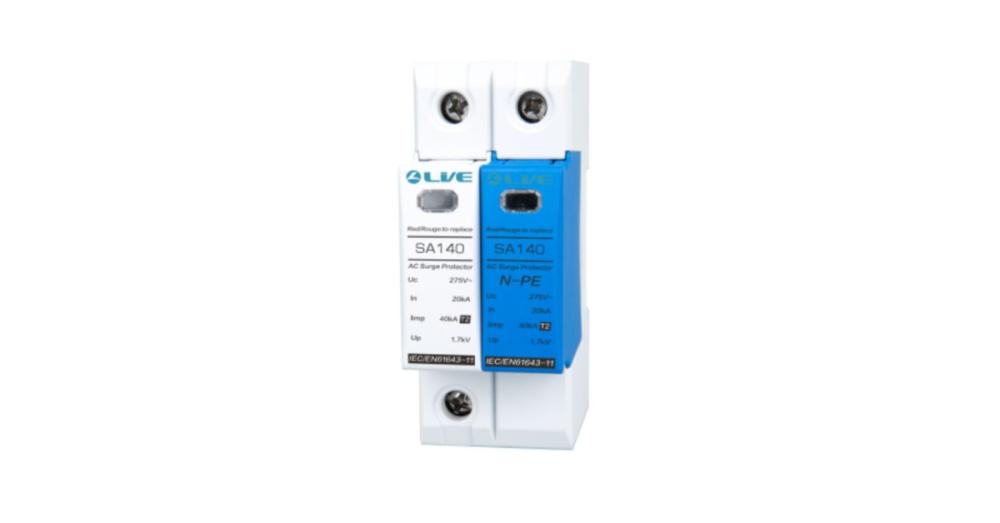
The perfect cost-effective solution supporting standard domestic board upgrades, providing swift protection against indirect grid surges.
Key Features - Type 2 classification, Replaceable protection modules, Colour-coded status indicators, Fast response time.
Shop Live Electrical Type 2 Surge Arrestor
Key Takeaways
- Modern Consumer Unit Upgrades Improve Electrical Safety: A consumer unit upgrade helps improve circuit protection, reduce electrical risks and accommodate modern power demands in UK properties.
- RCBOs Offer Better Circuit-Level Protection: RCBOs combine the functions of MCBs and RCDs, providing individual circuit protection and reducing widespread power outages caused by nuisance tripping.
- Surge Protection Is Essential for Modern Installations: Surge protection devices (SPDs) help protect electrical equipment from voltage spikes and support compliance with applicable 18th Edition wiring regulations.
- Metal-Clad Consumer Units Support Safety and Expansion: Durable metal enclosures with sufficient spare capacity allow electricians to accommodate future installations, including EV chargers, solar PV systems and heat pumps.
- Clear Circuit Labelling Simplifies Maintenance: Proper identification of circuits, mixed wiring colour warnings where required, and accessible testing documentation make troubleshooting safer and more efficient.
- Choosing Quality Components Supports Long-Term Reliability: Selecting suitable consumer units, RCBOs, RCDs, MCBs and SPDs from trusted suppliers such as Meteor Electrical helps electricians build reliable, regulation-compliant installations.
Secure Your Next Consumer Unit Upgrade with Meteor Electrical
Combining RCBO single-circuit isolation alongside SPD readiness, physical enclosure expandability, and clear labelling transforms a standard board into a highly resilient power hub ready for modern electrical demands.
Planning your next distribution board upgrade requires a reliable wholesale partner. Meteor Electrical operates as a leading wholesale electrical supplier across the UK and European markets, proudly serving electrical contractors and facilities managers. We stock a complete range of premium circuit breakers, RCBOs, RCDs, and MCBs built prioritising ultimate safety.
Do not let electrical faults slow down your projects. Shop our full range of distribution and control products online today to secure your site via rapid next-day delivery and trade-trusted quality!
Frequently Asked Questions (FAQs) About Consumer Unit Upgrades
1) Why does fault-finding take longer on an RCD and MCB board?
Because multiple MCBs share one RCD, an earth fault on just one circuit will trip the main RCD, forcing the electrician to manually disconnect neutral wires across several circuits to find the culprit.
2) How does an RCBO prevent nuisance tripping?
An RCBO isolates both the live and neutral feeds powering one specific circuit, meaning that a piece of equipment leaking current only trips that single breaker while the rest of the building's power remains completely unaffected.
3) Are surge protection devices mandatory in UK homes?
Under 18th Edition rules, SPDs are required inside domestic properties unless the homeowner explicitly opts out in writing and formally accepts all liability regarding equipment damage caused by overvoltages.
4) What is the difference between a Type B and Type C MCB?
Type B breakers trip upon the current hitting between three and five times the rated load, making them ideal for homes; Type C breakers trip at five to ten times the rated load, suiting commercial settings experiencing higher startup surges.
5) How often should I test the RCDs or RCBOs in my consumer unit?
You should test your protective devices every three months by pressing the test button; failure to click off instantly means the internal mechanism is compromised and you must replace it immediately.