
Complete Fire‑Resistant Cable Buying Guide - Where to Specify and What to Check on Site
Complete Fire‑Resistant Cable Buying Guide - Where to Specify and What to Check on Site
Fire safety is not just a compliance box to tick. It is a critical part of protecting lives and infrastructure. A fire‑resistant cable is designed to maintain circuit integrity during a fire, ensuring essential systems continue to function when they are needed most.
From fire alarms to emergency lighting and evacuation systems, these cables play a central role in life safety. Unlike a standard electrical cable, which may fail quickly under heat, fire‑resistant variants are built to withstand extreme conditions and keep power flowing.
Quick Answer: What is fire‑resistant cable and where should it be used in electrical installations? — An application where continuity during a fire is essential. Choosing the right cable early can prevent costly retrofits and safety risks later.
Where to Specify Fire‑Resistant Cable in Electrical Projects
Life Safety Systems and Mandatory Installations
Fire‑resistant cable is essential wherever failure could endanger lives. Common applications include:
- Fire alarm systems
- Smoke and heat detectors
- Emergency lighting circuits
- Voice evacuation and alert systems
These installations require cables that continue to operate under fire conditions to support safe evacuation.
Commercial vs Residential Applications
In commercial environments such as hospitals, schools, and offices, fire‑resistant cabling is often mandatory due to higher occupancy levels. In residential settings, especially high‑rise buildings, its use is increasingly specified for shared safety systems.
Regulatory Standards and Compliance Requirements
Compliance with British Standards is key. Look for:
- BS 7629-1
- BS EN 50200
- BS 6387
These standards define fire performance, resistance duration, and mechanical resilience. Meeting them ensures your electrical cable installation aligns with building regulations and insurance expectations.
Source - ASENWARE - Only for Fire Safety
Types of Fire‑Resistant Electrical Cable and Key Differences
Standard vs Enhanced Fire‑Resistant Cable
Standard fire‑resistant cables typically maintain integrity for shorter durations, suitable for basic alarm systems. Enhanced versions offer extended protection and are used in critical systems such as evacuation lifts or high‑risk environments.
Cable Construction and Materials
Modern fire‑resistant cable often uses:
- Low smoke zero halogen (LSZH) insulation
- Heat‑resistant sheathing
- Fire‑survival conductors
These materials reduce toxic emissions and improve visibility during a fire.
Choosing the Right Cable Size and Core Type
Selecting the correct size and configuration is crucial:
- 2 core + earth cables are widely used in alarm systems
- Larger sizes may be needed for power delivery
- Load requirements and circuit design should guide selection
Quick Answer: How do I choose the right fire‑resistant electrical cable for my project? — Start with load calculations, then match fire rating and compliance standards to the application.
What to Check On‑Site Before and During Installation
Visual Inspection and Cable Markings
Before installation, always verify:
- Certification markings and standards
- Manufacturer details
- Correct sheath colour and type
Clear labelling helps confirm you are using the correct fire‑resistant cable.
Cable Installation Best Practices
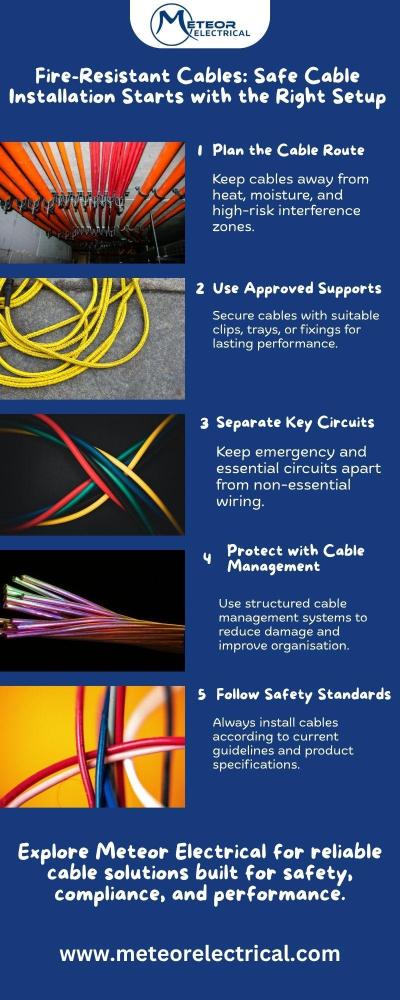
Proper installation ensures performance during emergencies. Focus on:
- Correct routing away from high‑risk interference zones
- Adequate support using approved clips or trays
- Separation from non‑essential circuits
- Protection within structured cable management systems
- Compliance with installation guidelines
Common Mistakes to Avoid
Even high‑quality cables can fail if installed poorly. Avoid:
- Using incorrect cable types for the application
- Poor termination or loose connections
- Overloading circuits
- Inadequate mechanical protection
- Ignoring manufacturer recommendations
Did You Know - Using the wrong cable type in a fire alarm system can cause system failure within minutes, even if the devices themselves are fully functional?
How to Buy Fire‑Resistant Electrical Cable Online - Smart Buying Tips
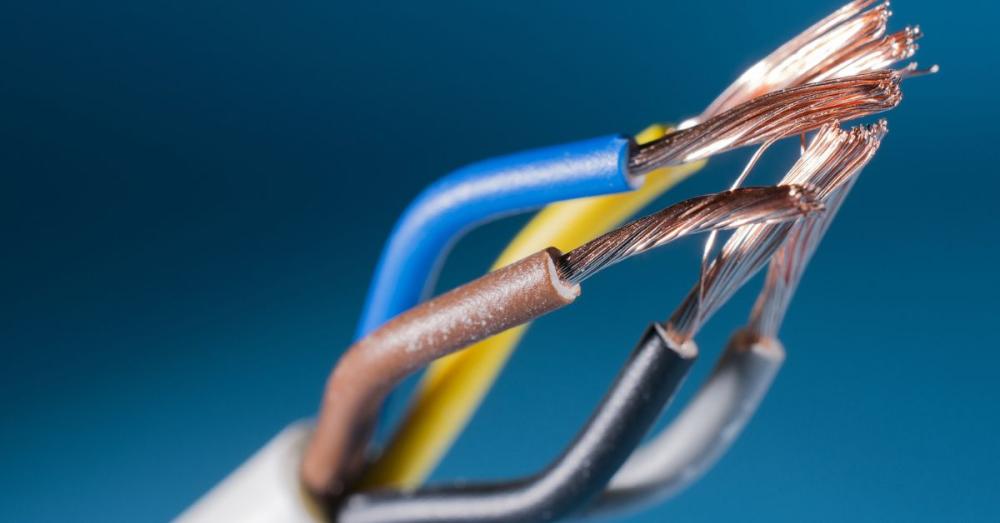
Key Factors to Evaluate Before Purchase
When planning to electrical cable buy online, focus on:
- Verified certifications and compliance
- Trusted manufacturers and product traceability
- Application suitability
- Fire rating and test standards
- Availability and delivery timelines
Comparing Products and Specifications
Not all cables are equal. Compare:
- Coil or reel length
- Fire resistance rating such as PH60 or PH120
- Flexibility and ease of installation
- Durability under mechanical stress
Buying online can be efficient, but only if you carefully review specifications and ensure compatibility with your project.
Best Performing Fire‑Resistant Cable Products for Reliable Installation
1. Detector Cable NHXMH (Coil 100 Meters)
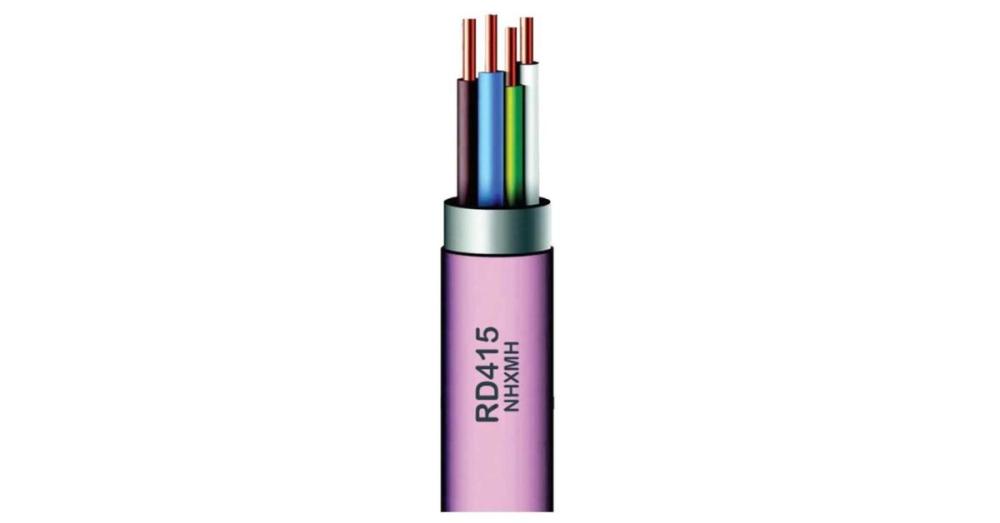
Designed for detection systems, this cable is ideal for residential smoke, heat and carbon monoxide detectors. Its distinctive pink sheath makes identification easy on site.
Key features:
- Suitable for detector systems
- Complies with ETCI regulations
- Clear core colour identification
- LSZH properties for safer installations
Shop Detector Cable NHXMH (Coil 100 Meters)
2. 2 Core+Earth 1.5mm Red Fire Resistant Cable (100m Reel)
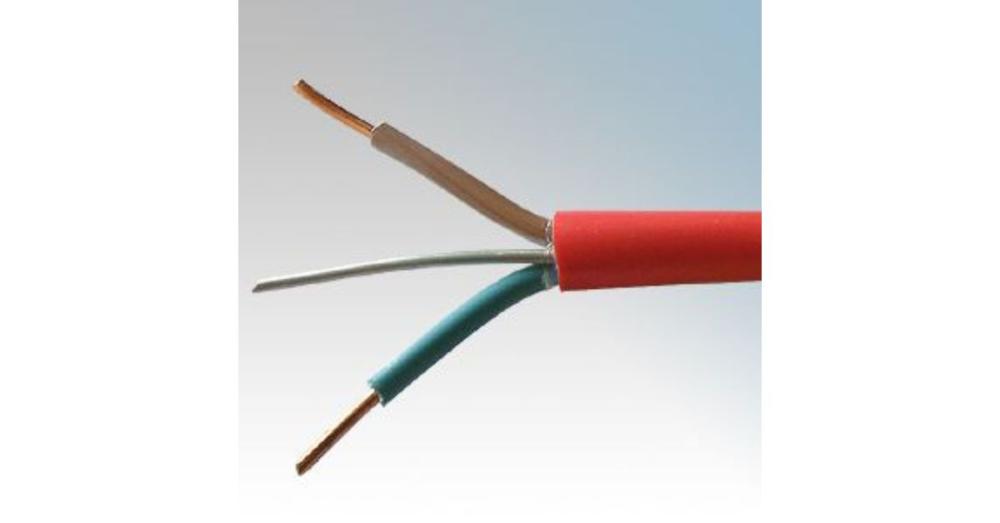
This reliable fire‑resistant cable is engineered for standard fire alarm and emergency systems. Built for durability and flexibility, it performs well in demanding environments.
Key features:
- BS EN50200 PH60 certified
- BS7629-1 and BS6387 compliant
- 100m wooden reel for easy handling
- Tested to 5000 volts
- Suitable for alarms and voice systems
Shop 2 Core+Earth 1.5mm Red Fire Resistant Cable
3. 2 Core+Earth 1.5mm Enhanced Fire Resistant Cable (100m Reel)
For higher‑risk installations, this enhanced cable offers extended fire survival. It is suitable for critical systems such as lifts and control rooms.
Key features:
- PH120 fire resistance rating
- BS5839 compliant
- High flexibility for installers
- 100m durable reel
- Tested to 5000 volts
Shop Enhanced Fire Resistant Cable
Key Takeaways
- Fire resistant cable is essential for life safety systems where power continuity during a fire is critical.
- Common applications include fire alarms, smoke detectors, emergency lighting, evacuation systems, and control circuits.
- Always check compliance with standards such as BS 7629-1, BS EN 50200, and BS 6387 before specifying a cable.
- Standard fire resistant cables are suitable for basic safety systems, while enhanced cables are better for high risk or critical installations.
- On site checks should include cable markings, correct routing, approved supports, proper termination, and suitable mechanical protection.
- When buying electrical cable online, review certifications, fire ratings, product specifications, and application suitability before ordering.
Conclusion - Choosing the Right Fire‑Resistant Cable for Safety and Compliance
Selecting the right fire‑resistant cable involves more than just picking a product. It requires understanding application needs, compliance standards, and correct installation practices. Pairing the right cable with effective cable management ensures long‑term safety and reliability.
If you plan to electrical cable buy online, prioritise certified products and detailed specifications to avoid costly mistakes. For a dependable range of high‑quality solutions, explore Meteor Electrical and find cables designed to meet modern safety standards.
Make the smart choice today and ensure every installation is built for safety, performance, and peace of mind.
FAQs About Fire‑Resistant Cables
1. What is the difference between fire‑resistant and flame‑retardant cable?
Fire‑resistant cables maintain circuit integrity during a fire, while flame‑retardant cables only slow the spread of flames.
2. When should I use enhanced fire‑resistant cable instead of standard?
Use enhanced cables in critical systems like evacuation routes, hospitals, and high‑risk buildings requiring longer fire survival times.
3. Can I use fire‑resistant cable for all electrical wiring?
No, they are designed for specific safety systems and may not be cost‑effective for general wiring.
4. What certifications should I check before buying electrical cable online?
Look for BS7629-1, BS EN 50200, and BS6387 to ensure compliance and performance.
5. How does proper cable management improve fire safety and performance?
It protects cables from damage, ensures correct routing, and maintains functionality during emergencies.