
Commercial LED Outdoor Lighting: Boost Safety, Efficiency and Kerb Appeal
Commercial LED Outdoor Lighting: Boost Safety, Efficiency and Kerb Appeal
First impressions matter, especially in commercial spaces. Whether you manage an office block, retail park, warehouse, hotel or industrial site, the right outdoor lighting does far more than brighten the exterior. It improves safety, supports security, strengthens brand presentation and helps reduce running costs.
That is why commercial LED outdoor lighting has become the preferred choice for modern businesses. Compared with older lighting technologies, LED solutions deliver reliable illumination, lower energy use and longer service life, making them a practical investment for electrical contractors, facilities managers and building owners alike.
If you are planning a new installation or upgrading an ageing system, here is what you need to know.
Why Commercial LED Outdoor Lighting Matters
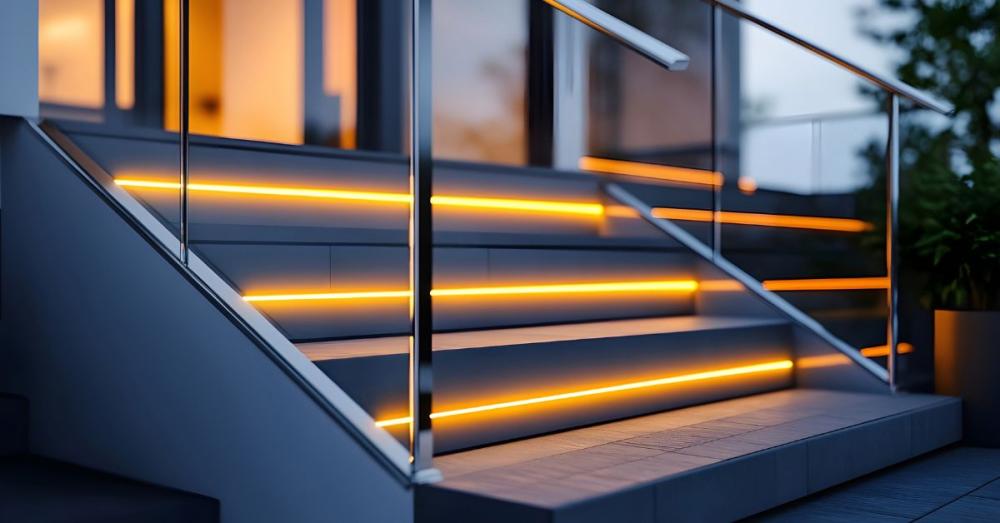
Commercial outdoor lighting plays a key role in how a property looks, feels and functions after dark. A poorly lit site can make entrances harder to navigate, leave car parks vulnerable and create an unwelcoming environment for visitors and staff.
Well-planned commercial exterior lighting helps you:
- Improve visibility around entrances, walkways and loading bays
- Reduce the risk of slips, trips and falls
- Deter trespassing and anti-social behaviour
- Highlight signage and architectural features
- Create a more professional, polished appearance
The goal is not to flood every area with harsh light. Good lighting design creates balance. It guides people, improves comfort and makes the site feel secure without causing glare or wasted energy.
Key Benefits of Commercial LED Outdoor Lighting
LED lighting stands out because it combines performance with efficiency. For most commercial properties, that means better results at a lower long-term cost.
The biggest benefits include:
- Lower energy consumption than traditional halogen or metal halide fittings
- Longer lifespan, which reduces maintenance and replacement frequency
- Instant full brightness with no warm-up delay
- Better light quality for clearer visibility outdoors
- Greater control through sensors, timers and photocells
- Strong durability for demanding external environments
For busy commercial sites, that combination matters. Less maintenance means fewer disruptions. Lower energy use helps control overheads. Better visibility improves both safety and kerb appeal.
Best Types of Commercial Outdoor Lighting
Choosing the best commercial outdoor lighting starts with understanding where and how each fitting will be used.
Bollard Lighting for Paths and Entrances

Bollard lighting is ideal for footpaths, entrances, landscaped areas and pedestrian zones. These fittings are designed to provide low-level directional light, helping people move safely around the site.
Modern LED bollard lighting is especially popular because it offers a clean, contemporary look and consumes far less energy than older discharge fittings. It is a strong option where appearance and guidance are equally important.
LED Flood Lights for Security and Large Areas
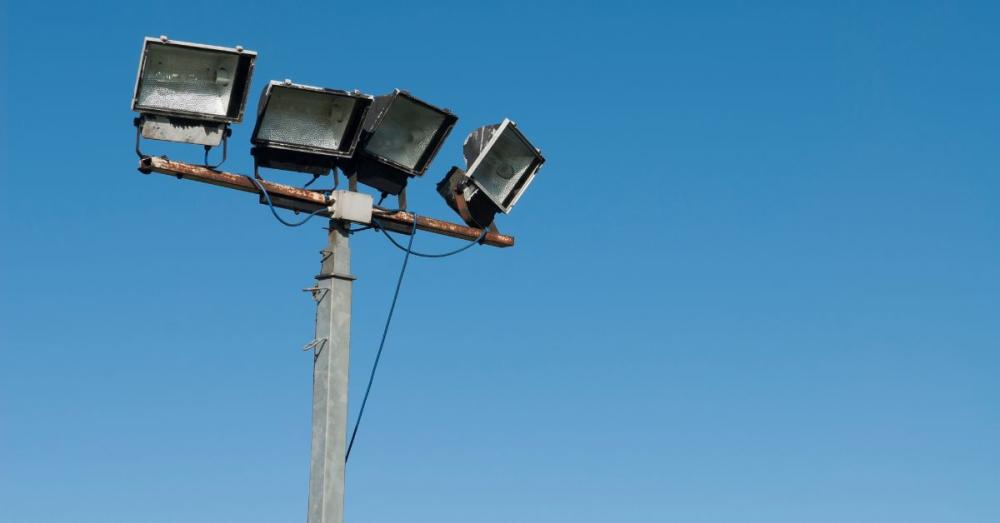
LED flood lights are one of the most effective solutions for illuminating wide open spaces such as car parks, service yards, perimeters and building exteriors. They deliver strong coverage and can be mounted on walls, poles or external structures.
For sites that need security lighting, floodlights are often the first choice. They reduce dark zones, improve CCTV visibility and help staff and visitors feel safer on arrival or departure.
Wall Lights and Ground Lights for Detail and Ambience

Wall-mounted fittings and recessed ground lights are useful when you want to add depth, highlight architectural features or improve visibility near doors, steps and facades.
These fittings work well in hospitality, retail and office environments where lighting needs to be practical but also visually refined. Used correctly, they can make the building exterior feel more premium and inviting.
Dusk to Dawn Lights and Motion Sensor Outdoor Lights
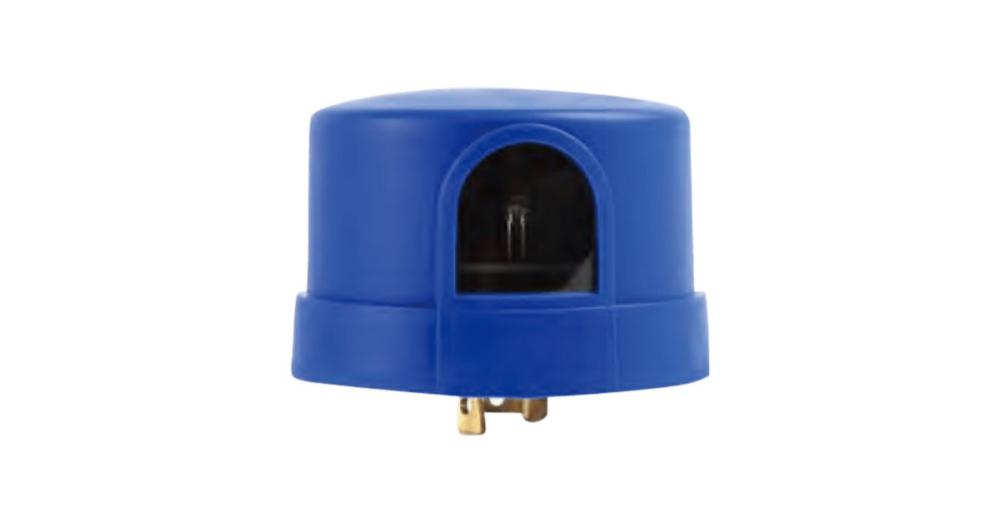
Dusk to dawn lights switch on automatically when ambient light levels fall, then switch off in daylight. They are ideal for areas that require dependable overnight illumination without manual control.
Motion sensor outdoor lights add another layer of efficiency. They activate only when movement is detected, making them especially useful for side access points, service routes and lower-traffic zones.
What IP Rating Do You Need for Outdoor Lighting?
When choosing IP rated outdoor lights, the fitting’s ingress protection rating is one of the most important details to check. Outdoor fittings must cope with dust, moisture and changing weather, so the correct rating helps protect both performance and lifespan.
An IP rating has two digits:
- The first digit shows protection against solids such as dust
- The second digit shows protection against moisture and water
For most commercial outdoor lighting applications:
- IP44 suits sheltered external areas with limited exposure
- IP65 is a strong all-round choice for many exposed outdoor locations
- IP66 offers higher protection where heavy rain or water jets are a concern
- IP67 or IP68 may be needed for specialist ground or water-adjacent applications
Always assess the installation environment, not just the fitting itself. A wall light beneath a canopy needs different protection from a floodlight exposed to driving rain in an open yard.
Did You Know: Many premature outdoor lighting failures are caused not by the lamp, but by poor weather protection or choosing the wrong IP rating for the location.
Microwave vs PIR: Which Motion Sensor Is Better?
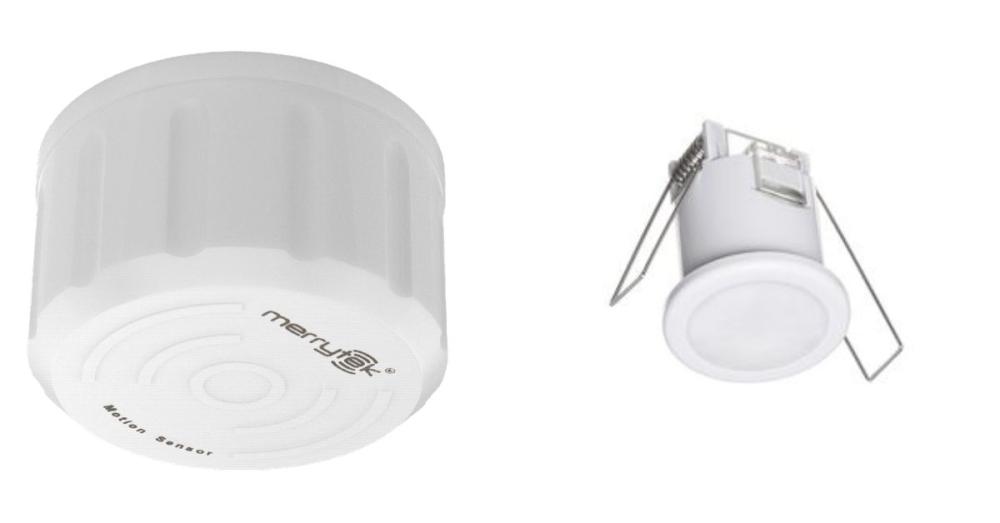
If you are selecting motion sensor outdoor lights, you will usually come across two common sensor types: microwave and PIR.
Microwave sensors detect movement by sending out high-frequency signals. They typically offer wider coverage and can perform well in larger commercial spaces. This makes them useful for warehouses, yards and complex outdoor layouts.
PIR sensors detect heat changes from people or vehicles moving within range. They are often more straightforward and cost-effective, especially for smaller areas such as entrances and walkways.
In simple terms:
- Choose microwave sensors for broader detection and more demanding layouts
- Choose PIR sensors for straightforward applications and targeted coverage
The right choice depends on site conditions, traffic patterns and the level of control you need.
How to Choose the Best Commercial Outdoor Lighting
A successful lighting scheme should balance performance, cost, durability and design. Before buying, focus on these essentials.
1. Start with the Site Layout
Map the areas that need lighting first, such as entrances, walkways, car parks, loading areas and signage. This makes it easier to match the correct fitting to the task.
2. Prioritise Lumens, Not Just Watts
Brightness should be measured by lumen output, not just wattage. This helps you compare products accurately and avoid under-lighting or over-lighting the space.
3. Check Colour Temperature
Cooler white light often works well for security and functional areas because it improves visibility. Warmer tones may suit hospitality, leisure or customer-facing zones where a softer appearance is preferred.
4. Plan for Efficiency and Maintenance
Look for commercial LED outdoor lighting with long life expectancy, robust housing and compatibility with photocells or sensor controls. This can significantly reduce maintenance demands over time.
For example, a retail park might use bollard lighting along pedestrian routes, LED flood lights in the car park and dusk to dawn lights around delivery areas. That layered approach improves both usability and visual consistency.
Source - Flannel Guy DIY
Conclusion
The right outdoor lighting does more than brighten a building. It protects people, reduces costs and strengthens the image of your business. If you are looking for high-quality commercial LED outdoor lighting, Meteor Electrical is a leading wholesale electrical supplier serving electrical contractors and facilities managers across the UK and Europe.
Explore the latest lighting solutions and upgrade your site with dependable products, expert support and standout value!
Key Takeaways
- Commercial LED outdoor lighting improves safety, security and site presentation.
- LED fittings help cut energy costs and reduce maintenance requirements.
- Different spaces need different solutions, from bollard lighting to LED flood lights.
- IP ratings are essential for choosing fittings that can withstand outdoor conditions.
- Motion sensors and dusk to dawn lights add control and improve efficiency.
- A well-planned lighting scheme supports both function and kerb appeal.
FAQs
What is commercial LED outdoor lighting?
Commercial LED outdoor lighting refers to external lighting systems designed for business properties such as offices, warehouses, retail spaces and public-facing buildings. These fittings are built for durability, efficiency and dependable performance.
Why is LED better than metal halide for outdoor lighting?
LED lighting uses less energy, lasts longer, reaches full brightness instantly and requires less maintenance. It also avoids the warm-up time and frequent relamping associated with metal halide fittings.
What is the best IP rating for outdoor lights?
It depends on the location. IP65IP65IP65 is a common choice for many exposed outdoor areas, while more demanding environments may require IP66IP66IP66, IP67IP67IP67 or higher.
Are motion sensor outdoor lights good for commercial properties?
Yes. They improve security, reduce unnecessary energy use and provide light only when movement is detected, which is ideal for entrances, side access points and quieter zones.
Where should bollard lighting be used?
Bollard lighting is best for pathways, entrance routes, landscaped areas and pedestrian walkways. It provides low-level guidance and helps create a safer, more attractive exterior.
Are dusk to dawn lights energy efficient?
Yes. Dusk to dawn lights operate only when natural light levels drop, so they help avoid wasted energy while keeping the site consistently illuminated.
How bright should commercial outdoor lighting be?
The required brightness depends on the application. Car parks, perimeters and security areas usually need higher lumen output than pathways, decorative zones or entrances.
How do I choose the best commercial outdoor lighting for my site?
Start with the purpose of each area, then consider fitting type, lumen output, IP rating, sensor controls, maintenance needs and overall appearance. A layered plan usually delivers the best results.