
Commercial EV Charging Buying Guide: Multi‑Charger Layouts and Load Management Basics
Commercial EV Charging Buying Guide: Multi‑Charger Layouts and Load Management Basics
The transition to electric vehicles (EVs) is no longer a futuristic concept. It is a daily reality that is actively transforming commercial car parks, workplaces, and retail centres across the globe. While installing a single home charging unit is relatively straightforward, scaling up commercial EV chargers presents some highly complex challenges. Facilities managers and electricians must carefully navigate intricate power distribution requirements, budget constraints, and tricky site layouts.
In this commercial EV charger buying guide, we will walk you through the absolute fundamentals of designing multi-charger layouts, understanding smart load management, and selecting the right hardware.
Why Commercial Sites Need a Strategic EV Charging Plan
Meeting Growing Driver Demand
Offering reliable and accessible workplace EV charging helps attract high-value customers to retail locations and supports essential employee fleets. Crucially, a robust charging setup also helps forward-thinking businesses meet increasingly stringent ESG (Environmental, Social, and Governance) targets.
The Risks of Poor Electrical Planning
Ignoring your site's electrical capacity comes with expensive consequences. Overloaded circuits and nuisance tripping will quickly frustrate users and create a maintenance nightmare. Worse still, poor planning might result in surprise upgrade fees from your local Distribution Network Operator (DNO).
Future-Proofing Your Premises
You need to design a scalable "day-one" system. Establishing a solid EV charging infrastructure from the start allows you to easily add more charging points as electric vehicle adoption continues to climb over the next decade.
Source - Strong Energy EV Charging
Designing Multi-Charger Layouts and Cable Routes
Wall-Mounted vs. Pedestal Installations
Choosing the right physical setup largely depends on your specific parking layout. Utilising perimeter walls for a commercial EV charger helps save significantly on expensive trenching and groundwork costs. Conversely, installing robust ground-mounted pedestals is usually necessary for open-bay parking structures where walls are out of reach.
Daisy-Chaining and Power Distribution
Electricians must follow strict best practices when running cables and sizing sub-mains. Setting up dedicated commercial TP&N (Three-Phase and Neutral) distribution boards is essential. This ensures you can serve a cluster of electric vehicle charging stations safely and efficiently without risking thermal damage to the wiring.
Optimising Bay Accessibility
Charger placement must comfortably accommodate various EV models with differing charging port locations. Furthermore, all physical installations must strictly comply with UK and Ireland disabled access regulations to ensure fair and safe usage for everyone.
The Basics of EV Dynamic Load Management (DLM)
What is Dynamic Load Management?
Dynamic Load Management involves smart technology that actively monitors a building's overall power consumption. It then automatically adjusts the electrical energy distributed to the EV chargers in real time to prevent dangerous overloads.
Did You Know - Integrating dynamic load management can allow you to safely install up to four times as many charge points on your existing power supply compared to a standard unmanaged setup?
Static vs. Dynamic Load Balancing
- Static: This traditional method involves splitting a fixed maximum electrical capacity equally among all active chargers, regardless of what the main building is doing.
- Dynamic: This method adjusts output based on the building's fluctuating live electrical demand. For example, it will lower EV charge rates when the building's HVAC system spikes. This ensures the main incoming supply is never compromised.
Bypassing Costly Grid Upgrades
Implementing software-led load management is often significantly cheaper than paying the local DNO for a massive and highly disruptive power supply upgrade. It is the smartest way to maximise your existing electrical headroom.
Key Features to Look for in Commercial EV Hardware
OCPP Compliance and Smart Billing
The Open Charge Point Protocol (OCPP) is critical for any commercial success. It allows you to seamlessly integrate third-party software, set specific user tariffs, and manage access securely via RFID cards or mobile apps.
Durability and Ingress Protection
A reliable commercial EV charger UK setup requires high IP ratings, typically IP44 or IP54 and above. Robust exterior materials like marine-grade aluminium are absolutely necessary to withstand heavy public use, potential vandalism, and harsh winter weather conditions.
Phase Availability: Single-Phase vs. Three-Phase
You must match the charger output (such as standard 7.4kW versus rapid 22kW) to the site's power supply capabilities and the expected dwell time of the vehicles. For instance, commercial fleet charging solutions often require faster three-phase power because the vehicles are constantly on the move.
Top Commercial EV Chargers for Multi-Unit Installations
1. 7.4KW Charger T2 Socket Outlet EV Car Charger GARO
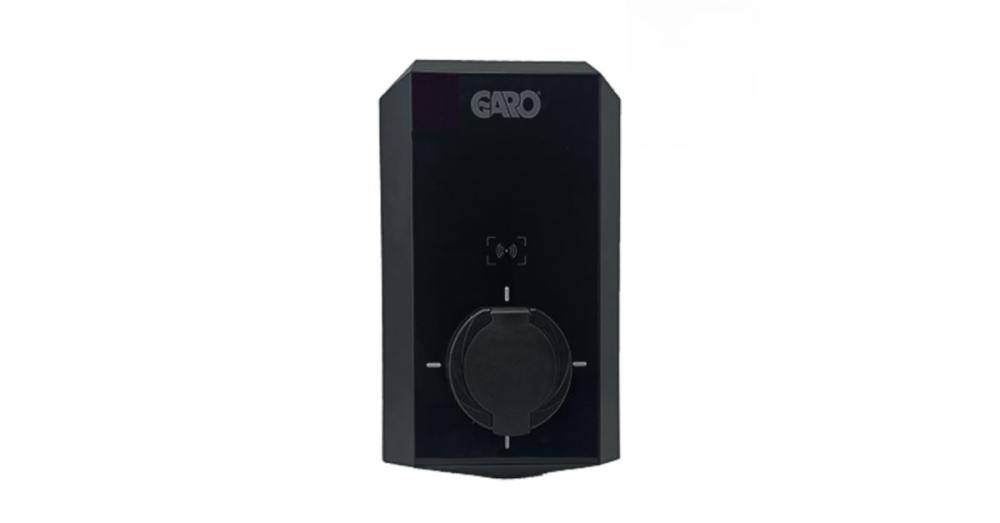
Charging your fleet or staff vehicles is made beautifully simple with this smart unit. Users can effortlessly choose between Plug & Charge, Eco Solar, or Scheduled Charging via the intuitive Garo app. Engineered for straightforward installation, it provides full charging history, fault alerts, and multi-user access management.
- Output Power: Adjustable 3.7kW or 7.4kW (230V AC, 50Hz)
- Smart App Control: Manage scheduling, monitor usage, and control user access easily
- Built-In Protections: AC 30mA and DC 6mA leakage, plus PEN fault detection
- Weatherproof Design: IP54 rated for robust outdoor commercial installation
Shop 7.4KW Charger T2 Socket Outlet EV Car Charger GARO
2. Entity 7.4kW Socket Charger + LM 60A GARO
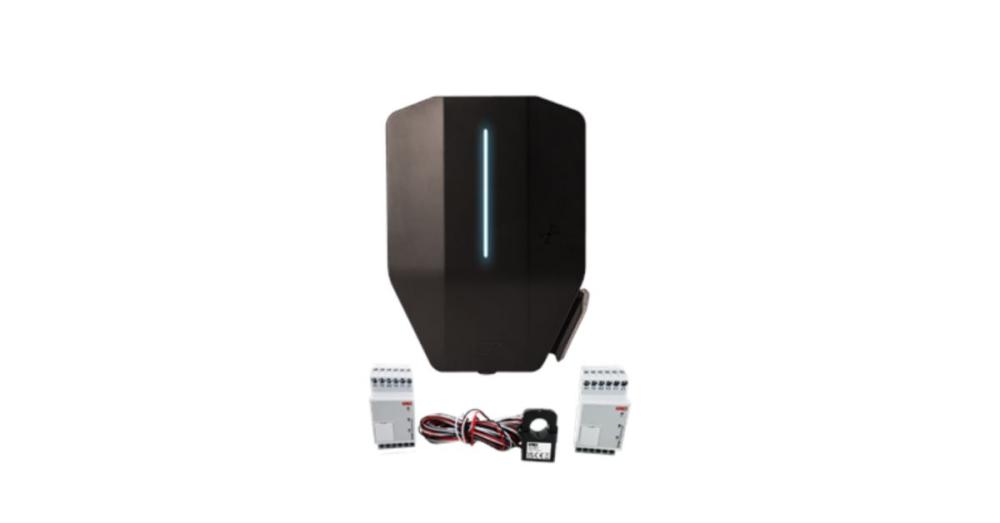
These Entity EV Chargers are suitable for both domestic and heavy workplace applications. They come equipped with a smart bracket for fast and easy commercial installation. Fully third-party certified (TUV), this robust commercial EV charger guarantees peace of mind with a solid two-year warranty.
- Movable Socket: Flexible left or right positioning
- Connectivity: RFID, 4G, Wifi, and LAN with a 2-year SIM included
- Load Management: Standard with optional sensor required for dynamic balancing
- Safety Standards: Compliant with EN 61851-1, IEC 61439-7, and ISO 15118
Shop Entity 7.4kW Socket Charger + LM 60A GARO
3. 7.4KW Charger 7.5 meter lead EV Car Charger GARO

This sleek and future-ready unit is built for reliability, energy efficiency, and ease of use. It is renewable energy ready, making it perfect for commercial solar PV setups. With secure RFID access for multi-user environments, it is a brilliant choice for modern workplaces.
- Tethered Convenience: Features a 7.5m tethered Type 2 lead for quick plug-in use
- Solar Load Management: Optimise your charging with on-site solar generation
- OCPP 1.6 Compliant: Ready for seamless third-party software integrations
- Operating Temperature: Works flawlessly in extremes from -25°C to +40°C
Shop 7.4KW Charger 7.5 meter lead EV Car Charger GARO
4. LS4 2 x 22Kw Outlets Metered, LAN EV Ground Mounted Charger GARO
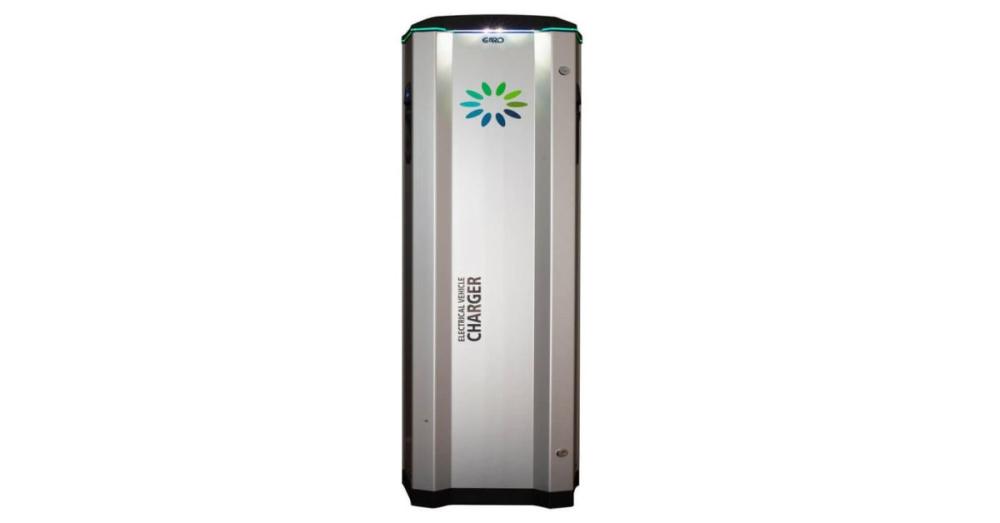
Designed specifically to suit demanding commercial environments like retail parks, supermarkets, and bus stations. The LS4 is constructed from heavy-duty aluminium to provide the structural strength that public infrastructure demands. Its clever design even allows it to be bolted straight onto concrete.
- Maximum Power: Massive 22kW output per socket for rapid turnaround times
- Remote Management: Network and manage up to 32 devices simultaneously
- User-Friendly: Simple Plug & Play installation with Mode 3 connectors
- Visibility: Features 360-degree top indicators visible from afar in busy car parks
Shop LS4 2 x 22Kw Outlets Metered, LAN EV Ground Mounted Charger GARO
Key Takeaways
- Assess site electrical capacity first: Check available power before installing multiple EV chargers to avoid overloads and costly upgrades.
- Plan layouts for future expansion: Choose wall-mounted or pedestal chargers based on parking layout, cable routes, accessibility, and scalability.
- Use dynamic load management: DLM adjusts charging power based on real-time building demand, helping prevent overloads and support more chargers.
- Choose smart commercial-grade hardware: Prioritise OCPP compatibility, RFID or app access, strong IP ratings, built-in protection, and reliable connectivity.
- Match charger power to dwell time: 7.4kW chargers suit longer stays, while 22kW units are better for fleets and faster turnaround.
- Future-proof the infrastructure: Scalable cabling, distribution boards, load management, and compatible hardware make future expansion easier and more cost-effective.
Conclusion
Building a safe and highly scalable commercial EV infrastructure takes careful planning. You must choose the correct physical layout, implement intelligent dynamic load management, and install hardware tough enough to survive the public domain. Getting these elements right early on will save you countless headaches and thousands of pounds down the road.
If you are ready to start planning, partner with Meteor Electrical for your next installation project. With an extensive, in-stock range of hardware and trade-trusted expertise, Meteor Electrical is the ultimate online wholesale partner for electricians and facilities managers powering tomorrow's transport network. Secure the best commercial EV charger UK hardware and get rapid delivery direct to your site.
Shop the full range of EV Chargers online today at Meteor Electrical!
Frequently Asked Questions (FAQs) About Commercial EV Charging
1) How many EV chargers can I install on a standard commercial supply?
It depends on your building's existing maximum demand, but by utilising Dynamic Load Management, you can safely install significantly more chargers than your raw spare capacity would traditionally allow.
2) Do I need to notify my DNO before installing a multi-charger EV system?
Yes, in most commercial scenarios involving multiple chargers or three-phase units, you must apply to your Distribution Network Operator for permission before installation to ensure grid stability.
3) What is the difference between active and static load management?
Static management strictly caps chargers at an unmoving power limit, whereas active management reads the live power usage of the entire building and diverts all available spare power to the vehicles moment by moment.
4) Can I charge users for electricity at my workplace EV charging points?
Yes, provided your hardware is OCPP-compliant, which allows you to connect to back-office software to set specific tariffs, monetise the units, or offer free charging exclusively via employee RFID cards.
5) Are untethered (socket-only) chargers better for public commercial spaces?
Generally yes, because untethered universal Type 2 sockets are much less prone to vandalism, prevent cables from being run over by vehicles, and allow any EV to plug in using their own lead.