
Best EV Chargers for Home in the UK: What to Look for Before You Buy
Best EV Chargers for Home in the UK: What to Look for Before You Buy
With the rapid adoption of electric vehicles across the country, upgrading domestic charging infrastructure has never been more critical. However, with the market flooded with options, choosing the right hardware can feel overwhelming for homeowners and installers alike. For electrical contractors and facilities managers outfitting residential properties, recommending the right EV charger setup requires balancing charging speed, aesthetic preferences, smart features, and installation complexity.
This comprehensive home EV charger buying guide breaks down the essential factors you need to consider before making a purchase. From understanding power outputs to choosing between cable types — we ensure you can select and install the most efficient, future-proof home EV charger for any property.
Understanding Charging Speeds — Why 7.4kW is the Standard for UK Homes
Single-Phase vs. Three-Phase Electricity in Domestic Properties
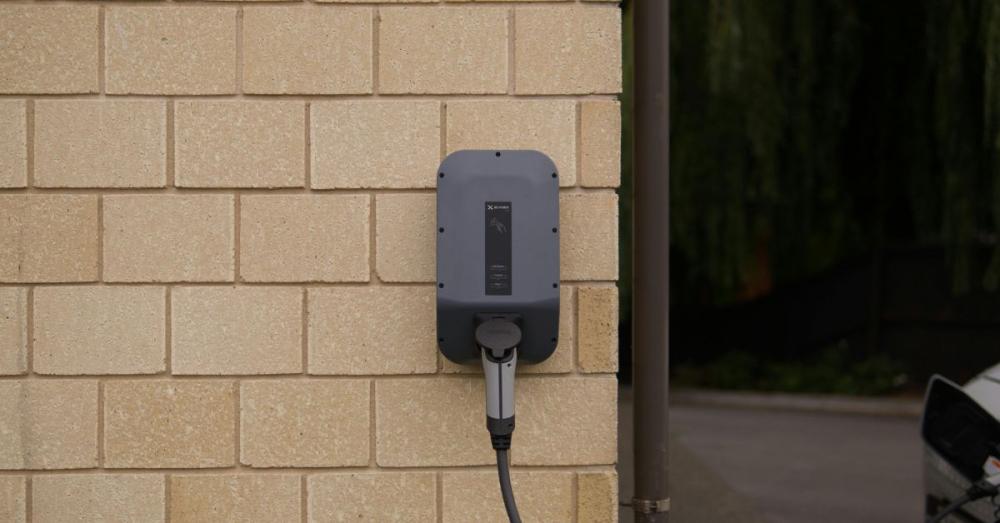
When assessing a property for an electric vehicle charging point, you will find that the vast majority of UK residential homes run on a standard single-phase power supply. This electrical configuration safely supports a maximum charging rate of 7.4kW. While ultra-fast 22kW systems exist, upgrading to a three-phase supply is often unnecessary and highly expensive for a standard home.
Sticking with a robust 7.4kW unit provides more than enough power for daily driving needs without requiring costly grid upgrades or disruptive groundwork.
AC vs. DC Charging — What You Need to Know for Home Use
It is helpful to know that domestic EV chargers use AC (Alternating Current) power. The car's onboard converter then cleverly turns this into DC (Direct Current) to store within the battery cells. A 7.4kW fast AC unit hits the sweet spot for a typical home EV charger UK installation. It provides roughly 25 to 30 miles of range per hour of charging.
This steady output makes it absolutely perfect for overnight top-ups, ensuring the vehicle is fully ready for the morning commute.
Tethered vs. Untethered EV Chargers — Which Setup is Best?
The Convenience of Tethered EV Chargers
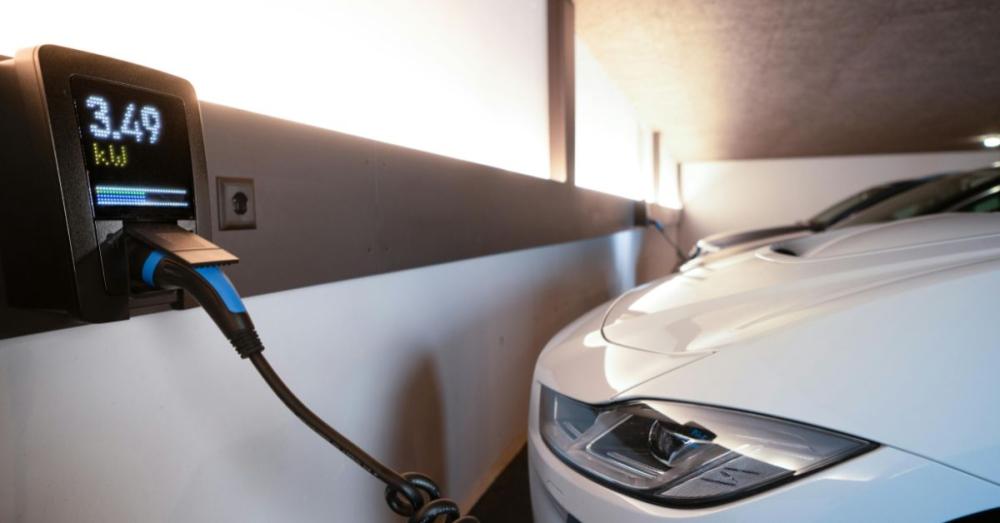
A tethered unit comes with a permanently attached cable. This offers immediate convenience, preventing users from having to pull a heavy lead out of their boot every single day. If the homeowner has a dedicated garage or a highly fixed parking routine, a tethered home EV charger is usually heavily preferred. You simply pull up the car, plug the connector in, and walk away. It is a seamless experience that mirrors traditional refuelling.
The Flexibility and Clean Look of Untethered EV Chargers
On the flip side, untethered chargers are socket-only units. These are ideal for homeowners who prefer a sleek, minimalist look on their property exterior when the unit is not in use. Furthermore, for properties where multiple EV models might share the same charging bay, an untethered setup provides maximum flexibility. Each driver can simply plug in their own specific cable, making it a highly versatile domestic EV installation choice.
Key Smart Features to Future-Proof Your Home EV Charger
Dynamic Load Management for Electrical Safety
Modern smart charging features are incredibly intelligent. Built-in dynamic load management protects a home's main fuse by actively monitoring the property's total electrical draw. It automatically reduces the EV charging rate when high-energy appliances like electric showers or ovens are in use.
Did You Know - Without dynamic load management, charging your car while cooking a Sunday roast could potentially overload your main fuse and plunge the entire house into darkness? This clever technology keeps the home safe and the power flowing.
Solar PV Integration and Off-Peak Tariff Scheduling
Wi-Fi and LAN connectivity are now essential components of any modern installation. Smart chargers allow users to integrate their charging with home Solar PV systems seamlessly. By using dedicated mobile apps, homeowners can schedule charging sessions during off-peak, cheaper energy tariffs to maximise cost-efficiency.
This not only lowers household energy bills but also lessens the strain on the national grid during peak hours.
Installation and Placement Considerations for Electricians
Choosing Between Wall-Mounted and Pedestal Configurations
Thorough site surveying is a crucial step for any contractor. Wall-mounted units are best for near-wall driveways and garages to keep cable management tidy and unobtrusive. However, pedestal units are better suited for open driveways or shared residential parking bays where a solid structural wall simply is not accessible. Assessing the daily walking routes of the homeowners will help determine the safest spot to avoid trip hazards.
Navigating UK Wiring Regulations and Safety Protections
Installers must strictly navigate UK wiring regulations to guarantee client safety. You need to ensure the selected hardware has built-in PEN fault detection, which cleverly eliminates the need to install an ugly earth rod in the customer's garden.
Additionally, having integrated RCD protection is vital to meet strict UK electrical safety compliance, safeguarding users against potential electric shocks.
Source - eFIXX
Key Takeaways
- 7.4kW EV chargers are the standard choice for most UK homes, offering efficient overnight charging without requiring an expensive three-phase electricity upgrade.
- Tethered chargers offer greater everyday convenience, while untethered chargers provide a cleaner appearance and more flexibility for households using different EV models.
- Smart charging features matter when future-proofing your installation, especially app control, Wi-Fi connectivity, off-peak scheduling and real-time energy monitoring.
- Dynamic load management helps protect the home's electrical supply by automatically adjusting EV charging when other high-energy appliances are being used.
- Solar PV integration can reduce charging costs by allowing compatible home EV chargers to use electricity generated by residential solar panels.
- Always consider installation requirements and built-in safety protection, including PEN fault detection, RCD protection, suitable weatherproof ratings and compliance with UK electrical regulations.
Discover Top Picks — Best EV Chargers for Home in the UK
Let us dive into some of the top-performing models that make excellent choices for any modern home:
1. Wall Charger 2 7.4kW Tethered w/ Wi-Fi and LAN BG SyncEV
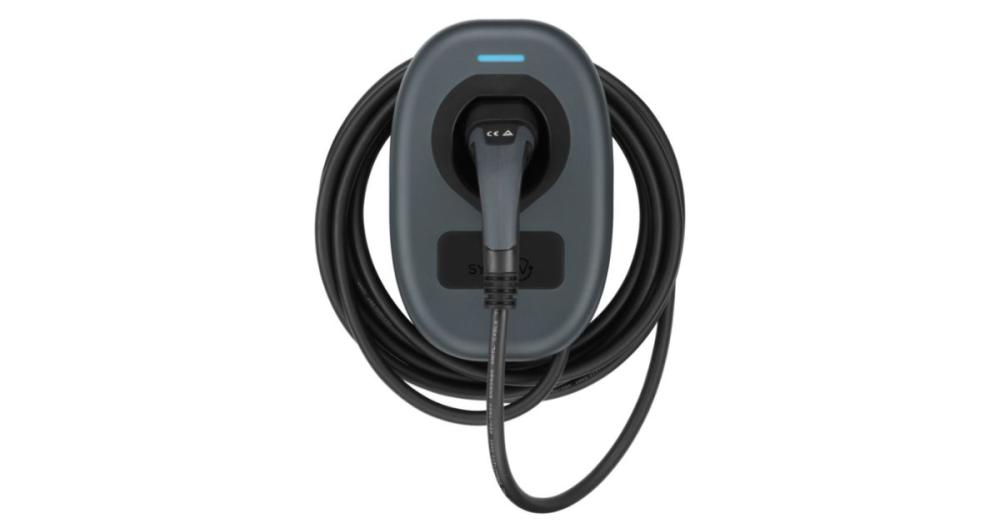
This premium tethered EV charger features advanced overcurrent and fault protection along with an in-built earth disconnection system. Because an earth rod is not required for installation, contractors save valuable time on site while delivering a sleek, solar-ready solution for homeowners.
- Integrated solar charge enables charging directly from your solar panels
- 7.5 metre attached cable with a durable Type 2 connector
- Integral RCD with 30mA AC and 6mA DC detection
- Wi-Fi and Ethernet connectivity included as standard
- IP55 weatherproof rating for safe outdoor use
Shop Wall Charger 2 7.4kW Tethered w/ Wi-Fi and LAN BG SyncEV
2. 7.4KW Charger T2 Socket Outlet EV Car Charger GARO
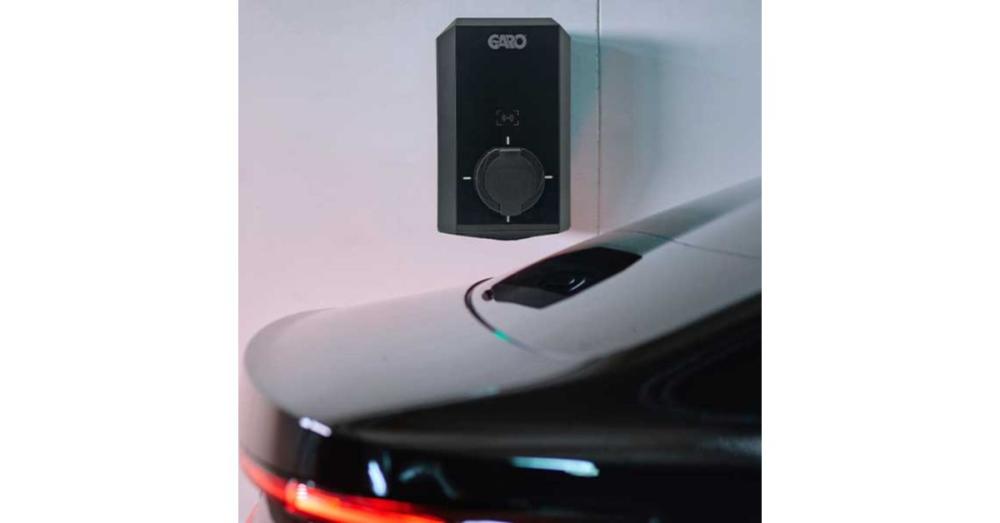
Future-proof your charging setup with this sleek, wall-mounted unit designed for ultimate reliability. It offers seamless integration with solar PV systems and features dynamic load management, making it an incredibly safe and smart home EV charger UK solution for both residential and light commercial use.
- Dynamic Load Management intelligently balances your home’s power use
- Solar PV Ready to maximise renewable energy with an eco solar charging mode
- Smart App Control for scheduling, monitoring, and real-time charging insights
- Built-In Protections including PEN fault detection and leakage safeguards
- IP54 rated design suitable for durable, long-lasting outdoor installation
Shop 7.4KW Charger T2 Socket Outlet EV Car Charger GARO
3. 7.4KW Charger 7.5 meter lead EV Car Charger GARO
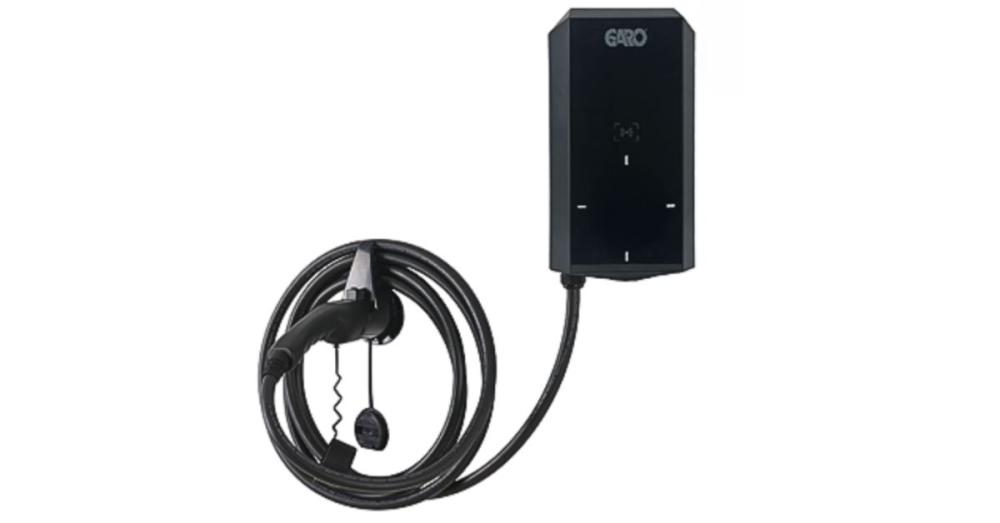
This renewable energy-ready charger is built for efficiency and ease of use, making it a top choice for properties across the country. With effortless installation, comprehensive app controls, and robust fault alerts, it delivers a premium charging experience right to the homeowner's driveway.
- 7.5m tethered Type 2 lead for convenient, everyday plug-in use
- Solar load management to optimise charging with solar generation
- Dynamic Load Management prevents overload on your electrical supply
- WiFi and Ethernet connectivity for real-time monitoring and updates
- PEN fault protection alongside comprehensive overcurrent safeguards
Shop 7.4KW Charger 7.5 meter lead EV Car Charger GARO
4. Entity 7.4kW Socket Charger + LM 60A GARO
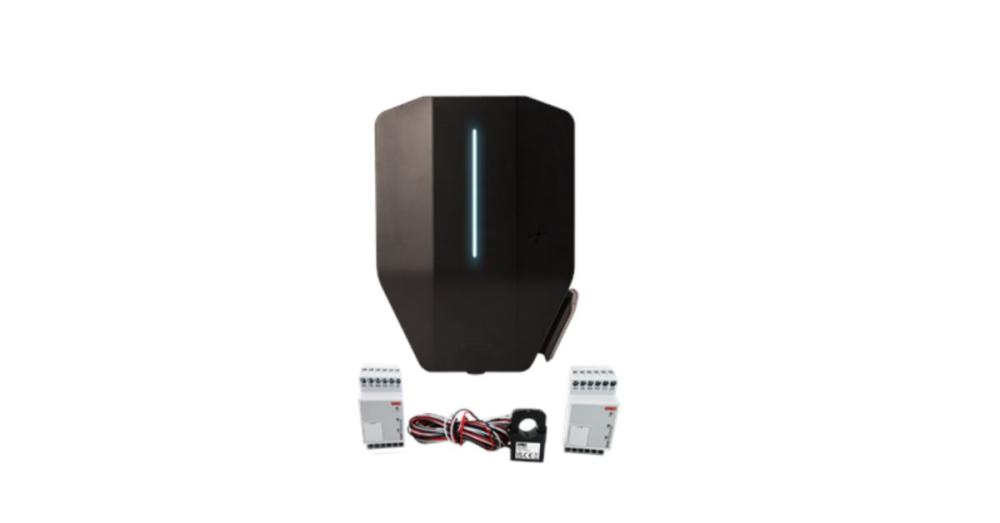
Part of the cutting-edge Entity range, this socket charger is highly versatile for both domestic homes and workplace applications. It arrives with a smart bracket for fast installation and boasts full third-party TUV certification, ensuring top-tier safety, performance, and peace of mind.
- Movable Socket that can be conveniently positioned on the left or right
- Load Management included as standard (with optional sensor required)
- App compatibility for easy monitoring, scheduling, and controlling
- AC and DC leakage protection built directly into the unit
- Compliant with strict EN 61851-1 and IEC 61439-7 industry standards
Shop Entity 7.4kW Socket Charger + LM 60A GARO
Conclusion — Power Up Your Projects with the Right EV Charger
Selecting the perfect home EV charger ultimately comes down to matching a reliable 7.4kW single-phase output with the homeowner's specific lifestyle needs. Whether they prioritise tethered convenience or untethered aesthetic flexibility, ensuring smart capabilities are present is absolutely key. By understanding dynamic load management and solar integration, you can successfully future-proof any property.
Meteor Electrical is a leading wholesale electrical supplier for the UK and European markets, dedicated to serving electrical contractors and facilities managers. Discover trade-trusted brands, competitive pricing, and rapid delivery for your next project.
Shop the full range of Home EV Chargers at Meteor Electrical today!
Frequently Asked Questions (FAQs) About Home EV Chargers
1) What is the main difference between a tethered and untethered EV charger?
A tethered charger has a permanently attached cable for instant plug-in convenience, whereas an untethered unit is socket-only, requiring you to use a separate cable for a cleaner exterior look.
2) Do I need a three-phase power supply to install a home EV charger?
No, a standard single-phase household electrical supply is perfectly sufficient to run a fast 7.4kW charger efficiently without requiring grid upgrades.
3) How long does a 7.4kW EV charger take to fully charge a car?
Typically, a 7.4kW unit adds around 25 to 30 miles of range per hour, meaning most standard electric vehicles achieve a full charge overnight in roughly 6 to 8 hours.
4) Are smart EV chargers mandatory for home installations in the UK?
Yes, under recent government regulations, all new private charge points must feature smart functionality to help balance the national grid demand during peak hours.
5) Can I install an EV charger outside if I don't have a garage?
Absolutely. Modern chargers possess high weatherproof IP ratings (such as IP54 or IP55), ensuring they are completely safe to install on external walls or open driveway pedestals.