
What Are Semiconductor Protection Fuses and Why Are They Essential for Modern Electrical Systems?
What Are Semiconductor Protection Fuses and Why Are They Essential for Modern Electrical Systems?
Here is something most people do not think about until it is too late. When a fault hits a modern electrical system, it does not wait. The components inside can be wiped out in the time it takes to blink. Semiconductor protection fuses are built for exactly that moment. They respond faster than any standard fuse can, cutting off the damage before it spreads. This blog covers what they are, how they work, what to look for when buying one, and why using the wrong fuse is a risk not worth taking.
What Is a Semiconductor Protection Fuse?
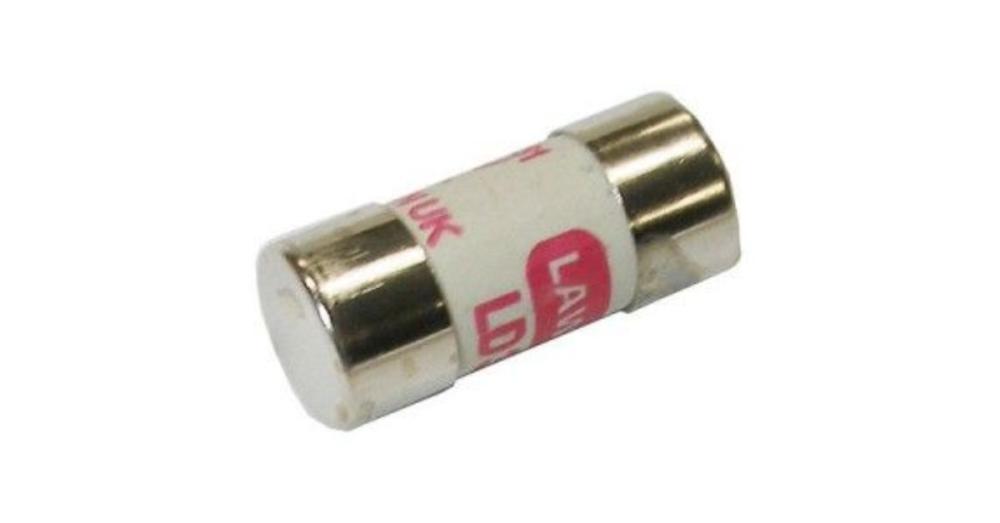
A semiconductor protection fuse is a specialist overcurrent protection device designed to safeguard solid-state components. It cuts off fault current at extreme speed, keeping the heat and electrical stress away from the component before any lasting damage can occur. Think of it as a bodyguard that reacts before a threat can land.
Why Do Semiconductor Devices Need Special Protection?
Standard electrical equipment can absorb a fair amount of punishment before giving up. Semiconductor components cannot. Their heat tolerance is very narrow, and damage tends to be permanent. Here is what makes each type so vulnerable:
- Diodes have very little thermal mass. A brief overcurrent spike is enough to cause junction failure, and once that happens, the component is gone for good.
- Thyristors are used in motor drives and power conversion. They cannot handle current surges that push past their rated limits without running into thermal runaway.
- IGBTs power variable speed drives and inverters. Their internal gate structure is especially sensitive to high-energy transients that a standard fuse will not interrupt fast enough to stop.
- Power Modules hold multiple semiconductor elements in one unit. One internal fault can cascade across the whole module within microseconds.
The fault types that cause the most harm are short circuits, which send current surging before a conventional fuse can even react, overcurrent events, which slowly degrade the junction over time, and high-energy electrical faults from sources like large capacitor banks, which release far more energy than these components can handle.
Source - GD Rectifiers Ltd
How Does a Semiconductor Protection Fuse Work?

It starts with a fusible element that melts when the current climbs too high. That is the same basic idea as any fuse. What is different here is how fast and how precisely that happens, all to keep the I²t (let-through energy) as low as possible.
- Current sensing: The element tracks current flow and begins heating the moment it rises past the rated threshold.
- Ultra-fast arc interruption: When the element melts, the arc is quenched almost instantly by a silica sand fill inside the fuse body.
- Current limitation: The fuse acts before the fault current peaks, keeping the energy passed to the component well within a safe range.
- Arc voltage management: The clearing process produces a controlled arc voltage so the component is not hit with an overvoltage spike during interruption.
- Indicator function: Most of these fuses include a striker pin that activates on operation, so you can see at a glance that a fault has occurred.
What Makes Semiconductor Protection Fuses Different From Standard Fuses?
This is where most people get caught out. The two look similar, but they are not interchangeable.
Semiconductor Protection Fuses are built for solid-state electronics where speed is everything.
- React within microseconds, well before junction temperatures reach damaging levels.
- Carry a low I²t value that limits energy passed to the protected device.
- Use high-purity silica sand fill for rapid arc extinction.
- Rated for industrial drive and converter applications
- Precisely coordinated to the thermal limits of the protected component
Standard Fuses are built for cables and general electrical equipment in homes and commercial buildings.
- React more slowly, fine for cables and motors, but not for semiconductor junctions
- Allow much higher I²t values, enough to destroy solid-state devices before clearing
- Not designed for semiconductor coordination
- Suited to household and general installations only
- Fault current can reach its peak before the fuse even fully operates
What Are the Key Features of Semiconductor Protection Fuses?
Knowing what to look for makes selection much easier. These are the five features that define a good semiconductor protection fuse:
- Ultra-fast fault interruption stops fault current in microseconds, before semiconductor junctions are exposed to damaging heat levels.
- A low I²t value ensures minimal energy is passed to the protected component during a fault, which is the single most important factor in avoiding destruction.
- High breaking capacity means the fuse can safely interrupt very high prospective fault currents without being overwhelmed by the energy involved.
- Low power loss keeps internal resistance minimal during normal operation, reducing heat build-up and supporting the efficiency of the wider system.
- Reliable performance under high electrical loads means these fuses hold up consistently in high temperature environments, under heavy current, and where vibration or transients are present.
Types of Available Semiconductor Protection Fuses
Not every job calls for the same fuse. From domestic consumer units to heavy industrial boards, the range is wide. Meteor Electrical stocks products across that full range. Here are five worth knowing about:
1. Lucy Zodion Titan Single Fuse Cut Out with Brass Plate (2 x 20mm Holes):
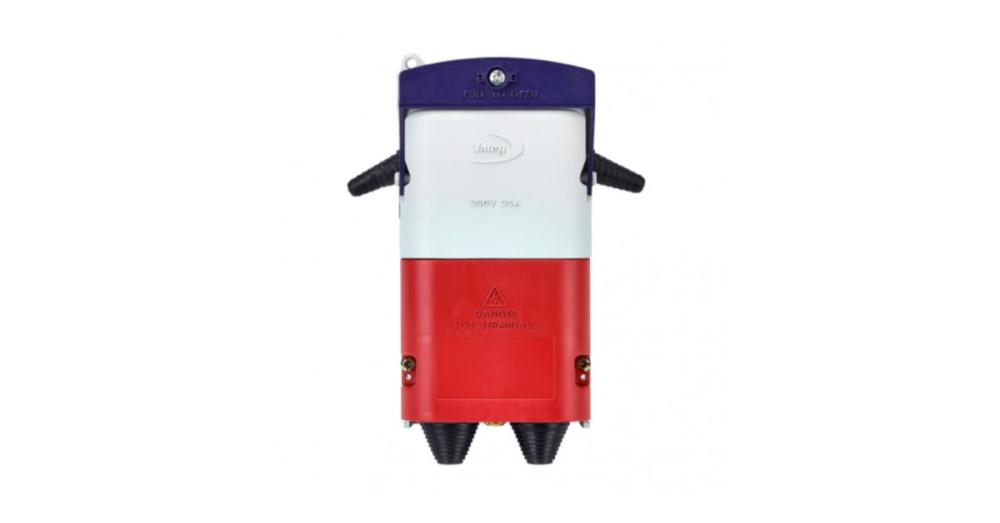
A robust single-phase cut-out from the Titan range. Built with engineered thermoplastics and brass terminal blocks, it handles demanding outdoor and utility service connections well.
2. Lawson 15 Amp Consumer Unit (LC15) Fuse:
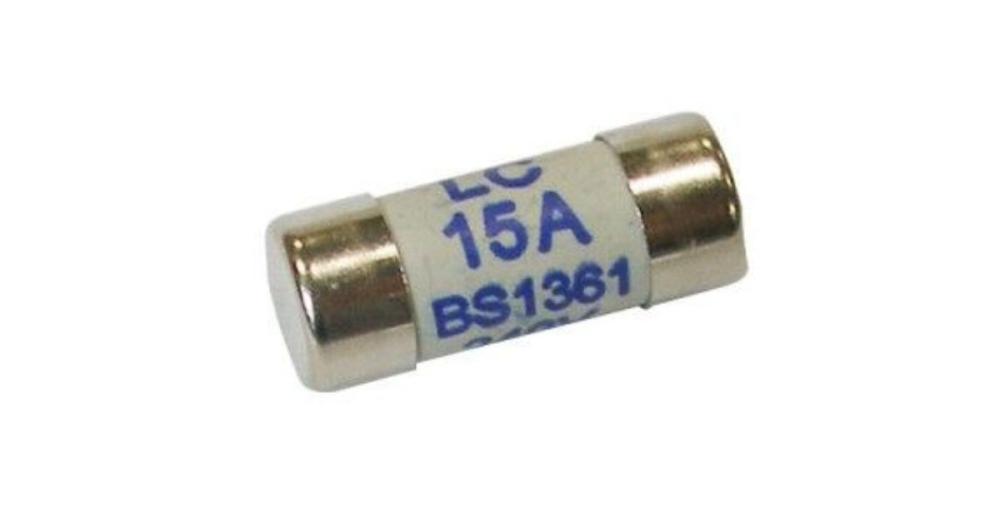
A BS 1361-compliant, ASTA-certified type 'L' fuse-link built for household consumer units and single-phase installations.
3. Deta 5 Amp Plug Top Fuse:
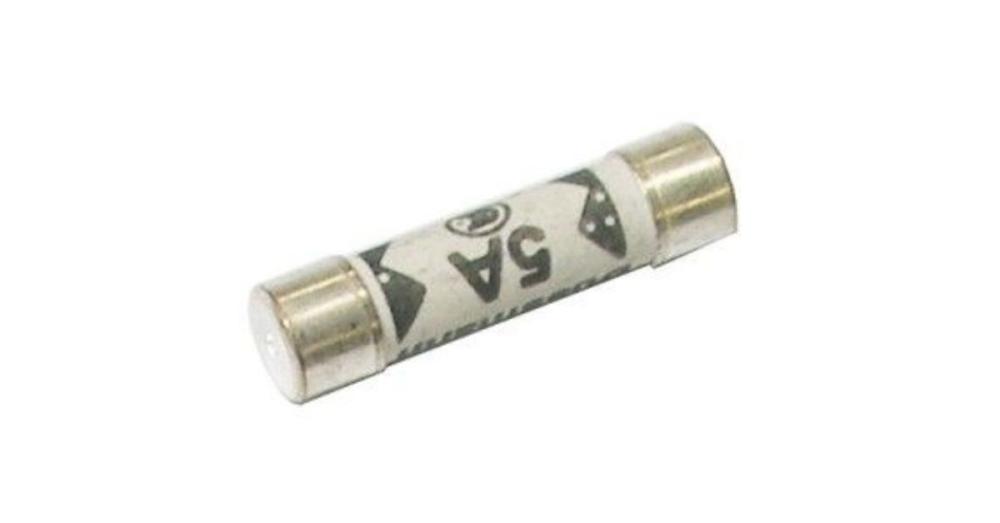
A reliable 5 amp fuse from Deta for lower-power domestic appliances on BS 1362 plug tops.
4. Deta 13 Amp Plug Top Fuse:
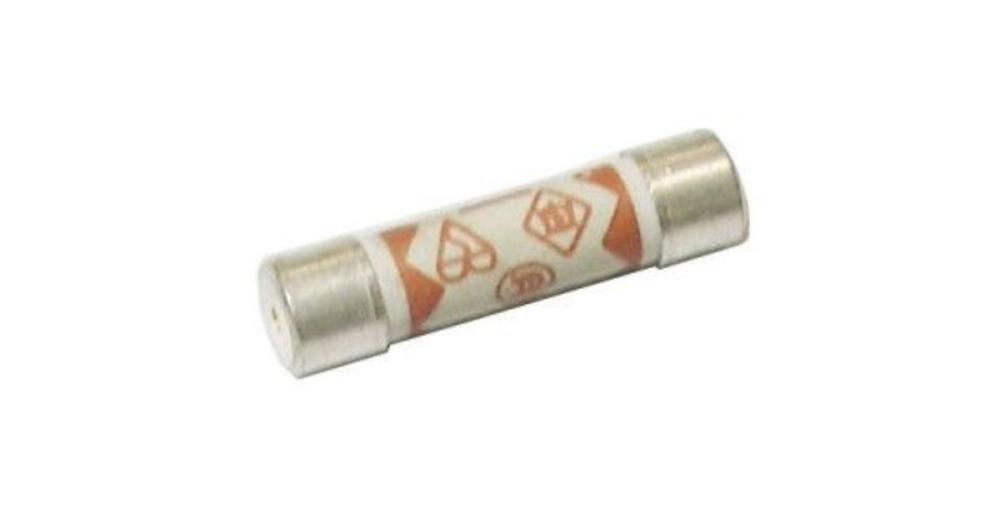
The 13 amp version from Deta, made to BS 1362 for higher-power appliances on ring main circuits.
5. 63 Amp Neozed D02 Fuse:
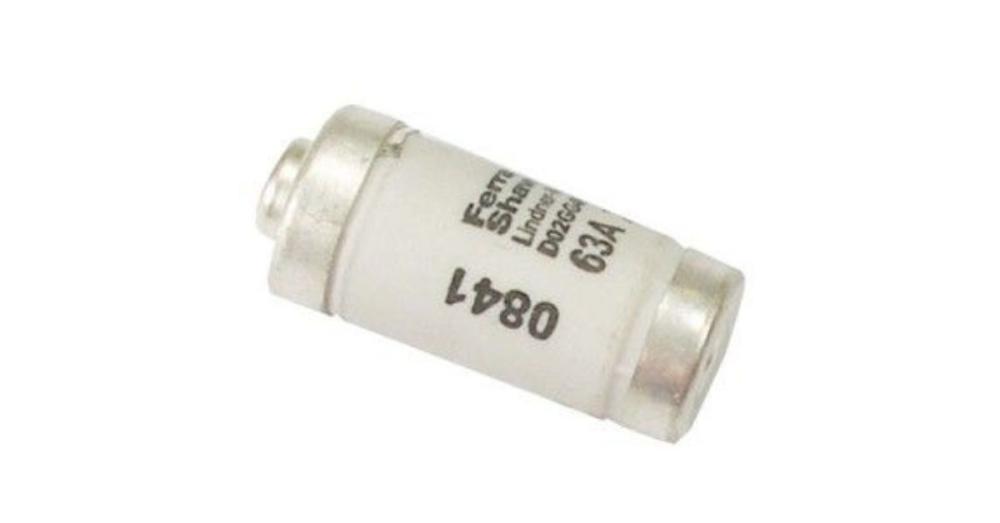
A heavy-duty 63 amp fuse in Neozed D02 format for industrial distribution boards and three-phase installations needing serious overcurrent protection.
Benefits of Using Semiconductor Protection Fuses
Using the right fuse does more than prevent one component from burning out. It keeps the whole system in better shape.
- Equipment preservation stops expensive power modules and converters from being written off by a single fault event.
- Less downtime because preventing a failure in the first place is always faster than sourcing and replacing a damaged component.
- Better installation safety by limiting the fault energy available, reducing the risk of fire or arcing damage spreading further.
- Standards compliance as these fuses are manufactured to IEC 60269-4, supporting the design regulations that apply to power electronic systems.
- Cost efficiency over time, since the upfront cost of a specialist fuse is a fraction of what one unprotected semiconductor failure actually costs.
How to Choose the Right Semiconductor Protection Fuse?
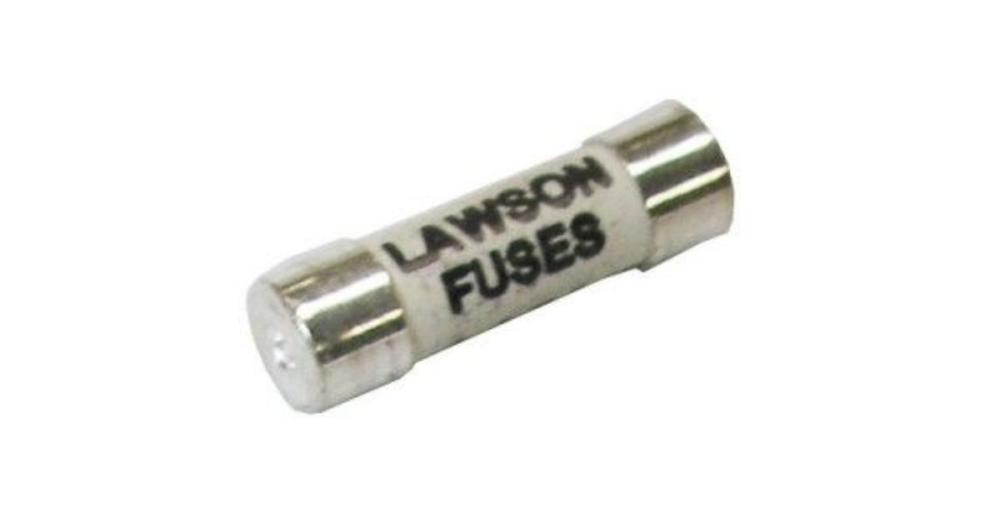
Selection is not just about voltage and current. These five checks will keep you on the right track:
- The fuse I²t rating must sit below the semiconductor device's published withstand I²t value.
- The voltage rating must cover both the system voltage and any transient overvoltages the circuit may produce.
- The breaking capacity must be high enough to safely interrupt the maximum prospective fault current at the installation point.
- The continuous current rating should account for derating factors such as ambient temperature, enclosure type, and load cycle.
- The physical dimensions and terminal style must match the fuse holder or mounting system already in place.
Signs That a Semiconductor Fuse Needs Replacement
These fuses are one-time devices. Once operated, replace them. Look for these signs:
- The striker pin or visual indicator has been deployed
- The continuity test shows an open circuit
- Fuse body shows scorching, discoloration, or cracking
- The protected component has failed or behaved unusually
- A confirmed short circuit or overcurrent event has occurred
- The fuse has exceeded its recommended service life
Bottom line:
Semiconductor protection fuses are not an optional extra. In any system that relies on diodes, thyristors, IGBTs, or power modules, they are what stands between a small fault and a very expensive repair bill. Getting the specification right matters just as much as any other decision in the design process.
Meteor Electrical carries fuse products suited to both residential and demanding industrial applications. Browse the fuse range online or contact the team directly for guidance on the right product for your setup.
FAQ's
Q1. Can a standard fuse replace a semiconductor fuse?
No. Standard fuses react too slowly. The energy passed during a fault would destroy the semiconductor component long before the fuse operates.
Q2. What does the I²t rating mean?
It measures the total energy let through during a fault. A lower I²t means less energy reaches the protected component.
Q3. How long do semiconductor fuses last?
Indefinitely under normal conditions, but they must be replaced straight away after operating to clear any fault.
Q4. Are semiconductor fuses suitable for renewable energy systems?
Yes. They are widely used in solar inverters, wind converters, and battery storage systems to protect IGBT and diode assemblies.
Q5. What industries commonly use semiconductor protection fuses?
Industrial automation, renewable energy, EV charging, railways, and marine power systems are among the most common.