
Top Electric Vehicle Charging Solutions for Commercial & Industrial Sites
Top Electric Vehicle Charging Solutions for Commercial & Industrial Sites
As the shift towards sustainability accelerates, electric vehicles (EVs) are no longer a novelty. They are becoming a core part of modern transport infrastructure. For commercial and industrial premises, installing the right EV charging facilities is not simply a trend. It is a strategic step that supports rising demand, improves sustainability credentials, and future-proofs operations.
As more offices, retail parks, warehouses, and workplaces cater to EV drivers, selecting the right charging solutions is essential. This guide explores the most suitable EV charging systems for commercial and industrial environments, explaining how they work, what they offer, and why they matter.
Why EV Charging Is a Big Deal for Businesses
EV Charging Is a Big Deal for Businesses
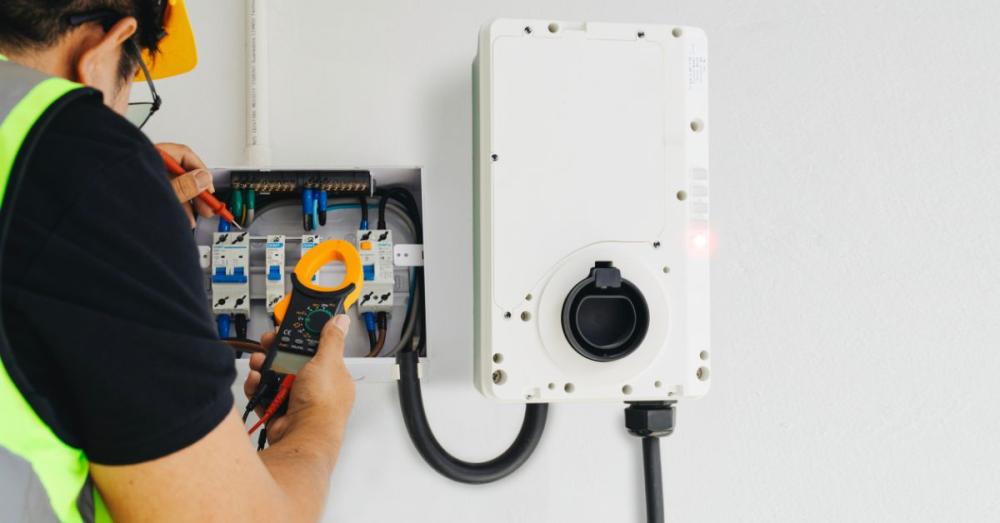
So why should offices, retail spaces, and industrial sites invest in EV charging? The answer is simple. Electric vehicle ownership continues to grow rapidly, and businesses are expected to keep pace.
Providing EV charging improves convenience for employees and visitors who drive electric vehicles. It also strengthens a company’s sustainability profile and supports environmental commitments that customers increasingly value. Industry data suggests EV sales across the UK and Ireland are expected to grow by around 20 per cent annually through to 2030. This makes on-site charging a practical and forward-thinking investment.
Top Electric Vehicle Charging Solutions
Below are five EV chargers that are particularly well suited to commercial and industrial locations. Each option offers different benefits depending on power availability, site usage, and user needs.
1. 7.4kW Type 2 Socket Charger
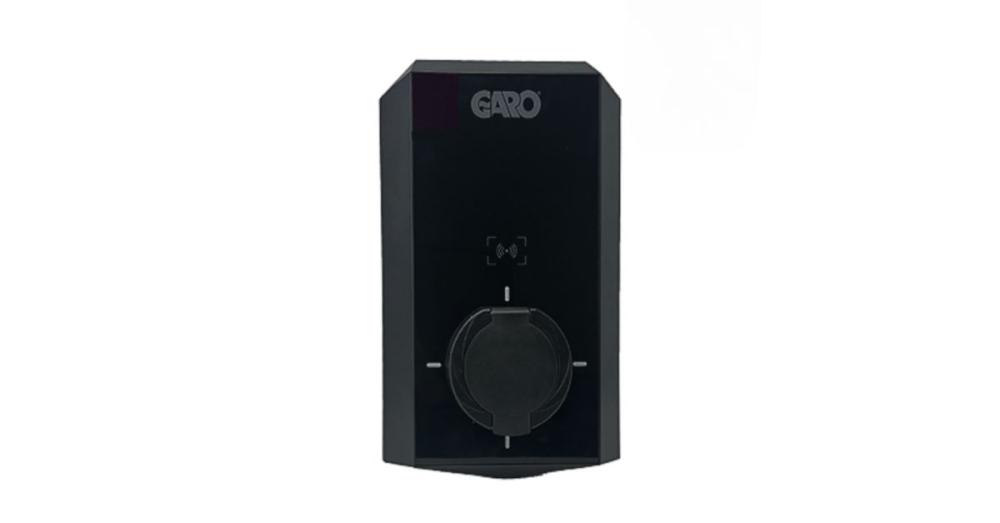
The 7.4kW Type 2 socket charger is a reliable choice for sites operating on single-phase power. It features a standard Type 2 socket, making it compatible with most electric vehicles in the UK.
This charger includes smart load management to prevent electrical overload and supports RFID card access for added security. Connectivity options such as Wi-Fi or LAN allow for remote monitoring and control, making it a practical solution for workplaces and commercial car parks.
2. Entity 7.4kW Socket Charger with LM 60A
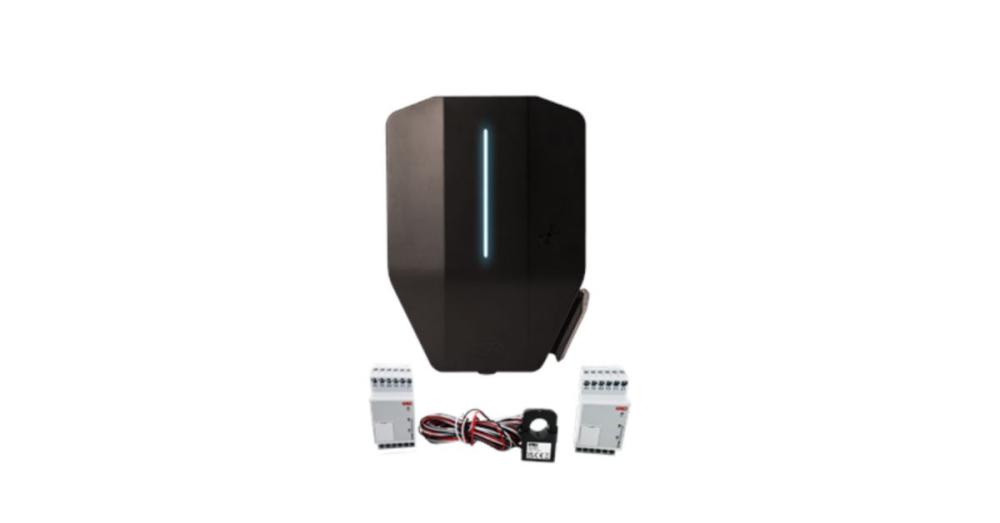
The Entity 7.4kW socket charger is designed with simplicity and usability in mind. It includes advanced load management to balance power demand across the site and features a mounting bracket that simplifies installation.
With support for RFID access and connectivity via Wi-Fi or 4G, this charger is easy to manage and suitable for shared or semi-public environments where controlled access is required.
3. 7.4kW Charger with a 7.5-Metre Tethered Cable
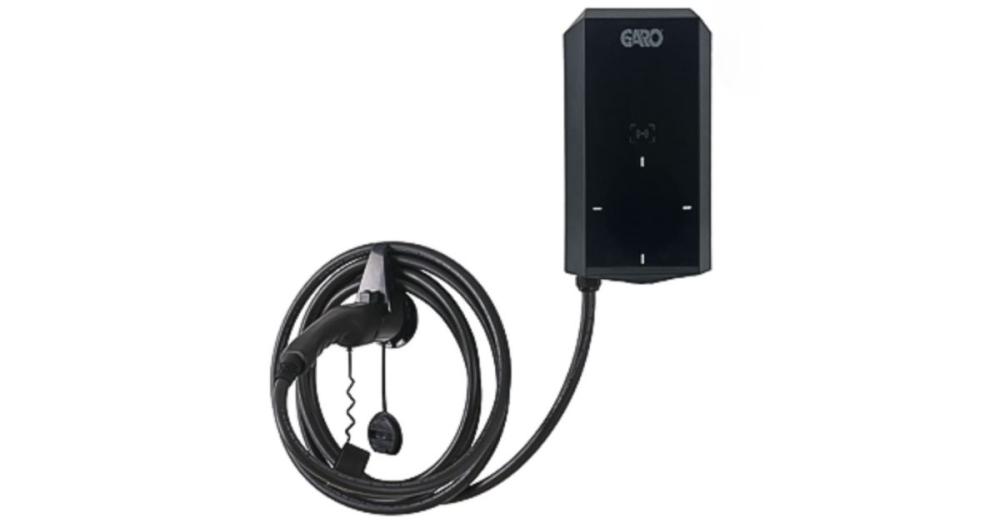
This charger is ideal for locations that prioritise ease of use. It comes with an integrated 7.5-metre Type 2 tethered cable, removing the need for users to bring their own charging leads.
It is well suited to workplaces and public areas where straightforward operation is important. App-based monitoring allows site managers to oversee charging activity remotely.
4. SyncEV Wall Charger 2 7.4kW Tethered
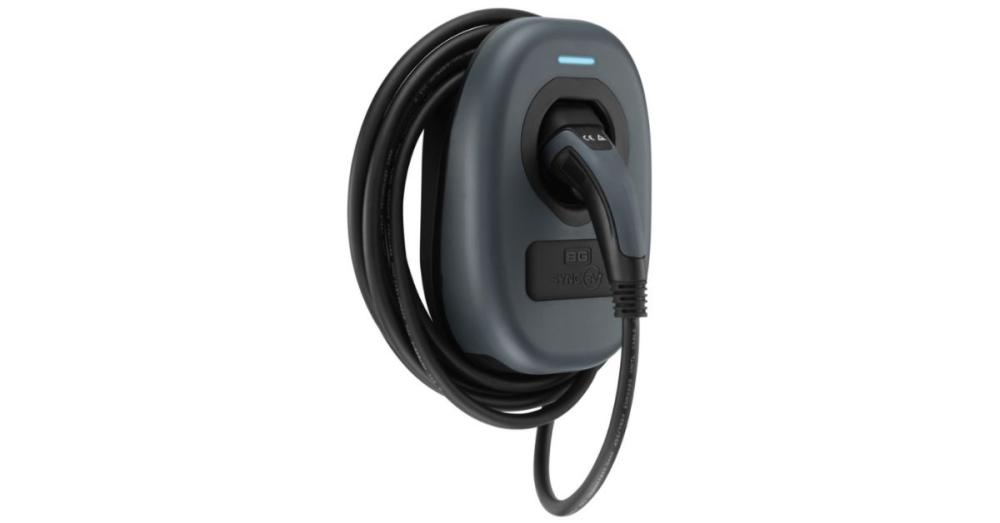
The SyncEV Wall Charger 2 is built for durability and demanding environments. It includes a 7.5-metre Type 2 tethered cable and offers compatibility with solar PV systems for sites looking to integrate renewable energy.
With Wi-Fi or LAN connectivity and an IP55 rating, this charger provides protection against dust and water ingress, making it suitable for busy commercial locations and outdoor installations.
5. 2 x 22kW Dual Outlet Charger
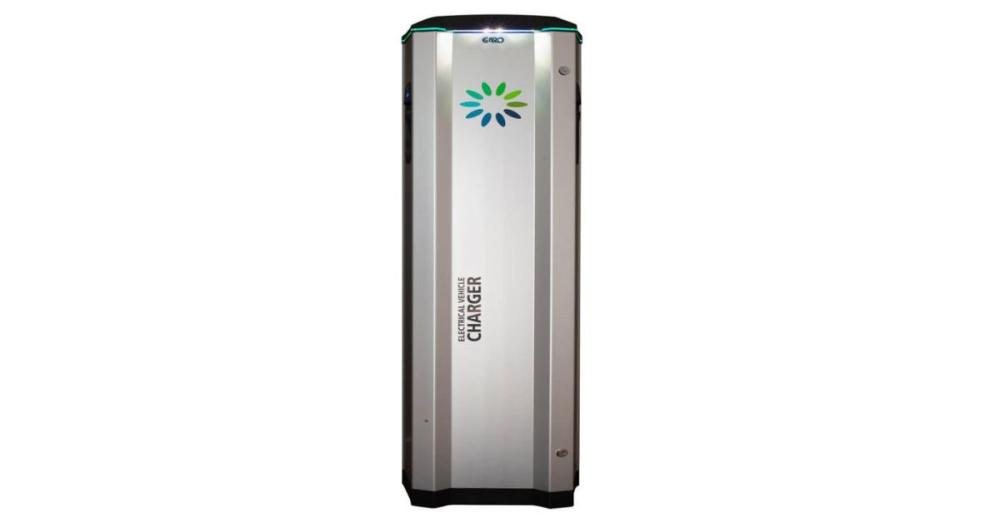
For high-traffic locations, the 2 x 22kW dual outlet charger delivers fast and efficient charging for two vehicles simultaneously. It supports three-phase power and includes energy monitoring features to track usage accurately.
The robust aluminium enclosure and Ethernet connectivity make this charger a strong option for shopping centres, large car parks, and industrial facilities with high charging demand.
What to Look for in a Charger
Choosing the right EV charger involves several practical considerations:
Power and Compatibility
Most electric vehicles in the UK use Type 2 connectors. For single-phase supplies, a 7.4kW charger typically adds around 25 to 30 miles of range per hour. For three-phase installations, 22kW chargers are better suited to busy locations requiring faster turnaround.
Smart Load Management
Dynamic load management (DLM) prevents chargers from overloading the electrical supply. Devices such as the GNM1D-100-RS485 for single-phase or DLM100 for three-phase systems help maintain stability.
Connectivity and Control
Chargers with Wi-Fi, LAN, or 4G connectivity allow remote management through platforms such as GARO Connect. Features may include scheduling, user billing, and usage reporting.
Build Quality and Protection
Commercial chargers should be durable and weather resistant. Look for IP55 ratings or higher and robust materials such as aluminium enclosures.
Safety Features
Essential protections include 30mA AC and 6mA DC fault detection. Many modern chargers also include PME fault detection, reducing the need for additional earth rods.
Tethered vs. Socket Chargers
Choosing between tethered and socket chargers depends on how the site will be used:
Tethered Chargers
These include a fixed charging cable, making them convenient for offices and staff car parks. However, if vehicle standards change in the future, the entire unit may need replacement.
Socket Chargers
These require users to supply their own cable. The 7.4kW Type 2 socket charger offers flexibility for sites with mixed vehicle usage.
Source - We Power Your Car
Adding Solar and Smart Features
Some chargers, including the SyncEV range, support solar integration. This allows businesses to reduce grid reliance and lower operating costs. Smart features such as tariff tracking and app-based monitoring also enable charging during off-peak periods when electricity costs are lower.
Getting It Installed
EV charger installation should always be carried out by a qualified electrician familiar with UK safety standards and the IET Code of Practice. Professional installation ensures correct load balancing, fault protection, and long-term reliability.
What’s Next for EV Charging
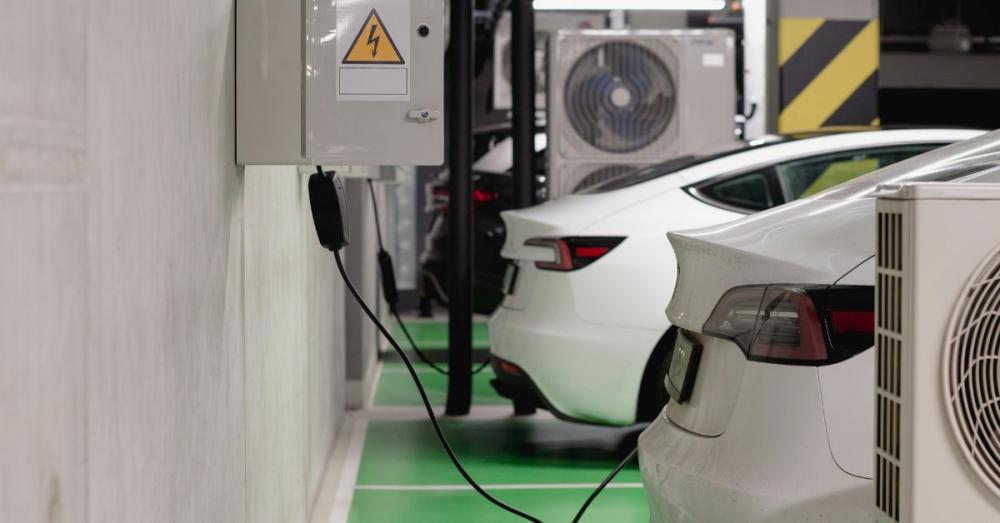
EV charging technology continues to evolve, with faster chargers and increased renewable integration becoming more common. Businesses that invest in scalable solutions now, such as chargers compatible with both single-phase and three-phase power, will be better prepared for future demand.
Wrapping Up
For commercial and industrial sites, investing in EV charging is a practical and future-focused decision. From versatile 7.4kW socket chargers to high-capacity 22kW dual outlets, there are solutions to suit every environment.
By choosing chargers with smart load management, strong connectivity, and optional solar integration, businesses can support staff and customers while strengthening their sustainability goals.
At Meteor Electrical, we offer a range of reliable and compliant EV charging solutions designed for commercial use. Visit our website to explore the options and find the right fit for your site.