
The Complete Guide to Wall Plugs, Anchors and Fixings
The Complete Guide to Wall Plugs, Anchors and Fixings
A secure installation starts long before the screw goes into the wall. Whether you are fitting conduit, mounting trunking, hanging control panels, or securing heavier equipment, the right fixings and screws make the difference between a neat, durable job and a callback waiting to happen.
If you have ever asked, “What are the best wall fixings for brick, plasterboard, or concrete?”, this guide will give you a clear answer and help electricians and facilities managers choose with confidence.
Types of Wall Plugs Explained
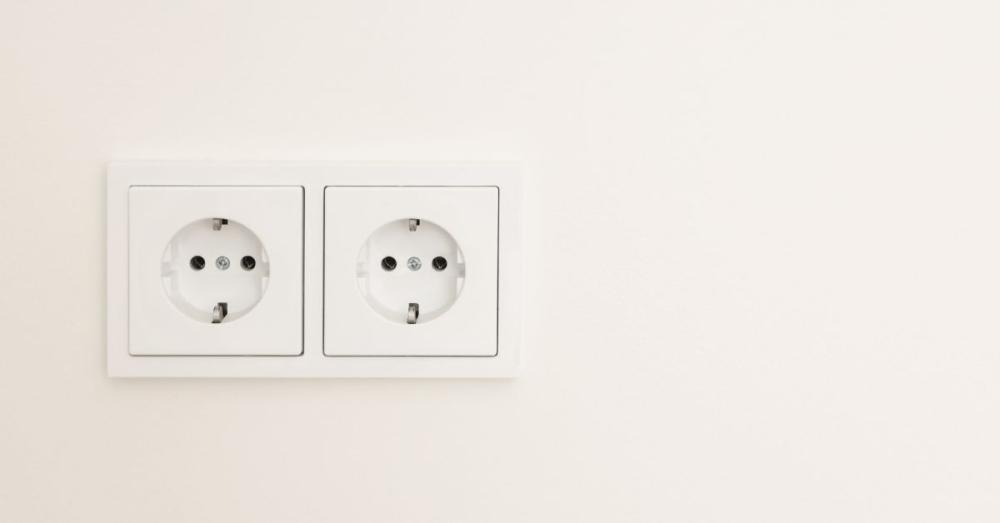
Not all walls behave the same, so the best wall plugs depend on the substrate, load, and screw type. A common question is, “Which wall plug should I use for plasterboard versus masonry?” The short answer is that material matters just as much as weight.
- Standard nylon plugs - Great for masonry and solid brick, ideal for light to medium-duty jobs such as clips, brackets, and smaller accessories.
- Universal plugs - Designed to adapt across different materials, useful when the wall type is uncertain.
- Plasterboard fixings - Best for hollow walls where standard plugs may not grip effectively.
- Frame fixings - Suitable for window frames, battens, and longer reach applications.
- Heavy-duty wall anchors - Better for demanding loads where grip and stability are critical.
Popular choices include red nylon plugs for everyday electrical installations and brown plastic plug and screw sets for quick, convenient stocking. These are especially handy when speed on site matters and you want compatible fixings and screws ready to go.
Best Fixings for Heavy Objects
Heavy loads need more than a standard plug. When mounting cable trays, heavy fittings, shelving, plant room accessories, or substantial electrical hardware, choosing reliable wall fixings is essential.
1. Drop In Anchor
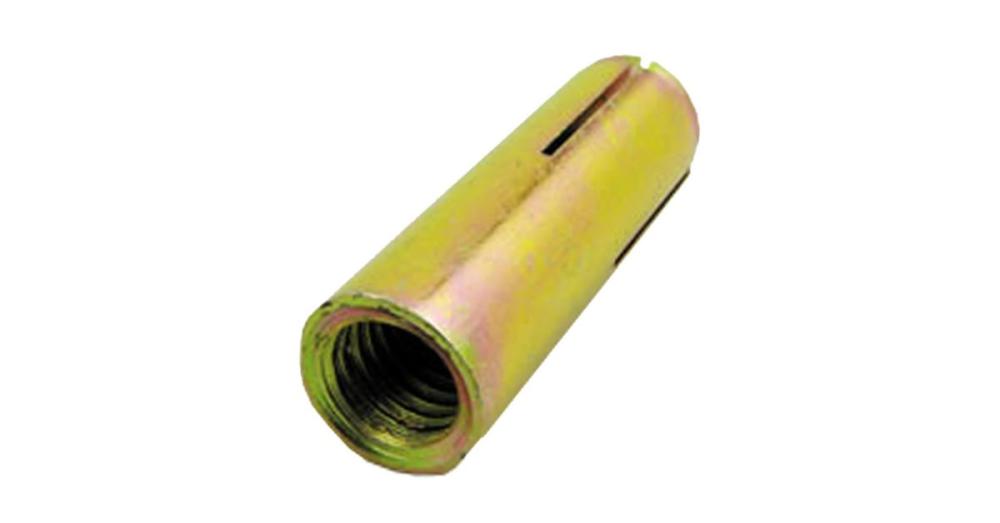
A drop-in anchor is a smart choice for solid concrete where a flush internal thread is needed. It creates a secure anchor point for threaded rods or bolts, making it ideal for overhead and heavy-duty installations.
- Strong fixing for concrete applications
- Neat flush finish
- Suitable for threaded bolts and rods
- Good for repeatable professional installations
- Reliable load support in solid material
2. Hammer Fixings
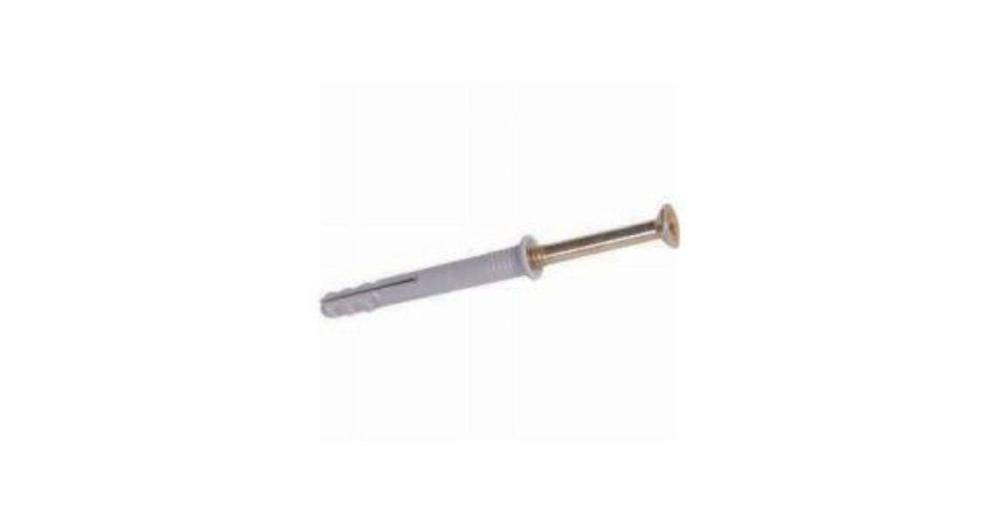
Hammer fixings are made for fast installation where efficiency matters. They work well for timber battens, cable management systems, and lightweight framework fixed into masonry.
- Quick install design
- Ideal for repetitive fixing work
- Clean finish with minimal fuss
- Suitable for brick and block
- Helps save time on larger jobs
3. Loose Shield
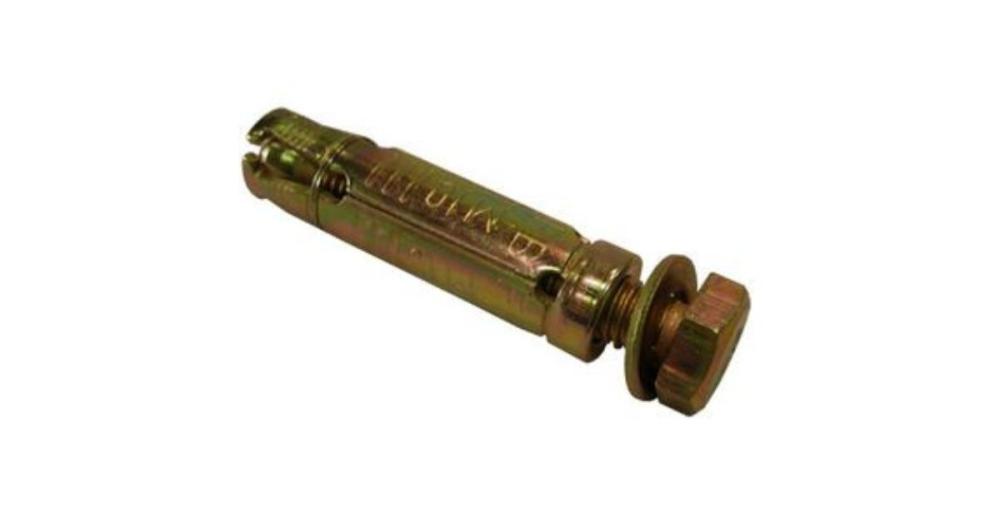
Loose shield bolts are useful in older masonry or situations where a traditional expanding grip is needed. They offer a dependable hold in brickwork and can be a practical option for medium to heavy-duty tasks.
- Good grip in masonry
- Useful in uneven or aged substrates
- Strong expanding action
- Suitable for heavier fixtures
- Solid all-round performance
Shop M10 x 70 Loose Shield Bolts
4. Alloy Drivas
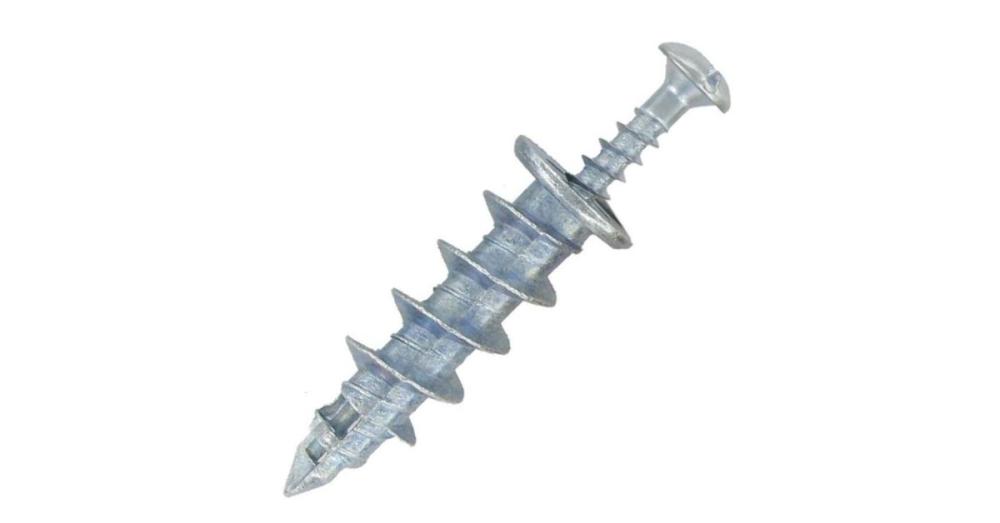
For plasterboard, alloy drivas are a reliable answer when a standard plug simply will not do. They cut directly into the board and provide secure holding power for lighter fixtures and fittings.
- Designed for plasterboard walls
- Simple self-drilling installation
- Stronger hold than basic plugs in hollow walls
- Ideal for light accessories
- Helps reduce spinning during fitting
Shop Zinc Alloy Drivas 4.5 x 30
Did You Know - Many loose fittings fail not because of the screw itself, but because the anchor chosen was wrong for the wall material?
How to Prevent Loose Wall Fixings
Loose fittings usually come down to poor matching between the wall, the fixing, and the load.
- Always identify the wall type first, such as brick, block, concrete, or plasterboard.
- Match the screw diameter to the plug size, because oversized or undersized combinations weaken the grip.
- Drill the correct hole depth and diameter, then clear out dust before fitting.
- Avoid over-tightening, especially in softer materials where plugs can distort or spin.
- Use purpose-made wall anchors or plasterboard fixings for hollow walls instead of forcing standard plugs to do the job.
Hollow Wall Anchors vs Expansion Bolts: Understanding the Difference
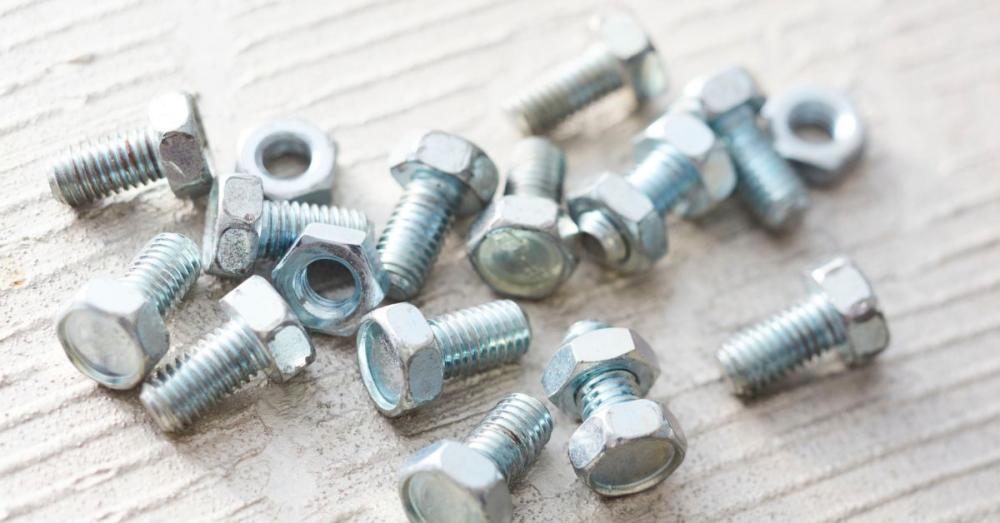
Hollow wall anchors are designed for cavity materials like plasterboard, where there is no dense material for the fixing to bite into. They spread the load across the back of the board, which helps prevent pull-out.
Expansion bolts, by contrast, are made for solid materials such as concrete or dense brick. As the bolt tightens, the sleeve expands against the sides of the drilled hole, creating a very secure hold. In simple terms, hollow wall anchors support lighter to medium loads in cavity walls, while expansion bolts are the better fit for heavier loads in solid substrates.
If you are installing weight-bearing hardware, choosing between these two categories is one of the most important decisions in fixing and screws selection.
Source - Tools That Build
Common Fixing Problems and Solutions
Most fixing issues are predictable, which means they are also preventable.
- Plug spins in the hole - The hole is too large, so use a larger plug or re-drill in a fresh position.
- Screw will not tighten - The screw and plug are mismatched, so check sizing before refitting.
- Fixing pulls out under load - Upgrade to stronger wall fixings or choose a deeper anchor.
- Crumbling brick or block - Use a gentler drill action and consider specialist masonry fixings.
- Fixture sits unevenly - Check hole alignment and ensure the screw is driven square to the surface.
Professional Tips for Long Lasting Installations
A few small habits can greatly improve the lifespan of your installations.
- Keep a range of wall plugs, cavity fixings, and masonry fixings in the van for different surfaces.
- Use quality drill bits, because worn bits create oversized holes and poor anchor performance.
- Think about load movement as well as load weight, especially for doors, brackets, and vibrating equipment.
- For projects where clients also want to buy light fittings online, recommend compatible fixing kits to avoid mismatched parts.
- Label and stock common sizes such as red nylon plugs and brown plug-and-screw packs to speed up repeat jobs.
Key Takeaways
- The right wall plug or anchor depends on the wall material, load weight, and screw type.
- Standard nylon plugs work well for light to medium-duty masonry jobs, while plasterboard needs specialist fixings.
- Heavy-duty installations need stronger options such as drop-in anchors, loose shield bolts, or expansion bolts.
- Loose wall fixings often happen when the plug, screw, hole size, or wall type is mismatched.
- Hollow wall anchors are best for cavity walls, while expansion bolts are better for solid concrete or dense brick.
- Keeping a range of wall plugs, masonry fixings, plasterboard fixings, and screw sets helps professionals complete installations faster and more securely.
Conclusion - Choosing the Right Fixings for Your Next Installation with Meteor Electrical
Choosing the right fixings and screws is not just about holding something in place. It is about safety, durability, efficiency, and getting the job right the first time. From standard wall plugs for everyday tasks to heavy-duty anchors for more demanding loads, a well-matched fixing gives every installation a better finish and longer life.
For professionals who want trusted products from leading brands like Olympic, Deligo, and Unicrimp, Meteor Electrical makes sourcing simple. Whether you need reliable site essentials or want to buy tools and fixings alongside your hardware, get quality options all in one place.
Explore Meteor Electrical today with dependable fixings to match.
FAQs About Wall Plugs, Anchors and Fixings
1. What are the best wall plugs for brick walls?
Standard nylon wall plugs are often ideal for brick, provided the hole size and screw size are matched correctly.
2. When should I use wall anchors instead of wall plugs?
Use wall anchors when working with hollow walls or when the load is too heavy for a basic plug to hold safely.
3. Are expansion bolts suitable for plasterboard?
No, expansion bolts are made for solid materials like concrete and dense masonry, not hollow plasterboard.
4. Why do wall fixings come loose over time?
Loose fixings usually happen because of the wrong anchor type, poor drilling, or load movement that was not considered at installation.
5. Can I use the same fixings for electrical fittings and decorative fittings?
Sometimes, but always check the wall type and weight first, especially if you plan to buy light fittings online and install them on different surfaces.