
MCB vs RCBO: Which is the Better Default Choice for New Circuits in UK Homes?

MCB vs RCBO: Which is the Better Default Choice for New Circuits in UK Homes?
When planning new circuits in a home, one question comes up again and again: MCB vs RCBO, which should be the default choice? It is a fair question as modern homes now rely on more electronics, more dedicated circuits, and far less tolerance for a single fault that knocks out half the property. In that context, asking — “Is RCBO or MCB the better default choice for new circuits in UK homes?” is not just a technical detail — it is a practical buying and design decision.
For electricians and facilities managers, the choice is rarely about the cheapest part on the shelf. It is about circuit protection, fault isolation, ease of troubleshooting, and building a board that makes sense for the property over time.
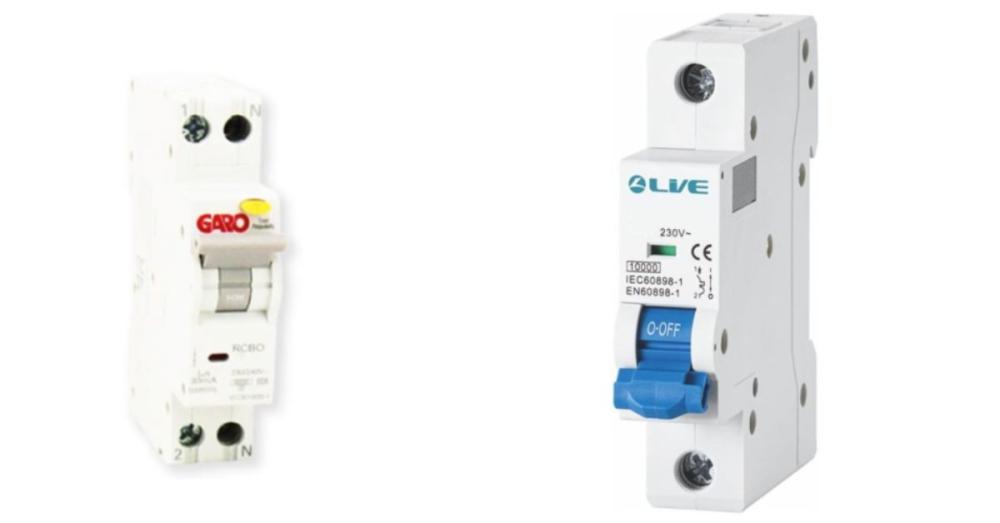
An MCB protects against overloads and short circuits, while an RCBO combines overcurrent protection with residual current protection in a single device, which is why per-circuit protection is often preferred in domestic settings.
What Does an MCB Do in a UK Consumer Unit?
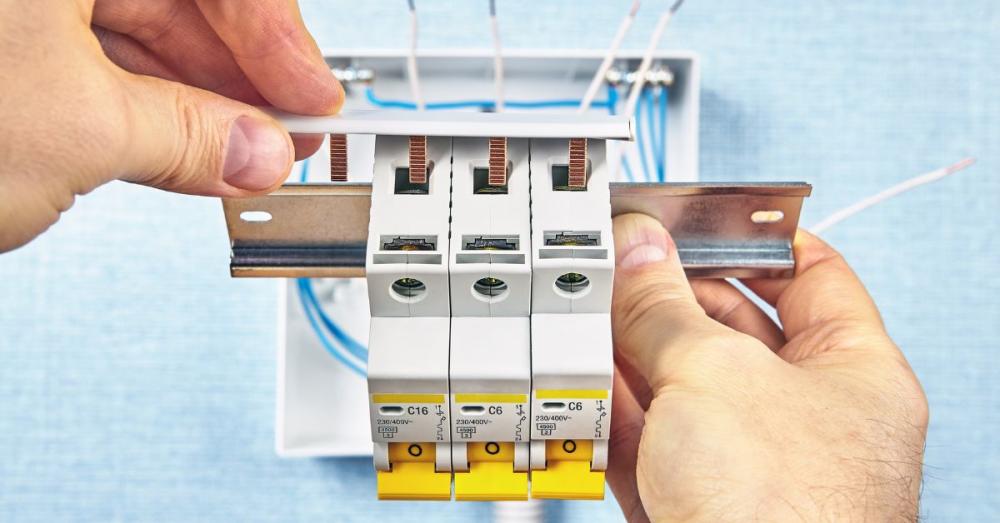
Overload and Short-Circuit Protection Explained
An MCB, or miniature circuit breaker, is designed to protect wiring and equipment from overloads and short circuits. In simple terms, it trips when current rises beyond safe limits, helping prevent overheating and damage within the circuit.
What it does not do on its own is provide residual-current or earth-leakage protection. That means in many consumer units, an MCB is used alongside other protective devices rather than acting as a complete solution by itself.
Where MCBs Still Make Sense in New Installations
MCBs still have a clear place in some new installations. They are often a sensible choice where suitable upstream RCD protection is already part of the board design, or where the project is more budget-led and a shared protection arrangement is acceptable.
They can also work well on straightforward circuits where downtime is less critical and the installer is happy with a more traditional layout. For some jobs, that lower upfront hardware cost remains an important part of the specification.
Why RCBOs Are Often Preferred for New Home Circuits
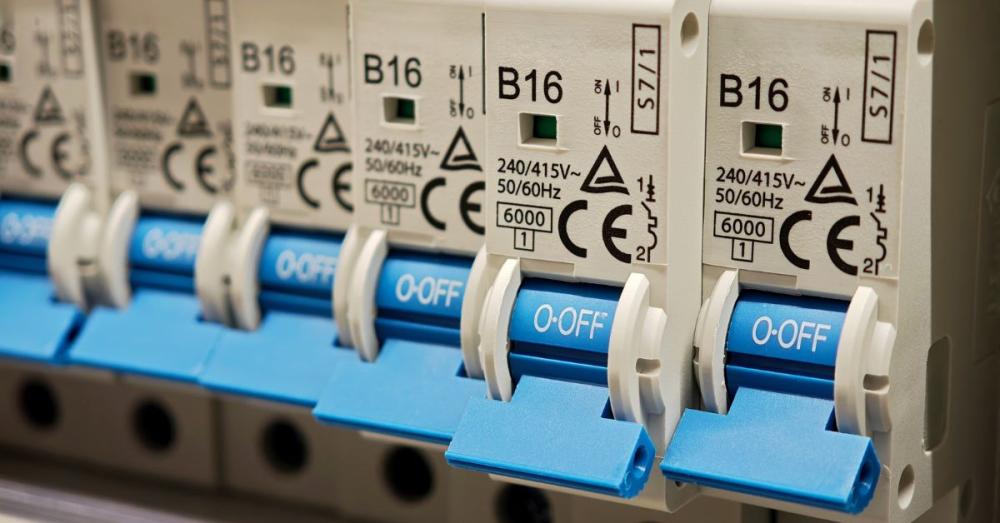
Combined Overcurrent and Residual-Current Protection in One Device
An RCBO combines the job of an MCB with residual current protection in a single unit. That gives it broader protection coverage and makes it especially attractive for modern domestic installations where safety and convenience both matter.
This is one reason RCBOs are often chosen for kitchens, bathrooms, outdoor circuits, and other areas where additional protection is particularly valuable. They also suit circuits serving sensitive loads or areas where maintaining service on unaffected circuits matters more.
Better Fault Isolation and Less Disruption When A Fault Occurs
One of the strongest arguments in the MCB vs RCBO discussion is fault isolation. With an RCBO protecting an individual circuit, only that circuit will usually trip if a fault occurs, rather than taking out a group of circuits on a shared arrangement.
That makes fault-finding faster and less frustrating for installers and end users alike.
Did You Know - A single fault on a shared protective setup can interrupt multiple circuits at once, while per-circuit RCBO protection usually limits the disruption to the affected circuit only?
Source - eFIXX
MCB vs RCBO: Which Is Better for New Circuits in UK Homes?
Safety, Selectivity, and Troubleshooting
If the goal is a safer, more selective, and easier-to-maintain installation, RCBOs often come out ahead for new domestic circuits. They combine protection functions in one device and help isolate faults more precisely, which reduces disruption and simplifies troubleshooting.
That is why the answer to “How to compare RCBO vs MCB for new UK home circuits in terms of safety and fault finding” usually comes down to how much value you place on per-circuit protection. In many modern homes, that value is high because occupants expect reliable power to essential circuits and quicker diagnosis when something trips.
Upfront Cost Vs Long-Term Convenience
This is where the real MCB vs RCBO decision sits. MCBs can help lower initial hardware cost, especially in boards using shared RCD arrangements, but RCBOs often repay that extra spend with easier maintenance, less nuisance tripping across multiple circuits, and a tidier long-term user experience.
A quick way to frame it is this:
- Choose MCBs when cost sensitivity is the priority and the wider board design already covers residual-current protection.
- Choose RCBOs when you want stronger fault isolation, easier fault finding, and a more modern per-circuit approach.
- For many homeowners seeking the best consumer unit for home, RCBO-based layouts are often seen as the more future-friendly option.
Best Consumer Unit for Home: Top MCB and RCBO Picks for New Circuit Protection
1. 63A Single Pole 10kA Type C MCB Live Electrical
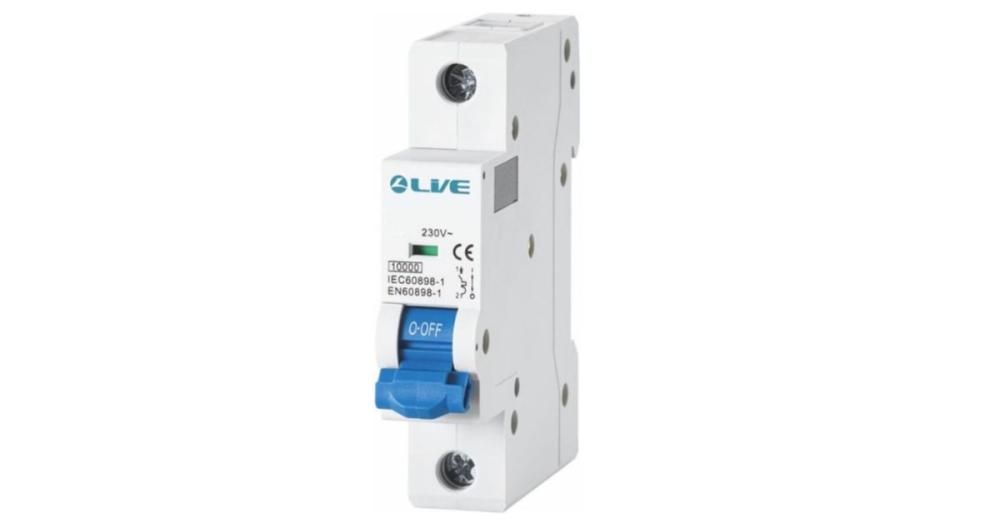
A strong option for higher-load applications, this single-pole Type C MCB is built for dependable overcurrent protection with a robust 10kA short-circuit capacity. It is a practical pick where straightforward circuit protection is needed within consumer units.
Product key features:
- Single pole
- 63A rating
- 10kA operating short-circuit capacity
- Tripping curve: C
- Electrical endurance: 20,000
Shop 63A Single Pole 10kA Type C MCB Live Electrical
2. MCB 1 Pole 32A Characteristics C 6kA GARO
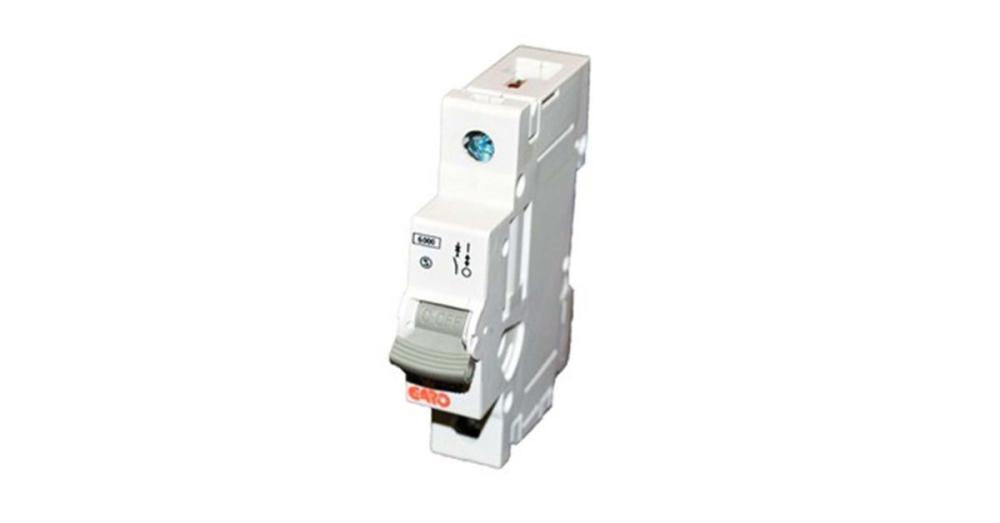
This GARO MCB is well-suited to general domestic use, offering a familiar and reliable format for standard circuit protection. It is especially appealing for installers who want a compliant, no-fuss breaker for everyday residential applications.
Product key features:
- Single pole
- 32A rating
- 6kA breaking capacity
- Characteristic C
- Suitable for general domestic consumer use
Shop MCB 1 Pole 32A Characteristics C 6kA GARO
3. 20A 6kA RCBO 1 Mod 2P 30mA Characteristic B GARO
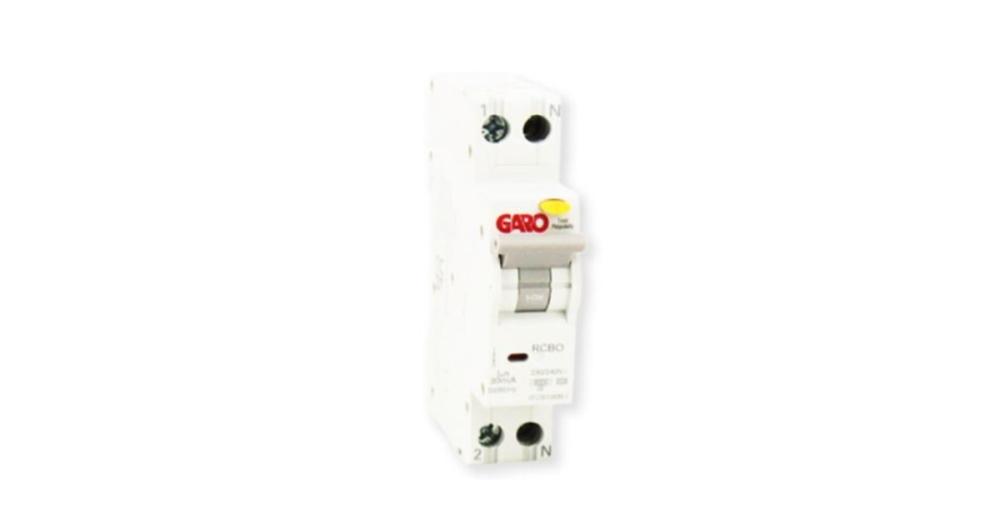
If space-saving and all-in-one protection matter, this RCBO is a compelling choice. It combines overload, short-circuit, and residual current protection in a compact module, making it well-suited to modern domestic boards.
Product key features:
- 20A RCBO
- 6kA short-circuit capacity
- 30mA residual current
- 2-pole design
- 1-module width
Shop 20A 6kA RCBO 1 Mod 2P 30mA Characteristic B GARO
4. Live Single Module Double Pole 6A B Curve 30mA Type A Mini RCBO Live Electrical
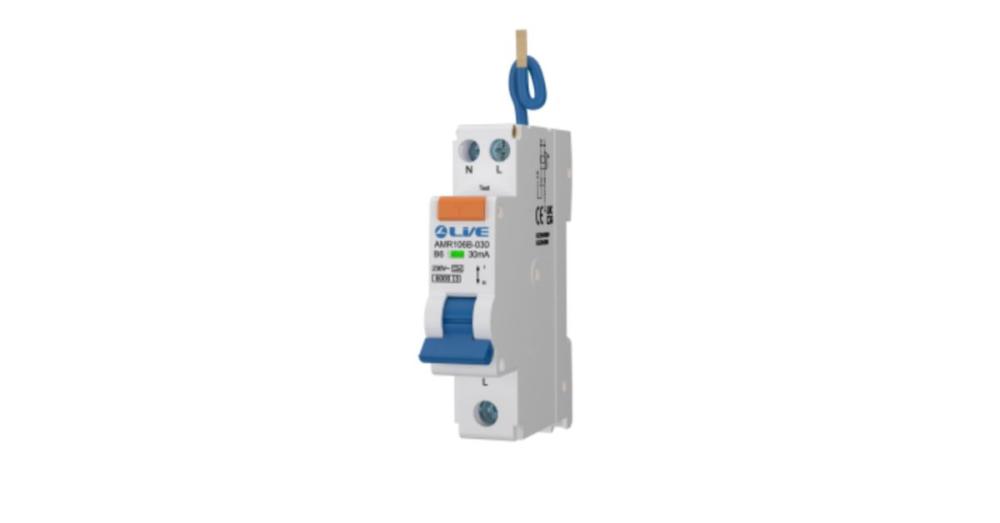
This compact mini RCBO is ideal where board space is tight, but strong protection is still essential. Its Type A design and double-pole switching make it a useful option for circuits that demand dependable, targeted protection.
Product key features:
- 6A current rating
- Single-module design
- Double pole
- B curve
- 30mA residual current
Shop Live Single Module Double Pole 6A B Curve 30mA Type A Mini RCBO Live Electrical
Key Takeaways
- MCBs protect against overloads and short circuits, but they do not provide residual-current or earth-leakage protection on their own.
- RCBOs combine MCB and RCD protection in one device, offering overcurrent and residual-current protection for individual circuits.
- RCBOs are often the stronger default choice for new UK home circuits because they improve fault isolation and reduce disruption when a fault occurs.
- MCBs can still make sense in cost-sensitive installations, especially where suitable upstream RCD protection is already included in the consumer unit design.
- Per-circuit RCBO protection makes troubleshooting easier, as only the affected circuit usually trips rather than multiple circuits at once.
- The best choice depends on the board design, budget, and long-term convenience, but many modern homes benefit from an RCBO-based consumer unit layout.
Conclusion: Shop Meteor Electrical for Top-Tier Circuit Protection
In the MCB vs RCBO debate, the better default choice for new home circuits often depends on whether you prioritise lower upfront cost or better fault isolation and convenience over time. For many modern domestic installations, RCBOs offer a stronger all-round case, while MCBs still hold value in the right board design.
When you are ready to move from comparison to purchase, Meteor Electrical makes it easier to source the right protection for each circuit with less guesswork.
Explore the complete range of MCBs, RCBOs, and consumer unit accessories today and build a safer, smarter installation with confidence.
FAQs About MCB vs RCBOs for UK Home Circuits
1) Is an RCBO better than an MCB for every new circuit in a UK home?
Not in every case, but RCBOs often offer broader protection and better fault isolation, which makes them a strong default choice for many new domestic circuits.
2) When is an MCB still a sensible choice in a new installation?
An MCB still makes sense when suitable residual-current protection is already provided elsewhere in the board, and the project is more cost-sensitive.
3) Do RCBOs reduce nuisance tripping in consumer units?
They can, because each circuit is protected individually rather than relying on a shared arrangement that may affect multiple circuits at once.
4) How do I choose the right RCBO or MCB rating for a new domestic circuit in the UK?
Match the device to the circuit design, cable size, load, breaking capacity, and required protection characteristics. For RCBOs, residual-current rating also matters.
5) Can MCBs and RCBOs be mixed safely in the same UK consumer unit?
They can be in some cases, but compatibility with the board, busbar arrangement, and manufacturer guidance should always be checked before installation.