
Choosing the Right Electrical Tester: A Practical Guide for Safe Installations
Choosing the Right Electrical Tester: A Practical Guide for Safe Installations
Ask any electrician what sits at the top of their van kit list, and a good voltage tester will almost always come up. It sounds like a small tool, but it does a big job. Whether you are checking a socket, isolating a circuit, or just making sure a supply is properly dead before you touch it, the tester in your hand is what stands between a safe job and a costly guess.
Meteor Electrical, a long-standing electrical wholesaler supplying trade professionals across the UK and Ireland, stocks a wide range of testing equipment for jobs like these. In this guide, we will look at the different types of testers, how to use one properly, and what is worth thinking about before you buy.
Why Every Electrical Installation Requires the Right Tester
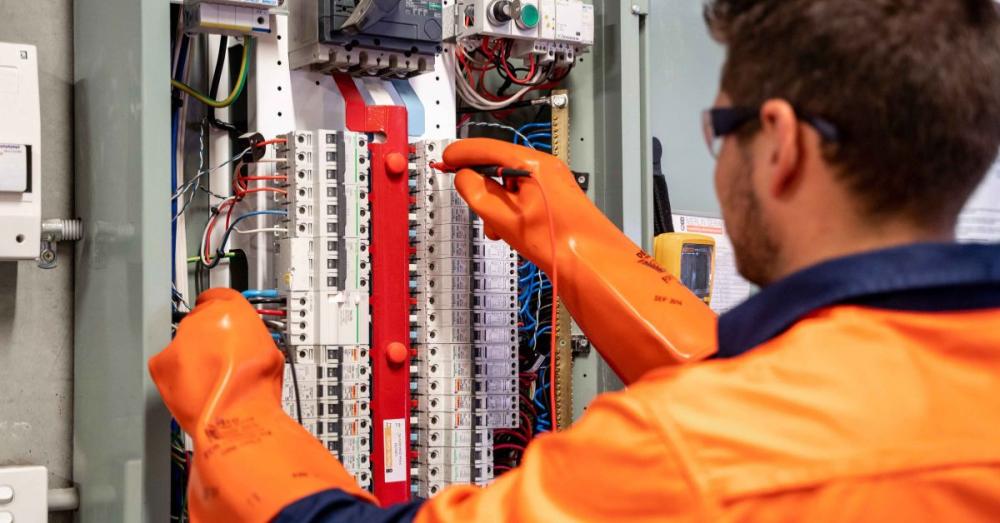
Every installation carries some risk of unexpected voltage, whether that comes from a wiring fault, a mistake during isolation, or plain human error. A good tester tells you, with confidence, whether a circuit is actually dead before you start work, and whether your repair has brought supply back safely once you are done. Without one, you are really just guessing.
Understanding the Different Types of Electrical Testers
Testers are not all built for the same job, and picking the wrong one can leave you with a false sense of security. Here is a quick look at what is out there.
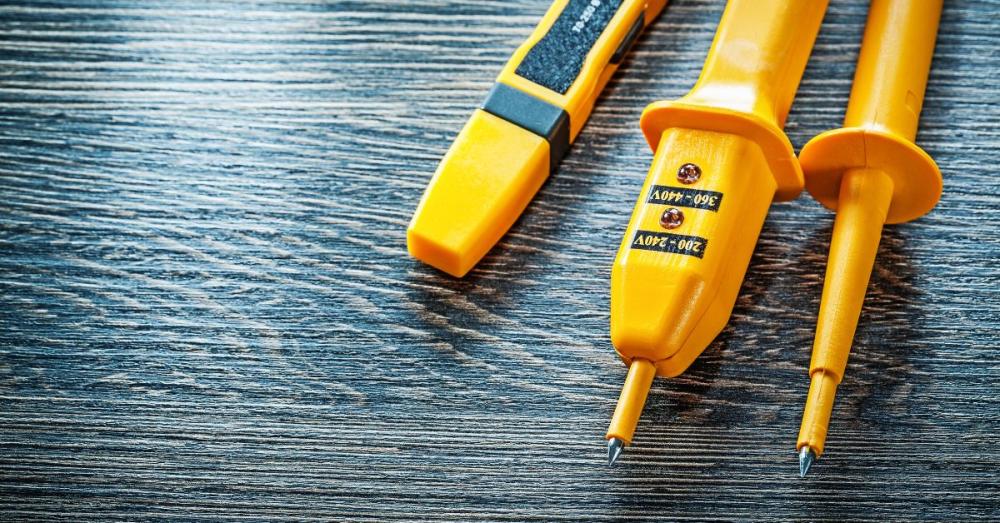
- Voltage Indicators (Mainstesters): These are the simple screwdriver-style testers that light up the moment they pick up AC voltage against earth.
- Non-Contact Voltage Detectors: Pen-shaped tools that sense voltage without you having to touch a live conductor, handy for tracking down a broken wire fast.
- Two-Pole Voltage Testers: These test between two points at once, which makes them a more dependable way to confirm a dead circuit than a single probe.
- Multimeters: These do a bit of everything, measuring voltage, resistance, and continuity, so they are great when you need to dig into a fault properly.
- Socket Testers: Plug these straight into an outlet, and they will tell you in seconds whether the polarity and earth continuity check out.
Source - The Electrical Guy
How Do You Use an Electrical Tester?
Knowing how to use a tester properly matters just as much as picking the right one. Here is how it should go, from start to finish.
Before You Begin
Give the tester a quick once-over first, checking for any cracks, damage, or wear. Make sure it is actually rated for the voltage and environment you are working in, and put on the right PPE, following lockout and tagout steps wherever they are needed.
Step-by-Step Guide
- Pick the right tester for the job in front of you.
- Check the tester works on a known live source first- the old rule of "test before you test."
- Use the tester on the circuit exactly as the manufacturer says to.
- Take a moment to read the result properly before you decide anything.
- Test it again on a known live source afterwards, just to be sure it is still working ("test after you test").
- Note down the result and only carry on once you know the circuit is dead.
Common Mistakes to Avoid
Even electricians who have been doing this for years can pick up bad habits.
- Grabbing the wrong tester for the task
- Assuming power is off without checking
- Ignoring the CAT rating on the tester
- Working with damaged or worn test leads
- Forgetting routine calibration and upkeep
Key Factors to Consider When Choosing an Electrical Tester
With so many testers to choose from, a handful of practical questions can help you settle on the right one.
- Does the CAT rating actually match the type of installations you work on most often?
- What voltage range do you need it to detect, since some testers only cover the lower bands?
- Does it give you both a visual and audible signal, so you are less likely to miss a reading?
- Is it built to survive a rough day on site, since leads and casings take a beating?
- How good is the battery life, especially if you are using it several times a day?
Choosing the Right Tester for Different Applications
Different jobs need different tools, and having a few dependable testers in the van covers most situations you will run into. Meteor Electrical stocks a range of testing kits built for everyday trade work. Here are four worth having close to hand.
Olympic Individual Mainstester (4 x 100mm):
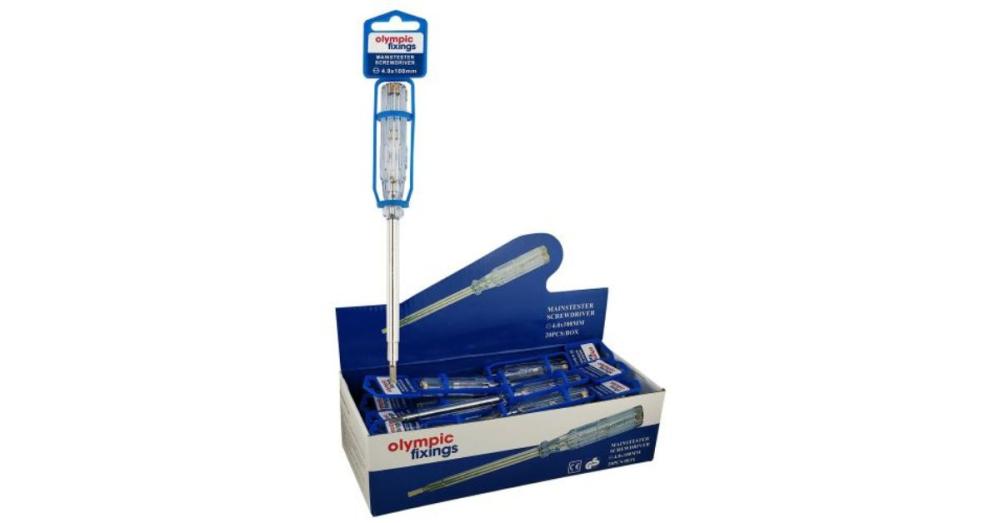
A screwdriver-style voltage indicator that picks up AC voltages from 100V to 250V against earth. It has hot forged blades, a cellulose acetate handle that sits comfortably in the hand, and a magnifying window so readings are easy to see, plus a clip for hanging it up.
C.K Mainstester Heavy Duty (100-250V AC):

A one-piece moulded screwdriver tester, fully insulated for safety. The neon tube is permanently sealed inside for a bright, clear reading, and the chrome vanadium blade is built to take the daily knocks that come with site work.
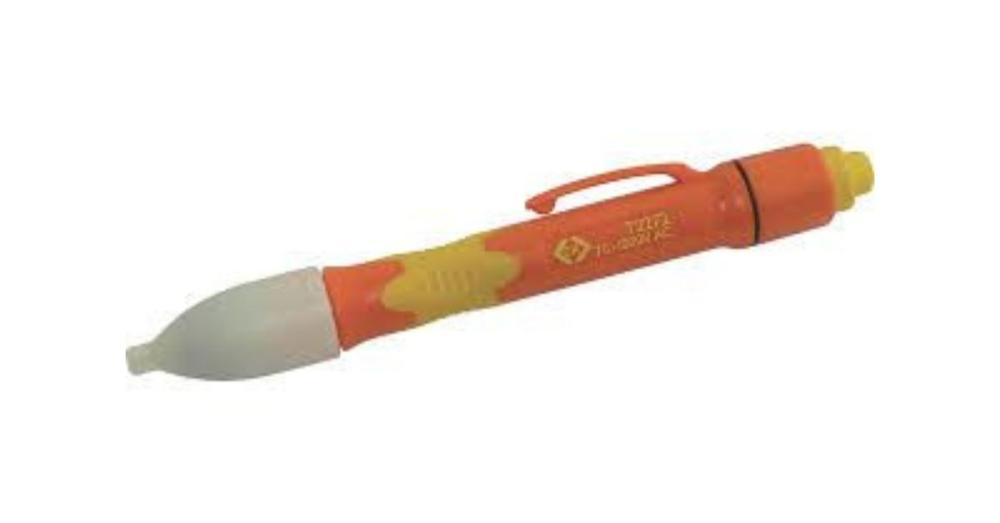
CK Non-Contact Voltage Detector Stick (T2272A):

This pen-shaped detector picks up AC voltage between 70V and 1000V without any contact at all, giving you both a sound and a light to signal it. Rated CAT III 1000V and double insulated, it is a quick way to trace a broken wire or check an earth connection.
CK Magma Pro Tool Case:
A tough case for keeping your testers and hand tools in order, with over 60 pockets and a wide opening on both sides so you can get at everything easily. The base is waterproof and crackproof, and the adjustable straps make it simple to carry safely between jobs.
Locations and Ordering
Meteor Electrical ships from its warehouse in Cookstown, County Tyrone, and supplies trade customers right across Northern Ireland, the Republic of Ireland, and the rest of the UK, with online ordering and next-day delivery available on stocked items.
Maintenance Tips to Keep Your Electrical Tester Reliable
A tester that is looked after will keep giving you readings you can actually trust.
- Keep it away from damp and dust
- Check the leads and probes now and then
- Swap the battery before it gets too low
- Wipe the casing down when it gets dirty
- Test it on a known source before each use
- Get it calibrated on a regular schedule
Wrapping up:
Picking the right electrical tester is not just something to tick off before a job starts. It is about looking after yourself, the people you work with, and everyone who will use that installation once you have gone. A tester that suits the job, is looked after properly, and is used the same careful way every time, is honestly one of the simplest safety habits in the trade.
Meteor Electrical carries a wide range of testing equipment and accessories to back that up, whatever the job calls for. Browse our full range of electrical equipment and order now for free delivery on orders over £30!
FAQ
Q1. What does CAT rating mean on a tester?
It shows which voltage category and environment the tester is safely rated for.
Q2. How often should testers be calibrated?
Most makers suggest once a year, or sooner if it sees heavy daily use.
Q3. Can one tester cover every job?
Not really; different testers suit different tasks, from indicators to multimeters and detectors.
Q4. Why test the tester before and after use?
It proves the tester still works, so a "no voltage" reading can be trusted.
Q5. Are non-contact detectors as reliable as contact testers?
They are handy for a quick check, but contact testers still win for dead testing.