
Electrical Safety Tips For Students
Moving Into Student Housing? Essential Electrical Safety Tips for a Safer Home
Starting a new term and moving into student accommodation is exciting, but it also comes with a few real responsibilities. When you are sharing a house or flat for the first time, it is easy to focus on rent, décor and who gets which room, while overlooking the small electrical hazards that can quickly become serious problems.
That is why a simple safety check at the start of your tenancy matters. From overloaded sockets to faulty chargers, the right habits can help protect you, your housemates and your belongings while giving you more confidence in your new home.
Why Electrical Safety Matters in Student Accommodation
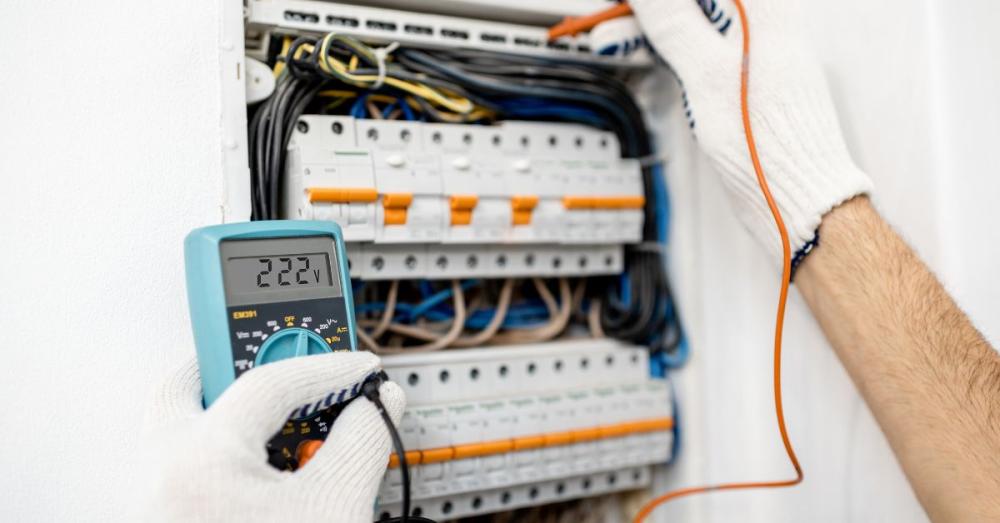
Student homes often have high daily demand for electricity. Phones, laptops, gaming equipment, kettles, air fryers and hair tools can all end up running from the same few sockets, especially in shared houses. Many students also move into privately rented accommodation, where it is especially important to check that the property is safe, well-maintained and properly equipped.
In England, landlords must ensure there is at least one smoke alarm on every storey and a carbon monoxide alarm in any room used as living accommodation with a fixed combustion appliance, excluding gas cookers.
Did you know?
Private landlords in England are required to have fixed electrical installations inspected and tested at least every five years by a qualified person.
Your Move-In Electrical Safety Checklist
Check sockets, plugs and supplied appliances
On the day you move in, walk through the property and look closely at all visible electrical points. Check for scorch marks around sockets, loose faceplates, damaged plugs, frayed cables and any appliances that look worn, cracked or unusually hot.
This is also the time to spot signs that sockets may have been overloaded in the past. If extension leads are already packed with appliances or adaptors are stacked into one outlet, ask your landlord to review the setup before you start using everything yourself.
Test alarms and know where essentials are
Test the smoke alarms and carbon monoxide alarms as soon as you arrive. In England, landlords are responsible for ensuring alarms are installed in the required locations and must repair or replace faulty smoke or carbon monoxide alarms once they are told about a problem as soon as reasonably practicable.
It is also worth finding the consumer unit, checking escape routes and making sure everyone in the house knows how to get out quickly in an emergency. A two-minute check now can save panic later.
Everyday Habits that Prevent Electrical Fires
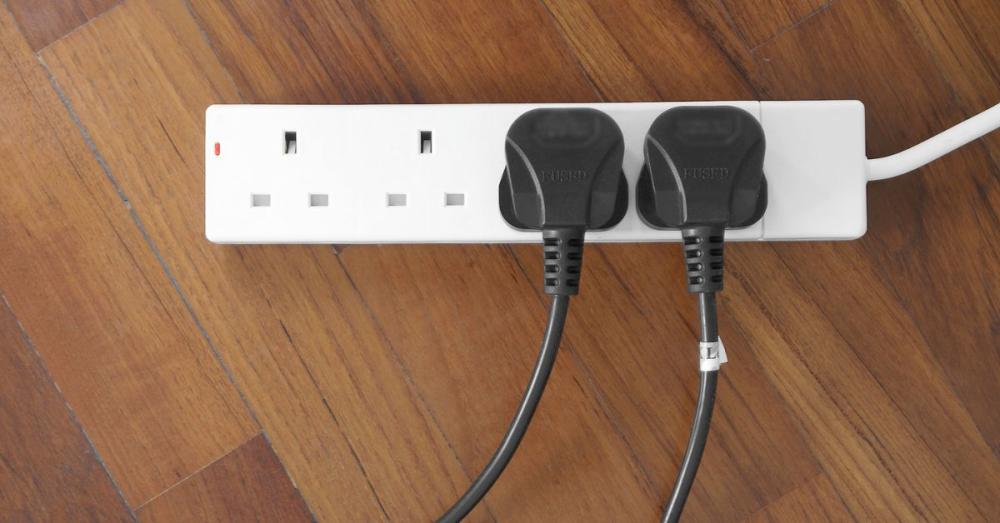
Avoid overloading sockets and extension leads
One of the most common mistakes in student homes is plugging too much into one place. Extension leads should not be overloaded, adaptor blocks should not be overused, and cable drum extensions should be fully unwound during use to reduce the risk of overheating.
A good rule is to spread out high-powered appliances where possible. Kettles, microwaves, heaters and hair dryers all draw significant power, so they should never be treated like ordinary phone chargers.
Keep heat-producing appliances clear
Microwaves, toasters and portable heaters need space around them. Do not store boxes, tea towels, food packets or any clutter on top of a microwave and keep flammable items away from anything that gives off heat.
Charging habits matter too. Avoid charging devices overnight on beds, sofas or piles of clothing, where heat can build up without you noticing.
What Students Should Never Do
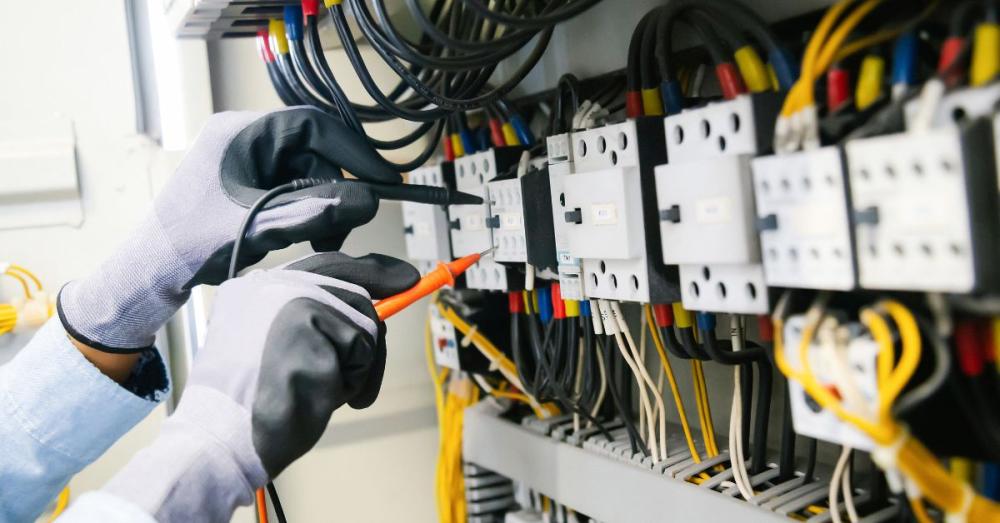
Do not attempt electrical repairs yourself, even if the issue seems minor. If a socket is sparking, an appliance is faulty or a fitting stops working, report it to your landlord or managing agent and insist on a qualified electrician.
It is also smart to avoid cooking when you are very tired or have been drinking. Late-night food may sound like a good idea after a night out, but distracted cooking remains one of the easiest ways to start a fire in shared accommodation.
Finally, be selective about where you buy chargers and cables. Electrical Safety First found that 98% of fake or lookalike Apple chargers tested in the UK had the potential to cause electric shock or fire, which is a strong reason to buy only from trusted retailers and recognised brands.
Warning Signs You Should Never Ignore
Some electrical faults give clear early warnings. If you notice flickering lights, buzzing sockets, repeated fuse trips, hot plug sockets, a burning smell or black marks around outlets, stop using the affected item or area straight away and report it.
These signs usually mean something is wrong, not something to “keep an eye on” for a few weeks. Fast reporting can prevent larger faults, costly damage and safety risks for everyone in the property.
Source - Staley Electric
Key Takeaways
- Check sockets, plugs and supplied appliances for damage as soon as you move in.
- Test smoke and carbon monoxide alarms on arrival and throughout the year.
- Never overload sockets or daisy-chain extension leads.
- Avoid cheap, unbranded or counterfeit chargers.
- Report flickering lights, hot sockets and burning smells immediately.
- Leave electrical repairs to qualified professionals.
Stay Safe with Trusted Electrical Products from Meteor Electrical
Electrical safety starts with good habits, but it also depends on using reliable products from trusted suppliers. For landlords, electrical contractors, facilities managers and trade buyers supporting student accommodation across the UK and European markets, Meteor Electrical offers a strong choice of dependable electrical products backed by industry experience.
Meteor Electrical stocks more than 5,000 branded electrical products ready to dispatch and offers next-day delivery options across its market footprint.
If you want safer, smarter and more dependable electrical supply for your next project, choose Meteor Electrical and source with confidence.
FAQs
1. What are the most important electrical safety tips for students?
Check sockets and plugs for damage, avoid overloading extension leads, test alarms regularly and never ignore flickering lights or burning smells.
2. Are landlords responsible for electrical safety in rented student homes?
Yes. In England, private landlords must ensure fixed electrical installations are inspected and tested at least every five years by a qualified person.
3. Do rented properties need smoke alarms and carbon monoxide alarms?
Yes. In England, rented homes must have at least one smoke alarm on every storey and a carbon monoxide alarm in rooms used as living accommodation with a fixed combustion appliance, excluding gas cookers.
4. Is it safe to use extension leads in student accommodation?
Yes, if used correctly. Do not overload them, do not plug one extension lead into another and fully unwind cable drums during use.
5. Why are fake chargers dangerous?
Counterfeit chargers can overheat, cause electric shock or start fires. Electrical Safety First found that 98% of fake or lookalike Apple chargers tested had the potential to cause electric shock or fire.
6. What signs suggest an electrical fault in a student house?
Watch for repeated fuse trips, flickering lights, buzzing outlets, hot sockets, scorch marks and burning smells.
7. Should students try to fix small electrical issues themselves?
No. Even small faults should be handled by a qualified electrician through the landlord or managing agent.
8. How often should smoke alarms be tested?
Test them when you move in and at regular intervals throughout the tenancy to make sure they are working properly.