
Smarter Cable Management for New Installations - A Practical Guide for Clean, Compliant Runs
Smarter Cable Management for New Installations - A Practical Guide for Clean, Compliant Runs
Following cable management best practices from day one protects circuits, reduces downtime, speeds up fault-finding and makes future upgrades far less painful. Done well, it also improves airflow, reduces accidental damage and helps you present an installation that feels professional.
This guide serves electricians and facilities managers planning new cable runs, retrofits or panel upgrades who want a tidy finish that stays accessible, compliant and stands up to real-world use.
Assess Installation Requirements and Cable Load Early
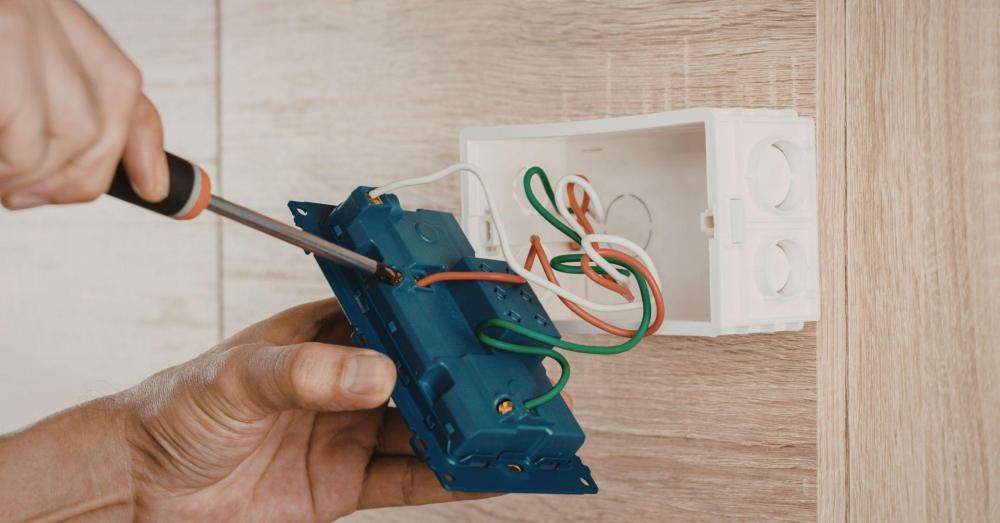
Before you pick trunking or conduit, get clear on what you are actually carrying and where it needs to go. Early planning helps avoid common headaches later - overfilled runs, awkward bends at terminations and last-minute compromises that make testing, labelling or access harder than it should be.
Key checks to make upfront:
- Cable types and purpose - power, lighting, data cabling, fire alarm, CCTV, controls
- Total cable count now and later - allow sensible spare capacity for additions (25%–40% is realistic)
- Heat and grouping - tightly packed runs can increase temperature and affect current-carrying capacity
- Physical constraints - ceiling voids, risers, plant rooms, penetrations, and access panels
- Separation needs - keep sensitive signal cables away from noisy power circuits to reduce interference
- Maintenance access - plan for inspection points, labelling, and safe isolation
Choose the Right Cable Management Systems for the Environment
Match the system to the site not the other way round. Offices favour aesthetics and accessibility, while industrial spaces demand impact resistance, chemical tolerance and durability. This is also where choosing the right cable management products early prevents compromises around bends, entries and equipment terminations.
When selecting cable management accessories, prioritise proper bends, couplers, reducers, glands, and fixings that suit the substrate and loading. If you need to buy cable management accessories for a large site, standardise on a few sizes to keep spares simple and reduce installer error.
If you are looking for broader best practices, common mistakes, and practical containment advice, read our Cable Management Guide : Essential Dos, Don’ts, and Common Mistakes for additional insights on safer, cleaner installations.
Source - Lowe's Home Improvement
Common System Options and Best-Fit Uses
Trunking Solutions:
Galvanised steel trunking
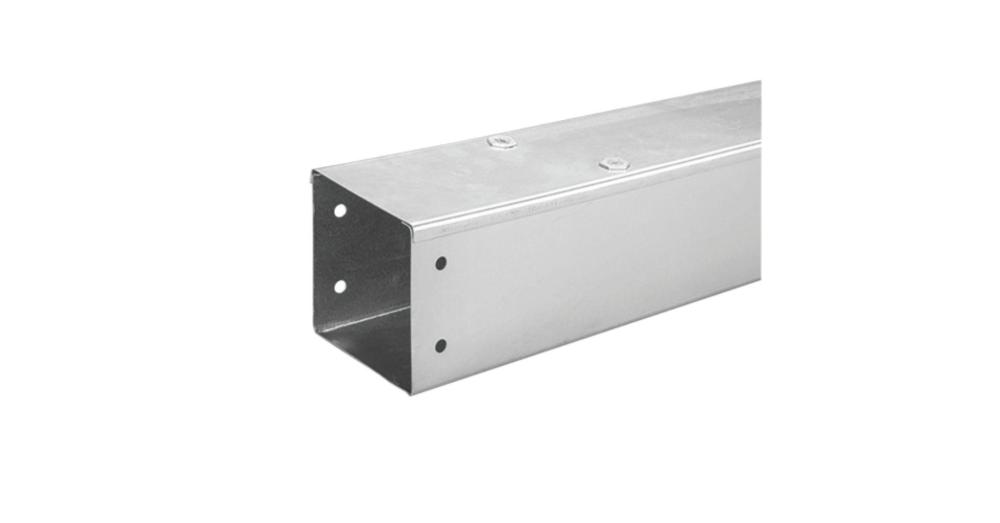
Built for harsher environments like factories and warehouses, it protects cables from knocks, abrasion, and general wear while keeping long runs serviceable
Plastic trunking:
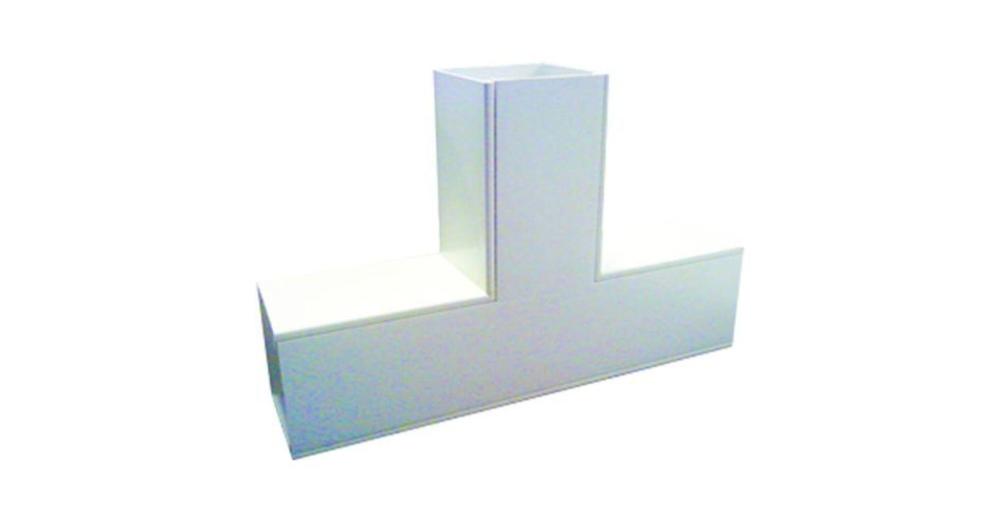
A strong fit for offices and commercial interiors where appearance matters and routes may change, with easy access for additions and alterations
3-compartment dado trunking:
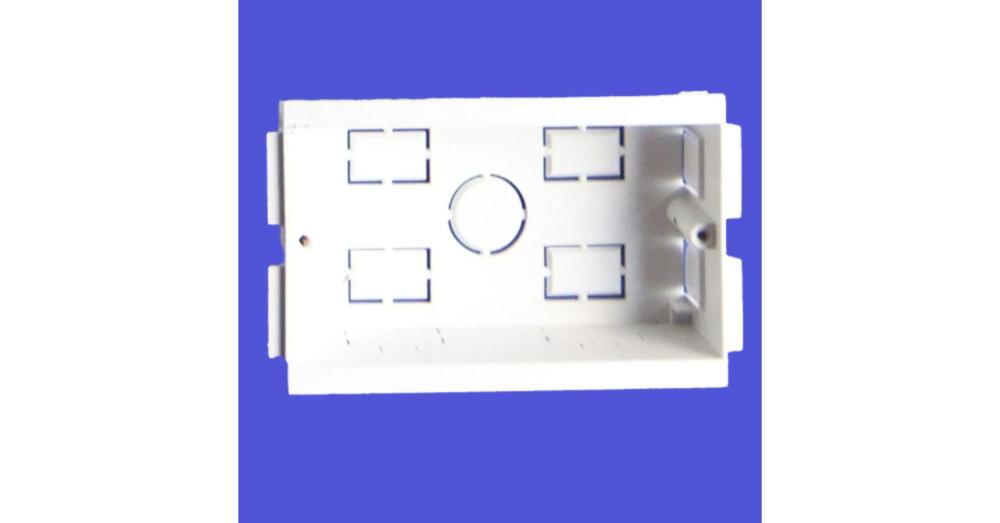
Popular across schools, hospitals, and workplaces because it separates services (typically power, data, and auxiliary) for cleaner compliance and easier fault-finding
Cable Conduits:
Plastic conduit

Lightweight, quick to install, and ideal for many standard routes where speed and handling matter
Steel conduit
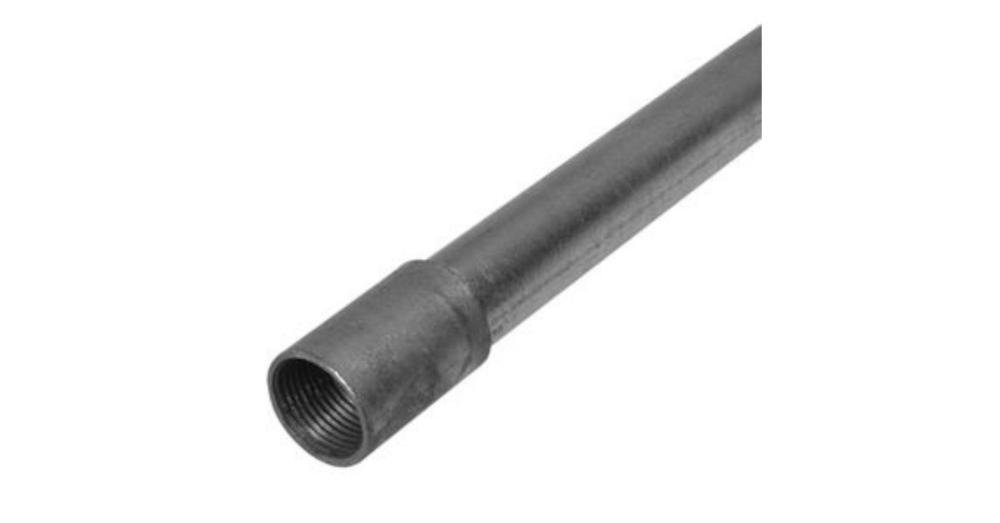
Chosen where durability matters most, especially in exposed areas at risk of impact
Flexible conduit
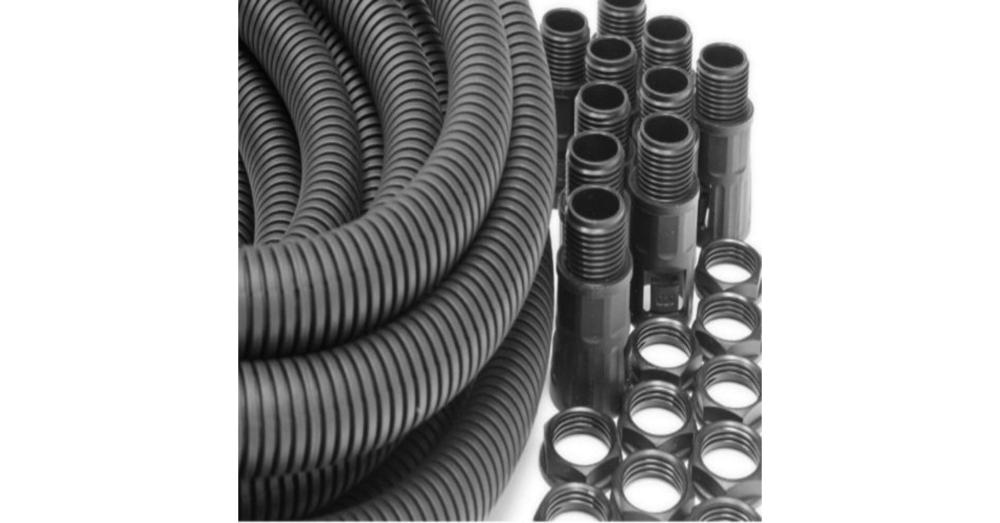
Handy around tight bends, vibrating equipment, or awkward entries, improving protection while keeping routing neat
Plan for Safety, Compliance, and Earthing from the Start
Design safety into the route, rather than trying to “add compliance” at the end. Align your approach with relevant site rules and recognised standards such as BS 7671, and document what you have done so future maintenance teams are not guessing.
If you are reviewing planning fundamentals, our detailed Cable Management Guide explains how poor routing impacts safety and performance.
Earthing components to plan and place deliberately:
Earth box

Keeps critical earthing connections protected yet accessible for checks
Inspection box
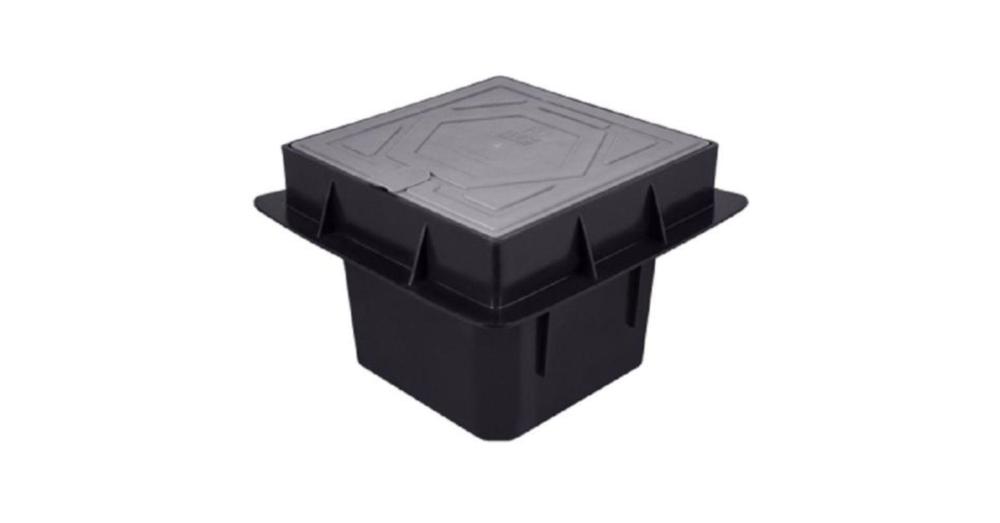
Provides a sensible point for testing and verifying the installation over time
Earth rod
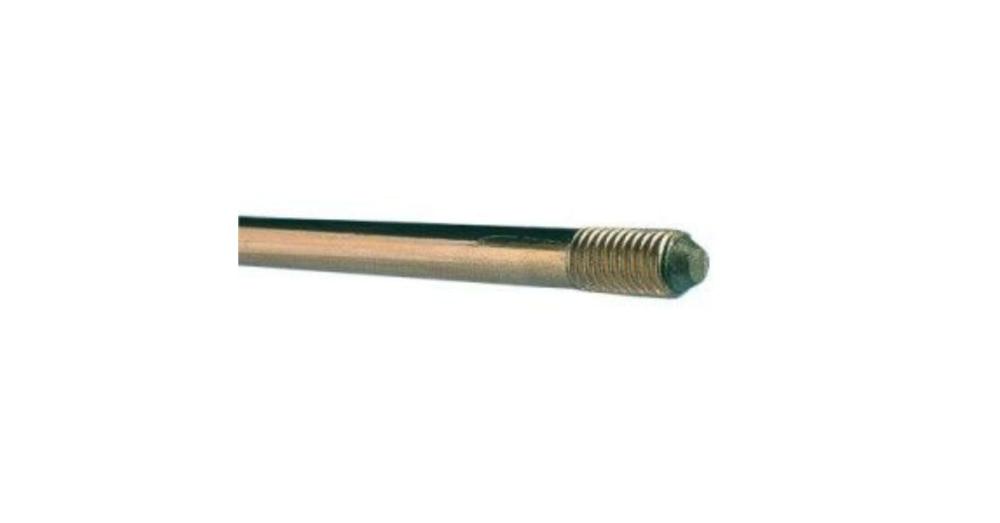
The foundation of many earthing arrangements, installed to suit ground conditions and required resistance
Earth clamp

Ensures a reliable mechanical and electrical connection to the rod or conductor
Earth sleeving
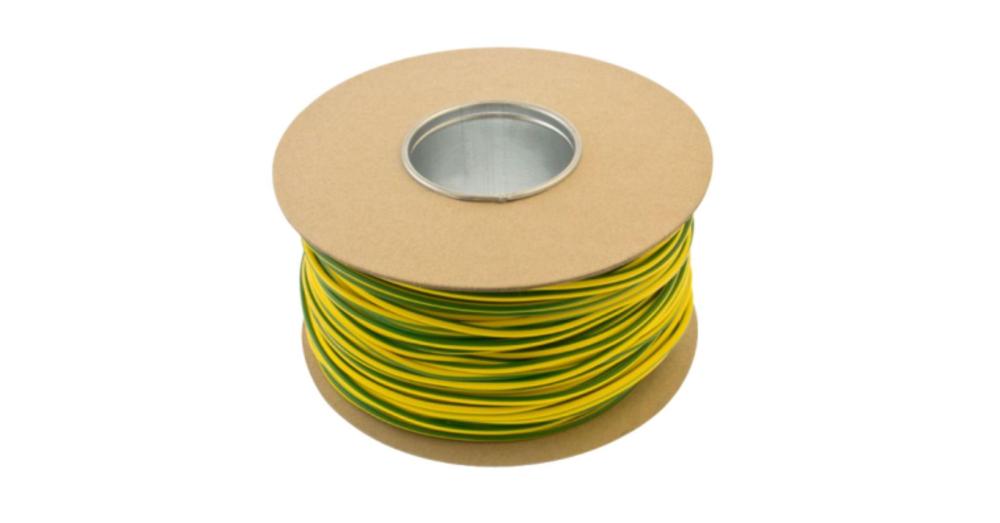
Helps identification and reduces the risk of accidental contact or confusion during maintenance
Did You Know: Excessive cable bunching can increase conductor temperature enough to force de-rating, meaning a circuit that looks fine on paper may run hotter in real life?
Organise Routes Using Boxes, Enclosures, and Floor Boxes
Terminations and junctions need the same discipline, especially where dust, moisture, vibration or casual contact are likely.
Use the right protective hardware:
Galvanised and PVC enclosures
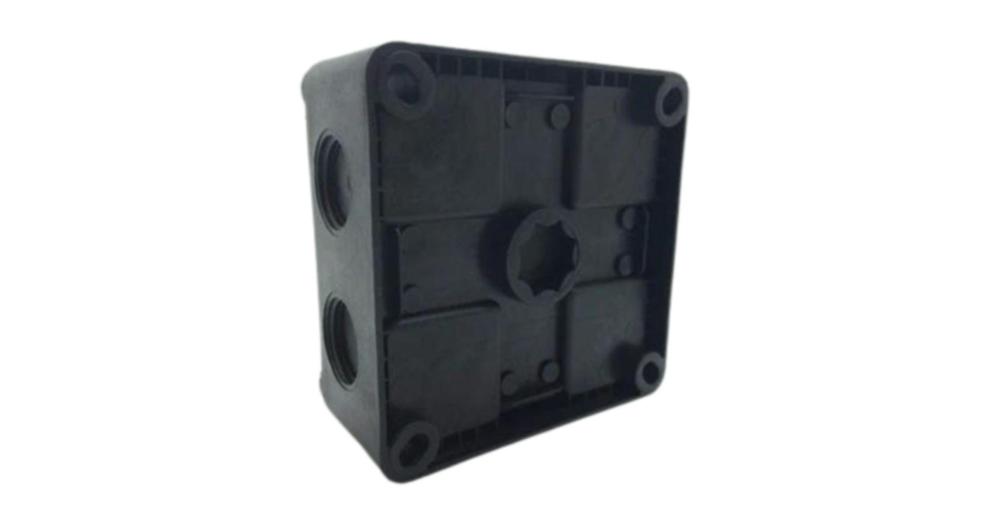
Choose based on location and rating requirements. An electrical enclosure box helps protect connections from knocks, debris and demanding site conditions
Junction boxes
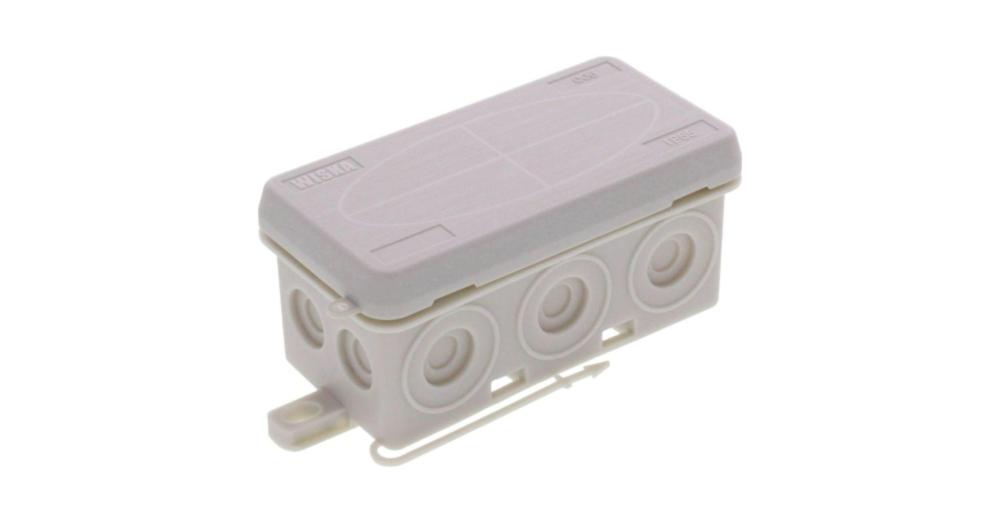
A safer, serviceable way to branch circuits while keeping joints accessible rather than hidden above ceilings or behind finishes
A metal enclosure for electrical equipment often makes sense in plant areas for toughness and security. For enclosure entries, pick compatible glands and strain relief so cables do not chafe or loosen over time.
Key Takeaways
- Start with load, separation, and future expansion, then choose containment
- Match trunking or conduit to environment, access needs, and durability
- Build in earthing and inspection points early for safer verification
- Use enclosures and junction boxes to keep terminations protected and serviceable
- Standardise accessories to reduce delays, errors, and maintenance headaches
Conclusion - Cable Management That Stays Tidy
Plan the route, size for growth and select containment that fits the space and duty. This will avoid most installation headaches. When you are ready to source reliable cable management products for real site conditions, Meteor Electrical — a leading electrical wholesaler in the UK, offers a dedicated range of practical containment, enclosures, and essentials to keep installs clean, compliant, and easy to maintain.
Explore the range today and buy cable management accessories with confidence for your next project.
FAQs
1. How do I choose between trunking and conduit?
Use trunking where you want easy access for changes and additions. Use conduit where you need extra mechanical protection or a more contained route.
2. What spare capacity should I allow for future cables?
A common approach is leaving 25%–40% space for additions, especially in commercial sites where layouts and equipment change.
3. Can I run power and data in the same trunking?
You can, but you should separate services properly for example with compartmented trunking to reduce interference and support good practice.
4. When should I use galvanised versus PVC enclosures?
Choose galvanised for tougher environments and impact resistance. Choose PVC where corrosion resistance and lighter duty protection suit the area.
5. Why are inspection points important in earthing?
Inspection points make testing and verification straightforward, helping you maintain safety and compliance across the installation’s life.