
Cable Management Guide 2026: Essential Dos, Don’ts, and Common Mistakes
Cable Management Guide 2026: Essential Dos, Don’ts, and Common Mistakes
Cable Management is a small change that produces outsized results - fewer trip hazards, less visual noise and quicker maintenance. Orderly cabling also supports safer environments, reduces accidental unplugging, and makes equipment areas easier to clean. At its core, cable management means planning cable routing, securing runs, and protecting wiring using suitable containment and fittings so cables stay controlled, accessible, and safe.
Proper Cable Management for a Safe, Durable and Cleaner Electrical Setups
Loose leads create daily friction and real risk. Feet catch on trailing wires, chair wheels crush insulation, and connectors loosen after repeated snags. Over time, those minor impacts often become faults, downtime, or premature replacements.
Key advantages:
- Reduced trips and snags in walkways and shared areas
- Longer cable life due to less bending and strain at connectors
- Faster fault-finding through clearer wire organisation and labelling
- Easier cleaning around desks, equipment, and skirting runs
- Improved airflow around adapters and devices, cutting heat build-up risk
Did you know:“Dust buildup and tightly bundled cables around power bricks can raise operating temperatures and shorten component lifespan over time.”
The Value Case for Dedicated Cable Management Products
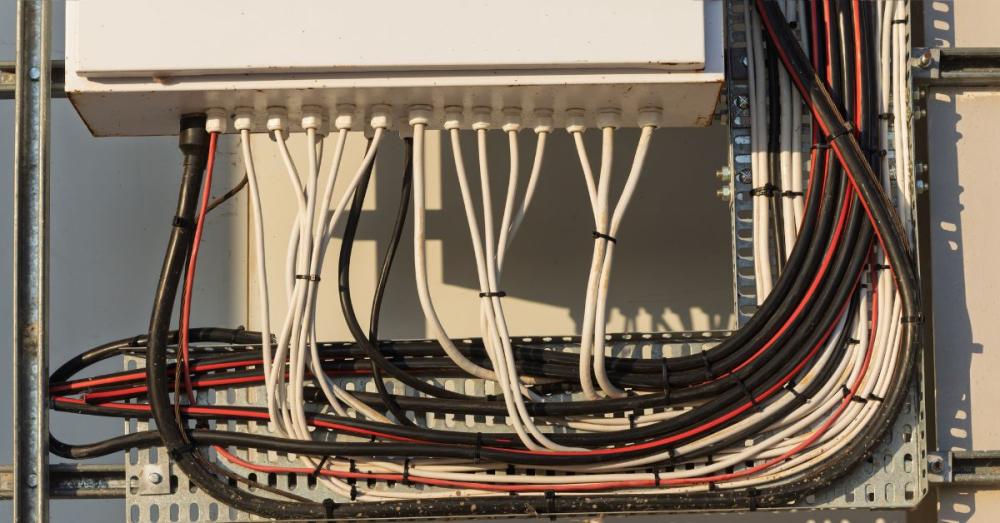
A modest spend on the right products can cost less than one avoidable call-out or a single damaged lead. Tape, improvised clips and over-tight ties look quick, though they often fail under daily movement and cleaning routines.
Cable management best practices focus on practical realities - keep power and data sensibly separated where possible, protect vulnerable routes, label critical connections, and leave service access for future changes. Professional containment also improves consistency across rooms, desks, and risers, which matters in offices, schools, healthcare settings and industrial sites.
When performing an electrical overhaul, buy cable management accessories early in the project, not at the end, since fittings, bends and boxes often determine how neat and maintainable the final result will be.
Key Cable Management Product Types and Where Each Fits
Trunking Solutions
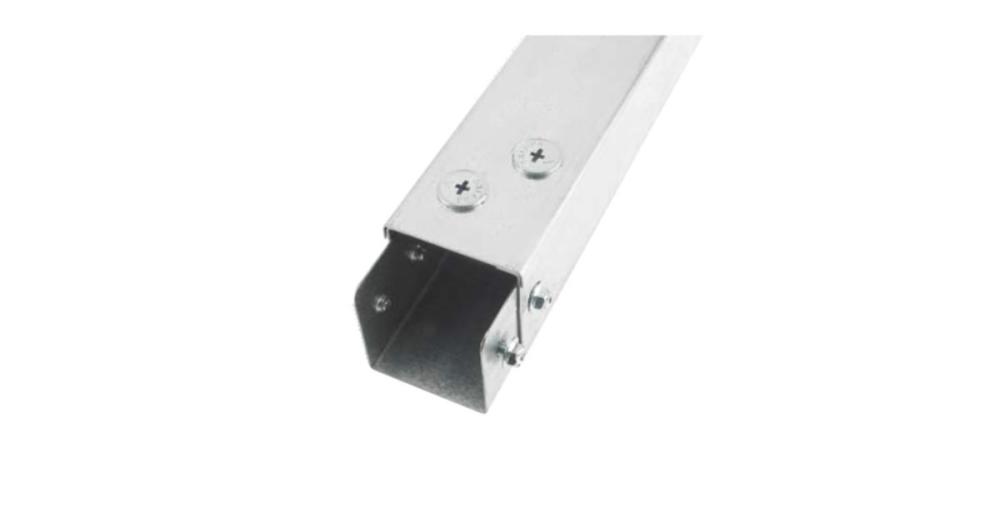
A strong choice in higher-demand areas such as factories and warehouses, offering robust protection against impact and wear.
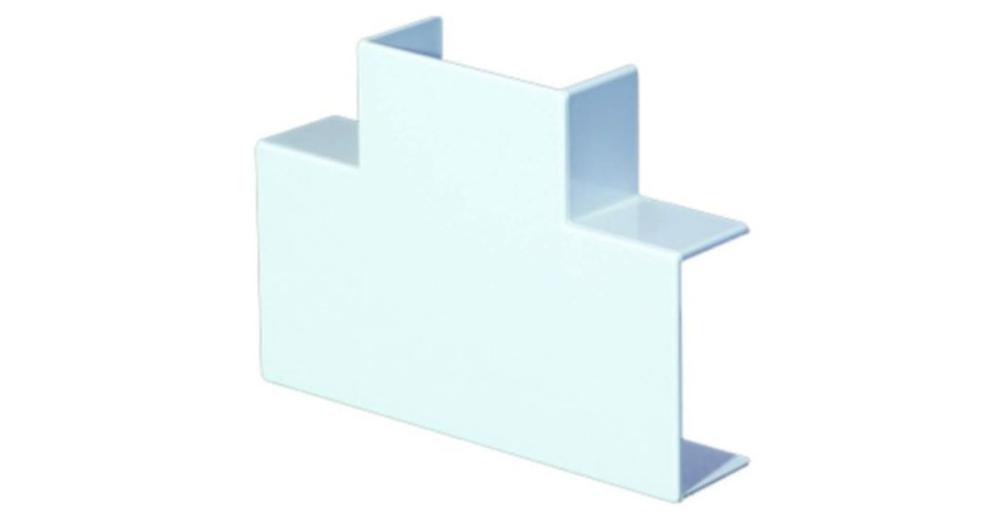
Well suited to offices and commercial interiors where a clean finish matters; electrical trunking runs can stay tidy and accessible.
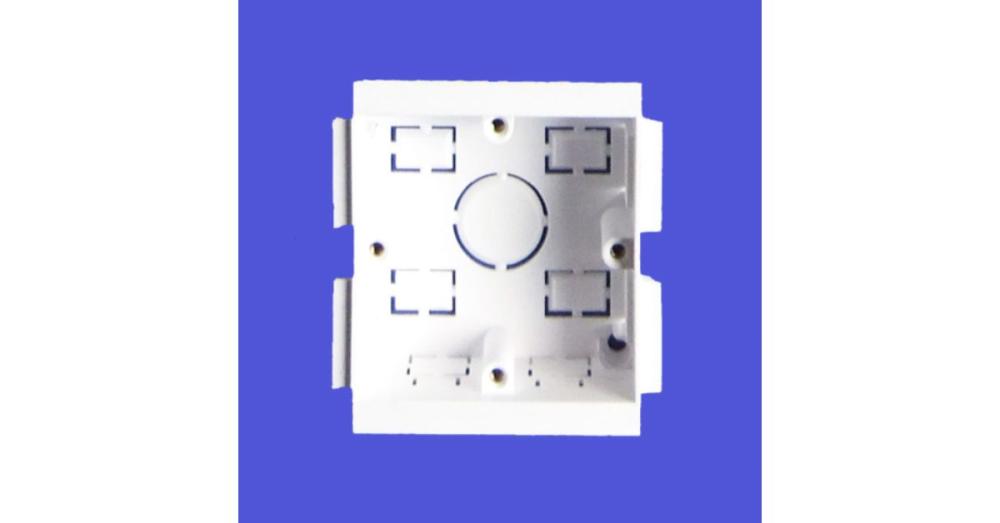
Use widely in businesses, schools, and hospitals as it supports service separation, typically power, data, and auxiliary cabling.
Cable Conduits

Lightweight and practical for many standard routes, especially where handling and installation speed matter.
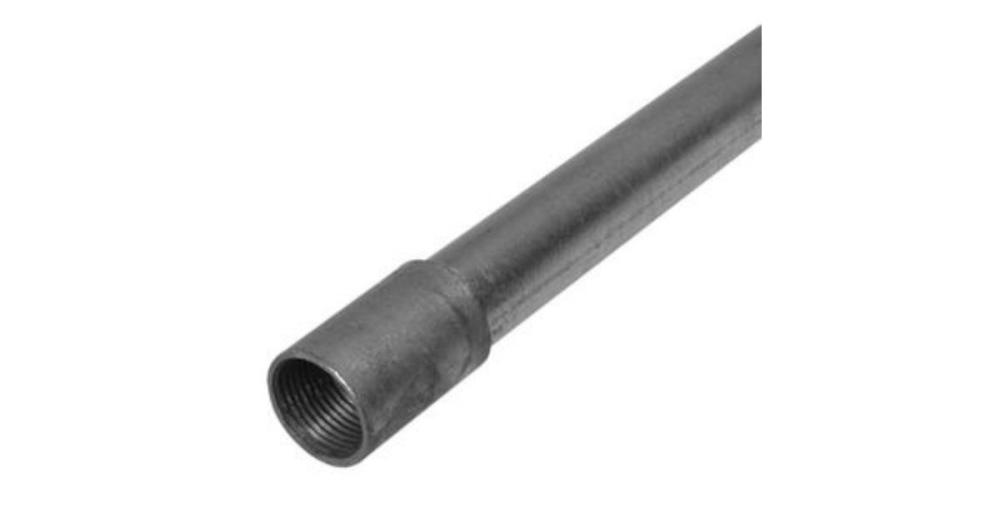
Chosen for durability in tougher environments or areas exposed to knocks.
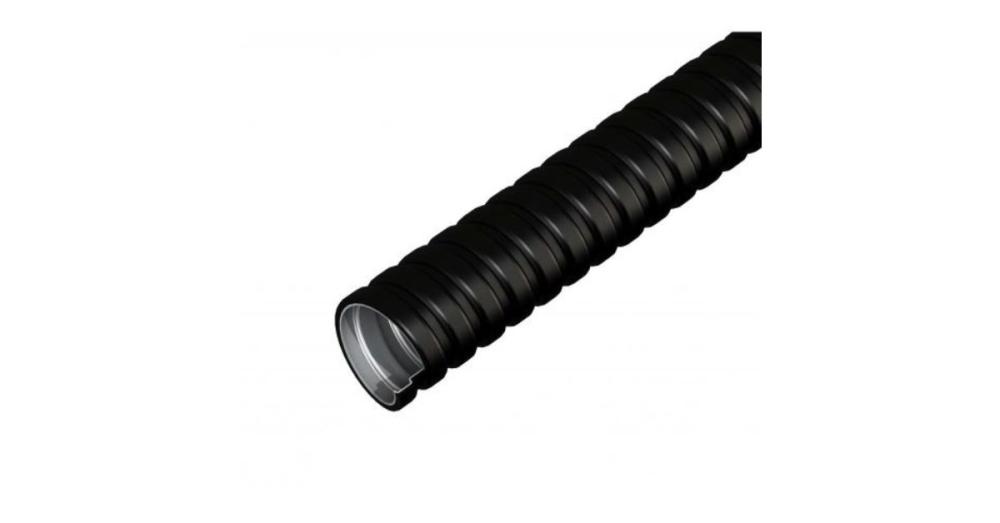
Useful around obstacles, tight bends, or equipment that moves, while still adding protection and a cleaner look.
Boxes and Enclosures
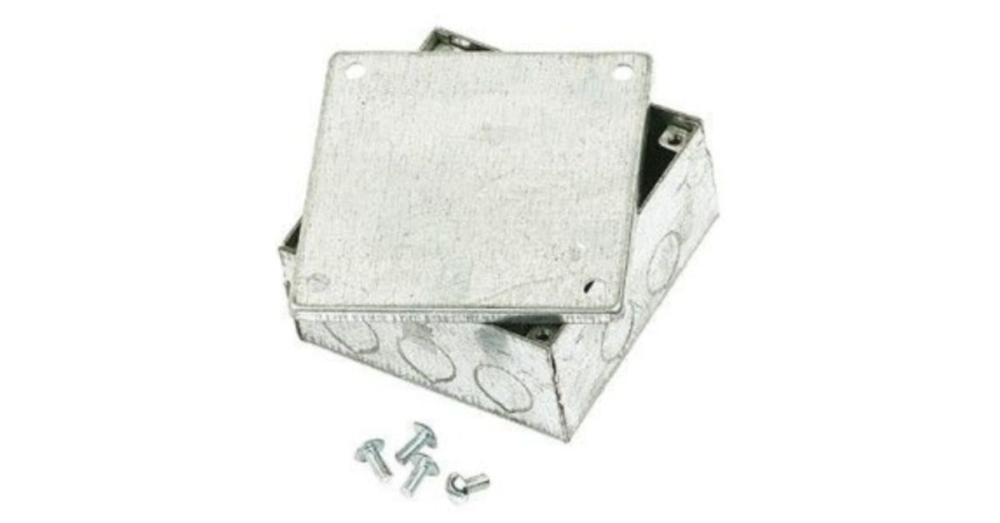
Helpful for shielding connections from knocks, dust, and site conditions, depending on the product rating and location.
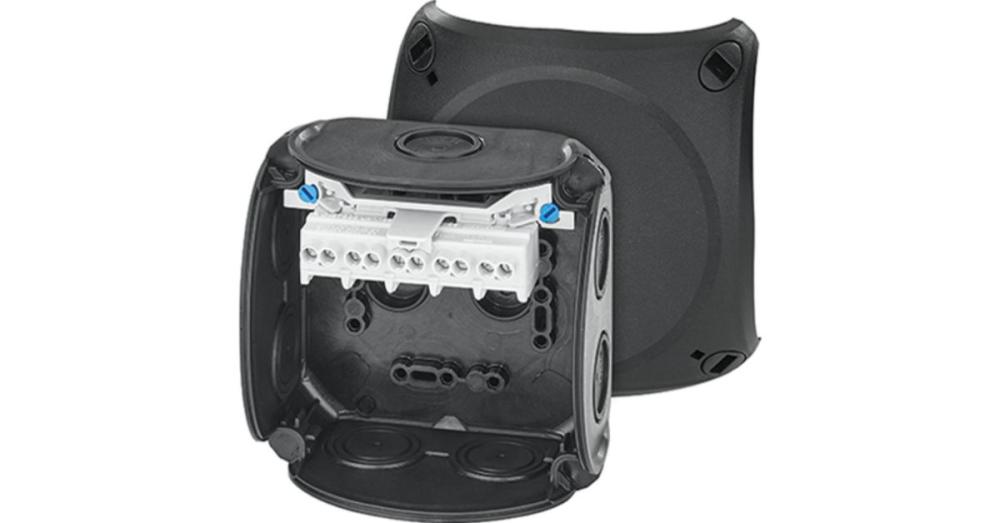
A safer way to branch circuits and maintain accessible connection points rather than hidden joins.
Desk Cable Management - Selecting the Right Solutions
Desk cable management starts by separating fixed items from items that move. Power strips, chargers, and docks usually belong in an under desk zone, while device leads need sensible slack and strain relief.
Cable Management Tips for Choosing Well:
- Map devices and cable paths first, including monitors, docking stations, and chargers
- Pick one hidden route, such as an under-desk tray, cable basket, or rear raceway
- Use grommets to guide cables through desktops neatly and reduce abrasion
- Label both ends of key leads, saving time during changes and troubleshooting
- Add strain relief at desk edges to protect connectors and reduce tugging
A clean result often comes down to the small parts. Cable management accessories such as grommets, clips, cable trays, and trunking fittings should match the desk layout and the real cable count.
Common Cable Management Mistakes to Avoid
Most problems come from rushing or hiding everything too aggressively.
- Overfilling trunking or conduit, making heat, damage, and future additions more likely
- Mixing power and data without planning can introduce interference in some setups
- Pulling cable ties too tight, risking crushed insulation and strained conductors
- Burying junctions behind fixed furniture, slowing repairs and inspections
- Ignoring edge protection, allowing cables to rub on sharp corners and fail early
Source - BTODtv
Conclusion - Practical Cable Management Products that are Built to Last
Cable management delivers safer walkways, cleaner worktops, and quicker maintenance, especially in busy environments where cable routing changes over time.
Meteor Electrical offers a strong range of cable management products and cable management accessories from leading brands such as Marshall-Tufflex, Unistrut, Decoduct, Univolt, C.K TOOLS, Selectric, and Zahler. Upgrade the finish, reduce faults, and simplify future changes.
Visit Meteor Electrical and shop today!
FAQs
1. What does cable management mean in practical terms?
Cable management covers routing, securing, and protecting cables using containment, labels and fittings to reduce hazards and simplify maintenance.
2. What is the quickest win for desk cable management?
An under-desk cable tray plus labelled leads usually delivers the fastest improvement in tidiness, safety, and day to day usability.
3. Which should be chosen: trunking or cable conduit?
Trunking suits accessible, tidy interior runs, while conduit often fits areas needing extra protection or more demanding site conditions.
4. Which accessories matter most for a neat finish?
Grommets, bends, flush boxes, clips and labels often make the difference between a tidy install and recurring cord clutter.
5. How can common mistakes be avoided long term?
Keep access points reachable, avoid overfilling containment, protect edges and plan service separation.
Key Takeaways:
- Good cable management reduces trip hazards, protects cables, and makes cleaning and maintenance quicker.
- Using proper trunking, conduit, and enclosures costs less over time than fixing damage or faults later.
- Choosing the right product depends on the environment, with heavier protection for industrial areas and cleaner finishes for offices.
- Desk cable management works best when cable routes are planned early and small accessories like trays, grommets, and labels are used.
- Most issues come from overfilling, poor separation, tight ties, and hidden junctions, which are easy to avoid with simple planning.