
How to Prevent Electrical Fires at Home: Smart UK Safety Tips
How to Prevent Electrical Fires at Home: Smart UK Safety Tips
Electricity powers nearly every part of modern home life, from kettles and chargers to lighting, heating and entertainment. Yet it is also linked to around 19,300 accidental domestic fires of electrical origin across the UK each year, which makes everyday electrical safety far more important than many households realise.
The good news is that most electrical fires are preventable. With the right habits, a few regular checks and timely help from a qualified electrician, you can lower the risk significantly and protect both your family and your property.
Why Electrical Fires Start at Home
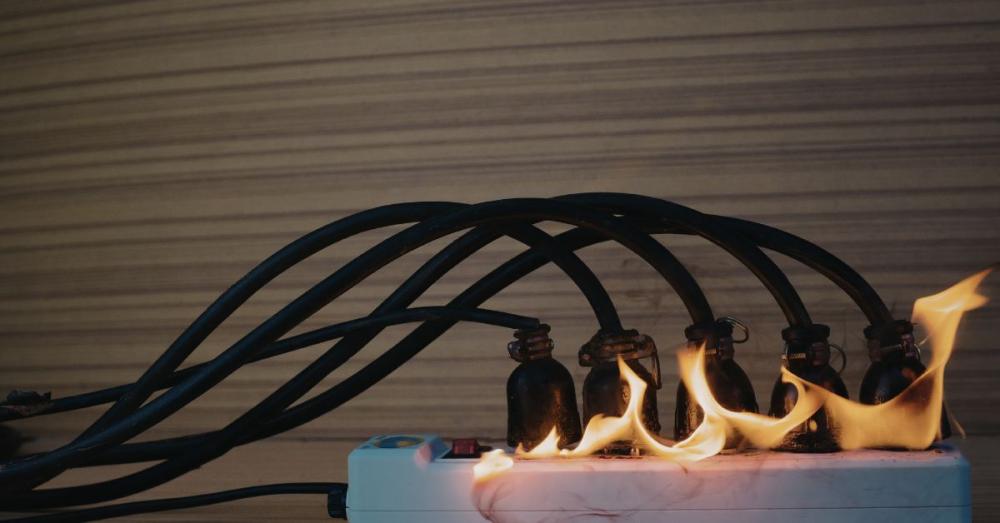
Electrical fires rarely happen out of nowhere. In many cases, the warning signs build up slowly through overloaded sockets, ageing wiring, damaged cables, faulty appliances or heat-producing products being used carelessly.
The Most Common Causes to Watch For
Start by paying attention to what you use every day. Scorch marks on sockets, plugs that feel hot, frayed leads, flickering lights and appliances that smell unusual can all point to a problem that needs attention. If a plug, cord or wall outlet becomes hot during use, stop using it and have it checked by a qualified electrician.
Did you know? Electrical Safety First data shows that misuse accounts for 46.5% of accidental electrical dwelling fires in England, while faulty appliances and leads account for 25.9%.
Check your Wiring Before Problems Escalate
Your home’s fixed wiring is easy to forget as it sits behind walls and ceilings, but it plays a major role in fire prevention. BS 7671 guidance supports periodic inspection and testing so that damage, deterioration and non-compliance can be identified before they become dangerous.
When to Book an Electrical Inspection
If you have just moved into an older property, have not had the electrics checked in years, or notice frequent tripping and buzzing, arrange an Electrical Installation Condition Report. For private landlords in England, fixed electrical installations must be inspected and tested at least every five years, and tenants should receive proof of the inspection.
Use Sockets, Adaptors and Extension Leads Safely
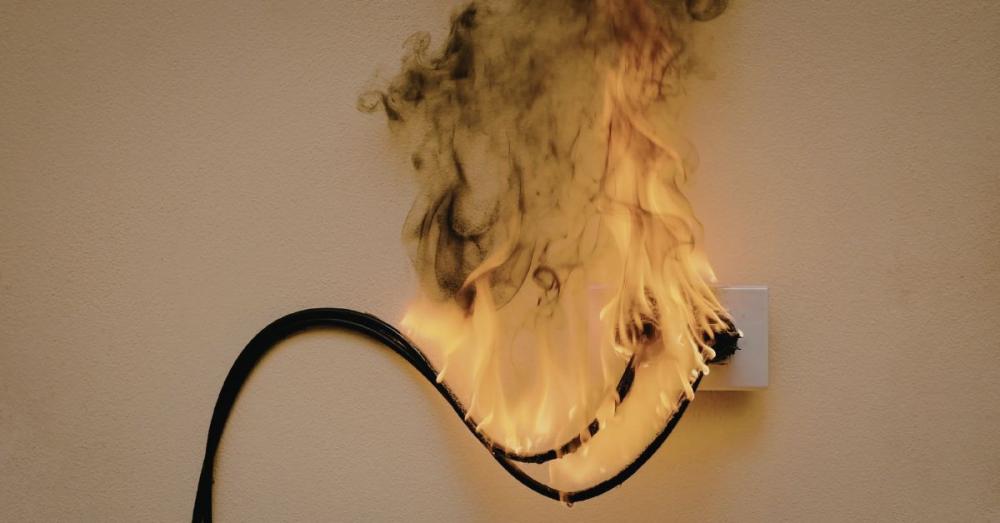
Overloaded sockets are one of the most common household mistakes. High-wattage appliances such as kettles, heaters and irons should not all be run from the same adaptor or extension lead, especially in busy areas like kitchens and bedrooms.
Avoid Overload Risks
As a simple rule, plug heat-producing appliances directly into a wall socket whenever possible. Safety guidance for portable electric heaters specifically warns against using extension cords or power strips as they can overheat and increase fire risk.
Keep Appliances, Cables and Plugs in Good Condition
Small faults in portable appliances often go unnoticed until they become a real hazard. That is why regular visual checks matter, especially for items used daily such as kettles, toasters, hairdryers, chargers and portable heaters.
Small Warning Signs to Act On Quickly
Look for cracked plugs, loose connections, exposed wires and brittle cable insulation. If a cable is damaged, replace the appliance or have it repaired properly rather than taping over the issue.
It is also wise to switch off and unplug items when they are not needed, particularly overnight or when you are out of the room, as unattended electrical equipment can allow a fire to spread faster.
Source - Schneider Electric
Use Heaters and Lighting with Extra Care
Portable heaters are useful in cold spells, but they deserve extra caution. Fire safety guidance recommends keeping anything that can burn at least three feet away from heat sources, including curtains, bedding, furniture, paper and clothing.
Give Heat-Producing Items Space
Always place portable heaters on a stable, level surface and turn them off before you leave the room or go to sleep. Do not dry clothes on heaters, cover air vents, or run heater cords under rugs or carpets.
When changing bulbs, always use the correct wattage for the fitting so excess heat does not build up around shades and fittings.
Key Takeaways
- Check sockets, plugs and leads regularly for heat, scorch marks or wear.
- Book periodic electrical inspections so hidden issues are found early.
- Avoid overloading adaptors and do not run high-power appliances from the same outlet.
- Plug portable heaters straight into the wall, not an extension lead.
- Keep heaters at least three feet from anything flammable and switch them off when unattended.
- Replace damaged appliances and cables promptly instead of relying on quick fixes.
Protect your Home with the Right Safety Products from Meteor Electrical
Preventing electrical fires starts with better habits, but the right products also make a real difference. For electrical contractors and facilities managers looking for reliable fire, safety and electrical supplies, Meteor Electrical offers more than 5,000 branded products ready to dispatch, next-day delivery options and over 40 years of experience as a leading electrical wholesaler serving the UK and Northern Ireland.
Explore Meteor Electrical’s Fire, Security & Safety range and stock up on the essentials that help keep homes and buildings protected. When safety matters, choose a supplier trusted by the trade and built to deliver on time.
FAQs
1. What causes most electrical fires in UK homes?
Misuse is the largest identified cause in Electrical Safety First data, followed by faulty appliances, leads and faulty fuel supplies.
2. How often should homeowners get their electrics checked?
BS 7671 recommends periodic inspection at appropriate intervals, and the next recommended inspection date should be recorded on the EICR.
3. How often must landlords arrange an electrical inspection in England?
Private landlords in England must have fixed electrical installations inspected and tested at least every five years.
4. Is a hot plug socket dangerous?
Yes. If a plug, outlet or cord feels hot, stop using it and have it checked by a qualified electrician.
5. Can I plug a portable heater into an extension lead?
No. Portable heaters should be plugged directly into a wall socket, not an extension lead or power strip.
6. How far should a heater be from curtains or furniture?
Keep anything that can burn at least three feet away from a heater.
7. Is it safe to dry clothes on an electric heater?
No. Drying clothes on a heater can trap heat and increase fire risk.
8. What standard should domestic electrical installations meet?
Electrical installations are assessed against BS 7671, the UK standard for electrical installations.