
Cut Electricity Bills With Smart Energy Upgrades: 10 Practical Tips for Homeowners in 2025
Cut Electricity Bills With Smart Energy Upgrades: 10 Practical Tips for Homeowners in 2025
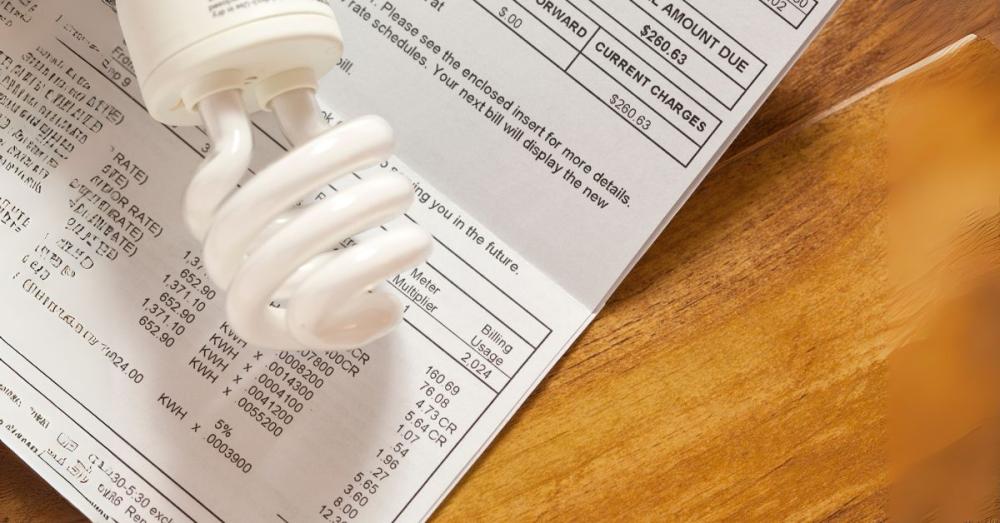
With energy costs rising and environmental concerns growing, making a home more energy efficient is one of the smartest investments available. Whether the goal is to cut electricity bills, reduce a carbon footprint, or create a more comfortable living space, small changes can have a significant impact. From energy-efficient LED lighting for homes to smart thermostats and better insulation, today’s solutions make it easier than ever to improve energy efficiency. Guidance from authorities such as the International Energy Agency show that heating and cooling often account for a large share of home energy use, so optimizing these systems is a top priority.
This guide walks through practical, high‑impact upgrades to reduce energy waste and improve comfort, whether planning a renovation or applying quick fixes.
1. Upgrade to Energy-Efficient Appliances
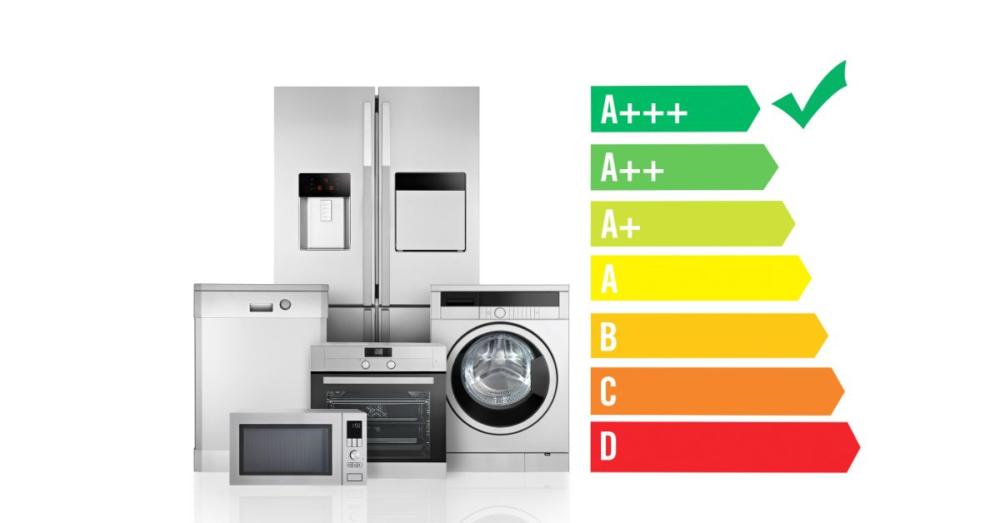
Home appliances account for a meaningful portion of total household energy use, so choosing certified best energy efficient appliances for homes is a fast track to savings. Replacing older refrigerators, washing machines, and dishwashers with high‑efficiency models trims consumption without sacrificing performance. Look for recognized certifications and compare energy labels before buying. Many regions offer rebates or tax credits to offset upgrade costs, improving payback while lowering monthly bills. (UK Energy Label).
2. Switch to LED Lighting
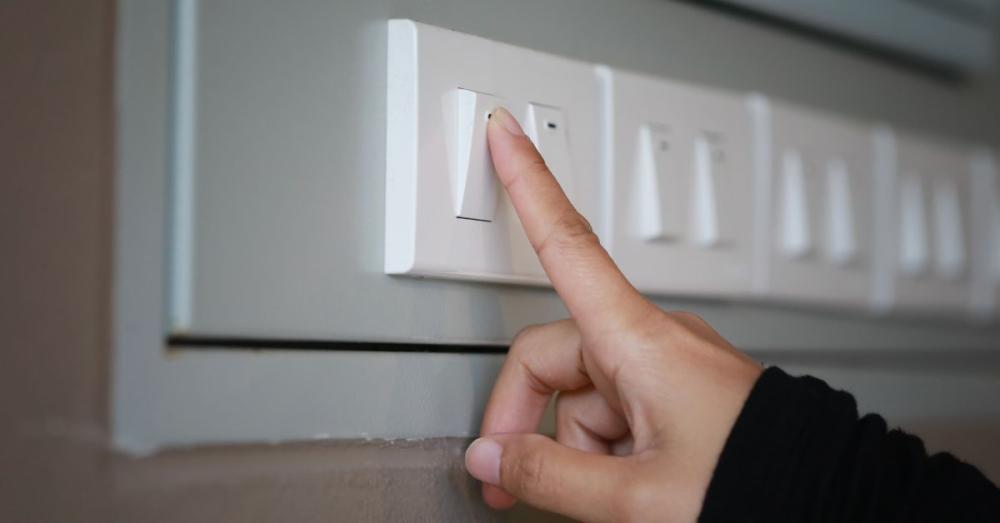
Lighting can represent a notable slice of electricity use, but LEDs can reduce that dramatically. Did you know that switching to LED lighting can reduce your lighting energy consumption by up to 90%? (Energy Saving Trust). By moving to energy-efficient LED lighting for homes, it’s possible to use far less energy and replace bulbs far less often.
Prioritize high‑use fixtures first to accelerate savings. Consider warm or neutral color temperatures and dimmable bulbs for comfort, and add simple controls like timers or motion sensors to ensure lights are only on when needed. Upgrading exterior lights to LEDs adds further savings and improves durability in all seasons.
3. Improve Home Insulation and Seal Air Leaks
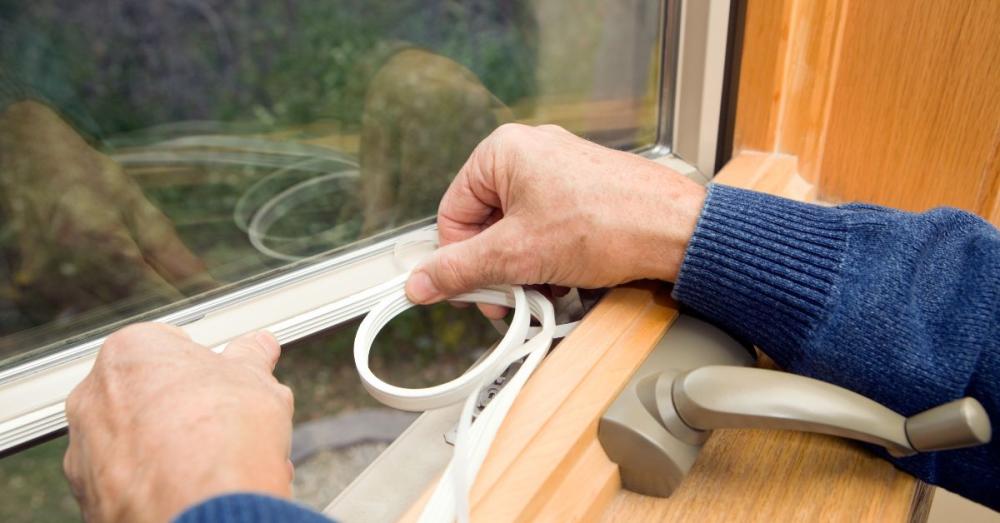
Poor insulation and air leakage cause heating and cooling systems to work harder than necessary. Focus first on attics/lofts, cavity walls, and floors above unheated spaces, then seal gaps around doors, windows, and service penetrations. Double‑glazed or better windows can further reduce heat loss and condensation (Energy Saving Trust). These home insulation and air sealing tips help maintain steady indoor temperatures, reduce drafts, and cut energy waste all year.
4. Install a Programmable or Smart Thermostat
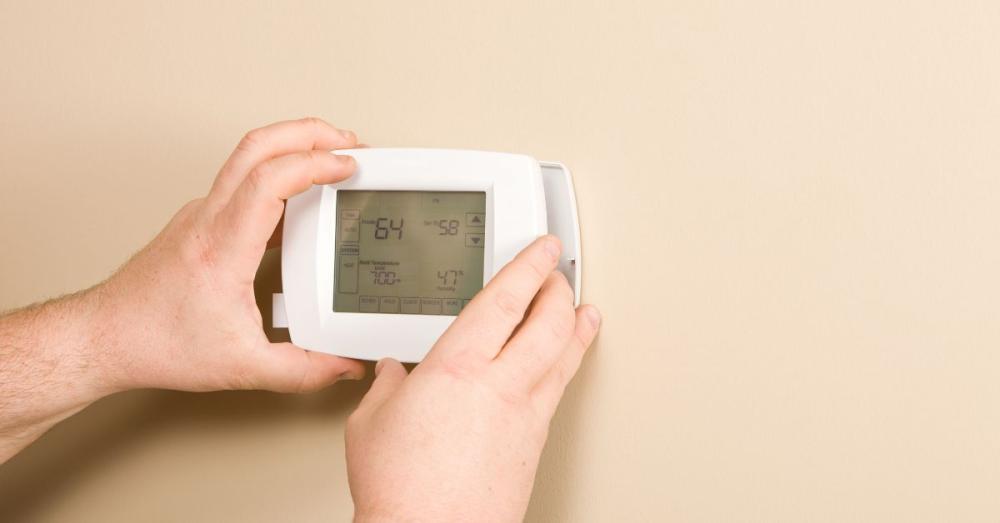
A smart thermostat can automatically adjust heating and cooling to match schedules and occupancy, preventing waste. The best smart thermostats for energy savings offer features like learning routines, geofencing, zoned control, and energy reports to keep comfort high and costs low. Remote control allows fine‑tuning from anywhere, while pairing with smart radiator valves or zoned dampers delivers room‑by‑room precision without major system changes.
5. Consider Renewable Energy Sources

Integrating renewables can help with home solar energy savings and offers incentives that can lead to a long‑term energy plan. Solar PV systems reduce grid reliance and protect against price spikes, and battery storage helps shift daytime generation to evening use. Even smaller steps like solar‑ready wiring, compatible EV chargers, or hot‑water diverters can boost returns. Explore local grants and tax incentives to shorten payback and accelerate decarbonization goals.
6. Upgrade Windows and Doors
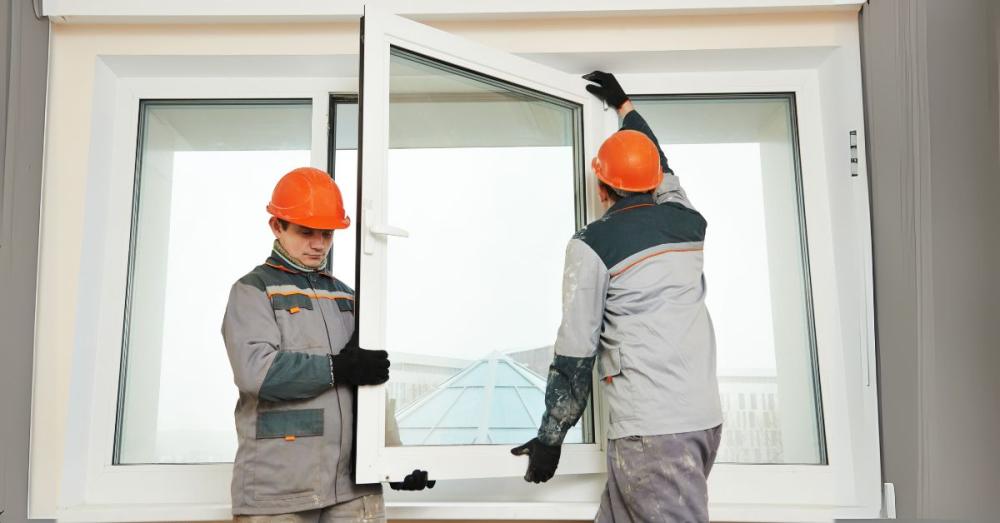
Windows and doors are common sources of heat loss and drafts. Upgrading to double or triple glazing with low‑E coatings and insulated frames helps keep conditioned air inside. Weatherstripping doors, sealing frames, and adding door sweeps are low‑cost improvements with immediate comfort benefits. Window films or thermal curtains can help reduce heat loss in colder months. In phased projects, target the coldest or windiest orientations first to maximize impact.
7. Take Advantage of Government Incentives

Government and utility programs often provide tax credits, rebates, and low‑interest financing for energy‑efficient improvements. Incentives commonly support insulation, HVAC upgrades, heat pumps, smart controls, and renewables. Review eligibility rules, annual caps, and lists of approved products before purchasing. Combining multiple incentives can significantly reduce upfront costs and improve overall return on investment.
8. Use Smart Home Technology
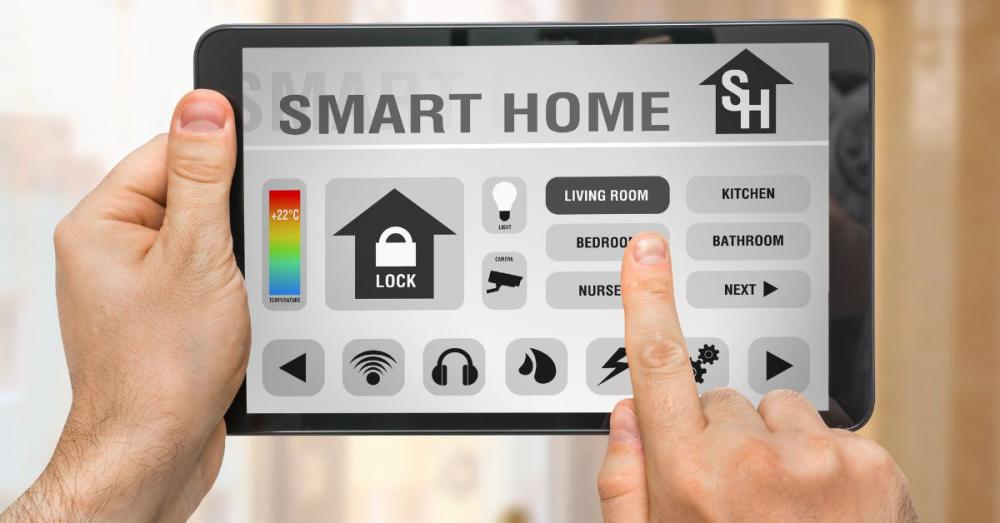
Smart devices help reduce waste and automate efficiency. Smart plugs and advanced power strips cut standby losses by shutting off idle electronics. Motion‑sensor lighting ensures illumination only when needed, while schedules and occupancy detection control HVAC and ventilation intelligently. Focus automation on high‑load circuits and frequently used devices, and review usage reports to identify additional savings over time.
9. Regularly Maintain HVAC Systems
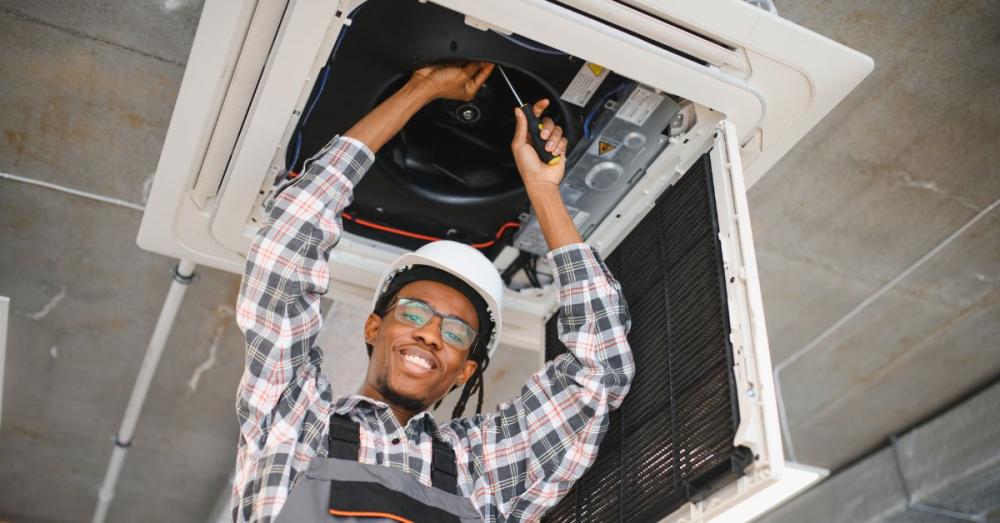
Heating and cooling are typically the largest energy loads in a home. Clean or replace air filters every 1–3 months to maintain airflow and performance. Schedule annual servicing for furnaces, boilers, heat pumps, and AC units to sustain efficiency and extend equipment life. If a system is older or frequently needs repair, consider upgrading to a high‑efficiency heat pump or condensing boiler paired with smart controls for optimized operation.
10. Implement Passive House Design Principles

Passive strategies reduce energy demand at the source. Super‑insulation, airtight construction, high‑performance glazing, and heat‑recovery ventilation can dramatically lower heating and cooling requirements. Even partial adoption in existing homes—air sealing, better windows, balanced ventilation—delivers outsized comfort and savings. The result is a quieter, healthier home with stable temperatures and lower bills.
Source - GreenMatch UK
Conclusion: Upgrade Your Home with Energy-Efficient Solutions from Meteor Electrical
Turning a home into an efficient, comfortable, low‑carbon space starts with focused steps. Begin with quick wins like energy-efficient LED lighting for homes, then lock in deeper gains with home insulation and air sealing tips, best smart thermostats for energy savings, and the best energy efficient appliances for homes. Where feasible, explore home solar energy savings and incentives to multiply benefits over time.
Meteor Electrical simplifies each step with a curated range of lighting, heating and ventilation, smart controls, and accessories to turn plans into measurable results. As a trusted partner for homeowners and electricians, Meteor Electrical offers thousands of quality products designed to elevate efficiency and comfort, with fast delivery and expert support. From LEDs and luminaires to smart thermostats, heating controls, and ventilation upgrades, find everything needed to reduce waste and optimize energy use.
Ready to cut bills and carbon while boosting comfort? Explore Meteor Electrical’s extensive product range and maximise energy‑saving options today!
FAQs
1. What are the easiest ways to improve my home's energy efficiency?
The fastest wins are simple and low-cost: switch to energy-efficient LED lighting for homes, seal drafts around windows and doors, install the best smart thermostats for energy savings, and add insulation in the loft/attic and walls. These steps reduce heat loss, cut HVAC runtime, and can lower bills within the first billing cycle.
2. How much can I save by switching to LED lighting?
LEDs use up to 90% less energy than incandescents and last much longer, so a single bulb swap can save around £60–£70 over its lifetime. Whole‑home upgrades to energy-efficient LED lighting for homes typically deliver rapid payback, especially when you prioritize high‑use rooms like kitchens, living areas, and exteriors.
3. Are smart thermostats worth the investment?
Yes. Many households see 10–15% lower heating and cooling costs with a properly configured smart thermostat. The best smart thermostats for energy savings learn schedules, use geofencing, and provide remote control via app, helping avoid over‑heating or over‑cooling when no one’s home.
4. Do energy-efficient appliances really make a difference?
Absolutely. Replacing old units with the best energy efficient appliances for homes can substantially cut consumption. For example, an efficient refrigerator can trim annual energy use by up to 40% compared to an older model, with similar gains available from washers and dishwashers when upgraded together.
5. Where can I buy energy-efficient electrical products?
Find curated, high‑quality solutions at Meteor Electrical, including energy-efficient LED lighting for homes, best smart thermostats for energy savings, smart plugs, and more. Shop over 5,000 products with fast delivery across the UK and Ireland.