
How to Space Downlights Perfectly: A Simple Room-by-Room Guide
How to Space Downlights Perfectly: A Simple Room-by-Room Guide
Lighting can completely change how a room looks and feels. Get your downlight layout right, and you can make a kitchen brighter, a bathroom more practical, or a living room feel warm and inviting. Get it wrong, and you may end up with shadows, glare, or a space that feels flat.
In this guide, we explain how to space downlights properly, how many you may need, and which fittings suit different rooms best.
Why Downlight Spacing Matters
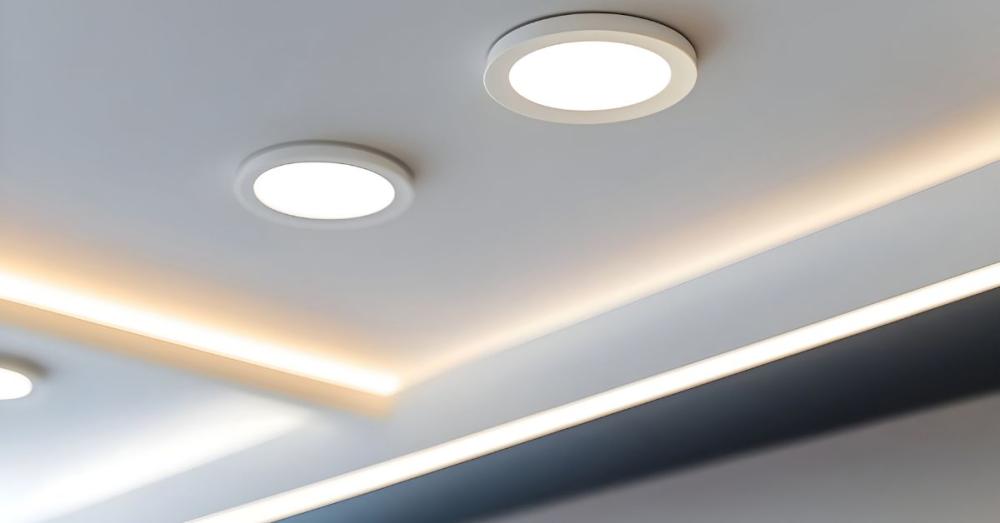
Downlights are recessed ceiling fittings that direct light downwards for a clean, modern finish. They are popular because they save space, suit most interiors, and work well for both ambient and task lighting.
Well-planned downlight spacing helps you:
- Avoid dark patches and harsh shadows.
- Create balanced, even light across the room.
- Improve visibility in working areas such as kitchens and bathrooms.
- Make a room feel bigger, brighter, and more polished.
Did you know? Poorly spaced downlights can make a room feel dim even when you have enough total lumens. Layout matters just as much as brightness.
How to Calculate Downlight Spacing
Start with room size and lux levels
A simple way to estimate light output is: Lumens required=Room area×Target lux
For example, a 5m×4m bedroom has an area of 20m2. If the target is 120 lux, you need around: 20×120=2400 lumens.
If each fitting delivers roughly 400 lumens, you would need around 6 downlights.
Follow a practical spacing rule
As a general guide:
- Place downlights about 0.5m to 1m away from walls.
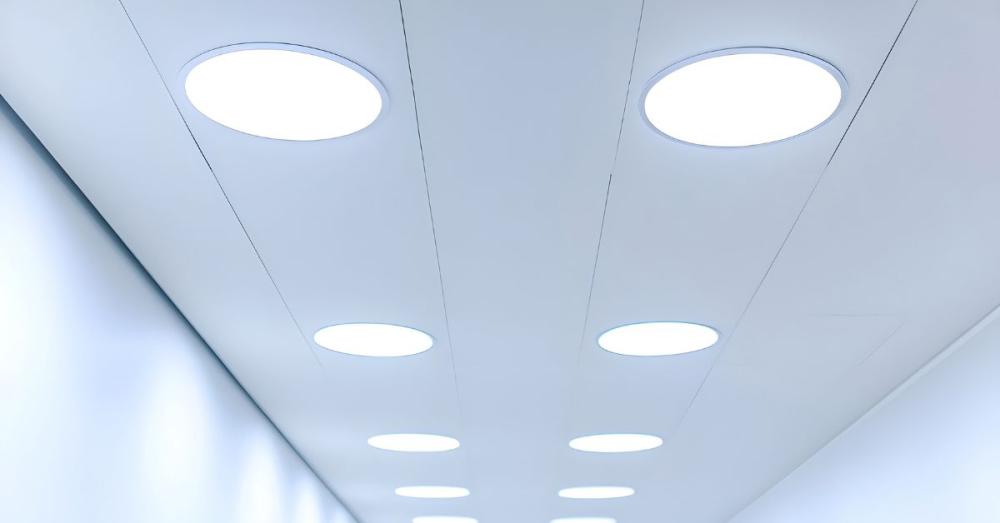
- Space fittings evenly to avoid bright spots and gaps.
- For standard ceilings around 2.4m to 2.5m, keep fittings roughly 1.2m to 1.8m apart, depending on beam angle and lumen output.
Dark walls and floors absorb more light, so you may need extra fittings. Lighter finishes reflect more light and can reduce the number required.
Best Downlight Layouts by Room
Kitchen downlight layout
Kitchens need bright, practical lighting. Position downlights above worktops, islands and preparation zones rather than placing them only in the centre of the room. This reduces shadows while cooking and cleaning.
Bathroom downlight spacing
Bathrooms should feel bright but comfortable. Place fittings near the mirror and shower area, and always choose a suitable IP-rated fitting, usually IP44 or higher, with IP65 preferred in splash zones.
Living room and bedroom lighting
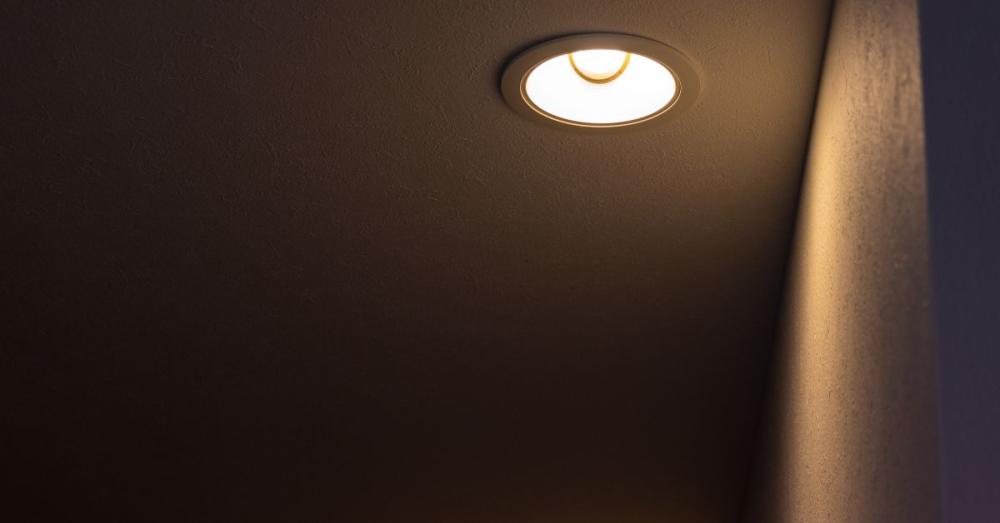
These spaces benefit from softer, layered lighting. Warm white downlights work well for relaxing areas, while dimmable fittings give you more control for evenings, reading, or entertaining.
Source - Globe Electric
Recommended Downlights from Meteor Electrical
1. Mauna 3000K Fire-Rated Downlight
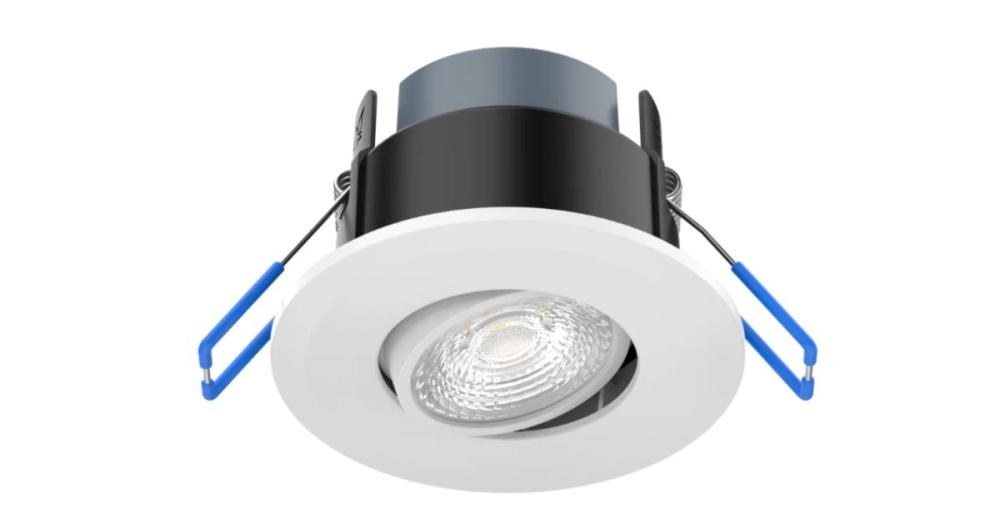
A strong choice for bedrooms and living rooms, this warm white fitting helps create a softer, more comfortable atmosphere while maintaining a clean recessed look.
- Warm 3000K light for a cosy feel
- Fire-rated design
- Great for lounges and bedrooms
- Modern, low-profile finish
Shop Mauna 3000K Fire-Rated Downlight
2. Kosnic Nyos Circular LED Downlight
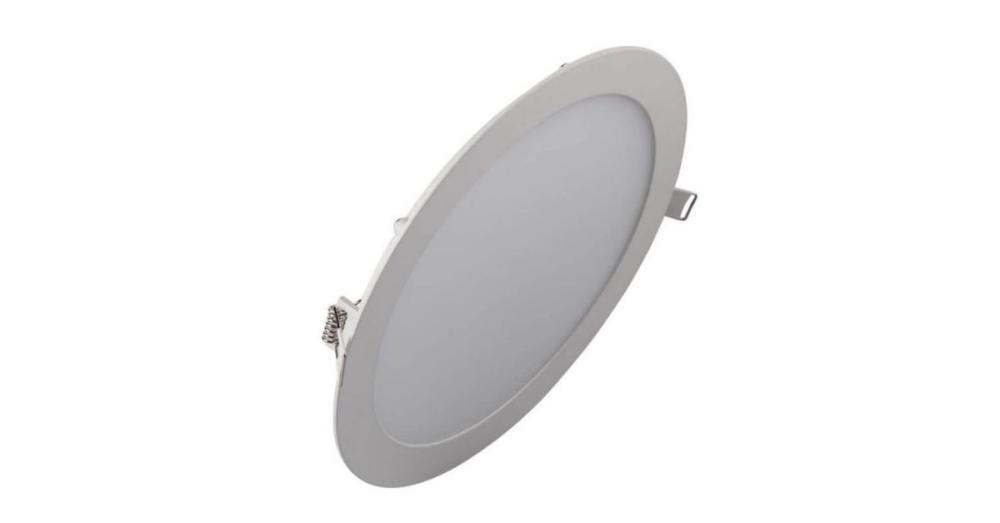
This is a versatile all-rounder for modern homes, especially where you want fire protection, bathroom suitability and a sleek finish in one fitting.
- IP65 rated
- Dimmable driver included
- Fire-rated 30, 60 and 90 minutes
- Compact design for easier installation
Shop Kosnic Nyos Circular LED Downlight
3. Kosnic 550 Lumen LED Downlight Fittings
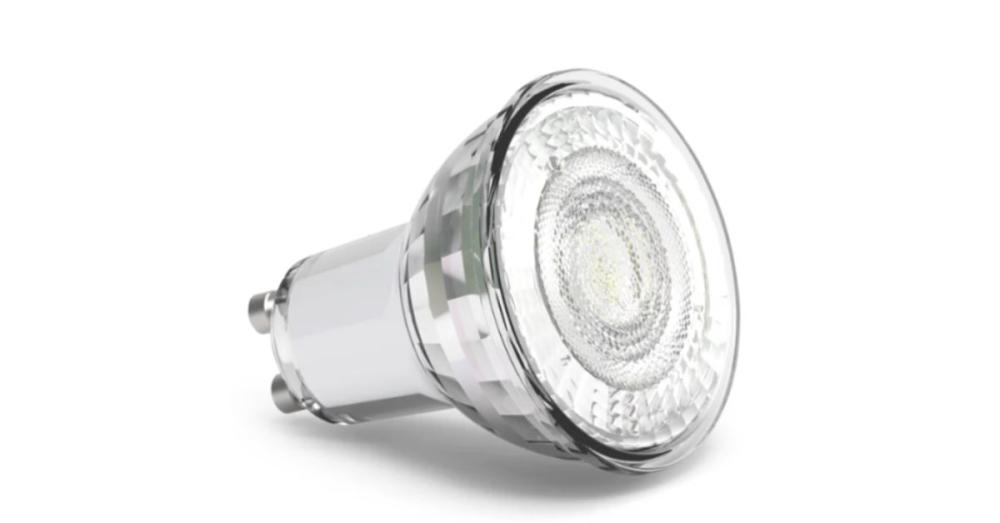
A practical option when planning a standard domestic downlight spacing layout, especially where you need reliable lumen output across bedrooms, hallways or smaller living spaces.
- Around 550 lumens per fitting
- Suitable for general room lighting
- Energy-efficient LED performance
- Good for even light distribution
Shop Kosnic 550 Lumen LED Downlight Fittings
Key Takeaways
- Use room size and lux levels to estimate how many downlights you need.
- Keep fittings evenly spaced for a smoother lighting effect.
- Position lights around key task areas, not just in the room centre.
- Choose warm white for relaxing spaces and cool white for practical areas.
- Always use suitable fire-rated and IP-rated fittings where required.
- Dimmable LED downlights give greater flexibility throughout the day.
Conclusion
Choosing the right downlight layout is one of the easiest ways to improve both the function and feel of a room. By balancing spacing, brightness, room purpose and fitting type, you can create lighting that looks professional and works beautifully every day. For high-quality LED downlights, expert guidance, and dependable stock for electrical contractors and facilities managers, explore
Ready to upgrade your lighting plan? Shop the downlights range at Meteor Electrical today and bring every space to life with confidence.
FAQs
1. How far apart should downlights be?
For standard ceiling heights, a common guide is 1.2m to 1.8m apart, depending on beam angle and brightness.
2. How far should downlights be from the wall?
Usually 0.5m to 1m from the wall works well to reduce shadows and brighten the edges of the room.
3. How many downlights do I need in a room?
It depends on room size, ceiling height, surface colours and intended use. A lumen calculation gives the most reliable estimate.
4. Are LED downlights better for homes?
Yes. LED downlights are energy-efficient, long-lasting, and available in a range of colour temperatures and beam styles.
5. What colour temperature is best for a living room?
Warm white, typically around 3000K, is a popular choice because it creates a softer, more relaxing feel.
6. What colour temperature is best for a kitchen?
Cool white, around 4000K, is often better for kitchens because it improves clarity over worktops and prep areas.
7. Do bathroom downlights need to be IP rated?
Yes. Bathrooms need appropriately rated fittings for moisture protection, with IP44 or IP65 commonly used depending on the zone.
8. Should downlights be dimmable?
If you want more control over mood and brightness, dimmable downlights are well worth choosing