
How to Install a PIR and Microwave Sensor for Lighting: Positioning, Settings and Testing
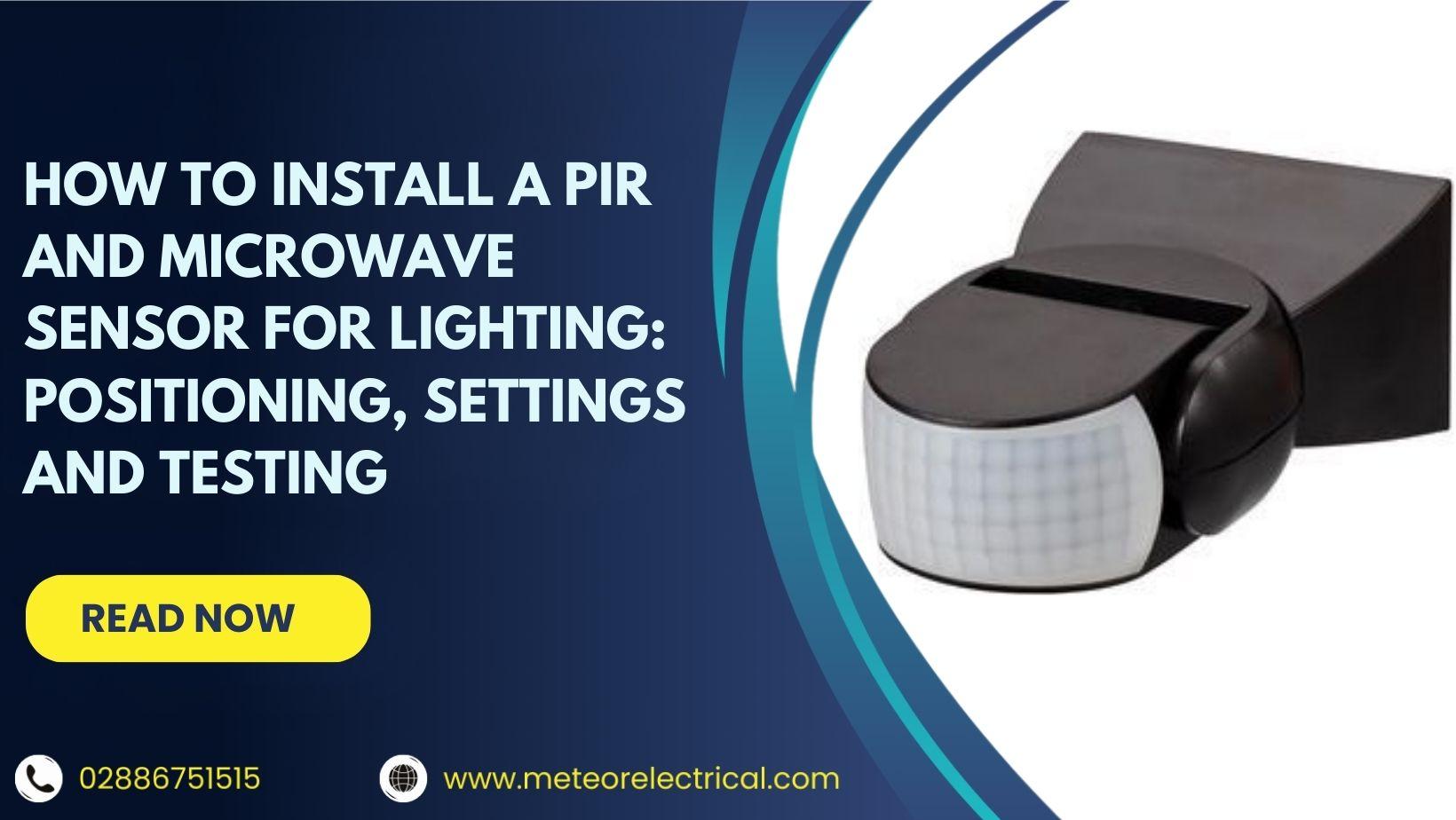
How to Install a PIR and Microwave Sensor for Lighting: Positioning, Settings and Testing
If you want better lighting performance, fewer false triggers and lower wasted energy, proper motion detector installation matters from the start. This guide serves electricians, facilities managers, and maintenance teams who need motion detectors for lights that are easy to specify, install, and test with confidence. It covers PIR sensors for everyday heat-based motion detection and microwave motion sensors for spaces where subtle occupancy is easier to miss.
Which Should You Install - PIR Sensors or Microwave Motion Sensors?
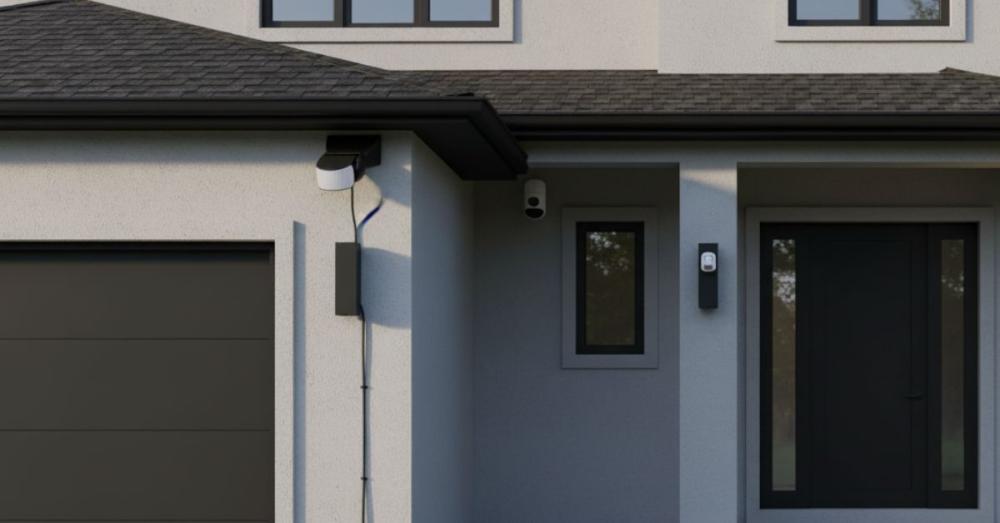
PIR sensors recognise changes in infrared energy from warm bodies which makes them a strong choice for general lighting control in predictable walk-through areas. Microwave motion sensors detect movement using reflected microwave signals and they can be more sensitive in corridors, offices and other areas where small movements matter.
When to Use PIR Sensors for Lighting
Choose PIR sensors when you want dependable activation for entrances, rooms, and routes where people move clearly through the detection zone. They are widely available in wall and ceiling-mounted formats, with Meteor’s category page showing wall mounted, recessed ceiling mounted, and surface ceiling mounted options plus detection distances up to 5 to 12 metres.
When to Use Microwave Motion Sensors
Microwave motion sensors are useful when occupancy is subtle - such as in offices or circulation spaces where someone may be present but moving only slightly.
Did You Know: Microwave sensing can detect motion through some thin obstructions, which is helpful in certain layouts but also means placement needs extra care to avoid nuisance activation outside the target area.
Best Mounting Option by Application
- Wall mounted motion detectors for lights suit entrances, approaches, and doorways where side-on movement is easier to catch.
- Recessed ceiling mounted give a cleaner finish and work well in compact indoor zones that benefit from wide overhead coverage.
- Surface ceiling mounted are practical for retrofit projects where recessing is not convenient or ceiling access is limited.
How Do You Install Motion Detectors for Lights Correctly?
Pre-Installation Checks
Before installation begins, make sure the sensor suits the space, the lighting load and the environment it will work in. A few checks at this stage can prevent nuisance switching, poor coverage and unnecessary call-backs later.
- Confirm the mounting type first - wall mounted, recessed ceiling mounted or surface ceiling mounted. The sensor layout must match the room and detection zone.
- Check if the location is indoor or outdoor and choose the right IP rating for the job.
- Review the connected lighting load to make sure the sensor is compatible with the fitting and wattage.
- Decide whether manual override is needed, especially for entrances, external routes, or areas with variable occupancy.
- Make sure the sensor will have a clear field of view with no major obstructions in its detection area.
Positioning and Coverage Tips
Good positioning is what turns a basic sensor into a reliable one. Even well-specified motion detectors for lights can underperform if they are aimed poorly or placed too close to heat, airflow, or non-target movement.
- Mount the sensor at the recommended height for the product so it covers the intended area without overreaching.
- Aim detection across likely walking routes where possible as cross-traffic is often picked up more effectively than movement straight towards the sensor.
- Keep the sensor clear of vents, radiators, air conditioning units and other hot or cold sources that can cause false detection.
- Avoid placing it where windows, luminaires or direct bright light interfere with accurate lux measurement.
- For outdoor installations, protect cable entries and avoid positions exposed to unnecessary wind movement from trees or shrubs.
Settings and Testing
Once the sensor is fitted, final adjustments make the biggest difference to day to day performance. The three settings most installers need to fine-tune are time delay, lux level and sensitivity or range.
- Set the time delay to suit the space using shorter periods in low-traffic areas and longer run times where occupancy is intermittent.
- Adjust the lux setting so the light only activates when the ambient light level is low enough to justify switching on.
- Remember that daylight testing can distort results if the lux threshold is set too low or too high for the environment.
- Start testing in the sensor’s test mode if available. Walk through the intended coverage zone to confirm reliable activation.
- Increase or reduce sensitivity gradually after each walk test until the sensor responds consistently without triggering outside the target area.
- Retest after every adjustment to make sure the light turns on when needed and switches off correctly once movement stops.
Source - ecologicaltime
Motion Detectors Buy Online: Top Recommendations from Experts
If you are sourcing wholesale motion detectors online for repeat jobs, these three formats cover the most common installation scenarios.
Recessed Ceiling Mounted
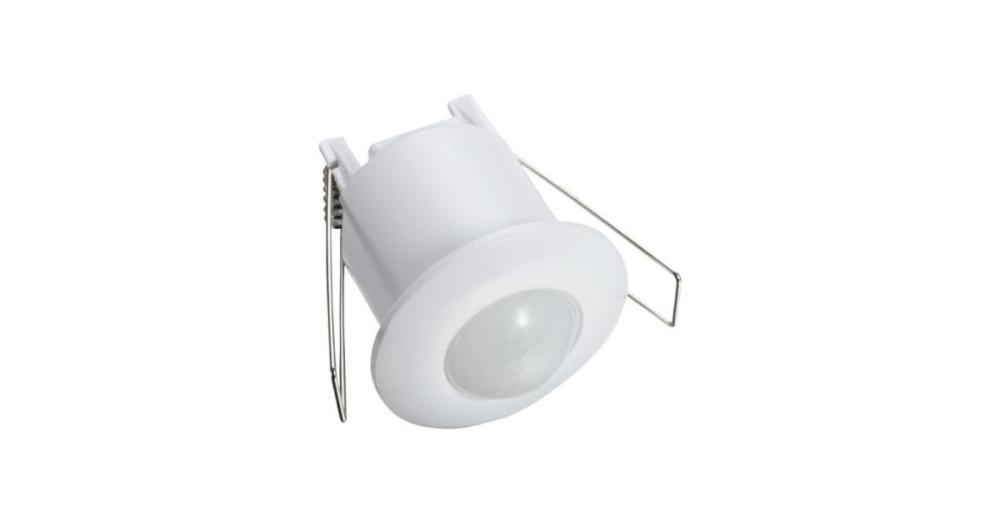
The Forum THEBE 360 Degree Recess Mount PIR Sensor is a neat choice for indoor spaces where appearance matters as much as coverage. It offers broad overhead detection for smaller rooms and circulation areas without adding visual bulk.
- IP20 rated.
- 360° detection angle.
- Up to 6 metre detection distance.
- Adjustable delay from 3 seconds to 15 minutes.
- 3 to 2000 lux control.
Surface Ceiling Mounted
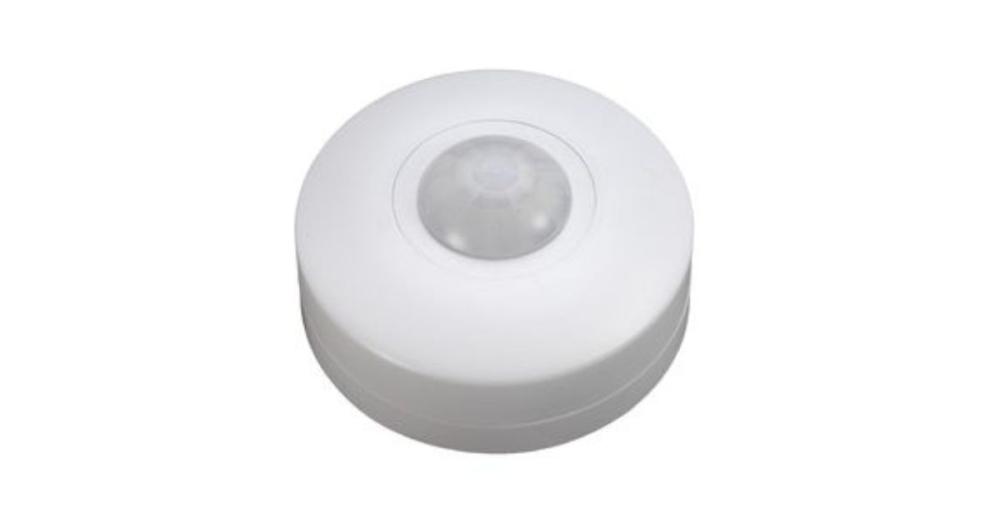
Forum Loca 360 Degree Surface Mount PIR is a practical retrofit pick for stairwells, cloakrooms, and small offices. It gives you wide ceiling coverage without the extra work of cutting in a recessed fitting.
- IP20 rated.
- 360° coverage.
- 6 metre detection distance.
- Adjustable delay from 10 seconds to 7 minutes.
- 3 to 2000 lux control.
Wall mounted
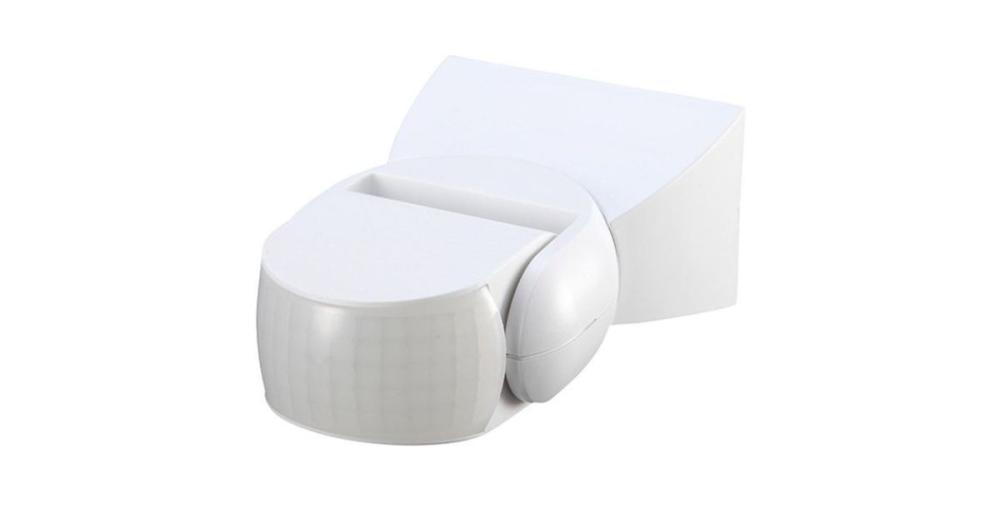
Forum Dion IP65 Adjustable Motion Sensor with Manual Override is the strongest fit for entrances, driveways, and exposed outdoor approaches. It combines weather resistance with flexible control, which makes it a smart option for wholesale motion detectors online for mixed sites.
- IP65 rated for external use.
- 180° detection range.
- 5 to 12 metre detection distance.
- Adjustable timer from 10 seconds to 15 minutes.
- 3 to 2000 lux adjustment and manual override.
Key Takeaways
- Match the sensor type to the way people move in the space.
- Use PIR for standard lighting control and microwave sensing for finer occupancy detection.
- Positioning is just as important as wiring for reliable activation.
- Time, lux, and sensitivity settings should always be tested on site.
- Product format should follow the installation environment, coverage need, and finish required.
Conclusion: Match the Sensor to the Environment for a Safer, Smarter Installation
The best motion detectors for lights are the ones that match the room, the mounting style, and the level of movement you actually need to detect, then get properly tuned for time and lux after fitting.
If you are ready to compare motion detectors buy online, Meteor Electrical offers wall mounted, recessed ceiling mounted, and surface ceiling mounted options in one place for faster specification and ordering.
Explore the range today and find the right fit for your next installation.
FAQs
1) What is the difference between PIR sensors and microwave motion sensors for lighting?
PIR sensors detect changes in infrared heat, while microwave motion sensors use reflected microwave signals and tend to be more sensitive to finer movement.
2) Where should wall mounted motion detectors for lights be installed?
They work best at entrances, doorways, and approach routes where side-on movement is easiest to detect.
3) Are recessed ceiling mounted motion detectors better than surface mounted models?
Not always, because recessed models suit cleaner finishes, while surface units are often easier for retrofit work.
4) How do I reduce false triggers on a motion sensor light?
Keep the sensor away from vents, direct sunlight, and moving foliage, then fine-tune its sensitivity, timer, and lux settings.
5)What should I check before buying motion detectors for lights?
Check the mounting type, IP rating, detection angle, detection range, timer options, and lux control before you buy.