
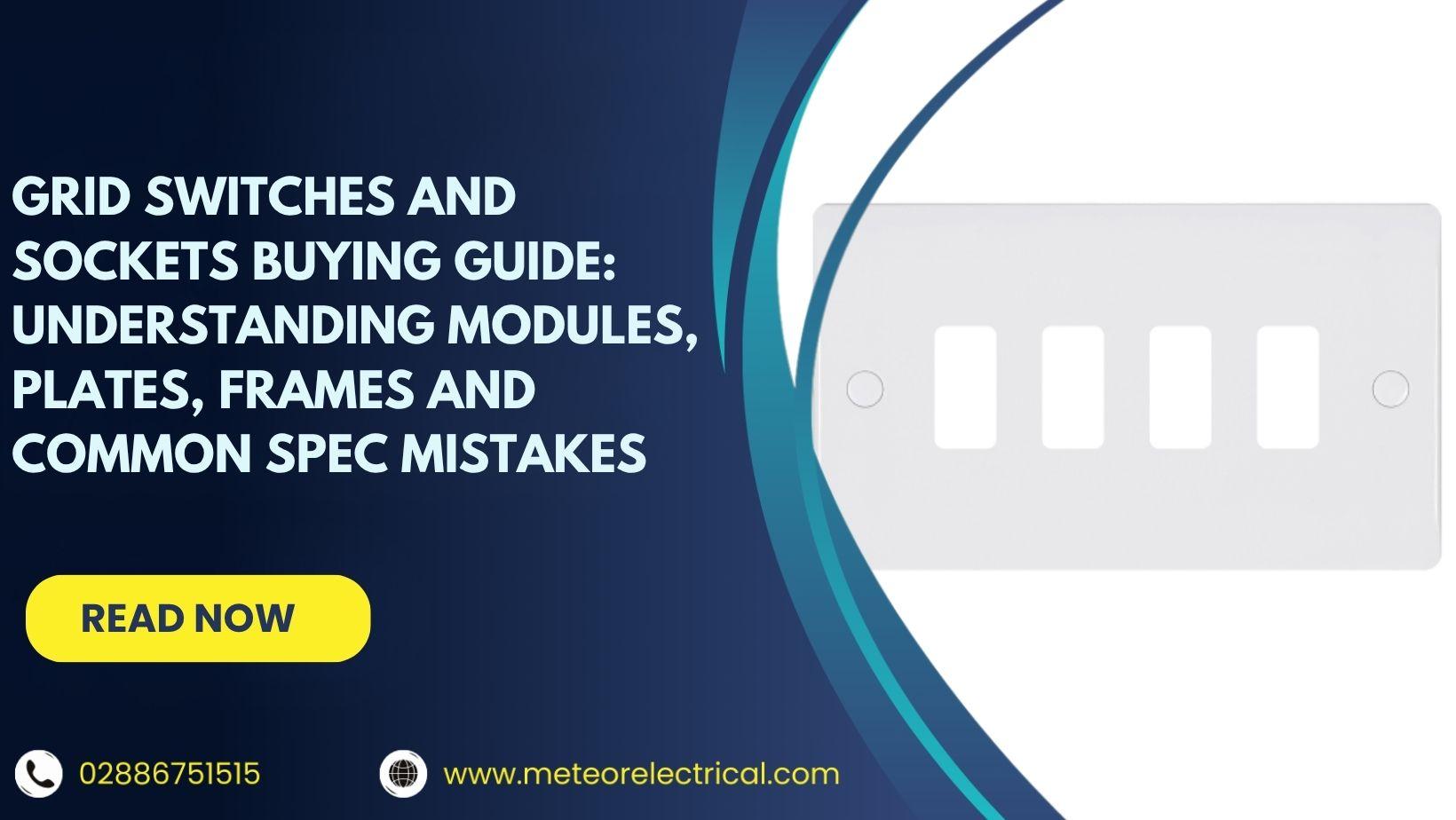
Grid Switches and Sockets Buying Guide: Understanding Modules, Plates, Frames and Common Spec Mistakes
Grid Switches and Sockets Buying Guide: Understanding Modules, Plates, Frames and Common Spec Mistakes
Choosing grid switches and sockets should be simple, but many buying mistakes happen because modules, plates and frames get treated as if they are interchangeable. They are not. One wrong assumption can lead to a poor fit, wasted time on site, or a reorder that delays the whole job.
This guide is for electricians, facilities managers, contractors and home renovators who want to avoid wrong module combinations, incorrect sizing, finish mismatches and incompatible parts. If you have ever asked — “What is the difference between grid modules, grid plates, and grid frames when buying switches and sockets? — this buying guide will help answer that.
What Are Grid Modules, Plates and Frames?
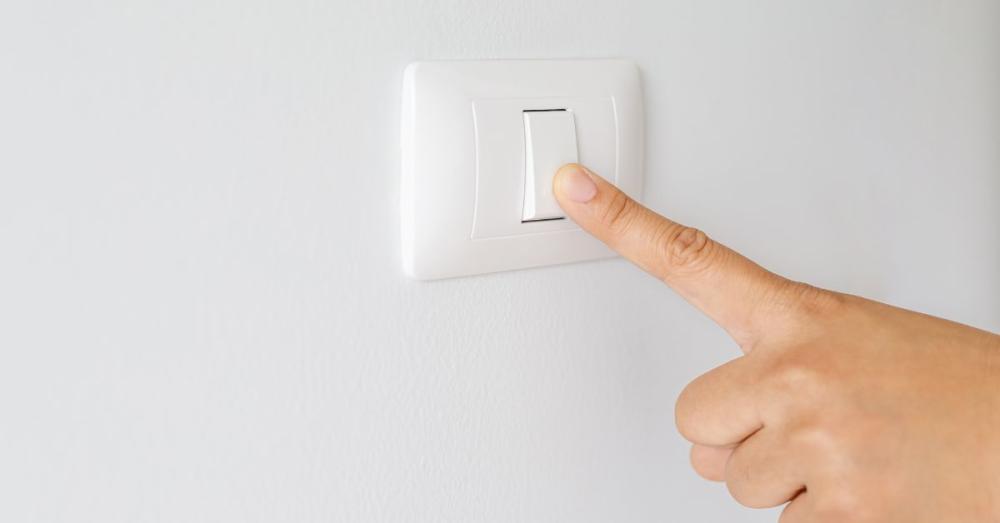
What a Grid Module Does
The module is the working part of the assembly. It performs the actual function, whether that is switching, dimming, isolating or fusing. Common examples include dimmers, intermediate switches, fuses and DP switch modules.
Think of the module as the engine of the setup. In most grid switches and socket modules, you choose the function first, then build the surrounding assembly to suit it.
What a Grid Plate Does
The plate is the visible front section. It shapes the finished look on the wall, but it also needs to match the number of module apertures required. A plate that looks right but has the wrong capacity is a common buying error.
This matters in projects where decorative finishes are part of the specification. Whether you are matching antique brass, satin chrome, matt black or white, appearance should never be chosen without checking compatibility.
What a Grid Frame Does
The frame is the structural support behind the plate. It holds the modules securely and determines how many can be fitted into the chosen assembly. If the frame size is wrong, the whole combination can fail before installation even begins.
How They Work Together
A successful modular setup depends on four things lining up:
- Function
- Fit
- Finish
- Layout
That is why experienced buyers of switches & sockets check module type, frame capacity and plate design as one system, not as separate parts.
How to Choose the Right Grid Switch Configuration
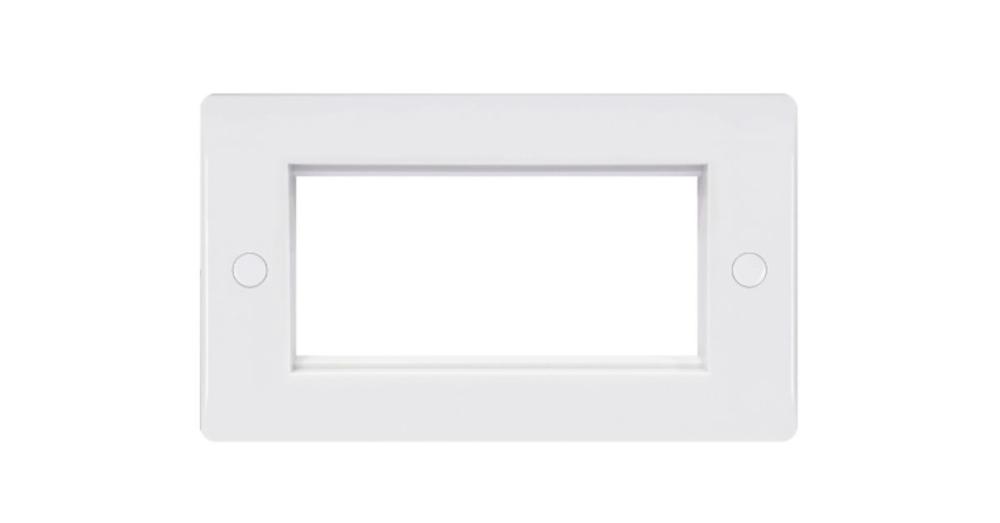
Choose by Application
Different spaces need different combinations. Kitchens often require appliance isolation and DP switching. Offices and retail environments usually benefit from cleaner multi-gang layouts. Utility areas may prioritise practicality and speed of installation over decorative styling.
If you are wondering — “Which grid module setup is best for kitchen appliances, office fit-outs and multi-switch wall plates?” — the answer depends on load type, control needs and finish expectations, not just the number of switches.
Choose by Function
A good buying decision starts with a use case:
- Dimmers for adjustable lighting control
- Intermediate switches for multi-point lighting circuits
- Fused modules for protected appliance connections
- DP switches for safe isolation
Choosing by appearance alone is where many spec mistakes begin. The right function should always lead the selection process.
Choose by Finish
Finish still matters, especially in visible spaces. Popular options include antique brass, satin chrome, matt black, polished chrome, grey and white. For commercial and domestic projects alike, a coordinated finish helps create a more professional final result.
Buyers looking for high quality switches and sockets often focus on finish first, but long-term satisfaction usually comes from getting both performance and presentation right.
Source - John Ward (jwflame)
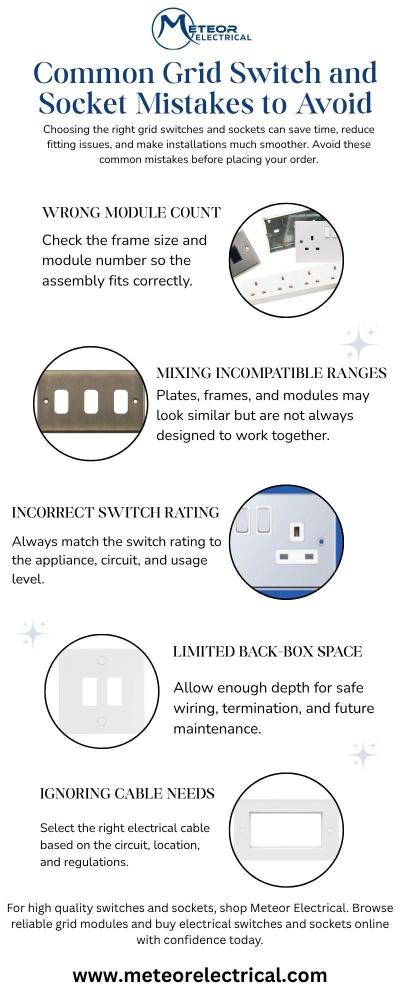
Common Grid Switch and Socket Spec Mistakes to Avoid
Here are the errors that cause the most frustration on-site and at the ordering stage.
- Ordering the Wrong Number of Modules for the Frame: A mismatch between apertures and module count leaves you with an incomplete assembly.
- Mixing Incompatible Ranges: Plates, frames and modules from different collections do not always align, even when they look similar online.
- Choosing the Wrong Switch Rating: Appliance control, isolation duties and commercial traffic all affect what rating is appropriate.
- Ignoring Back-Box Depth and Wiring Space: Tight installations create problems with termination, safety and future maintenance. Good cable management is not an afterthought.
- Overlooking Electrical Cable Requirements: The right electrical cable depends on the circuit, the environment and applicable regulations. In some installations, fire-resistant cable may also be required.
Did You Know - A large number of modular accessory returns happen not because the product is faulty, but because the plate, frame and module were never compatible in the first place?
Buy Electrical Grid Switches and Sockets Online: Grid Modules Available by Finish and Function
If you want to buy electrical switches and sockets online, it helps to compare both style and use case before ordering. Here are several strong options for specific modular layouts.
1. 3 Aperture Modular Plate – Selectric 3 Gang Grid Faceplate Antique Brass
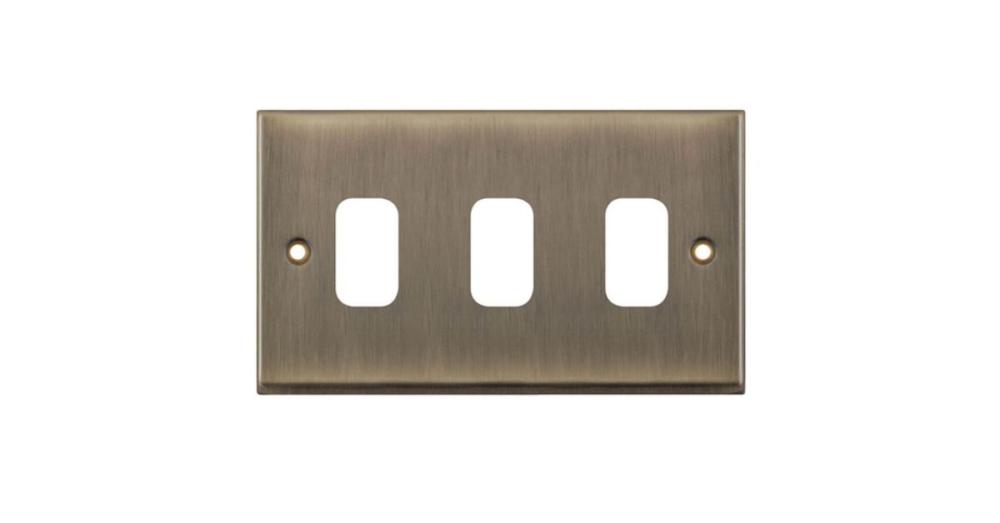
A smart choice for modern interiors that want a warmer, brushed metallic finish. It offers a versatile base for custom module combinations while keeping installation straightforward.
- Antique brass finish
- Size: 146 x 86mm
- Premium grade steel construction
- Modules screw directly into the plate
- Includes fixing screws and 5-year guarantee
Shop Selectric 3 Gang Grid Faceplate Antique Brass
2. 4 Aperture Modular Plate 5M – Selectric 4 Gang Grid Faceplate Satin Chrome
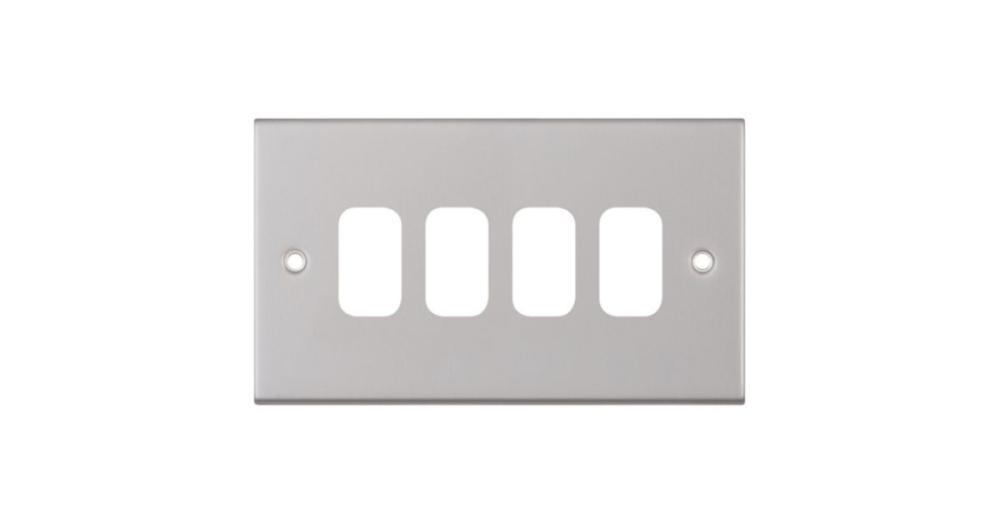
This satin chrome plate suits cleaner, contemporary schemes and supports multiple GRID360 module combinations. It is a practical option where flexibility and a neat finish matter equally.
- Satin chrome finish
- Size: 146 x 86 x 5mm
- Compatible with Selectric GRID360 modules
- Quick installation with no yokes
- BS 5733 compliant
Shop Selectric 4 Gang Grid Faceplate Satin Chrome
3. 10 Amp Retractive Modular Switch – Selectric Black Nickel with Black Insert
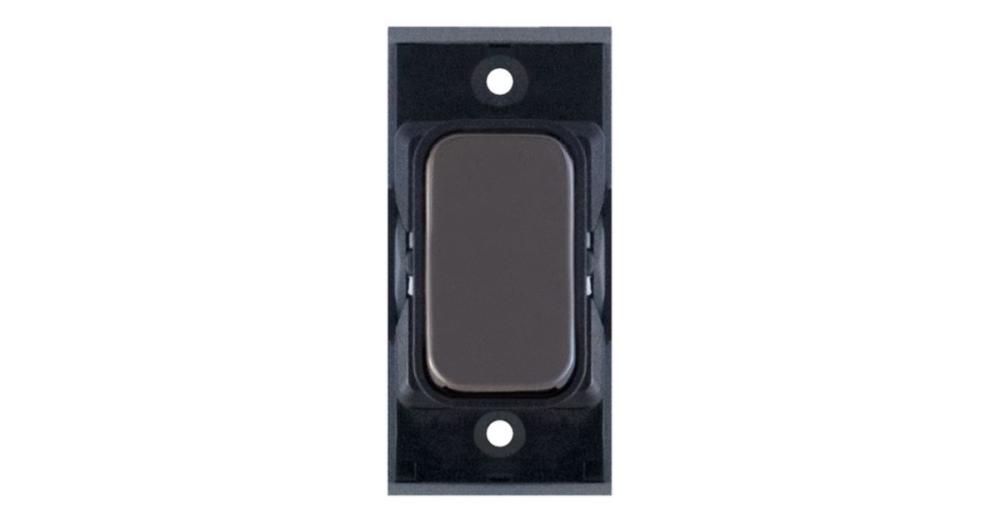
A sleek retractive module for momentary switching applications such as lighting controls or door entry systems. It combines a modern look with dependable everyday use.
- Black nickel finish
- Black insert
- Suitable for retractive applications
- BS EN 60669-1 compliant
- 15-year guarantee
Shop Selectric 10 Amp Retractive Modular Switch Black Nickel
4. 10 Amp DP Key Switch Module – Selectric Polished Chrome with White Insert
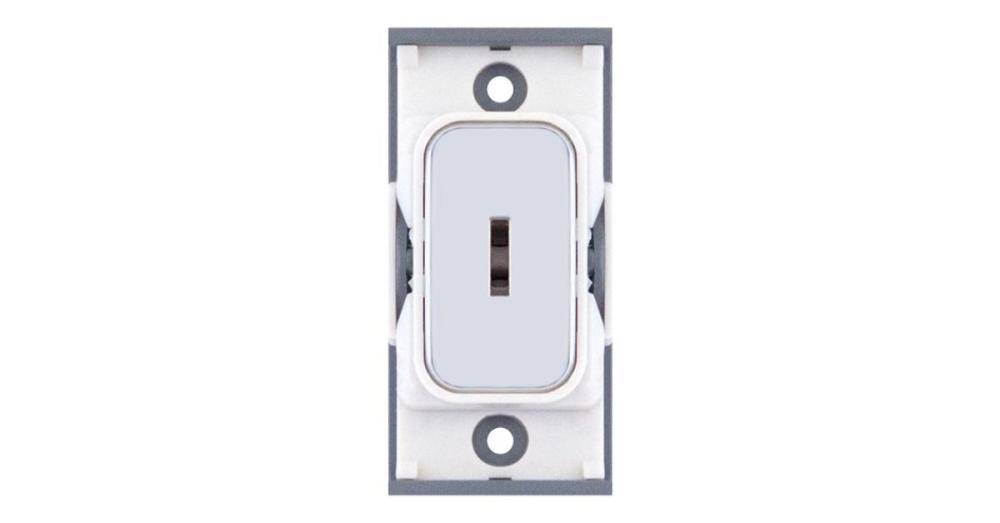
Ideal where secure, controlled switching is needed. This DP key switch module is particularly useful in settings that require restricted operation and a clean visual finish.
- 10 Amp double pole key switch
- Polished chrome finish with white insert
- Supplied with metal key
- Compatible with GRID360 modular plates
- 15-year guarantee
Shop Selectric 10 Amp DP Key Switch Module Polished Chrome
5. 3 Aperture Modular Plate 5M – Selectric 3 Gang Grid Faceplate Satin Brass
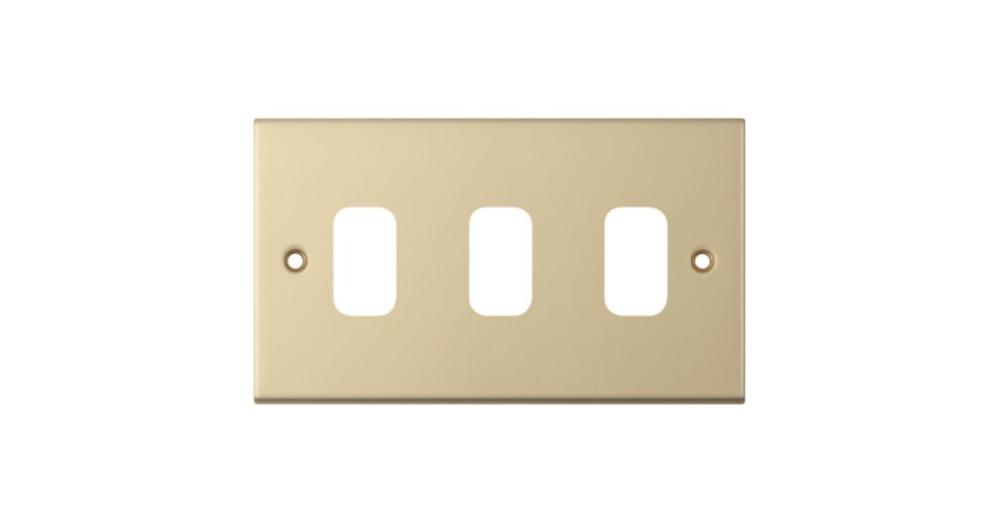
This satin brass option brings a refined finish to modular wiring projects while keeping installation quick and flexible. A good fit for projects balancing decorative appeal with practical layout planning.
- Satin brass finish
- Size: 146 x 86 x 5mm
- Premium grade steel
- Includes M3.5 fixing screws
- BS 5733 compliant
Shop Selectric 3 Gang Grid Faceplate Satin Brass
Key Takeaways
- Grid modules, plates and frames are different parts of the same system, so they should always be selected together for proper fit and function.
- The module controls the actual function, such as switching, dimming, isolation or fusing, while the plate provides the visible finish.
- Choosing the right grid switch setup depends on the application, load type, layout, finish and installation requirements.
- Common buying mistakes include ordering the wrong number of modules, mixing incompatible ranges and ignoring back-box depth.
- Decorative finishes like satin chrome, antique brass, matt black and polished chrome should be matched with compatible modules and plates.
- Checking product specifications before ordering helps avoid returns, delays and installation problems on-site.
Conclusion: Shop the Right Grid Modules with Confidence at Meteor Electrical
The right purchase comes down to four essentials: module function, frame size, plate compatibility and installation requirements. Get those right, and grid switches and sockets become far easier to specify, fit and maintain.
If you are ready to compare finishes, functions and modular combinations, explore the Grid Modules range at Meteor Electrical, including leading options from Selectric and Knightsbridge.
If you are looking for high quality switches and sockets for a home upgrade an extensive refurb, order now with confidence and get your setup right the first time.
FAQs About Grid Switches, Plates and Frames
1. How do I know which grid frame size I need for my switch modules?
Count the number of module positions you need, then match that to the correct frame and plate capacity.
2. Can I mix grid modules, plates and frames from different ranges or brands?
Only if compatibility is clearly confirmed. Similar appearance does not guarantee the same fit.
3. What is the difference between a grid module and a standard switch?
A grid module is one part of a custom modular system, while a standard switch is usually a complete fixed unit.
4. Which grid modules are best for kitchen appliances and isolation switching?
DP switches and fused modules are often the best fit for appliance control and safe isolation.
5. Do I need to check electrical cable, fire-resistant cable, or cable management before installing grid switches?
Yes. Cable type, routing space and installation conditions should all be checked before ordering and fitting.