
Bathroom Extractor Fan Not Working? Troubleshoot, Upgrade, and Breathe Easier
Bathroom Extractor Fan Not Working? Troubleshoot, Upgrade, and Breathe Easier
A steamy mirror, damp walls, and lingering odours are usually your bathroom telling you one thing: ventilation is not keeping up. In this guide, you will learn how to test a bathroom extractor fan, fix common faults, and choose an upgrade that suits your space and complies with safe bathroom installation zones. Explore IPX4 bathroom extractor fan, how to clean bathroom extractor fan, bathroom ventilation upgrade.
Why Bathroom Ventilation Matters
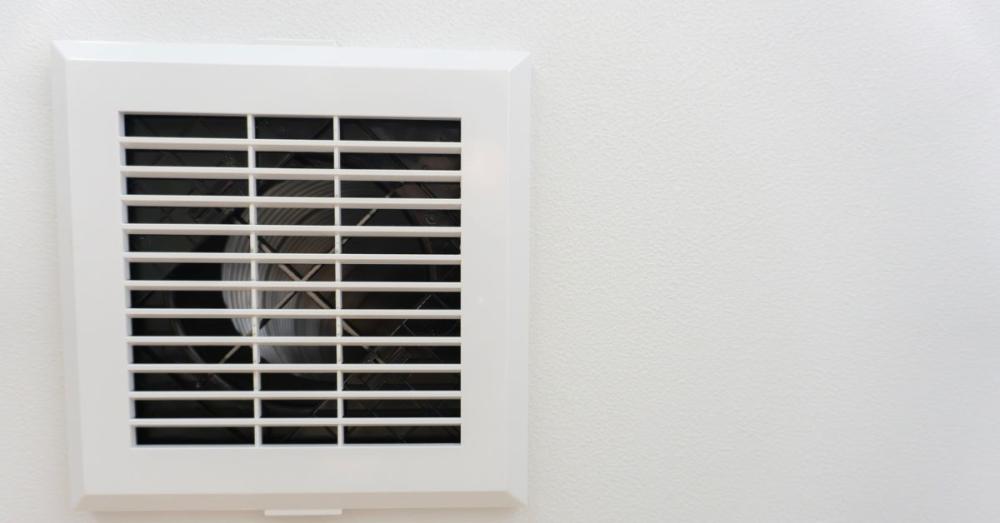
Bathrooms produce a lot of moisture, and without effective extract ventilation that moisture can spread through the home and contribute to condensation and mould. Building Regulations guidance (Approved Document F) covers the need for extract ventilation in moisture-producing rooms such as bathrooms.
Did You Know: Extractor fans typically use relatively little electricity, often in the range of 5–36W, with many models typically under 40W depending on brand and specification. That means upgrading to a modern fan can improve comfort without a big running-cost shock.
Quick Checks When Your Fan Is Not Working
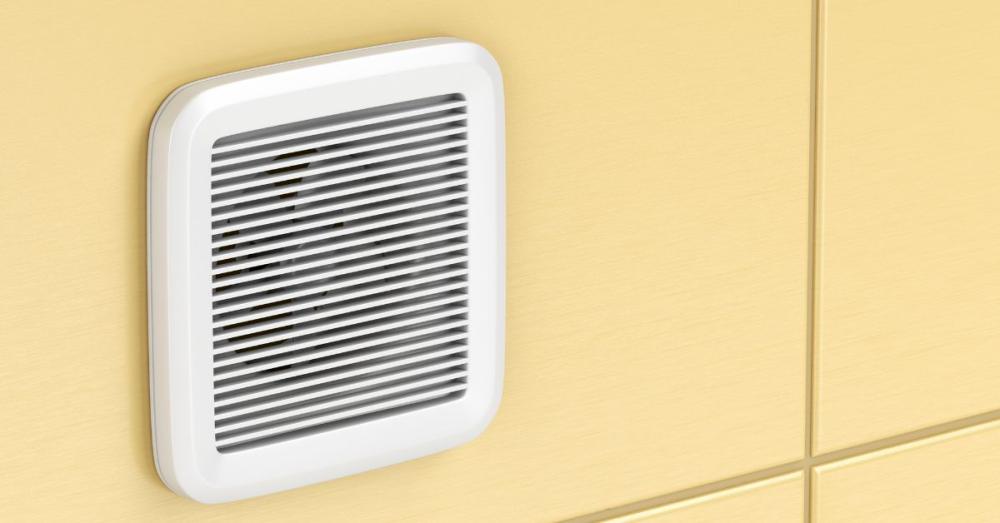
Start with a simple airflow test: switch the fan on and hold a sheet of tissue near the grille. If it barely pulls, you likely have poor airflow, ducting resistance, or a dirty grille rather than a total electrical failure.
The “three basics” to confirm
- Power and switching: Check the isolator switch and whether the fan is triggered by the light switch, pull cord, timer, or sensor.
- Air path: Confirm the fan is actually exhausting to the outside, not into a void or blocked ductwork.
- Cleanliness: Dust build-up on the grille can noticeably reduce airflow, so cleaning is a quick win before you replace anything.
Fix the Most Common Extractor Fan Issues
Most extractor fan complaints come down to installation and airflow problems rather than the motor itself.
1) Poor fan location
If the fan is too far from the main moisture source (shower or bath), it can struggle to catch steam before it spreads. Positioning closer to the source usually improves real-world results.
2) Ducting problems and backdrafts
Crushed flexible ducting, long duct runs, sharp bends, and stuck backdraft shutters (flaps) all add resistance and reduce extraction. Inline or higher-pressure models can help where ducting is unavoidable, but first ensure the duct run is as short and smooth as possible.
3) Wrong fan type for the setup
Axial fans often suit shorter duct runs and simpler wall installations, while inline or mixed-flow fans are commonly chosen when the duct run is longer or routed through a loft space.
4) Not enough make-up air
If your bathroom is very airtight, the fan may not pull effectively because there is not enough incoming air to replace what is being extracted. A small undercut at the door or suitable background ventilation can help balance airflow.
How to Choose the Right Bathroom Extractor Fan
Choosing well is mostly about matching the fan to your bathroom layout, usage, and installation constraints, then selecting safe features for wet zones.
Axial vs inline and mixed-flow
If you have a short route to an outside wall, an axial fan is often a straightforward option. If the fan needs to sit away from the grille (for example in a loft) or push air through longer ducting, inline or mixed-flow options are typically considered.
Timers, humidity control, and noise
Timer overrun is popular because it keeps extracting after you leave, which helps clear residual humidity. For low-noise priorities, look for models promoted as quiet-running, especially for en-suites near bedrooms.
Bathroom zones and IP ratings
Bathroom electrical zones influence what can be installed where, and IP ratings indicate protection against water ingress. For example, guidance commonly notes Zone 2 fittings should have at least IPX4 protection, with higher protection advised where water jets may be present.
Source - Build with Ferguson
Recommended Extractor Fans from Meteor Electrical
Here are some practical options from Meteor Electrical’s extractor fan range, covering common bathroom scenarios.
1) Xpelair VX100T 4"/100mm Axial Extract Fan with Timer
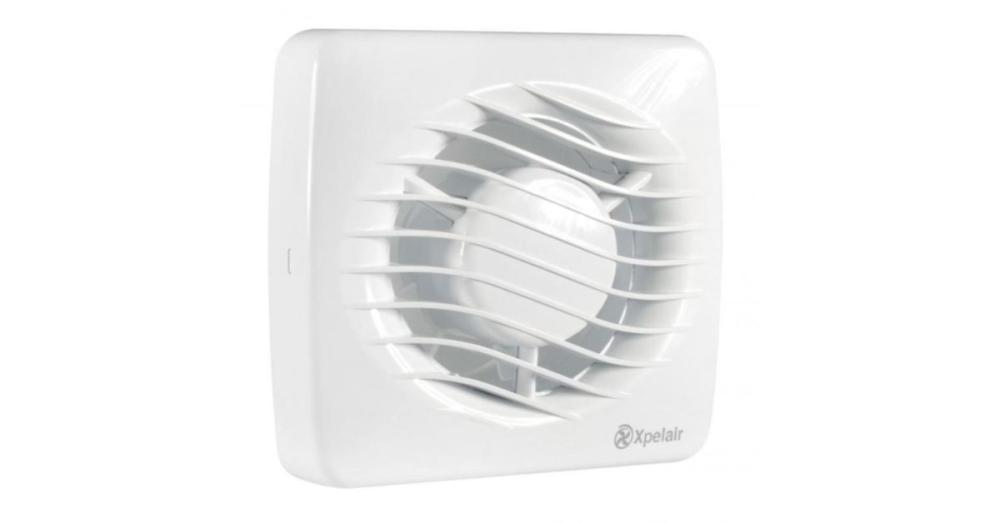
This slim-profile fan is described as suitable for bathrooms, shower rooms and toilets, including zones 1 and 2, and supports wall or ceiling installation. It includes a timer and lists IPX4 rating with an extract performance shown at 20 l/s.
2) Xpelair Simply Silent DX100BTS 4"/100mm Fan with Timer
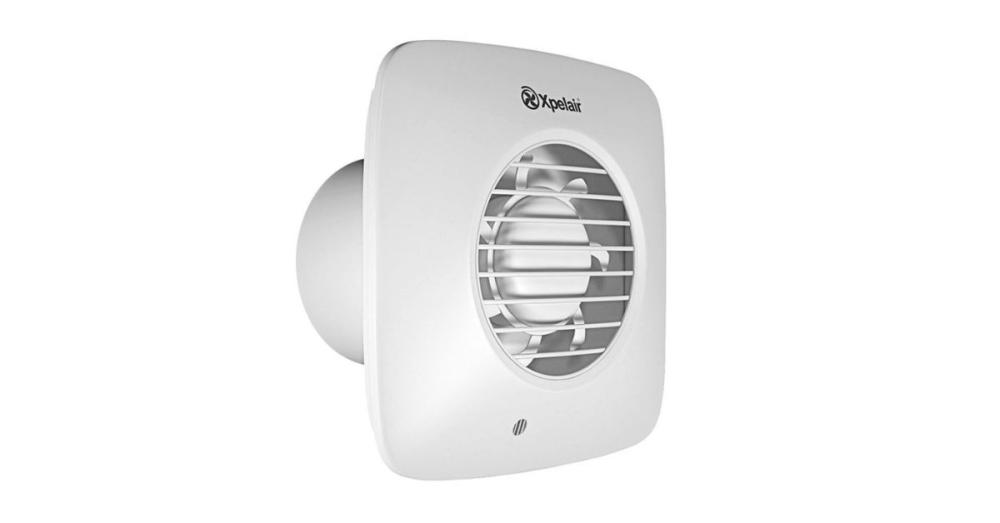
This model is positioned as a quiet-running option with an integral overrun timer, plus two selectable speeds and stated sound pressure levels. The listing also notes IPX4 and that it complies with Building Regulations Part F and L.
3) Xpelair AirLine 100 Inline Extract Fan
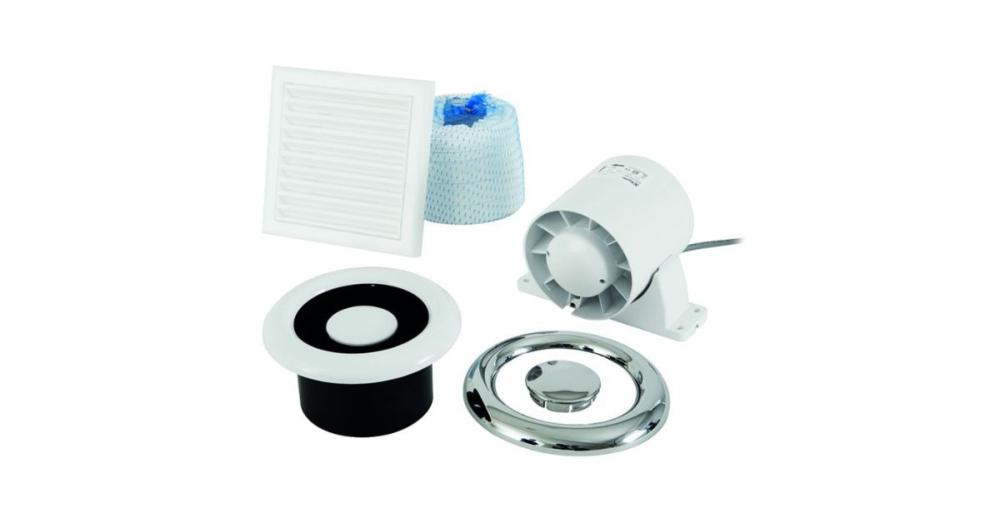
This inline system is presented as a solution that can be installed up and out of the splash zone in a loft, helping keep noise levels down. It is also described as meeting Building Regulations Part F for bathroom installation, and notes IPX4 rating and inclusion of ducting and grilles for installation.
4) Manrose 100mm Extractor Fan with Timer (White)
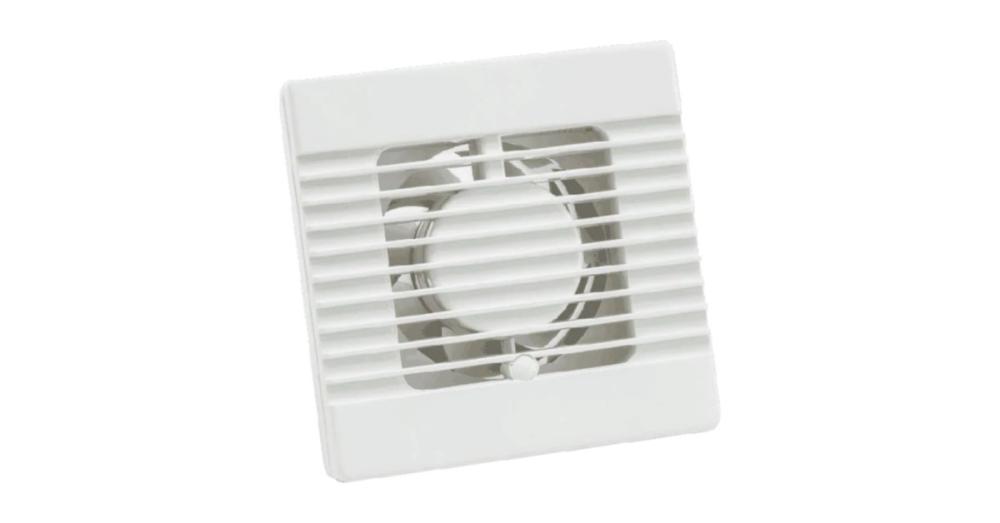
This axial fan listing highlights a timer, 20W rating, and extraction stated at up to 85 m³ per hour (23 litres per second). It is described as suitable for wall or ceiling mounting using 100mm ducting systems.
Key Takeaways
- Condensation and odours usually mean your bathroom ventilation is under-performing.
- Test airflow first, then check grille cleanliness and ducting resistance before replacing the fan.
- Match fan type to duct length: axial for simpler runs, inline for remote or longer ducting.
- Check bathroom zones and choose an appropriate IP rating for the installation location.
- A timer or quiet-running model can improve comfort, especially in en-suites.
Conclusion
If your current bathroom extractor fan struggles with condensation, smells, or noisy operation, a correctly specified replacement can make your bathroom feel cleaner and more comfortable day to day.
For a dependable supply of extractor fans and heating and ventilation products, Meteor Electrical is a leading wholesale electrical supplier for UK and European markets, trusted by electrical contractors and facilities managers.
Explore the range and upgrade with confidence at Meteor Electrical.
FAQs
1) How do I test if my bathroom extractor fan is working?
Use the tissue test at the grille and check whether airflow improves after cleaning the cover.
2) Can I vent a bathroom extractor fan into the loft?
It is generally expected that bathroom extract ventilation exhausts to the outside to manage moisture properly.
3) What IP rating do I need for a bathroom extractor fan?
It depends on bathroom zones, and guidance commonly points to at least IPX4 in Zone 2, with higher protection where water jets may be present.
4) Are inline extractor fans quieter?
They can be, because the fan unit may be mounted remotely (for example in a loft) rather than directly in the ceiling grille position.
5) Should I choose a fan with a timer?
A timer helps continue extraction after you switch the light off, which can be useful for clearing lingering humidity.
6) What is a good replacement for a noisy bathroom fan?
Models marketed for quiet operation, such as the Simply Silent DX100BTS, are designed to reduce noise while maintaining extraction.