
Dimmable LED Bulbs vs Dimmer Switches: The Compatibility Guide
Dimmable LED Bulbs vs Dimmer Switches: The Compatibility Guide
Switching to LEDs is one of the easiest ways to cut energy use, but there’s a catch many homeowners discover too late - not every LED bulb works with every dimmer. If you’ve ever seen flickering, buzzing, or lights that won’t turn off fully, you’ve run into LED dimmer compatibility issues.
The good news is you can avoid almost all of these problems with a simple matching process—bulb type, dimmer type, and the total load on the circuit.
Why Dimmable LED Bulbs Need the Right Dimmer Switch
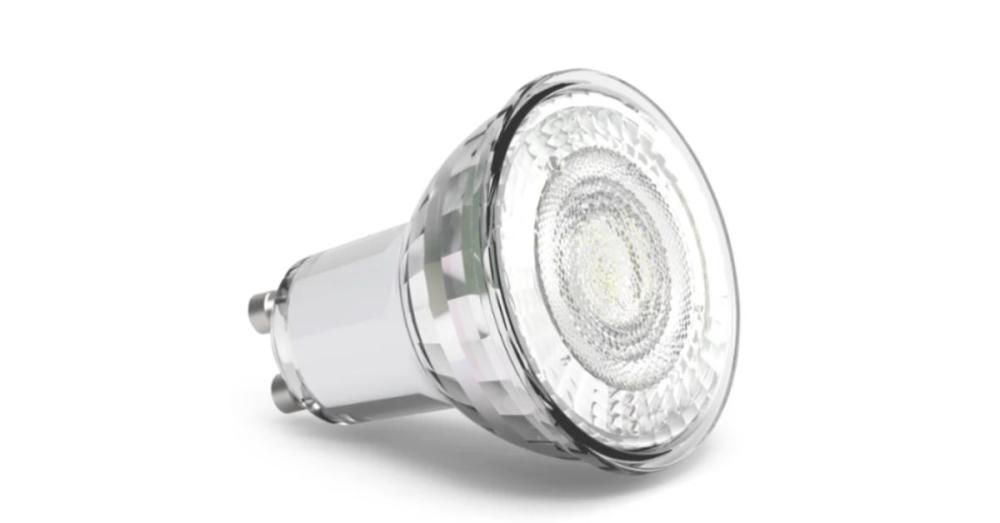
Unlike incandescent lamps (which dim smoothly because they’re basically tiny heaters), LEDs use electronic drivers. That driver decides how the LED behaves when you lower the dimmer, and some drivers simply aren’t designed for dimming at all.
Here’s what to remember before you buy:
- “Dimmable” must be clearly stated on the LED packaging (or spec sheet)
- The dimmer must be LED-compatible, not just “standard”
- Older dimmers often require a higher minimum load than LED circuits provide, which can cause unstable performance
Manufacturers have also noted that LED dimming standards and compatibility guidance have been evolving across Europe, so checking the bulb plus dimmer pairing is still essential.
LED Dimmer Types Explained - Leading Edge vs Trailing Edge
Not all dimmers chop electricity the same way and that’s why some combinations behave badly.
Leading Edge Dimmers (often for older loads)
Leading edge (sometimes called forward-phase) dimmers are common in older installations and were primarily designed for incandescent and some halogen loads. With LEDs, they can sometimes trigger:
- Flicker at low brightness
- Audible buzzing
- Limited dimming range
Trailing Edge Dimmers (often best for LEDs)
Trailing edge (reverse-phase) dimmers are widely recommended for modern LED lighting because they tend to be smoother and quieter with electronic drivers. If you’re upgrading, this is often the safest starting point for a more stable dimming experience.
Other Dimming Systems
Some lighting setups use alternatives like 0–10V, DALI, or smart dimming modules. These are great for advanced control, but you must match bulbs/fixtures specifically designed for them.
Source - The Home Depot
Quick Checklist to Choose the Right LED Bulb and Dimmer
Use this quick process to prevent compatibility headaches:
1. Confirm the bulb is dimmable
Look for “dimmable LED” (not just “LED”) and check the product datasheet if available.
2. Check the dimmer’s rated LED load range
This is the big one. A dimmer might say something like 5–100W LED (range varies by model). If your total LED wattage is below the minimum, performance may suffer.
3. Calculate total circuit load
Add up the wattage of all bulbs controlled by that dimmer. For example, six 6W LEDs total 36W. If the dimmer’s minimum LED load is 40W, you may see flicker or dropouts.
4. Confirm compatibility notes
Many dimmer brands publish LED compatibility lists (bulb models tested with their dimmers). If you can match from a list, do it.
Troubleshooting LED Dimmer Problems (Flicker, Humming, Ghosting)
If you already have LEDs installed and something feels “off,” these fixes usually solve it:
- Flickering at low levels: Replace the dimmer with an LED-rated trailing edge dimmer, or choose a bulb known to dim well on your dimmer model
- Humming or buzzing: Swap to a trailing edge dimmer and ensure the dimmer isn’t overloaded or incompatible with the LED driver
- Lights won’t turn off fully (glow/ghosting): Try a dimmer designed for low-watt LED loads; in some cases an electrician may add a bypass device depending on the circuit
- Uneven dimming across multiple bulbs: Use identical bulb models on the same circuit; mixed drivers often dim differently
- Sudden shutoff near minimum: The dimmer’s minimum load may be too high, or the bulbs’ drivers can’t handle deep dimming
Conclusion
If you want lighting that feels modern (smooth dimming, no buzzing, no surprise flicker), focus on compatibility first: dimmable bulbs, LED-rated dimmers, and the right load range. When you’re ready to source reliably at scale, choose Meteor Electrical - a leading wholesale electrical supplier serving UK and European markets.
Explore their LED lighting and dimmer options today and upgrade with confidence.
FAQs
1. Do all LED bulbs work with dimmer switches?
No. Only bulbs labeled “dimmable” are designed to dim, and they still need a compatible LED dimmer.
2. What is the best dimmer type for LED lights?
In many cases, a trailing edge dimmer delivers smoother, quieter performance with LED drivers than older leading edge dimmers.
3. Why do my LED lights flicker when dimmed?
Common causes include an incompatible dimmer, the circuit wattage being below the dimmer’s minimum load, or poor-quality LED drivers.
4. Can I use my old dimmer switch with new LED bulbs?
Sometimes, but older dimmers often struggle with low LED loads. If you see flicker or buzzing, upgrade to an LED-rated dimmer.
5. How do I calculate whether my dimmer has enough load?
Add the wattage of all LEDs on the dimmed circuit and compare it to the dimmer’s LED-rated minimum and maximum load specs.
6. Where can I buy dimmable LED bulbs and compatible dimmers in bulk?
Meteor Electrical supplies a wide range of LED lighting and switches for wholesale needs across the UK and European markets.