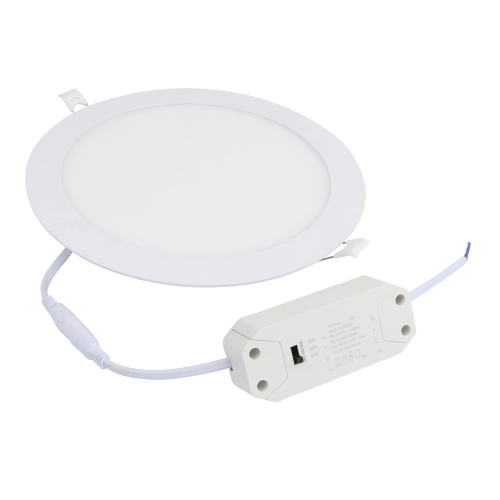
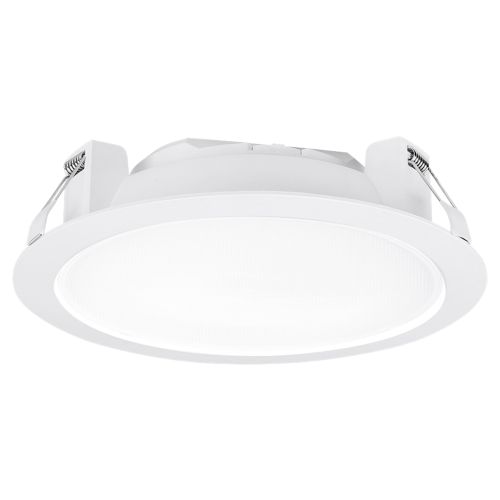
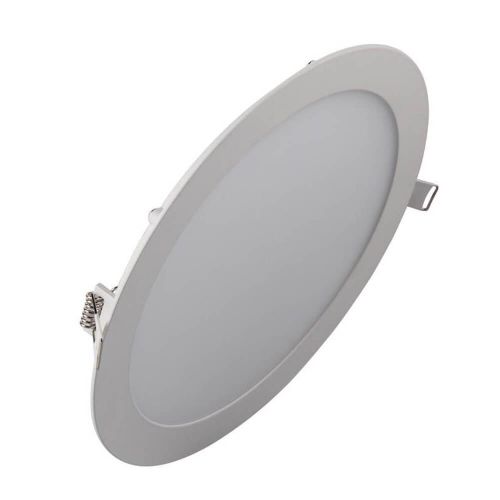
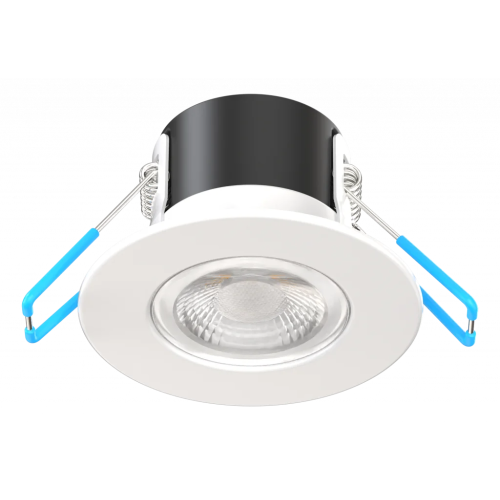
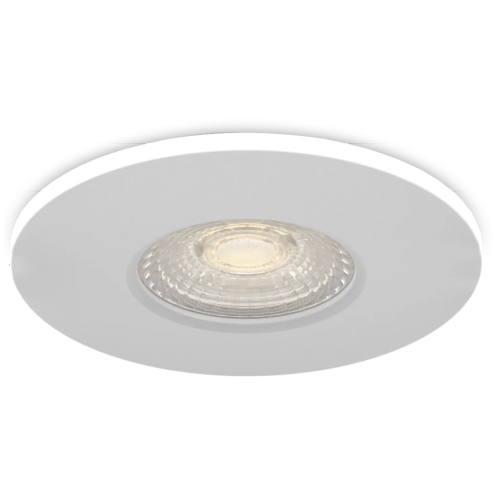
- How long should an LED Ceiling Downlight last?
Most LED ceiling downlights last roughly about 50,000 hours, proving to be an extremely high-performing and energy-efficient lighting solution.
To put this into context, a ceiling downlight with a lifespan of 50,000 hours that runs for 12 hours per day is expected to last 11 years. Therefore, making ceiling downlights are a very popular choice in many households and businesses.
- Can LED Ceiling Downlights be left on 24/7?
Running light fittings 24/7 is cause for concern with conventional types of light fittings, as they may overheat and cause a fire.
However, as LED ceiling downlights are considered far more energy efficient as there is very little heat output, meaning they can be left on all day, every day.
- Are LED Ceiling Downlights expensive to install?
LED ceiling downlights may be slightly more expensive upfront when compared to conventional types. However, due to the high performance, our range of LED ceiling downlights allows end-users to save massively on their energy and maintenance costs. Therefore, when you consider your energy savings, LED ceiling downlights are the best option.
- Are LED Ceiling Downlights dimmable?
When shopping LED ceiling downlights it is important to look at the product specification, as some ceiling downlights can be dimmed down, but some LED bulbs do not come with this feature. You can view our dimmable LED ceiling downlights by clicking here.
- What beam angle do I need for Ceiling Downlights?
There are many beam angles to choose from in our range of ceiling downlights. It is important to consider the size of your room.
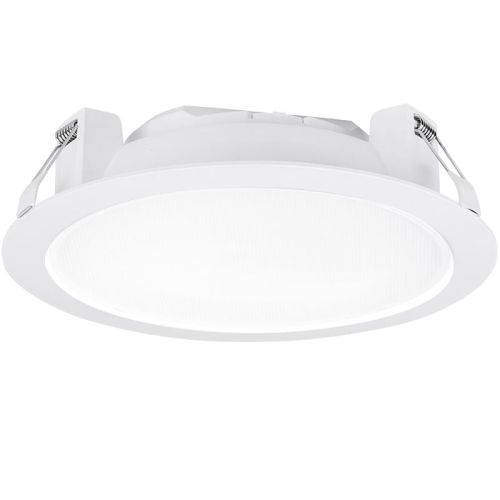
For example, large rooms will require a wider beam angle like our Mauna Downlight fittings. They come with a beam angle of 60 degrees, whereas smaller beam angles are suitable for direct light, such as narrow corridors or when you are trying to highlight a specific feature of your room.
- What colour temperature do I need for Ceiling Downlights?
If you are installing ceiling downlights in task areas, such as a kitchen, cool white is the most appropriate colour temperature. The reason is that cool white ceiling downlights would increase provide a brighter environment and will increase productivity.
However, if you want to create ambiance/warmth in the likes of your living room, a ceiling downlight with warmer colour temperatures is a better option. Warm white ceiling downlights help create a cozy and inviting environment that is suitable for living rooms and bedrooms.
- Are LED Ceiling Downlights integrated?
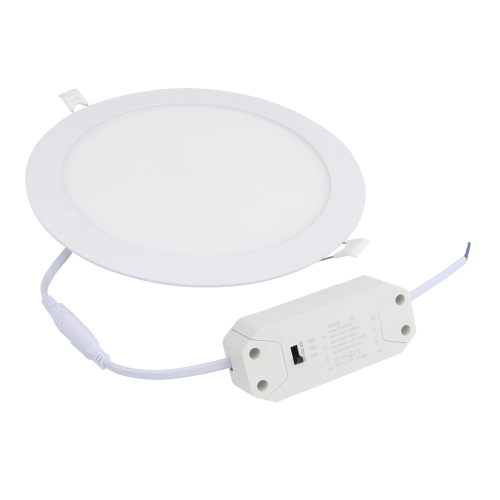
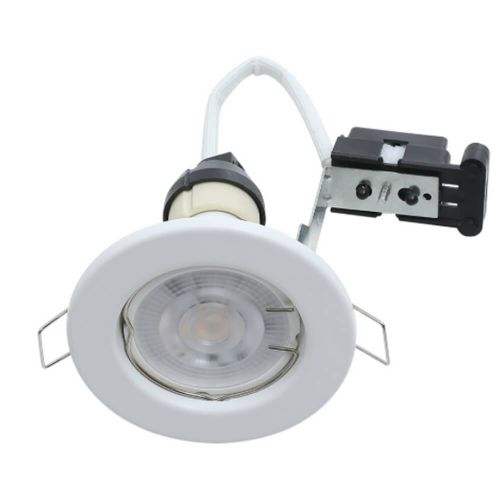
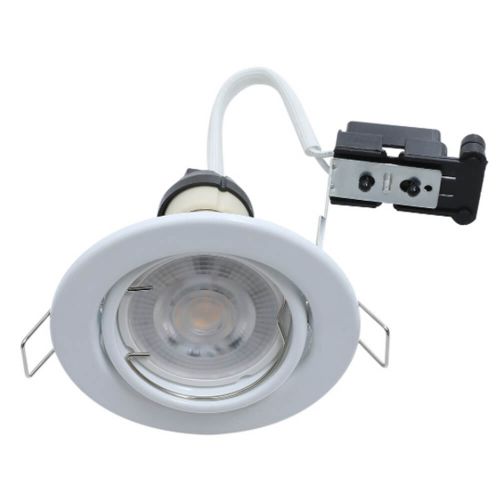
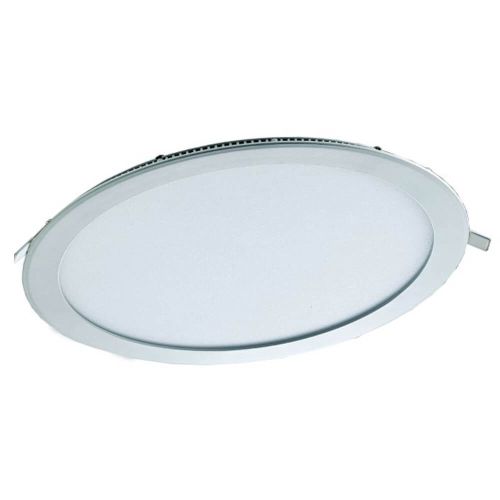
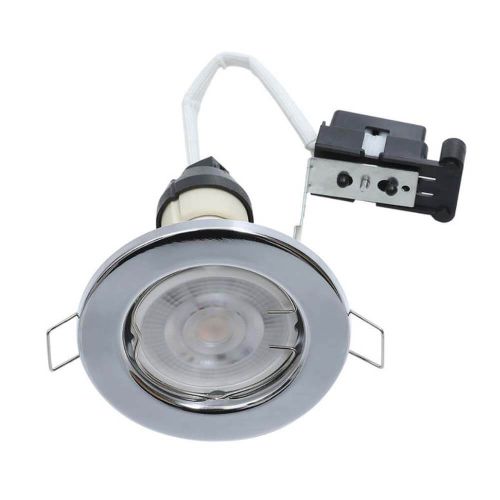
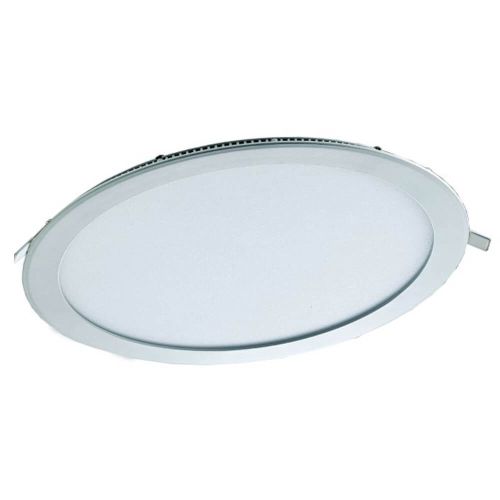
LED ceiling downlights can come as a fully integrated unit or in two parts. If you prefer the fitting not to be integrated, it will arrive as two separate components: the ceiling downlight housing and the light bulb.
- Can I replace Halogen Ceiling Downlights with LED Ceiling Downlights?
If you wish to upgrade your halogen ceiling downlights to LED ceiling downlights, it is important that an electrician carries out the work, as it is common for DIYers to run into problems and create a hazard. The electrician will have to check your circuits and existing fittings to ensure they are compatible with lower wattage LED ceiling downlights. In some cases, the power supply may need to be updated.
- What lumen output do I need?
For general applications, the most popular lumen output is 500 lumens which is the equivalent to a 50W halogen ceiling downlight. Traditionally, you would have looked at the wattage of a bulb to work out the brightness. However, LEDs ceiling downlights are extremely energy efficient and require a low wattage, therefore wattage is no longer a good indication of brightness. For LED ceiling downlights, the lumen output gives a better indication of the brightness of the fitting. The higher the lumen output, the brighter the LED ceiling downlight will be.
You can speak to an expert on the live chat for more information on how to select the correct lumen output for your LED ceiling downlight.
- Are LED Ceiling Downlights safe?
Overheating of bulbs is a common cause of fires. However, with LED ceiling downlights, this is very unlikely to happen as very little heat is produced. Although, the fitting may feel warm to touch when running, our range of LED ceiling downlights at Meteor Electrical are considered extremely energy efficient, proving to be a safe and cost saving lighting solution.
- Why do Ceiling Downlights turn on and off?
There may be multiple reasons for ceiling downlights to turn on and off. For example, it may be caused by a faulty transformer, or in some cases, flickering bulbs can be traced back to a non-compatible dimmer switch. You are advised to contact a registered electrician to inspect your fitting and resolve the issue correctly.
- Can LED Ceiling Downlights be used in a bathroom?
Yes, LED ceiling downlights are a great fitting to use in a bathroom.
When selecting LED ceiling downlights for your bathroom it is vital that you understand zones and ingress protection ratings, so your fitting is protected against water/steam. Our blog on How To Choose the Correct Lighting for Your Bathroom will help you understand this.
- How do you space out LED Ceiling Downlights?
As a starting point for installing ceiling downlights, position them approximately 2 feet away from the edge of the walls. After that, evenly spread the fittings across the room for a balanced and professional look.
A good rule of thumb to go by here for electricians is to divide the ceiling height by 2 to give you the space required between each ceiling downlight.
For example, if your ceiling height is 10 feet, the space between each fitting will be 5 feet. This is a general rule of thumb and some projects will require a certain brightness at different areas of a room.
If you need any help with a project spec and figuring out the LED ceiling downlights you need, please get in touch via the live chat or email [email protected].
- Can LED Ceiling Downlights cause fires?
LED ceiling downlights give out very little heat due to their energy efficiency. Traditional bulbs have caused fires in the past due to overheating, however, with LED ceiling downlights, this is very unlikely to happen.
- Why do my LED Ceiling Downlights keep blowing?
If your ceiling downlight is continuously blowing, then it may be because you purchased cheap and poor-quality bulbs, or they have been installed incorrectly causing them to overheat. To avoid these problems, hire an electrician and select a quality and energy efficient LED ceiling downlight fitting from Meteor Electrical.
- Which Ceiling Downlight should I purchase?
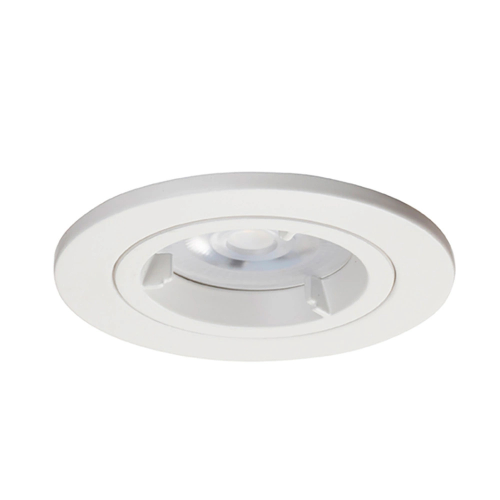
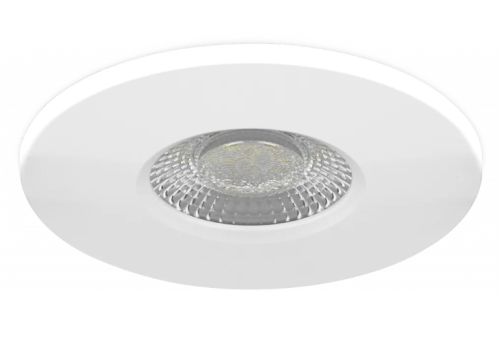
There are many different ceiling downlights you can choose from at Meteor Electrical.
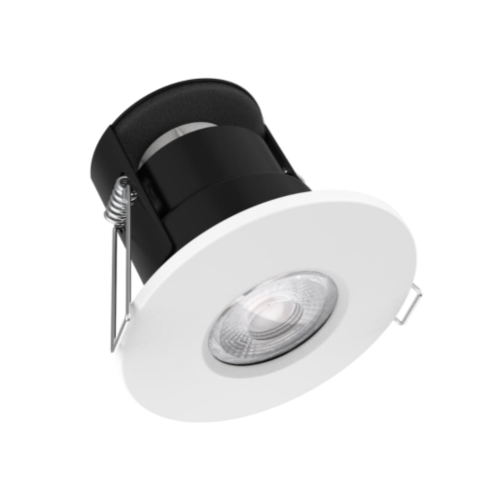
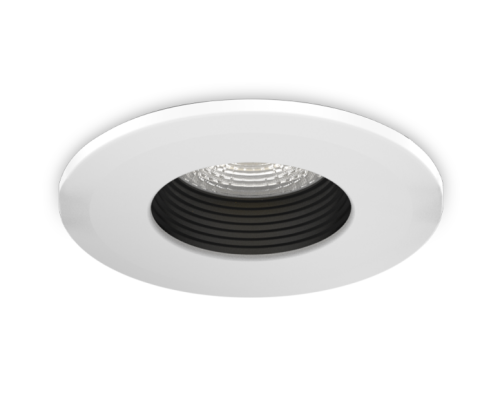
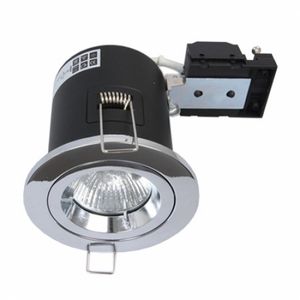
We stock fire-rated ceiling downlights which are safer than standard ceiling downlights as they can help safeguard your home or business during a fire. There are some situations where a fire rating is not necessary, although downlights should be fire-rated in 95 percent of household installations.
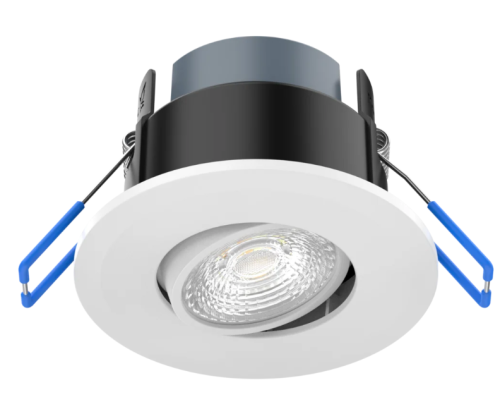
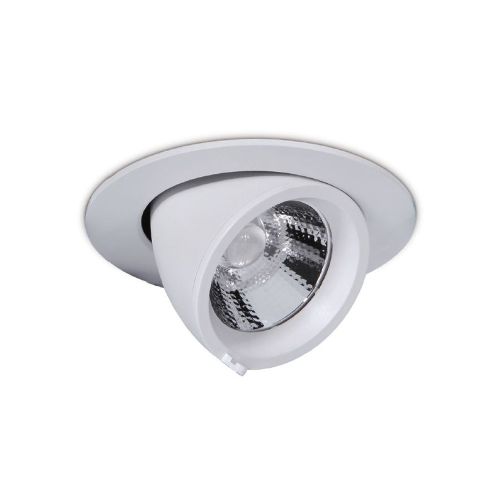
We also stock tilted ceiling downlights which is useful for homes or businesses with reading spots where they need more illumination in specific spots in the home.
- What finishes do Meteor Electrical stock of Ceiling Downlights?
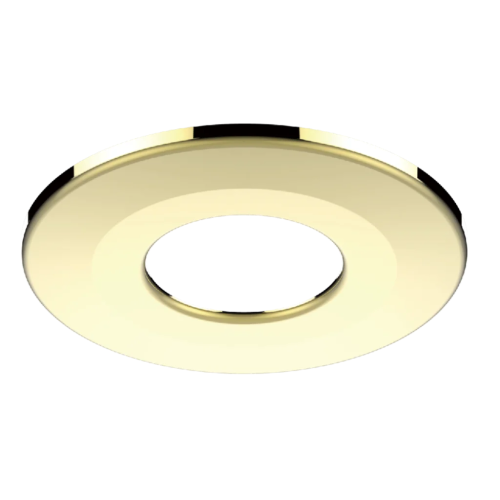
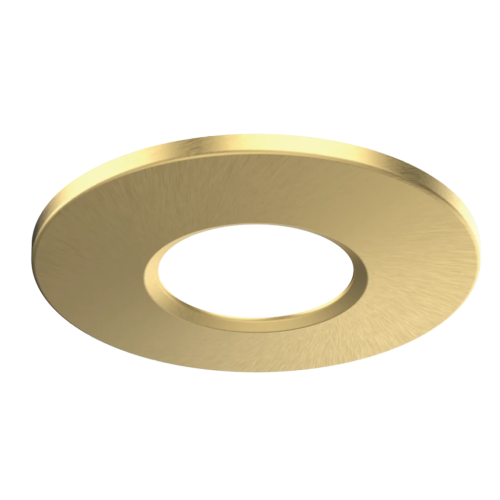
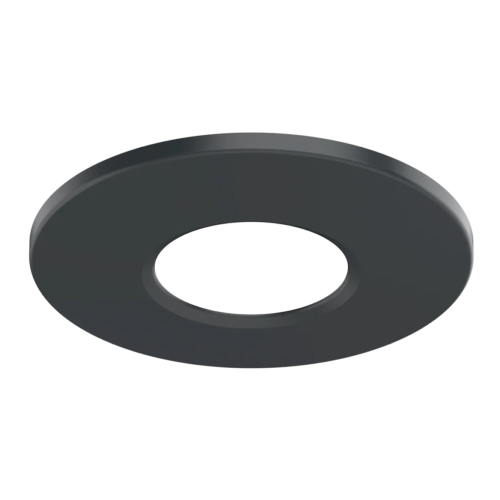
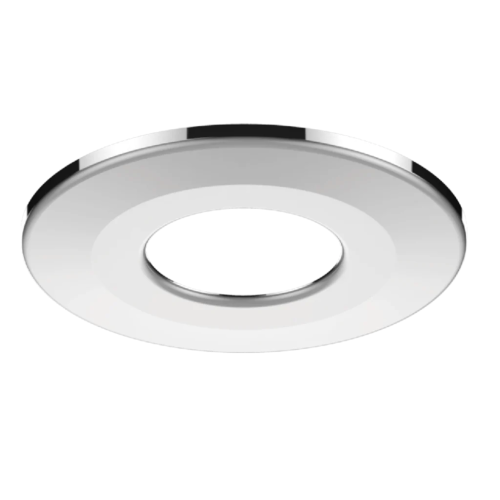
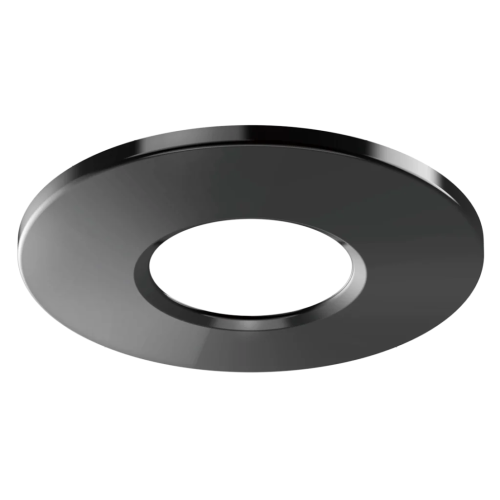
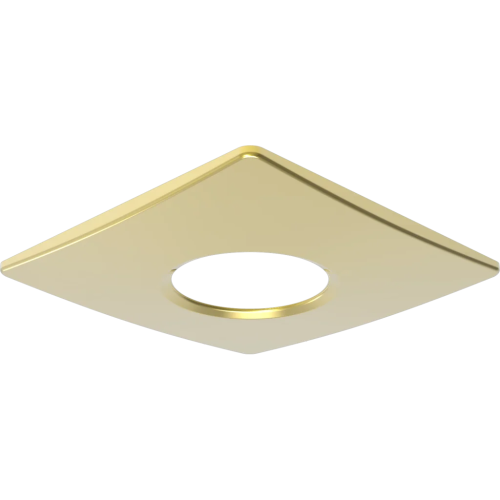
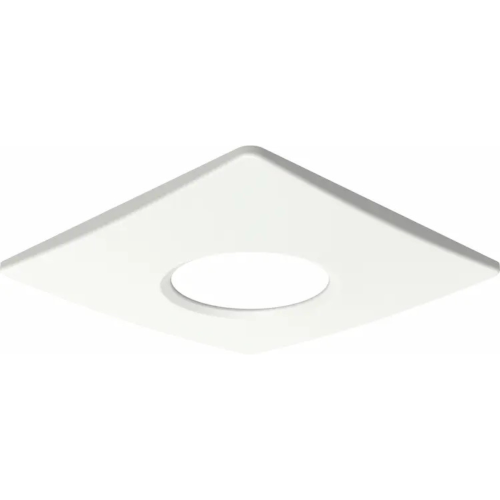
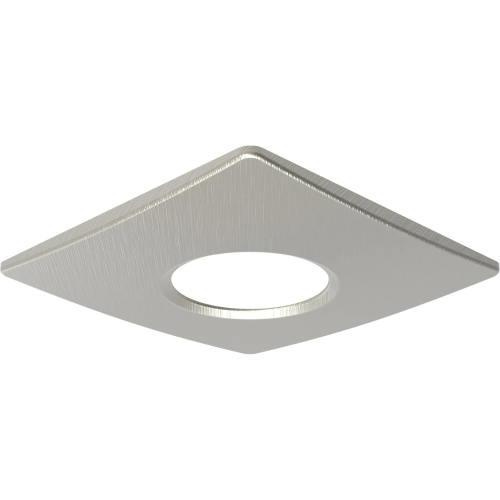
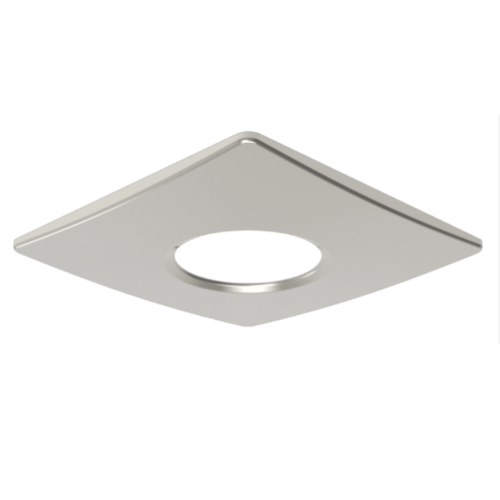
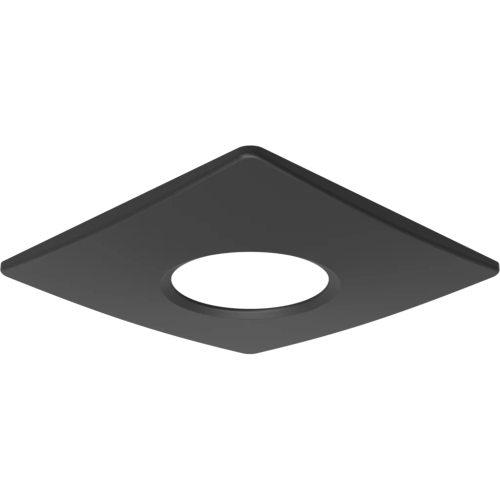
At Meteor Electrical, we stock a wide range of finishes to suit the interior of your business or home.
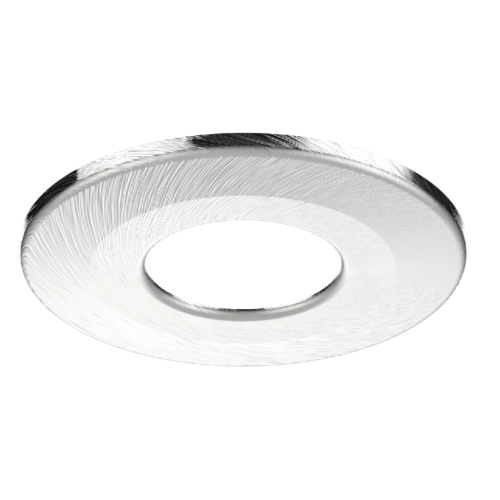
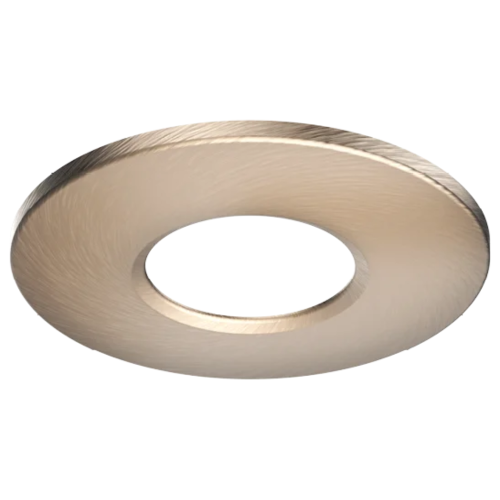
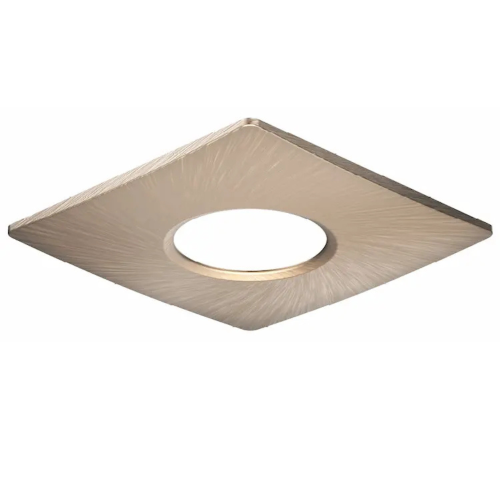
We have the following finishes: black nickel, brushed chrome, white, satin chrome, satin nickel, and many other finishes!
- How many downlights do I need?
It can be a bit tricky to calculate how many downlights per room you'll need, but here's a simple guideline to follow.
The general rule requires you to multiply the square footage of your space by 1.5. This will let you know the total wattage your space needs to be adequately lit up. The next thing to do is decide on a bulb and wattage. Divide the total wattage you calculated previously with the bulb wattage you've selected, and this will tell you how many light fittings you'll need.
To learn more, visit this detailed guide.
- How to wire downlights in existing ceiling?
If you want to switch to downlights but are thinking it might be too late, don't worry, we've got you covered. You might wonder if you'll need to tear down a wall or something extreme to install your new downlights. However, putting downlights into a finished ceiling is actually pretty easy. Here is a simple but complete guide on how you can wire downlights to an existing ceiling.