
Traditional Lighting to LED Conversion Chart Made Simple
Traditional Lighting to LED Conversion Chart Made Simple
Switching from older lighting to LED should not feel complicated. Whether you are replacing halogen lamps in a shop, fluorescent tubes in an office, or metal halide fittings in a warehouse, the real goal is simple: get the light output you need while cutting wasted energy.
That is exactly where a traditional lighting to LED chart helps. Rather than matching old wattage like for like, it gives you a practical guide to modern LED equivalents based on lower power consumption and useful lumen output.
Note: These comparisons are approximate and should be used as a starting point because existing fitting conditions can affect performance.
Why LED Conversion Makes Sense
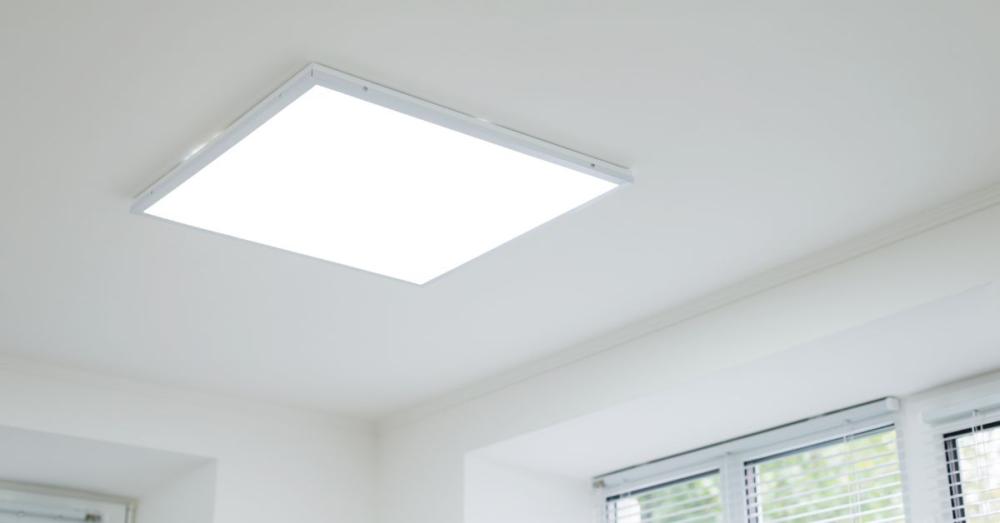
LED lighting is now the go-to choice for many commercial and domestic upgrades because it delivers strong performance with lower running costs. Meteor Electrical also highlights that LED solutions can reduce energy costs by more than 50 per cent when compared with traditional fluorescent light strips, while still providing an even spread of light.
For buyers, contractors and facilities managers, the biggest shift is this: stop thinking only in watts and start thinking in lumens. Wattage tells you how much power a fitting uses, while lumens tell you how much light you actually get.
Did You Know?
A 36W fluorescent tube can often be replaced with a 20W LED T8 tube, while still delivering around 1850 lumens.
Halogen to LED Conversion Chart
Halogen fittings are one of the clearest examples of how much energy can be saved with an LED upgrade. In many cases, a much lower wattage LED can replace a far higher wattage halogen fitting while still producing practical, usable light.
Common Halogen to LED Equivalents
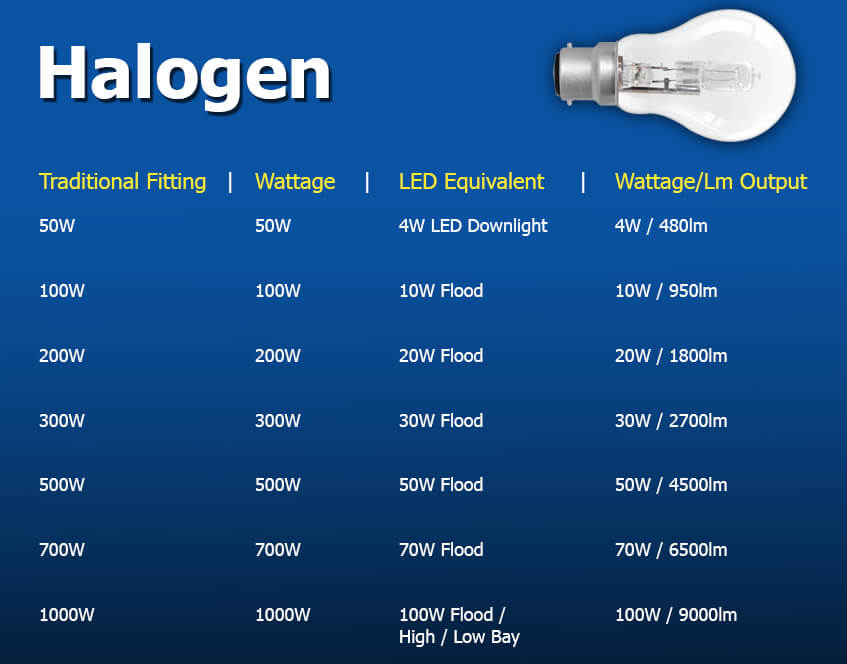
In plain terms, this means you can often move from a power-hungry halogen system to a more efficient LED floodlight or downlight without sacrificing the brightness needed for general tasks, perimeter lighting or site work. For broader replacement options, readers can naturally explore Meteor Electrical’s LED lamps and tubes range, which includes a wide variety of LED products.
Fluorescent to LED Tube Replacement
Fluorescent fittings are still common in schools, offices, retail units and utility spaces, but LED tubes are usually the smarter long-term replacement. They use less power, can improve maintenance efficiency and make it easier to standardise lighting across a building.
Typical Fluorescent to LED Equivalents
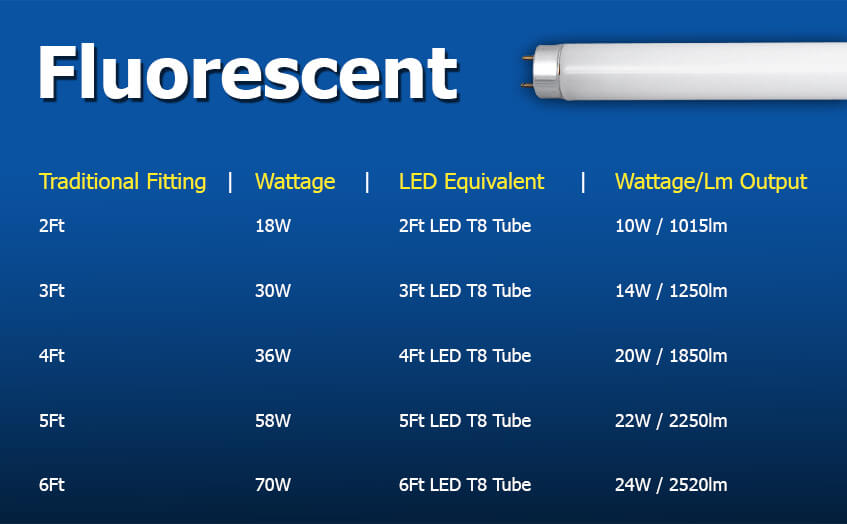
A useful rule is to match fitting length first, then compare lumen output and beam suitability. If you are replacing older compact fluorescent products in smaller commercial or domestic settings, Meteor Electrical also stocks compact fluorescent lamps for projects where legacy lamp compatibility still matters.
Metal Halide to LED Equivalents
Metal halide fittings are often found in larger commercial and industrial spaces where high-output lighting is essential. This is where LED high bays, low bays and floodlights can make a particularly noticeable difference in energy use and maintenance planning.
Metal Halide to LED Chart Guide
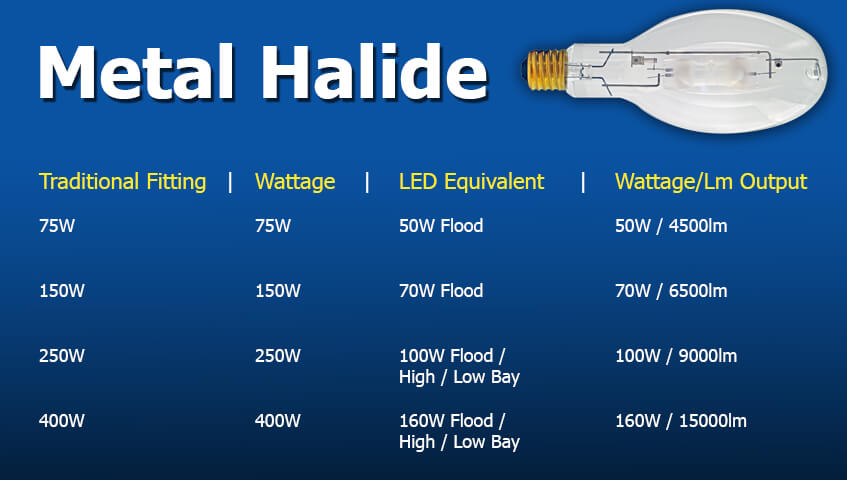
For warehouses, workshops and exterior commercial areas, this type of conversion can support better efficiency without over-lighting the space. The key is to assess mounting height, spread of light and operating hours rather than choosing a replacement on wattage alone.
Key Takeaways
- LED replacements usually use far less wattage than traditional fittings.
- Lumens matter more than watts when comparing brightness.
- Halogen, fluorescent and metal halide can all be upgraded with suitable LED alternatives.
- LED tube replacement is a popular option for offices, schools and commercial spaces.
- High-output LED floodlights and high bays are ideal for many industrial upgrades.
- Always treat conversion charts as a guide and check fitting conditions before purchase.
How to Choose the Right LED Replacement
When using a traditional to LED conversion chart, it is essential to note that exact like-for-like lumen output cannot be guaranteed because the condition of existing fittings is often unknown.
Use this quick checklist before ordering:
- Check the old fitting type, such as halogen, fluorescent or metal halide.
- Compare the expected lumen output, not just wattage.
- Consider the application, such as office, retail, warehouse or outdoor use.
- Review fitting size, cap type and installation compatibility.
- Choose a trusted supplier that can support contractors and facilities teams with practical product advice.
Source - Lowe's Home Improvement
Conclusion
Upgrading old lighting does not have to be guesswork. With the right LED equivalent chart and expert product support, you can choose smarter, more efficient lighting for everything from offices and retail units to warehouses and facilities maintenance.
For dependable supply across the UK and European markets, Meteor Electrical is a leading wholesale electrical supplier trusted by electrical contractors and facilities managers. Browse the LED range, compare reliable lighting options and choose products that make your next lighting upgrade faster, easier and more cost-effective.
FAQs
1. What is the LED equivalent of a 50W halogen?
A 50W halogen can often be replaced by a 4W LED downlight in the conversion guide shown above.
2. Can I replace fluorescent tubes with LED tubes?
Yes, in many cases you can replace fluorescent fittings with LED T8 tubes, provided the fitting and compatibility are checked first.
3. Is LED brighter than traditional lighting?
LED is often more efficient, which means it can deliver strong brightness at much lower wattage.
4. Should I compare watts or lumens?
Compare lumens first for brightness, then use wattage to understand energy consumption.
5. Are metal halide lights worth replacing with LED?
Yes, especially in commercial and industrial settings where long operating hours can make energy and maintenance savings more noticeable.
6. Is a lighting conversion chart exact?
No, it is best used as an approximate guide because existing fittings, optics and installation conditions can affect actual light output.