
Top DIY Electrical Mistakes That Cost More and Risk Safety
Top DIY Electrical Mistakes That Cost More and Risk Safety
DIY can be satisfying, but electrics are the area where “quick fixes” can turn into expensive call-outs or worse. DIY errors cause half of all serious electric shocks in UK homes, and common mistakes include drilling into wiring and cutting through power leads. That means even a seemingly simple lighting upgrade can create hidden hazards behind the ceiling rose or inside the wall.
If you are tackling DIY electrics UK projects such as DIY light fitting wiring, use this guide to avoid the most common, costly mistakes and know when it’s smarter to call a professional.
Why DIY Electrics UK Projects Go Wrong
Many electrical jobs look simple on the surface, swap a light, change a fitting, add a switch, but homes often have older wiring, mixed cable colours, and multiple circuits that aren’t obvious until the fitting is off the ceiling.
Electrical Safety First also warns that a lot of work is “notifiable” under Part P Building Regulations, especially higher-risk tasks like new circuits or work in bathrooms, which often must be signed off by a registered electrician.
Mistake 1: Botching Light Fittings
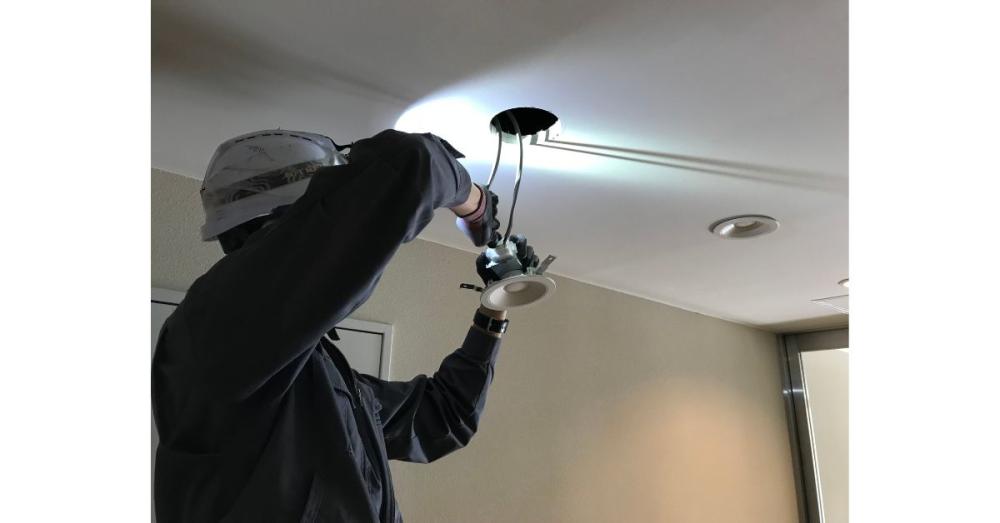
Light fittings and lighting circuits are among the most common areas electricians get called out to fix after DIY attempts. This often happens during DIY light fitting wiring, when the fitting looks straightforward but the ceiling point contains more conductors than expected.
The issue isn’t just “it doesn’t work”. Poorly mounted fittings, exposed conductors, and incorrect terminations can create overheating and fire risk, or leave metal parts live.
Safer Approach
- If the fitting has more cables than expected, stop and get professional help, especially with loop-in wiring.
- Use correctly rated connectors and an enclosed ceiling rose or junction arrangement, never “tape and hope.”
Mistake 2: Mixing Up Lighting Circuits and Cables
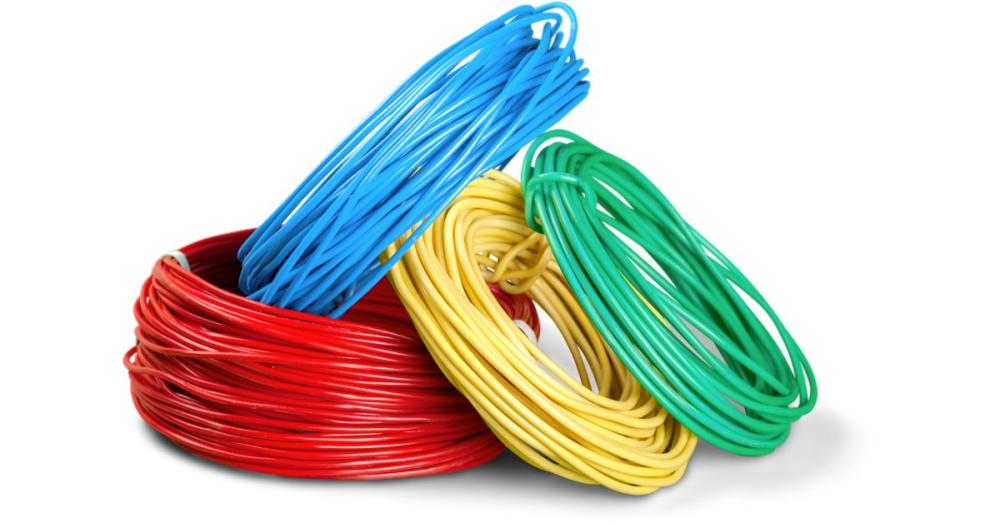
Lighting circuits can be confusing because multiple cables often share the same ceiling point, and it’s easy to misidentify permanent lives, switch lives, and neutrals. This is one of the biggest causes of lighting circuit problems after a “simple” light upgrade, particularly when DIYers reconnect wires by colour alone.
Incorrect wiring can lead to repeated tripping, flickering, or dangerous fault conditions, plus extra repair time when an electrician has to trace what’s been altered.
Quick Warning Signs You Should Stop
- Breaker or RCD trips immediately after switching on.
- Burning smell, buzzing, or heat around the fitting.
Mistake 3: Drilling, Nailing, or Cutting Into Hidden Wiring
One of the most common DIY accidents is drilling, nailing, or screwing into cables hidden in walls. If you’ve ever drilled through electrical cable, treat it as an emergency. Isolate power, do not touch exposed conductors, and get a qualified electrician to inspect and repair the damage safely.
Electrical Safety First recommends using a quality cable detector to locate cables before starting work, reducing the risk of shock and damage.
Better Habits for DIY Projects
- Scan the wall before drilling and avoid assuming cable routes.
- If in doubt, choose an alternate fixing method or get a registered electrician to confirm the route.
Mistake 4: Working on Live Circuits (or “Almost Off” Circuits)
Another frequent blunder is attempting repairs while equipment is still switched on or still connected to power. If you’re asking “how to turn off power at consumer unit”, the safest approach is to switch off the correct breaker (or main switch if needed) and verify the circuit is dead before you start.
For any work near wiring or power supplies, Electrical Safety First recommends shutting off power at the consumer unit and checking it’s off.
Minimum Safety Baseline
- Turn off at the consumer unit, not just the wall switch.
- Use battery-powered tools where possible when working near electrics.
Mistake #5: Ignoring RCD Protection and Basic Safeguards
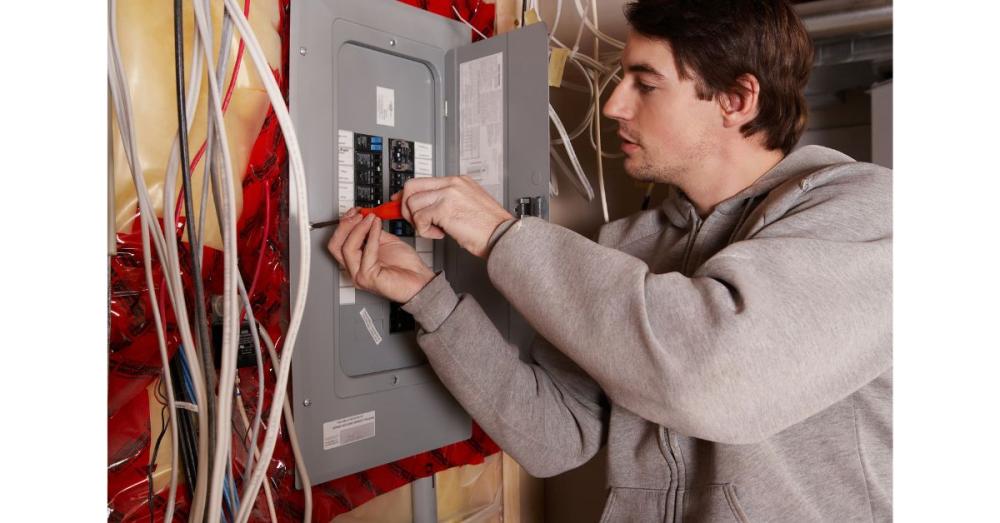
Electrical Safety First advises having RCD protection in the consumer unit and using a plug-in RCD where necessary, because it can cut power quickly in the event of a fault.
This matters most in DIY scenarios where accidental cable damage or tool faults can happen fast.
Source - Artisan Electrics
When to Call an Electrician (Don’t DIY)
- New circuits, consumer unit work, or bathroom electrics, which can be notifiable under Part P.
- If you’re wondering “do I need an electrician Part P”, assume yes for any notifiable work and use a registered electrician so it’s compliant and certified.
- Any job where you can’t confidently identify conductors or test safely.
Conclusion: Do It Right (and Source It Right)
DIY can be great for decorating and basic upgrades, but when electrics are involved, the safest money-saving move is often knowing when to stop, especially with lighting circuits, hidden wiring, and Part P rules.
For electricians and trade professionals who want reliable, compliant components for jobs across the UK and Europe, Meteor Electrical is a leading wholesale electrical supplier. Shop wiring accessories, lighting, and more at Meteor Electrical.
Upgrading a project or stocking up for your next install? Explore Meteor Electrical today and get the right electrical supplies for safer, smoother work.
FAQs
1. Is DIY Electrical Work Legal in the UK?
Some tasks are allowed, but higher-risk work (like new circuits or certain bathroom work) can be notifiable under Part P and may need sign-off by a registered electrician.
2. What’s the Biggest DIY Electrical Danger at Home?
DIY mistakes contribute to about half of serious electric shocks in UK homes, commonly from drilling into wiring, cutting leads, or repairing items while still powered.
3. Why Do Electricians Often Get Called Out for Lighting?
Lighting circuits and light fittings are frequently miswired during DIY changes, especially when multiple cables are present at a ceiling point.
4. Should I Turn Off the Wall Switch Before Changing a Fitting?
Turning off the wall switch isn’t enough. Shut off power at the consumer unit and verify it’s off before working near wiring.
5. How Can I Reduce the Risk of Drilling Into a Cable?
Use a quality cable detector before drilling, and treat walls as unknown until checked.
6. Do I Need an RCD for DIY Work?
RCD protection is strongly recommended because it can cut power quickly during an electrical fault caused by a DIY blunder.