
The Complete RCBO Buying Guide: Choosing the Right Type for Faster Fault Finding
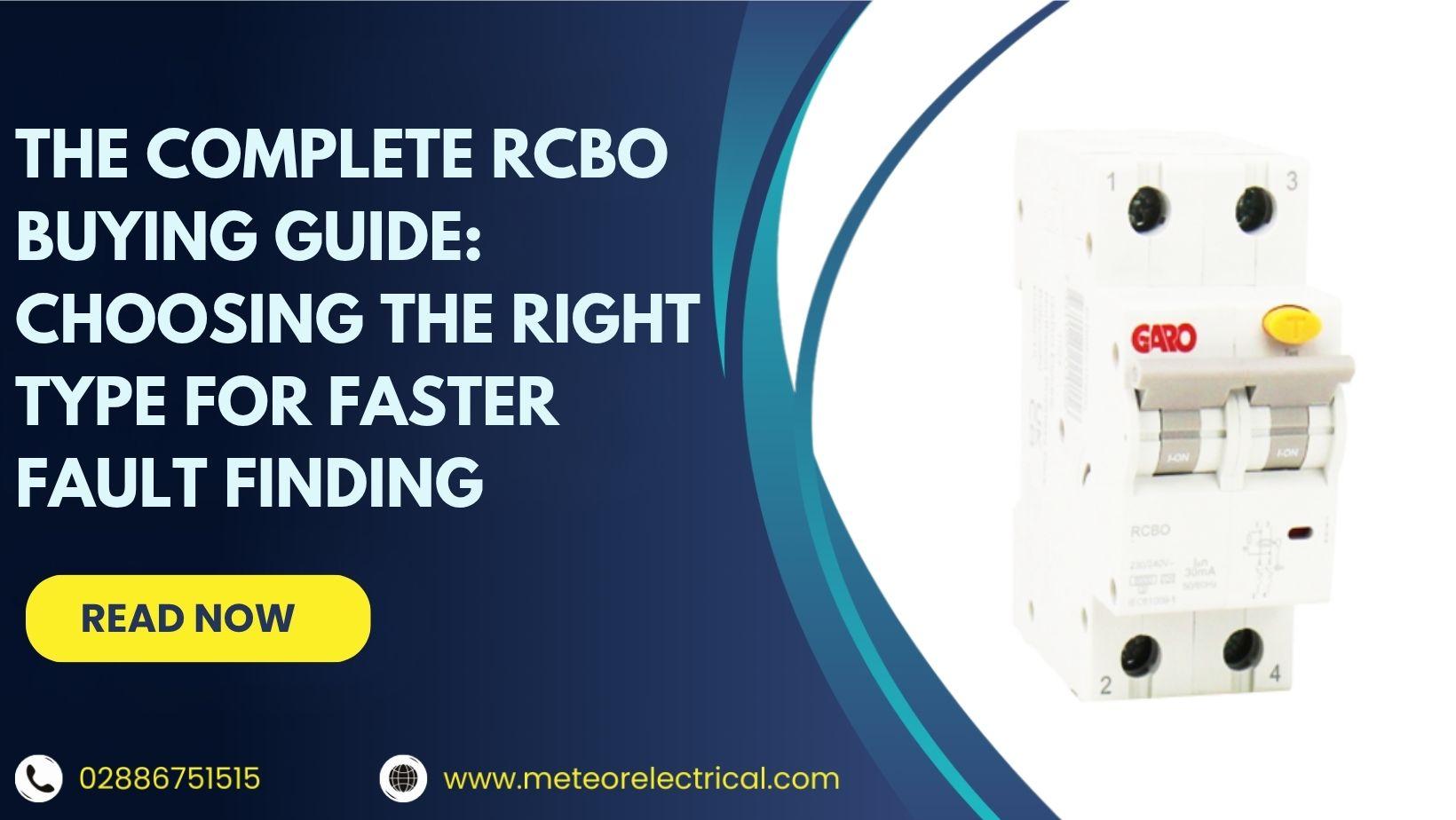
The Complete RCBO Buying Guide: Choosing the Right Type for Faster Fault Finding
When a circuit trips, nobody wants to waste time tracing the issue across half the board. That is exactly why RCBO consumer units are such a smart choice for homes, offices, and light commercial spaces, as they make fault isolation quicker, reduce disruption, and give each circuit more targeted protection.
In this guide, you will learn which RCBO consumer unit is best for faster fault finding in domestic and light commercial installations to make the right decision.
Understanding the Importance of RCBO Consumer Units for Electricians and Facilities Managers

For electricians and facilities managers, speed matters just as much as safety. RCBO consumer units are popular because each circuit can be protected individually, making it easier to pinpoint faults without shutting down multiple circuits at once. That is especially useful in occupied homes, workplaces, and sites where downtime quickly becomes expensive or inconvenient.
Key Specification of RCBO Consumer Units
Before choosing a board or device, focus on the practical specifications that affect installation, compliance, and day-to-day performance:
- Amp rating: This must suit the circuit load, with product examples on Meteor’s range including 20A, 32A, and 40A options.
- No. of poles: Double-pole RCBOs protect both live and neutral conductors, which is common across the featured products.
- No. of modules: A 1-module RCBO saves space, while a larger consumer unit with 36 modules gives more room for circuit planning and future additions.
- Tripping characteristics: B Curve suits many standard circuits, while C Curve is often considered for circuits with moderate inrush current.
- Short-circuit rating: 6kA is a common rating across the products reviewed here and is suitable for many standard installation environments.
Did You Know: A well-planned board layout can make fault-finding faster, not just because of the RCBO itself, but because spare ways and sensible circuit separation reduce guesswork when something trips.
Choosing the Right RCBO Type for Faster Fault Finding
If you want quicker diagnosis and less disruption, the right selection starts before installation. A good setup balances circuit protection, board capacity, and the type of electrical load on the system.
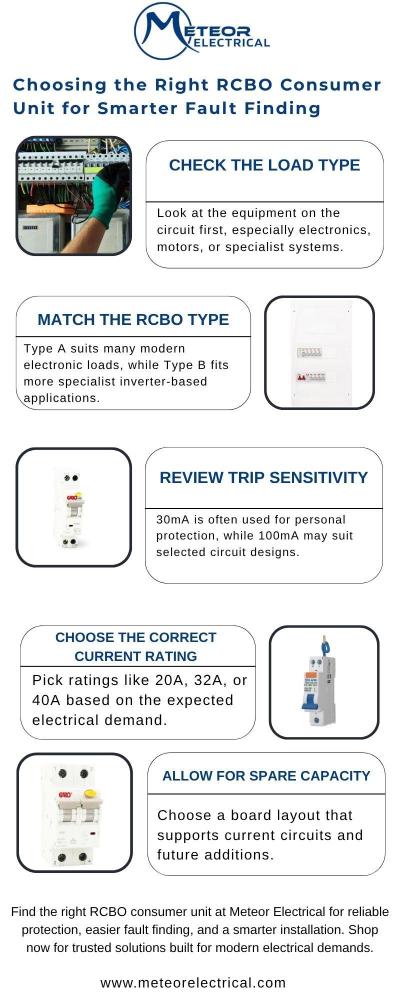
- Check the load type first, especially where electronics, motors, or specialist equipment are involved.
- Match the RCBO type to the application, with Type A commonly used for modern electronic loads and Type B considered for more specialist setups, such as inverter-linked systems.
- Review trip sensitivity, with 30mA often chosen for personal protection and 100mA used in selected applications, depending on the circuit design.
- Choose the right current rating so the RCBO suits the expected load, whether that is 20A, 32A, or 40A.
- Plan for number of ways and spare capacity so the board can accommodate current circuits and future additions without compromise.
How Do I Choose the Right Type A or Type B RCBO For My Installation?
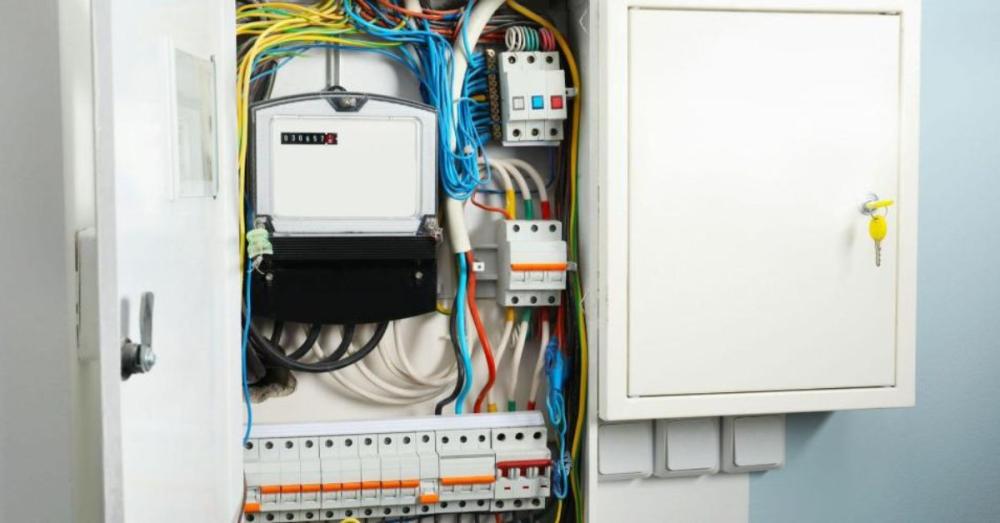
Start with the equipment connected to the circuit, because the right type depends on the nature of the load and the residual current characteristics it may produce.
Match the RCBO Type to The Application
Type A RCBOs are commonly selected for modern loads that may create pulsating DC residual currents, which is why they are often considered for contemporary domestic and light commercial installations.
Type B RCBOs are generally reserved for more specialist applications, such as inverters and certain advanced systems, where the fault profile is more complex.
Check Current Rating, Trip Sensitivity and Board Capacity
A 30mA device is typically associated with personal shock protection, while 100mA options may be used in specific circuit arrangements depending on the design brief.
Also, check the number of ways, spare module space, and whether the board format supports future expansion, especially if you are looking for the best consumer unit for home upgrades rather than a short-term fix
Source - Industrial Control Academy
Safeguarding Electrical Setups: Best RCBO Consumer Units Online
If you are comparing products and want to buy consumer unit online, it helps to focus on real use cases rather than just model numbers. The options below cover larger boards, compact RCBOs, and flexible choices for domestic and light commercial work.
1. Surface, 3 row, 36 mod, main ISOL 8 Way, RCCB & 2 x RCBO, Surge GARO
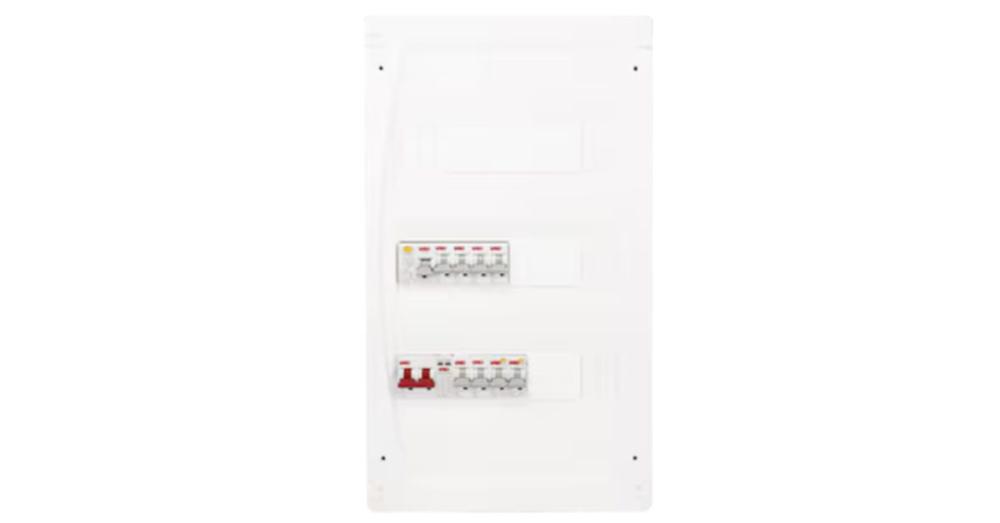
This GARO consumer unit is a strong fit for larger homes, rewires, and installations that need room to grow. With a 3-row 36-module format, built-in surge protection, and an 80A rated current, it gives installers much more flexibility than a small board.
- 80A rated current.
- 36 modules and 3 rows.
- Double pole isolator 100A.
- Integrated surge arrestor.
- IP40 enclosure, EN 61439-3.
Shop Surface, 3 row, 36 mod, main ISOL 8 Way, RCCB & 2 x RCBO, Surge GARO
2. 32A 6kA RCBO 1 Module 2P 100mA B Characteristic GARO
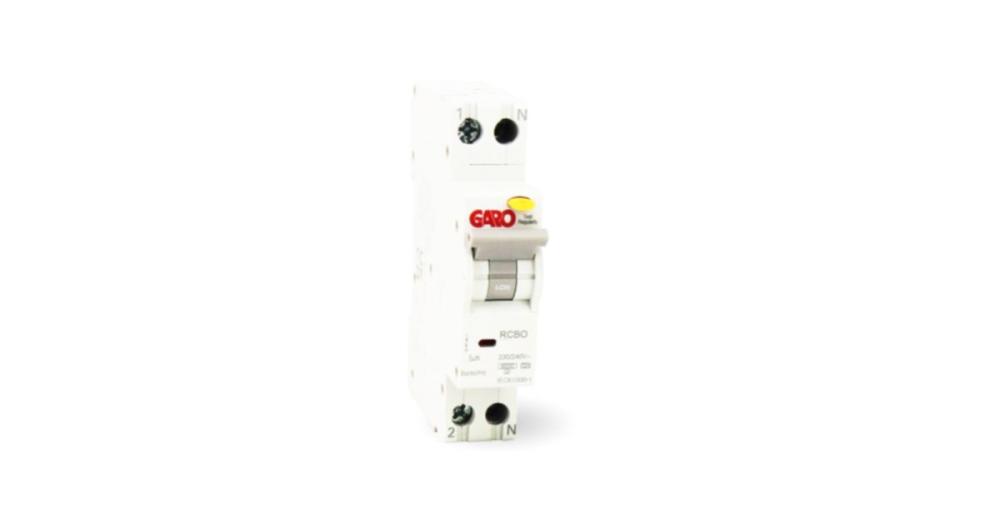
Need a compact device for a specific circuit? This GARO RCBO suits residential and commercial use, and its 1-module, 2-pole design is useful where space is tight, but protection still needs to be robust.
- 32A current rating.
- 6kA short-circuit capacity.
- B Curve tripping characteristic.
- Type A residual current type.
- 100mA sensitivity, IEC 61009.
Shop 32A 6kA RCBO 1 Module 2P 100mA B Characteristic GARO
3. 20A 6kA RCBO 1 Module 2P 100mA B Characteristic GARO
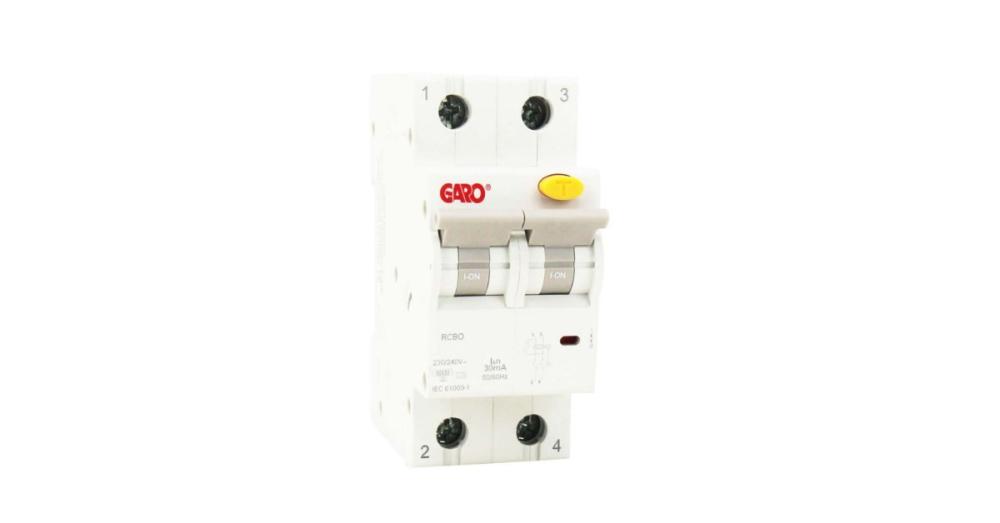
This is a neat option for lighter-load circuits where a smaller current rating is the better fit. It keeps the same compact 1-module format and Type A protection profile, which is useful for modern installations.
- 20A rated current.
- 1 module, 2 pole.
- 6kA short-circuit capacity.
- B Curve tripping.
- Type A residual current type.
Shop 20A 6kA RCBO 1 Module 2P 100mA B Characteristic GARO
4. Live Single Module Double Pole 40A B Curve 30mA Type A mini RCBO
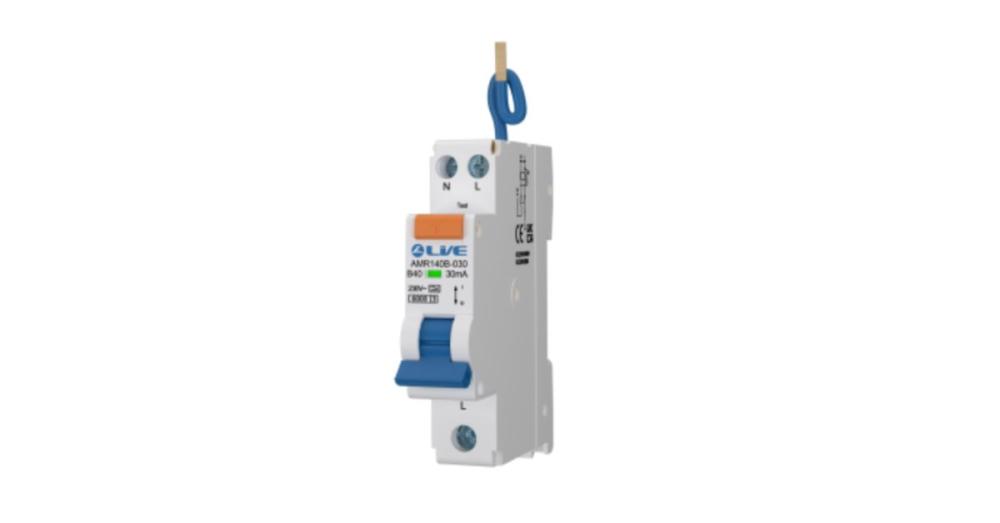
For circuits needing 30mA sensitivity and compact installation, this Live Electrical mini RCBO is especially attractive. It detects AC and pulsating DC residual currents and includes a switched neutral, helping disconnect only the faulty circuit while others remain live.
- 40A current rating.
- 30mA residual current.
- Type A device.
- B Curve tripping.
- 6kA short-circuit capacity.
Shop Live Single Module Double Pole 40A B Curve 30mA Type A mini RCBO
Conclusion: Choosing the Right RCBO Consumer Unit with Meteor Electrical
When choosing RCBOs for fault finding, always look at load type, RCBO type, trip sensitivity, current rating, spare capacity, and overall application fit. If you want the best consumer unit for home upgrades, comparing board layout and circuit-level protection is the quickest route to a better decision.
For a dependable range of RCBO consumer units, from trusted brands such as GARO and Live Electrical, explore Meteor Electrical and match the right product to the job with confidence.
Shop now and give your next installation faster fault finding, cleaner protection, and a board setup built for modern demands.
FAQs
1. Do RCBO consumer units reduce nuisance tripping?
Yes, they often help reduce wider disruption because each circuit can be protected individually rather than grouped under one device.
2. How many ways should an RCBO consumer unit have for a full-house rewire?
Choose a board with enough ways for current circuits plus spare capacity for future additions, especially in larger homes or renovation projects.
3. Should I choose a 30mA or 100mA RCBO for this circuit?
30mA is commonly used where personal protection is required, while 100mA may suit selected applications depending on the design and protection strategy.
4. Can I use the same RCBO type for sockets, lighting and specialist equipment?
Not always, because the correct RCBO type depends on the connected load and the residual current characteristics of that equipment.
5. When is a high-integrity consumer unit a better option than a standard board?
A high-integrity unit is often useful when you want better circuit separation for key circuits without moving to a fully RCBO-only layout across the whole board.
Key Takeaways
- RCBO consumer units protect each circuit individually, which makes fault finding faster and reduces overall disruption.
- Choosing the right RCBO type depends on the load. Type A suits most modern installations, while Type B is used for specialist systems.
- Always match the current rating and trip sensitivity to the circuit. Common options include 20A, 32A, 40A, and 30mA or 100mA protection levels.
- A well-planned consumer unit with enough spare ways helps with future expansion and easier troubleshooting.
- Compact 1-module RCBOs are ideal where space is limited, while larger boards suit full rewires and bigger setups.
- Focusing on specifications like short-circuit rating, tripping curve, and module size ensures safe, efficient, and compliant installations.