
The Complete Kitchen Extractor Fans Buying Guide UK: Airflow, Timer/Humidity Options and Noise

The Complete Kitchen Extractor Fans Buying Guide UK: Airflow, Timer/Humidity Options and Noise
Choosing the right kitchen extractor fan is not just about clearing cooking smells. In UK kitchens, the specs you pick affect condensation, mould risk, comfort, and whether your setup meets typical building regulation expectations for ventilation. This guide serves UK homeowners and landlords who want fewer call-backs, plus electricians and facilities managers who need quick comparisons and installation-friendly choices.
Airflow & Performance - How to Size a Kitchen Extractor Fan Correctly
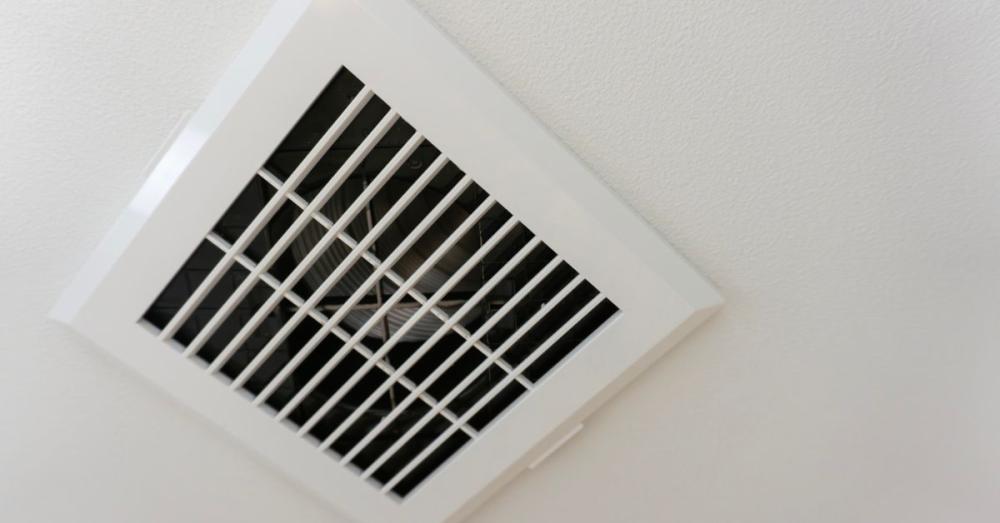
Airflow is usually shown as an extraction rate such as m3/h (cubic metres per hour) or L/s (litres per second). It’s the number one spec because it dictates how quickly steam and airborne grease are removed, which directly impacts lingering odours and moisture.
A practical way to estimate airflow is to think in air changes per hour (ACH). As a rule of thumb, kitchens often perform well around 10 to 15 ACH, depending on cooking intensity and whether doors are often shut. The quick calculation is:
- Room volume = length × width × height
- Target airflow = room volume × desired ACH
You do not need to overthink the math, but do cross-check the result against how the kitchen is used. A small, busy staff kitchen needs more headroom than a large, lightly used domestic one.
Wall vs Window vs Ceiling Mounting
Mounting position changes real-world performance more than people expect:
- Wall-mounted units can work brilliantly when they have a short, direct route to outside.
- Window-mounted fans can be ideal for simple retrofits where drilling and long duct runs are impractical.
- Ceiling mounting is neat, but only stays efficient if ducting is planned well and supported properly.
Ducting and Resistance
Ducting is where good designs can become great. Long runs, tight bends, undersized duct diameter, and restrictive external grilles all add resistance and cut delivered airflow. For electricians, a weak performing fan is often solved by shortening the duct run, reducing bends, or upgrading to a fan designed to handle higher static pressure.
Timer and Humidity Sensors - Controls That Prevent Dampness and Improve Performance
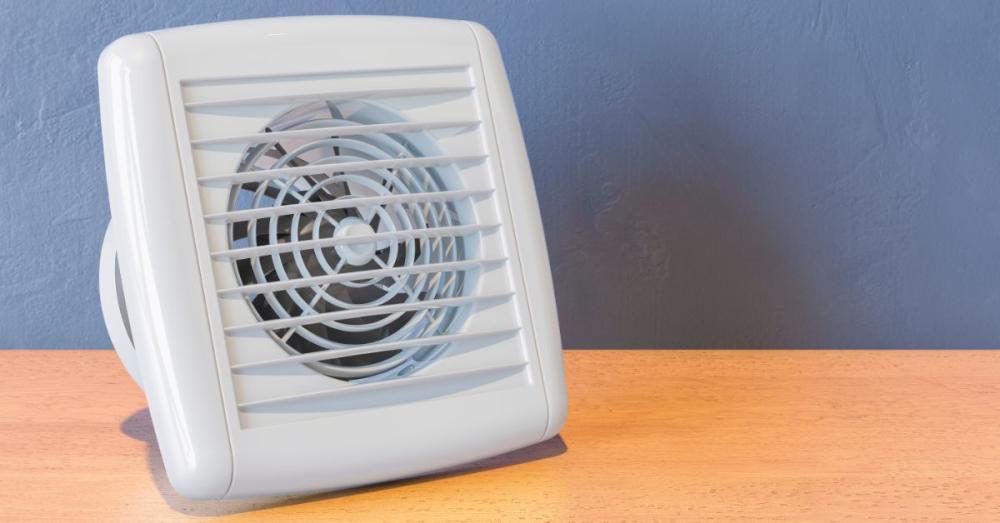
Controls matter because most users switch a fan off too soon. A run-on timer keeps extraction going after cooking finishes, which is exactly when surfaces are cooling and moisture is still hanging in the air. If you want fewer damp patches and less lingering smell, a timer is a small upgrade with a big payoff.
Humidity Sensor (Humidistat) Fans
Humidity sensor fans suit kitchens that regularly fog up, especially in flats, open-plan spaces with limited cross-ventilation, or staff areas where no one owns the switch. They react to rising humidity and keep running until levels drop, which helps prevent mould and peeling paint around ceilings and external corners.
Pull Cord, Wall Switch, and Isolator Considerations
Think about switching and isolation early, especially for trade installs:
- Pull Cord: Simple, but not always ideal in kitchens for accessibility and placement.
- Wall Switch: User-friendly, but consider location so it actually gets used.
- Local Isolator: Helpful for safe maintenance, cleaning, and fault-finding.
Noise Levels & Comfort - How to Choose a Quiet Kitchen Extractor Fan
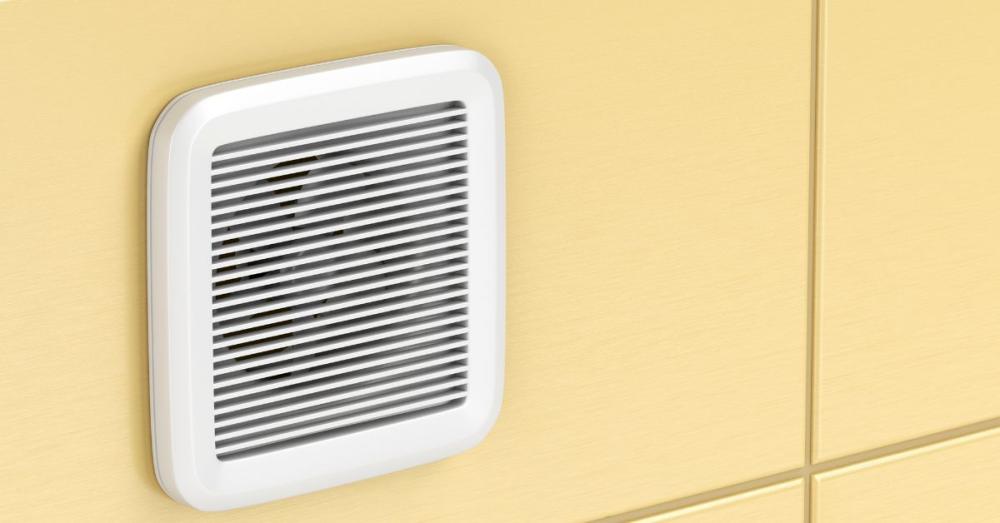
Noise is usually quoted in dB, but perceived loudness varies with room acoustics, mounting surface, and duct resonance. A fan can look “quiet” on paper yet sound harsher in real life if it vibrates or if the duct acts like a speaker.
The main trade-off is simple - chasing ultra-low noise sometimes means accepting lower airflow. The better approach is to pick adequate airflow first, then reduce noise through smart choices:
- Use the correct duct diameter and avoid sudden reductions.
- Keep duct runs short and limit sharp bends.
- Choose an appropriate mounting method and avoid fixing to flimsy panels that amplify vibration.
- Consider features like backdraft shutters, which can also reduce external noise ingress.
If you’re fitting in flats, HMOs, or anywhere cooking happens late, a well-installed, properly sized kitchen extractor fan feels quieter than an underpowered unit that has to run longer and still fails to clear moisture.

Buy Kitchen Extractor Fan Online: Top Options at Meteor Electrical
1. iCON 30 Extractor Fan with Auto-Iris Shutter (Airflow)
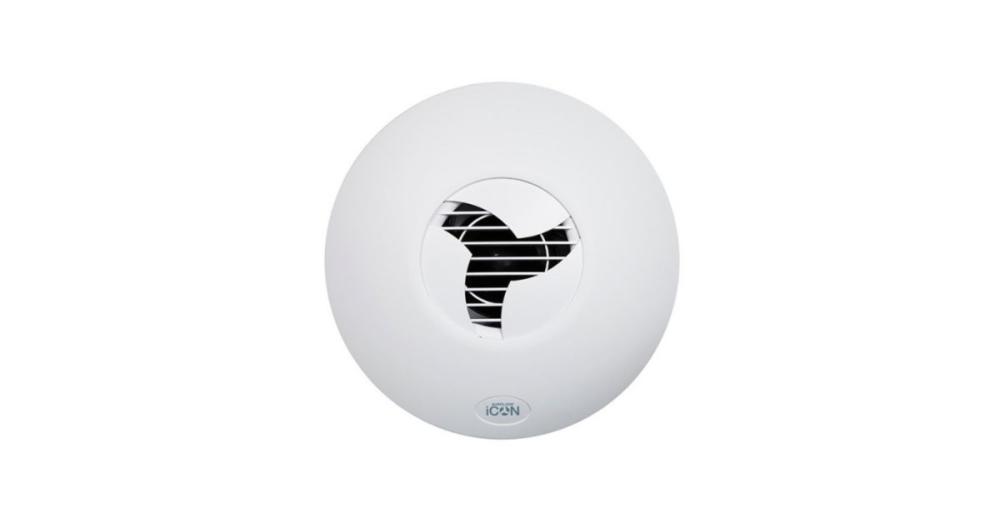
A strong choice for larger domestic kitchens and utility rooms where you want serious extraction without the “clattery fan” feel. The unique shutter design is built to operate quietly and helps reduce unwanted noise coming back from outside.
Product key features:
- Airflow up to 32 L/s32L/s (around 117 m3/h117m3/h)
- Auto-Iris shutter for discreet operation and reduced noise ingress
- Mixed flow performance for efficient extraction
- Slim profile for recessed or surface mounting
4.2 Aventa AV100T 4 inch In-Line Fan with Timer, Mixed Flow (Airflow)
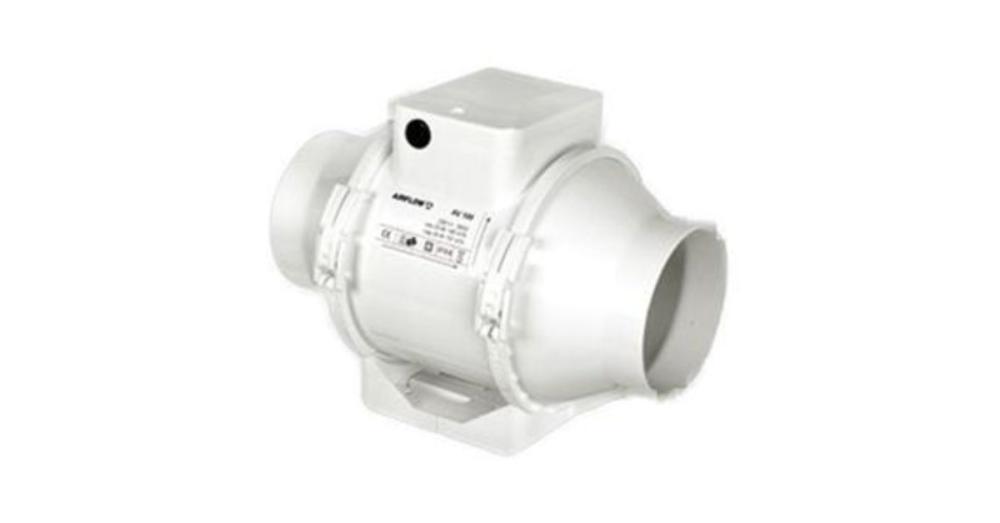
If your layout forces ducting, an in-line mixed flow unit can be a smarter solution than a standard wall fan. It’s designed for remote mounting in lofts or cupboards, with timer control that supports proper “clear-down” after cooking.
Product key features:
- High performance up to 187m3/h
- Adjustable run-on timer (11 to 2020 minutes)
- Two-speed operation for flexible commissioning
- Ductable up to 6m with supplied mounting bracket
- Mixed flow design for a good balance of pressure and airflow
Conclusion: Build a Durable, Serviceable Ventilation Setup
A good buying decision comes down to a short checklist - Size airflow for the room, keep ducting efficient, choose timer or humidistat controls that match how the space is used, and aim for a noise level you can live with. Done right, your kitchen extractor fan becomes invisible in the best way, it simply keeps the air fresh.
Ready to buy kitchen extractor fan online? Head to Meteor Electrical and choose from a range built for reliable UK installs.
FAQs
1. What airflow rate do I need for a kitchen extractor fan in the UK?
Most kitchens perform well around 10 to 15 air changes per hour, but heavy cooking and poor natural ventilation usually need higher airflow capacity.
2. Is a timer extractor fan better than a standard fan for kitchens?
Often yes, because a run-on timer clears lingering steam and odours after cooking, when people typically switch fans off too early.
3. Are humidity sensor extractor fans suitable for kitchens or only bathrooms?
They work well in kitchens too, especially where condensation is frequent or users forget to run the fan long enough.
4. What common installation issues reduce extractor fan performance?
Long duct runs, multiple sharp bends, restrictive grilles, and missing backdraft protection can all cut delivered airflow and make the system noisier.