
Panel vs Convector Heaters Buying Guide: Picking the Right Option for Office and Commercial Spaces
Panel vs Convector Heaters Buying Guide: Picking the Right Option for Office and Commercial Spaces
Space heating is often the biggest slice of a commercial energy bill, frequently hovering around half of a building’s total energy use, depending on the site and schedule. Choosing between panel vs convector heaters is an understated decision as it impacts everything from cost, control, and compliance.
This guide serves electricians, facilities managers, and procurement teams involved in the installation and maintenance of heating and ventilation products. It will help you pick the right format the first time and avoid the usual sizing and control mistakes. You will learn where each heater type performs best, what features actually reduce running costs, and what to watch for in real-world layouts.
Understanding Panel vs Convector Heaters for Offices and Commercial Spaces

A panel heater is typically a slim wall-mounted unit that warms the room with a higher proportion of radiant heat, so people feel comfortable without needing lots of air movement. Many modern electric panel heaters are also designed to be ErP compliant and easy to programme.
A convector heater warms air passing through the unit, pushing heat out into the space mainly via convection. Some models include a fan for faster heat distribution, which can be useful when rooms are used intermittently.
Panel vs Convector Heaters: The Differences That Matter in Commercial Buildings
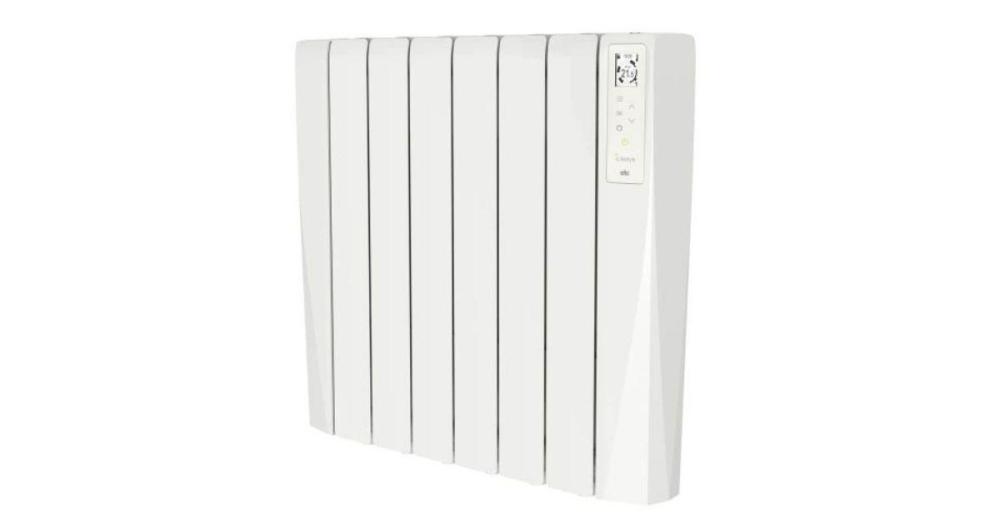
1. Heat Delivery and Comfort: Radiant-Led Warmth vs Convection-Led Airflow
Panel heaters provide steadier, more “still” comfort with less reliance on air movement. Convector heaters warm the air fast, but comfort can vary with drafts and zoning.
2. Warm-Up Speed, Heat Retention, and “Felt Temperature” In Open-Plan Offices
For all-day occupancy, panel heaters with good thermostats keep temperatures even. For stop-start rooms, convectors often heat up faster, especially in smaller spaces.
3. Noise, Air Movement, And Dust: Suitability for Clinics, Schools, and Meeting Rooms
Panel heaters are typically silent and low-airflow, which suits quiet or sensitive rooms. Convector heaters are often quiet too, but fan models can add noise and stir dust.
4. Aesthetics and Space Planning: Wall Real Estate, Desk Clearance, and Cable Routes
Panel heaters are slim and easy to integrate in modern office layouts. Convector units need a bit more planning for clear airflow, furniture clearance, and tidy cable routing.
5. Safety and Control: Surface Temperatures, Guards, Lockable Stats, and Tamper Resistance
Prioritise overheat protection and thermal cut-outs in busy areas. Tamper-resistant controls and lockable thermostats help prevent wasted energy and complaints.
How to Choose the Right Heater for Office and Commercial Zones
1. Sizing Basics: Matching Heater Output to Room Size, Ceiling Height, and Insulation Level
Start with room volume, insulation quality, glazing, and air changes. High ceilings, leaky fabric, and frequent door openings can all push required output up, even if the floor area looks modest.
2. Zone-By-Zone Selection: Reception, Corridors, Meeting Rooms, Toilets, and Server Areas
A practical approach is to match heater behaviour to how the zone is used:
- Reception and open-plan desks: steady comfort and neat wall installs often suit panel heaters
- Meeting rooms: fast warm-up may favour convectors with smart scheduling
- Corridors and entrances: focus on robust controls and placement away from drafts
- Toilets and small ancillary rooms: short bursts of heat with clear timer control
- Server or comms areas: usually need ventilation and cooling strategies, not extra space heating
3. Controls and Efficiency: Thermostats, Timers, Occupancy Sensors, and Building Schedules
If you are trying to specify an energy-efficient electric heater, controls do the heavy lifting. Prioritise:
- Accurate electronic thermostats to reduce temperature swing
- 7-day programming that matches occupancy
- Boost modes for short-time comfort without all-day heating
- Landlord or restricted modes to limit setpoint changes
4. Running Costs in Practice: Tariff Awareness, Zoning Strategy, and Reducing Overshoot
Running cost is rarely about the heater type alone. The big wins come from zoning, avoiding overheating, and preventing “heat and forget” behaviour. A simple change like splitting a floor into smaller timed zones can outperform a like-for-like heater swap.
5. Compliance Checklist: Electrical Considerations, IP Ratings, and Placement Rules (High Level)
At a high level, ensure correct circuit design, suitable isolation, and appropriate IP ratings in moisture-prone areas. Also check clearances around the heater and avoid locating units where furniture will block airflow or where sensors will read falsely.
Source - Multnomah County Deptartment of Human Services
Buy Electric Heater Online: Top Heating and Ventilation Product Recommendations
If you are comparing electric heaters for sale, the models below cover typical office needs, from programmable panels to quick-response convectors.
Panel Heaters: Top Picks from Meteor Electrical
1. ATC Almeria 2000W Eco Digital Panel Heater DPH2000-ECO ATC
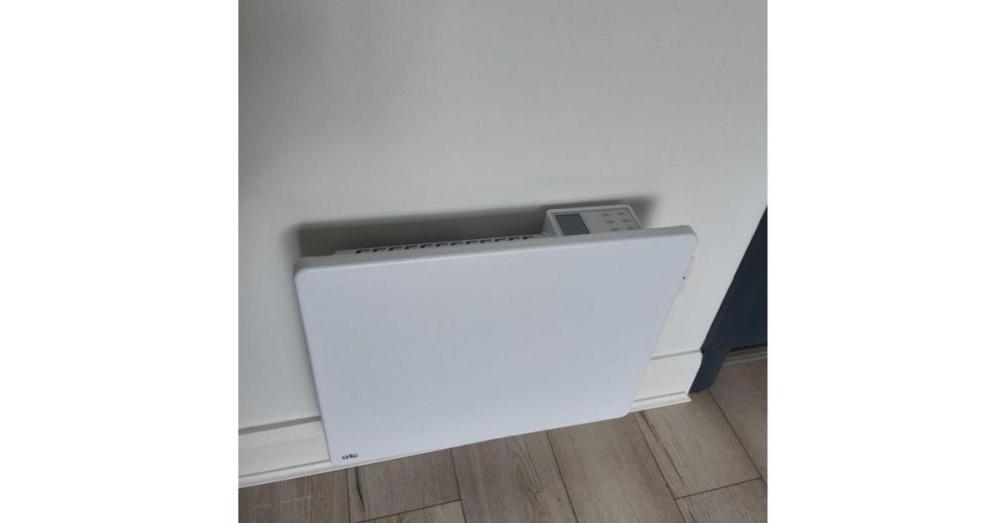
A strong choice for offices that want predictable comfort with proper scheduling. The menu-driven screen and landlord mode make it especially practical in managed buildings where you want control without constant call-outs.
- Large TFT screen with clear text menus
- Program, manual, and landlord modes
- Comfort and economy temperature settings
- Boost facility for short-term heat
- Open window technology for improved efficiency
2. ATC Almeria Eco Wi‑Fi Panel Heater 1kW (White)
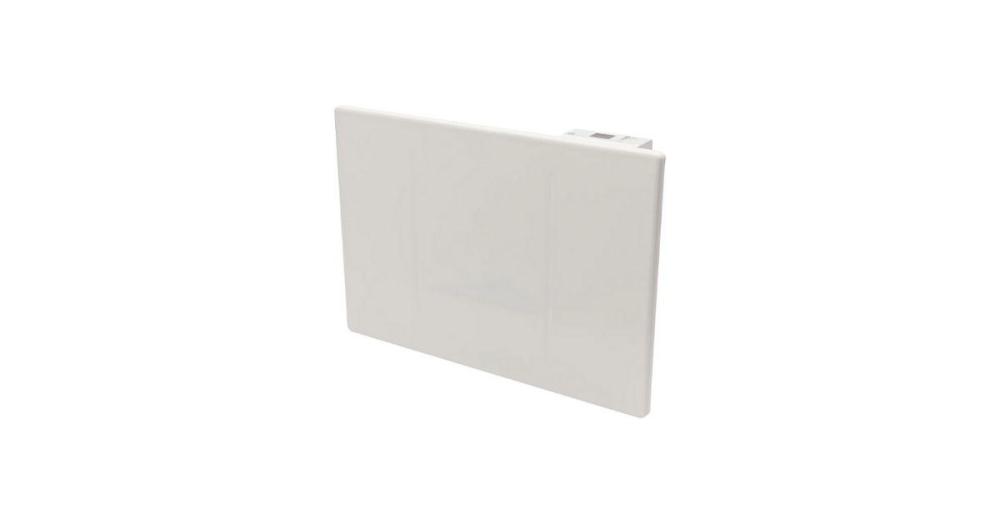
Ideal for smaller offices, meeting rooms, or zones where remote control helps align heating to bookings and occupancy. It is slim, modern, and designed for straightforward installation.
- Wi‑Fi control on 2.4 GHz
- IP24 rating for added splash resistance
- Compact size for tight wall spaces
- ErP-oriented, digital control approach
- Clean, minimal white finish
Convector Heaters: Top Picks from Meteor Electrical
1. Sunbeam 2000W Convector Heater with Timer
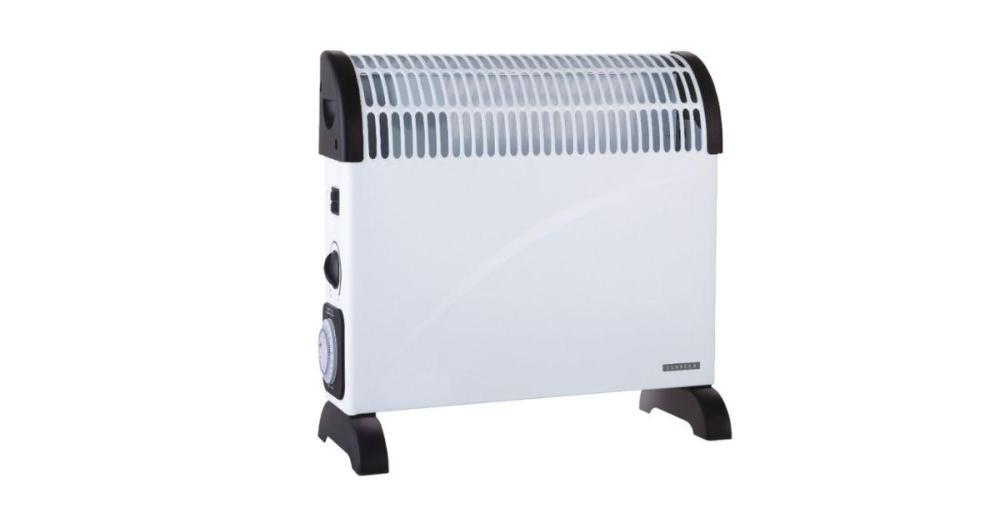
A practical “quick heat” option for spaces that are occupied in bursts. The timer and adjustable thermostat help reduce waste, and the multiple heat settings make it flexible across seasons.
- Three heat settings: 750/1250/2000 W
- Adjustable thermostat dial
- Overheat protection and thermal cut-off
- Turbo fan for faster heat movement
- 1-year warranty
2. Illumina 400W Frost Watcher with Thermostat
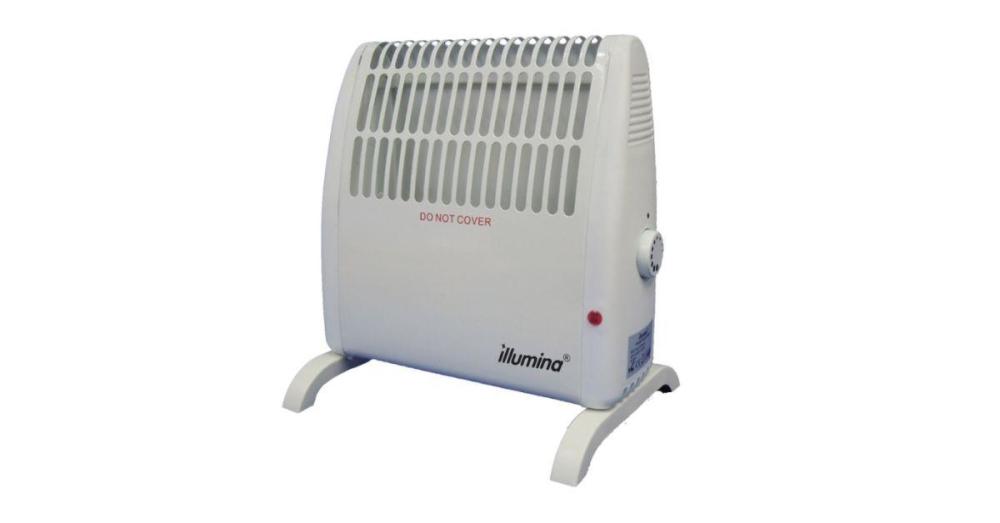
Best suited to small enclosures or frost-risk areas where you want background protection rather than comfort heating. It is quiet, compact, and can be wall-mounted or freestanding.
- Silent operation with anti-frost protection
- Adjustable thermostat 5∘C to 30∘C
- Automatic safety cut-out
- Wall or freestanding installation
- Plug and flex included
Conclusion: Choosing Between Panel vs Convector Heaters for Workplaces
The smartest choice in the panel vs convector heaters debate comes down to occupancy patterns and control strategy. Panels usually shine in steady, people-first spaces where quiet comfort matters, while convectors suit stop-start rooms that need heat on demand.
If you are ready to buy electric heater online and want dependable stock, clear specs, and trade-friendly selection, explore Meteor Electrical, a leading wholesale electrical supplier.
Browse, compare, and order the right heater for your site today.
FAQs
1. Are panel heaters or convector heaters cheaper to run in an office environment?
Neither is automatically cheaper; costs usually hinge on controls, zoning, and avoiding overheating, not just heater type.
2. What heater type is better for open-plan offices with fluctuating occupancy?
Panel heaters often feel more consistent for long occupied periods, while convectors can suit zones that need a quick warm-up for short usage.
3. Do convector heaters worsen dust movement or indoor air quality in commercial rooms?
They can increase air movement, especially fan-assisted models, so panel heaters are often preferred in dust-sensitive areas like clinics and meeting rooms.
4. What controls should facilities managers specify to prevent overheating and wasted energy?
Look for accurate thermostats, 7-day timers, boost modes, and restricted settings to stop constant manual setpoint changes.
5. What are the key installation considerations electricians should check before fitting either type?
Confirm circuit capacity and isolation, maintain proper clearances, choose suitable IP ratings, and position heaters to avoid drafts and blocked airflow.