
LED Lighting Upgrade Guide: Get the Right Brightness, Colour & Savings
LED Lighting Upgrade Guide: Get the Right Brightness, Colour & Savings
Switching to LED lighting sounds simple, until you are standing in front of a wall of boxes wondering about lumens, Kelvin, fittings, and whether your dimmer will work. Whether you are an electrician planning a retrofit or a facilities manager standardising site lighting, a little upfront planning helps you get the right light levels, reduce call-backs, and maximise energy savings.
This guide walks you through the key decisions with practical comparisons so you can buy the right LED bulbs and downlights.
Start With a Quick Lighting Audit (Biggest Savings First)
Before you replace everything, identify what is on the most. High-use light fittings for homes deliver the fastest ROI, especially in corridors, kitchens, reception areas, and washrooms.
List fixtures that run:
- 4+ hours/day (or are sensor-triggered frequently)
- Prioritise halogen and older CFLs first for faster savings
- For sites, note locations where failures are costly (high ceilings, access equipment, out-of-hours)
This approach also supports a staged LED retrofit and reduces the chance of bulk-buying the wrong spec.
Lumens vs Watts: Choose Brightness the Easy Way
Watts tell you energy use, but lumens tell you brightness. If you do not want to calculate every time, use this simple “10% rule” as a practical starting point. Many electricians also keep a lumen to watt LED conversion note on hand for quick quoting and site checks.
Quick rule of thumb conversion
- Old 100 W incandescent → ~10 W LED
- Old 60 W → ~6 W LED
- Old 40 W→ ~4 W LED
Spotlight swaps (common retrofit)
- 50 W halogen GU10 → ~4 W GU10 LED (often the sweet spot)
If you are specifying LED lighting for offices and commercial spaces, check lumens on the datasheet and aim for consistent output across brands.
Source - Electrician U
Pick the Right LED Colour Temperature (Kelvin)
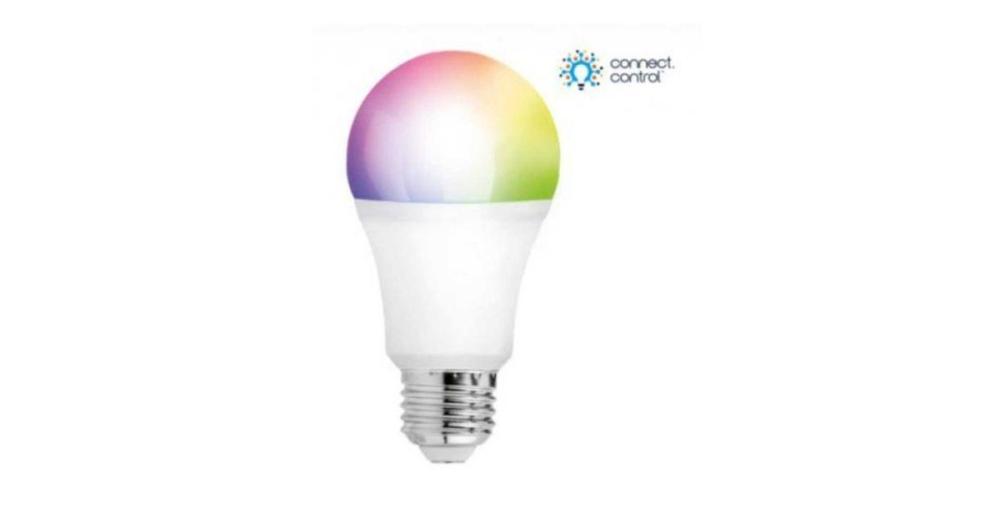
Colour temperature is measured in Kelvin (K). Lower K looks warmer; higher K looks cooler and whiter.
Warm White vs Cool White: What To Choose
If you are unsure, start by comparing warm white vs cool white options in the same space:
- 2700 K to 3000 K: Warm, cosy (homes, hospitality, breakout areas)
- 4000 K: Neutral white (offices, kitchens, general commercial)
- 5000 K+: Very cool or blue-white (task-heavy areas, some industrial use)
A practical tip: Standardise Kelvin per zone. Mixed colour temperatures in the same line of sight can make a finished install look inconsistent even when brightness is correct.
Dimmable LED bulbs: Check Compatibility to Avoid Flicker
Yes, you can dim LEDs, but only if both the lamp and the dimmer are compatible. This is where LED dimmer compatibility really matters, especially in refurb projects where older dimmers are still in place.
What to look for:
- Choose clearly marked dimmable LED bulbs
- Confirm the dimmer type (leading-edge vs trailing-edge)
- Watch for symptoms like flicker, limited dimming range, or buzzing
Because LEDs draw low wattage, older dimmers may not meet minimum load requirements. In many retrofits, upgrading to an LED-rated dimmer prevents nuisance issues and reduces snag lists.
Get The Right Fitting: GU10 vs MR16 (pins vs pegs)
A simple LED bulb fitting guide process saves time: remove one lamp (power off, let it cool), check the cap type, then match exactly.
Common Spotlight Fittings
- GU10 (pegs, twist-lock): Mains voltage, usually straightforward to replace
- MR16 / GU5.3 (pins): Often low voltage and may involve transformers or drivers
When choosing between types, confirm GU10 vs MR16 LED requirements and whether any existing transformers are LED-compatible. Some older transformers do not work well with low-wattage LEDs, which can cause flicker or early failures.
Buy Smart: Test One First, Then Standardise
Think of LED upgrades like choosing paint. Test before committing. Buy one lamp (or one box) and verify:
- Brightness looks right in the actual room
- Colour temperature matches expectations
- Dimming works smoothly (if required)
- Beam angle suits the task (especially for spotlights)
Once you have validated performance, standardise part numbers across the site. It simplifies maintenance and speeds up reordering.
Upgrade Confidently with Meteor Electrical!
If you are planning an LED retrofit, product choice is only half the job. Consistent specifications, reliable availability, and trade-friendly support keep projects on schedule. Meteor Electrical is a leading wholesale electrical supplier for the UK and European markets, helping electricians and facilities teams source the right LED lamps, fittings, and accessories without the guesswork.
Explore light fittings and order with confidence at Meteor Electrical and make your next upgrade smoother, faster, and more cost-effective.
FAQs
1. What is the easiest way to convert watts to LED?
Use the 10% rule as a quick check, then confirm lumens on the packaging or datasheet for accuracy.
2. How many lumens do I need for a room?
It depends on room size and use, but using lumens (not watts) is the best way to specify brightness consistently across brands.
3. Which colour temperature is best for offices?
Most offices suit 4000 K for a clean, neutral light, while 3000 K can feel more relaxed in hospitality or breakout spaces.
4. Can I use LED bulbs with an existing dimmer?
Sometimes, but flicker is common. Use dimmable lamps and confirm dimmer compatibility, or upgrade to an LED-rated dimmer.
5. How do I know if I have GU10 or MR16?
GU10 has twist-lock pegs; MR16 has two pins. Always match the fitting exactly before ordering in bulk.