
Smoke Alarm Types: A Simple Guide To Choosing The Right One
Smoke Alarm Types: A Simple Guide To Choosing The Right One
Understanding Different Smoke Alarm Types
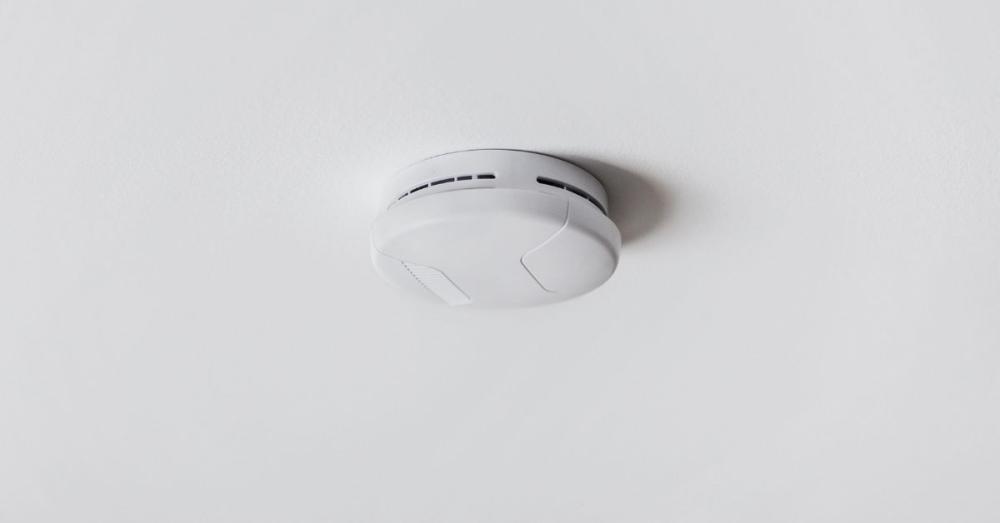
Smoke alarms are one of the easiest and most affordable ways to protect your home and loved ones from fire, but not all alarms work in the same way. Choosing the right type of smoke detector for each room can help you detect both fast‑flaming and slow‑smouldering fires quickly. In this guide, you will learn how ionisation, optical and heat alarms work, where to install them and how to keep them in good condition.
Ionisation Smoke Alarms Explained
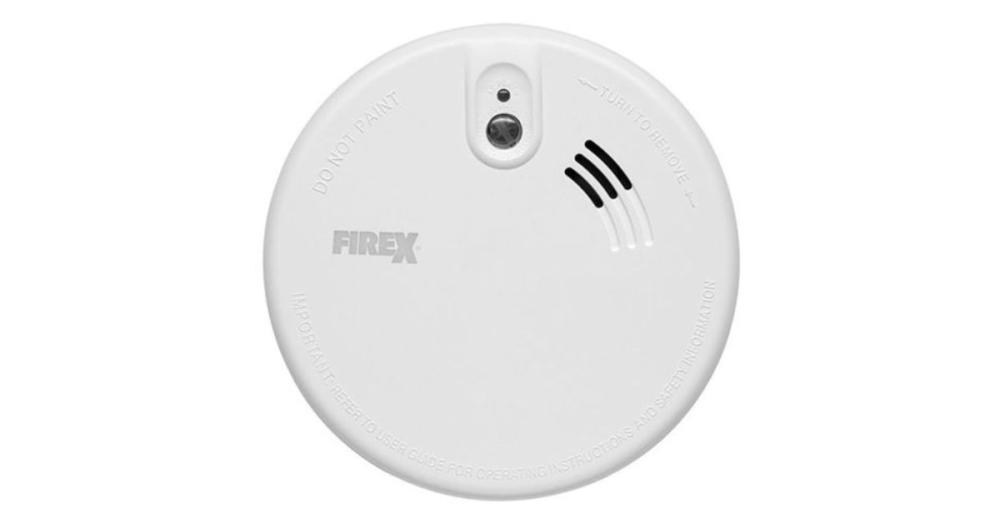
Ionisation smoke alarms detect tiny, invisible particles released by fast‑flaming fires, such as chip pan fires or burning paper. They contain a small radioactive source that ionises the air, allowing a current to flow between two plates; when combustion particles enter the chamber, the current changes and the alarm sounds.
These alarms respond quickly to rapid fires, making them suitable for areas like hallways and landings near kitchens or living rooms rather than in the kitchen itself. The downside is that they can be more prone to false alarms triggered by dust, insects or steam, so they should be kept away from bathrooms and directly above cooking appliances.
Optical (Photoelectric) Smoke Alarms
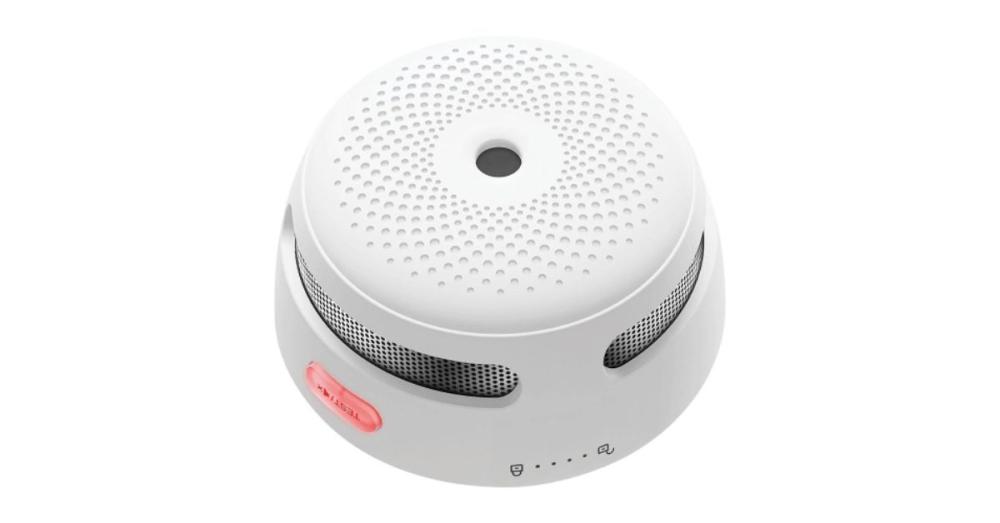
Optical, also called photoelectric, smoke alarms are designed to detect visible smoke particles from slow‑smouldering fires. Inside the alarm, an infrared or LED light beam shines across a sensing chamber; when smoke enters, it scatters the light onto a sensor, breaking the circuit and triggering the alarm.
These alarms are ideal for detecting slow-burning fires caused by overheated wiring, electrical appliances or upholstery starting to smoulder. They are generally less prone to nuisance alarms from steam or minor cooking fumes, but can still be activated by heavy smoke from ovens or toasters, so it is best to position them slightly away from direct cooking areas.
Heat Alarms for Kitchens and Garages
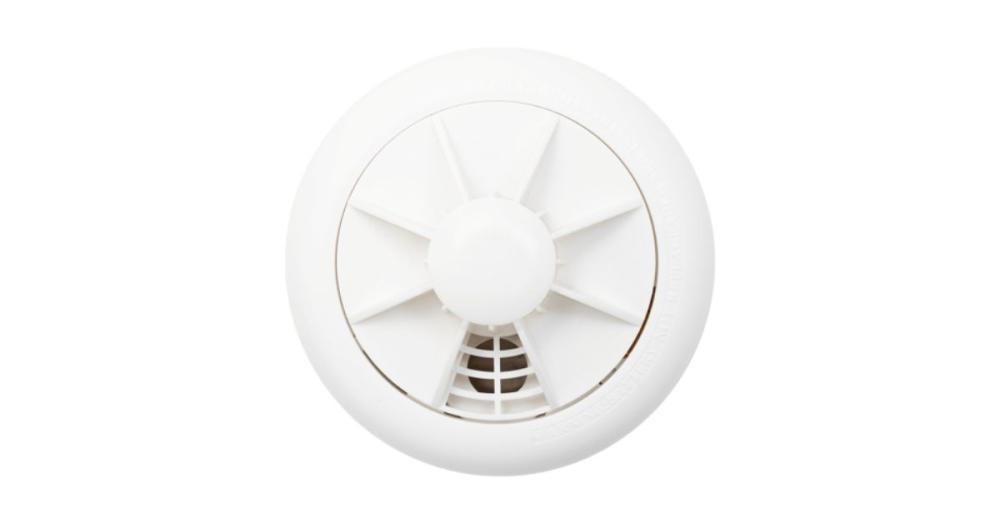
Heat alarms do not detect smoke; instead, they respond to a rise in temperature. There are two main types: fixed‑temperature heat alarms that activate at around 58 °C, and rate‑of‑rise heat alarms that trigger when the temperature increases rapidly over a short period. Because they are less sensitive to dust and airborne particles, they require less frequent cleaning than smoke alarms.
Heat alarms are particularly suited to kitchens, garages, boiler rooms and workshops where smoke or steam may be present in normal use. They help reduce false alarms from everyday cooking or steam from kettles, while still providing warning if a dangerous temperature is reached. However, they should not be the only form of fire detection in a property, as they will not respond to smoke from a distant smouldering fire.
Which Smoke Alarm is Best for My Home?
For comprehensive home fire safety, a combination of ionisation and optical smoke alarms, supported by heat alarms in high‑risk rooms, offers the best coverage. In many modern systems, interlinked alarms are recommended: when one unit detects a fire, it sends a signal so all connected alarms sound, ensuring everyone in the property hears the warning. This approach is especially useful in larger dwellings, multi‑storey homes and guest houses.
Battery‑powered smoke alarms with long‑life (often 10‑year) batteries provide basic protection and are easier to install in existing properties with no wiring. For the highest level of safety, mains‑powered smoke alarms with battery backup are preferred, as they continue to operate even if the power supply fails. Whichever option you choose, always follow local regulations and, where required, have mains devices installed by a qualified electrician.
Source -
How to Maintain Your Smoke and Heat Alarms
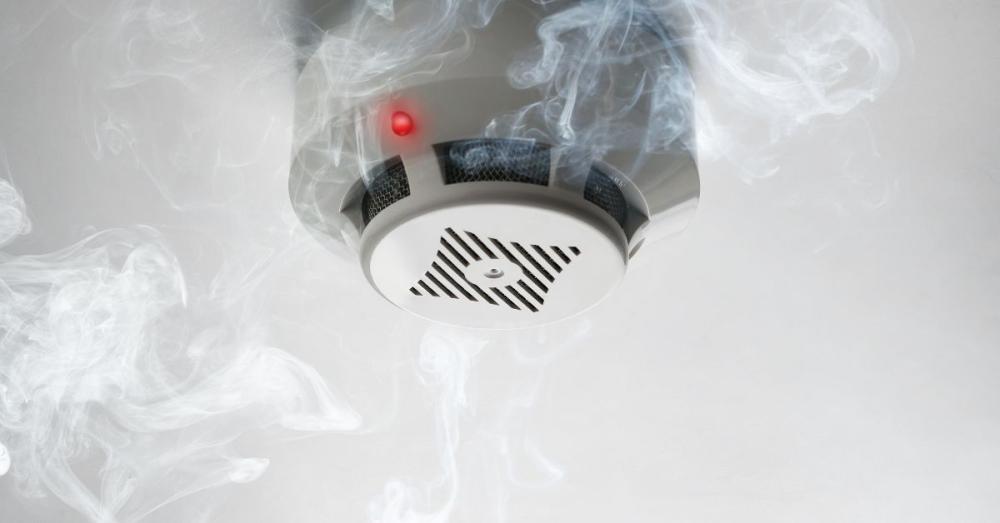
Even the best smoke alarm will not protect you if it is not maintained. Always read and follow the manufacturer’s instructions that come with each alarm, as different models have specific testing and cleaning requirements. Mains‑powered alarms should always be installed and, when necessary, replaced by a qualified electrician to ensure they are wired and interconnected correctly.
Test your smoke and heat alarms at least once a week using the test button, and replace batteries as soon as you hear a low‑battery chirp (or as recommended by the manufacturer, even in long‑life models). Gently clean alarms every few months with a soft cloth or vacuum brush attachment to remove dust and debris, and replace outdated units in line with their marked expiry date, usually every 8–10 years.
Protect Your Home with Meteor Electrical
Choosing the right mix of ionisation, optical and heat alarms is a simple step that can make a life‑changing difference in the event of a fire. The key is to match each room with the most suitable detector, ensure every alarm is powered correctly and keep them regularly tested and cleaned.
For reliable, compliant and high‑quality fire detection products, Meteor Electrical offers a wide range of smoke, heat and carbon monoxide alarms to suit every type of property and budget. Explore the latest interlinked systems, mains‑powered units with battery backup and long‑life battery smoke alarms today, and equip your home with the protection it deserves.
FAQs
1. Which type of smoke alarm is best for bedrooms?
Optical (photoelectric) smoke alarms are often recommended for bedrooms and living areas because they respond well to slow‑smouldering fires from bedding, furniture and electrical faults, while being less likely to trigger nuisance alarms from minor cooking fumes.
2. Should I put a smoke alarm in the kitchen?
It is usually better to install a heat alarm in the kitchen rather than a traditional smoke alarm, as heat detectors are less affected by normal cooking smoke and steam, reducing false alarms while still responding to dangerous temperature rises.
3. How often should smoke alarm batteries be changed?
Standard alkaline batteries should typically be replaced once a year, while sealed long‑life lithium batteries can last up to 10 years; however, any battery should be changed immediately if the alarm gives a low‑battery warning chirp.
4. How many smoke alarms do I need in my house?
A common recommendation is to have at least one smoke alarm on every storey, including hallways and landings, and one in the main living area, with additional alarms near bedrooms and interconnected units in larger homes for better coverage.
5. When should a smoke alarm be replaced entirely?
Most smoke alarms should be replaced every 8–10 years, even if they still appear to work, because the internal sensors degrade over time and may not respond quickly enough in an emergency.
6. Are interlinked smoke alarms worth it?
Yes, interlinked alarms significantly improve safety because when one alarm detects danger, all connected units sound together, giving occupants more time to escape, especially in larger or multi‑storey properties.