
LED vs Halogen: The Smart Buyer’s Guide to Lower Bills and Better Lighting
LED vs Halogen: The Smart Buyer’s Guide to Lower Bills and Better Lighting
Lighting can be a bigger running cost than most people realise, often around 18% of household electricity spend, so picking the right bulb is not just “nice lighting”, it is real money back each month. Whether you are an electrician specifying for a client or a facilities manager trying to cut site-wide consumption, the best choice usually comes down to two things: efficiency and lifespan.
In this guide, we will cover a LED vs halogen lighting cost comparison, explain what to look for on the box (lumens, watts, colour temperature), and help you buy confidently from a trusted wholesale supplier.
Key Considerations When Choosing the Best Light Bulb
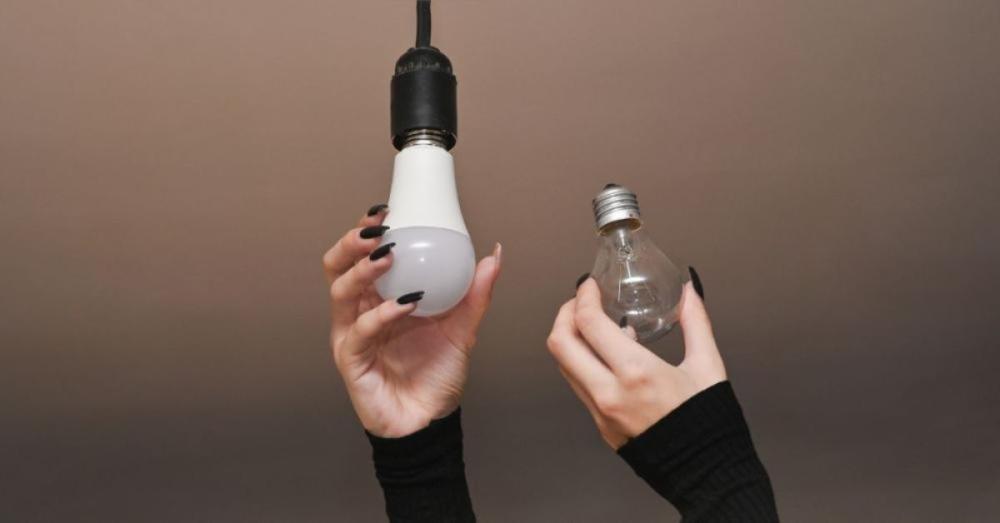
When people search “best light bulb” they are usually trying to balance brightness, running cost, and how often they will need replacements. For pros, there is also maintenance time, access costs (ladders, lifts), and stock standardisation across sites.
Here are the metrics that matter most:
- Lumens (lm) = brightness (what you actually see)
- Watts (W) = energy used
- Lumens per watt = efficiency
- Rated life (hours) = how long it lasts
- Colour temperature (K) + CRI = how the space feels and how colours look
Energy Efficiency: Why LEDs Usually Win on Running Cost
The more efficient the lamp, the less energy it wastes producing heat instead of light. Traditional incandescent lamps are the worst offenders, with much of their power becoming heat rather than usable illumination.
LED vs Halogen Efficiency
- LEDs convert a higher share of energy into light, so you get the same brightness using fewer watts.
- Halogen bulbs are better than incandescent, but still lose a lot of energy as heat.
Why Lumens Matter More than Watts
A common mistake is shopping by watts. Instead, match brightness by lumens:
- Around ≈700 lumens is typical for many “60W-equivalent” bulbs.
- With LEDs, you often get similar brightness at a fraction of the wattage, which directly reduces operating cost, especially when lights run 6 to 12 hours a day in offices, retail, or shared areas.
If your goal is to reduce energy bills quickly without compromising light quality, an LED lamp is usually the most efficient upgrade.
Lifespan and Maintenance: The Hidden Cost Saver
Efficiency saves energy, but lifespan often saves more in maintenance, especially for facilities teams. A longer rated life means fewer callouts, fewer disruptions, and fewer bulk replacement cycles.
What “Rated Life” Means in Practice
Manufacturers list lifespan in hours (for example, 10,000 to 25,000+). The real-world benefit depends on usage:
- In a home hallway, long life is convenient.
- In a warehouse, hotel corridor, or multi-storey building, long life reduces labour and access costs.
LED Lifespan vs Other Bulbs
- LEDs last significantly longer than halogen and incandescent.
- CFLs last longer than halogen and incandescent but come with trade-offs (warm-up time, dimming compatibility, disposal considerations).
For projects where downtime and maintenance matter, LED is typically the best ROI choice.
Choosing the Right LED Lamp (Buyer’s Checklist)
Buying an LED is not enough. Specifiers should match output and environment, especially when standardising across a site.
1. Pick the right brightness (lumens)
Use lumens to match the task. If you are asking how many lumens do I need, start with the room function:
- Bedrooms and lounges: softer, comfortable brightness
- Kitchens and work areas: brighter, task-friendly lighting
- Corridors and stairs: safe, consistent illumination
2. Choose colour temperature (Kelvin)
- Warm white (≈2700K–3000K): cosy, hospitality, residential
- Neutral or bright white (≈3500K–4000K): offices, retail
- Daylight (≈5000K+): task-heavy areas (use carefully to avoid a clinical feel)
3. Check fittings and compatibility
- Cap type must match the fitting
- Dimmable vs non-dimmable matters (especially for retrofits)
- For enclosed fixtures, choose LEDs rated for enclosed use to avoid overheating
LED vs Halogen vs CFL: Quick Comparison for Real-World Use
Here is the practical view electricians and facilities managers usually want:
- LED: Best efficiency, longest life, lowest maintenance
- Halogen: Good light quality, higher running cost, shorter life
- CFL: Moderate efficiency and life, but not always ideal for switching or dimming
- Incandescent: Generally inefficient and outdated for cost saving
Source - History of Simple Things
Where to Buy Reliable LED Lamps for Wholesale
If you are buying for multiple rooms, multiple sites, or ongoing maintenance stock, supplier reliability matters as much as the bulb itself. You want consistent product specs, strong availability, and a range that covers common fittings and colour temperatures.
Meteor Electrical is a leading wholesale electrical supplier for the UK and European markets, with a dedicated lighting range for trade and facilities needs. Explore Meteor Electrical’s LED lamps to compare options and choose a cost-effective upgrade path.
Conclusion: Upgrade to LEDs and Start Saving
If you are aiming to cut energy costs and reduce ongoing maintenance, LED lighting is usually the strongest all-round choice, especially for high-usage spaces like offices, corridors, retail, and multi-site facilities. The key is to specify by lumens, pick the right colour temperature, and buy from a supplier you can rely on.
Ready to upgrade? Visit Meteor Electrical to shop trade-ready LED lamps and source dependable lighting from a leading wholesale electrical supplier serving the UK and European markets.
FAQs
1. Are LED bulbs cheaper to run than halogen?
Yes. LEDs use fewer watts for the same lumens, so the cost per hour is typically lower than halogen.
2. How many lumens do I need for a 60W equivalent bulb?
Commonly around ≈700–800 lumens, depending on the brand and beam type.
3. Do LED bulbs last longer than halogen?
Yes. LEDs generally have a far longer rated life, which reduces replacement frequency and maintenance costs.
4. Can I use LED bulbs in enclosed light fittings?
Only if the LED is rated for enclosed fixtures. Heat buildup can reduce lifespan if the bulb is not designed for it.
5. Are all LED bulbs dimmable?
No. You must buy a dimmable LED and ensure it is compatible with your dimmer switch to avoid flicker or poor dimming range.
6. What colour temperature is best for offices?
Most offices prefer neutral white around ≈3500K–4000K for clear, comfortable task lighting.