
Brighten Smarter: A Practical GU10 LED Spotlight Buying Guide (Lumens, Beam Angle, DIM2)
Brighten Smarter: A Practical GU10 LED Spotlight Buying Guide (Lumens, Beam Angle, DIM2)
GU10 LED lamps are everywhere now, and for good reason: they’re one of the quickest ways to modernise lighting, cut energy use, and get a cleaner look compared to halogen. The trick is knowing what the numbers on the box really mean, because “50W equivalent” can be measured in different ways, and small spec differences can change how a room feels.
GU10 LED Spotlight Bulbs Are The New Standard
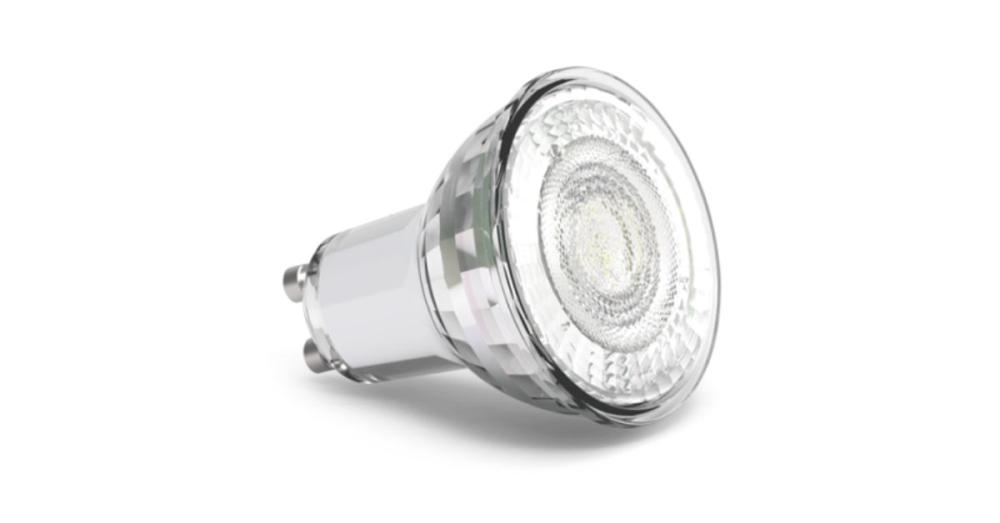
Walk into most DIY or high-street lighting aisles and it’s clear: GU10 has become the default cap for many luminaires, while 12V lamps have largely faded from mass retail. That’s why a practical GU10 LED bulb guide matters, because most buyers are retrofitting and want the “same look, lower energy” result without trial and error.
What “50W Equivalent” Usually Means
Matching older 20W or 35W halogen output is typically straightforward, so many people focus on 50W equivalent GU10 LED replacements when upgrading kitchens, hallways and living spaces.
DIM2, Lumens, And The “Usable Light” You Actually See
Under the European DIM2 regulation, a GU10 LED can only claim “50W equivalent” if it emits more than 345 lumens within a 90-degree cone. Total lumens can be higher because light outside that cone may be included in the overall lumen measurement. This is where the idea of “usable lumens (90 degree cone)” becomes important, because those are the lumens that most closely match what you perceive in typical downlight use.
Packaging Can Make Comparisons Difficult
Some boxes don’t clearly state whether the lumen figure is total output or within the 90-degree cone, while others show both values. Reputable manufacturers may label “usable lumens” or reference the “90-degree cone.
Beam Angle: Choosing Spread For Each Room
A 90-degree cone is wider than many people expect, and it often produces a broad pool of light rather than a tight “spot.” This is especially relevant when picking the best GU10 beam angle for kitchen downlights, where you typically want even worktop coverage rather than harsh hotspots.
Quick Beam-Angle Tips
• Narrow beam: better for highlighting artwork or features (more “spot”).
• Medium beam: good all-rounder for mixed task and ambient lighting.
• Wide beam: ideal when you want general spread and fewer shadows.
Power Factor In LED Lamps: Why It Matters
In the testing discussed in the original article, none of the 11 lamps had a particularly high power factor; the best was 0.88 and the poorest were 0.52. A poor power factor can mean you draw more current than the wattage alone suggests, which can create practical issues on larger installations. An electrician even reported resizing fuses in a large domestic house because of equipment with poor power factor.
Source - LED Insiders
What To Do Before A Bulk Retrofit
- If you’re replacing many lamps, check the datasheet for power factor and not just watts.
- For trade jobs, confirm specs with your supplier before ordering at scale.
Colour Temperature And Beam Quality - Don’t Skip This!
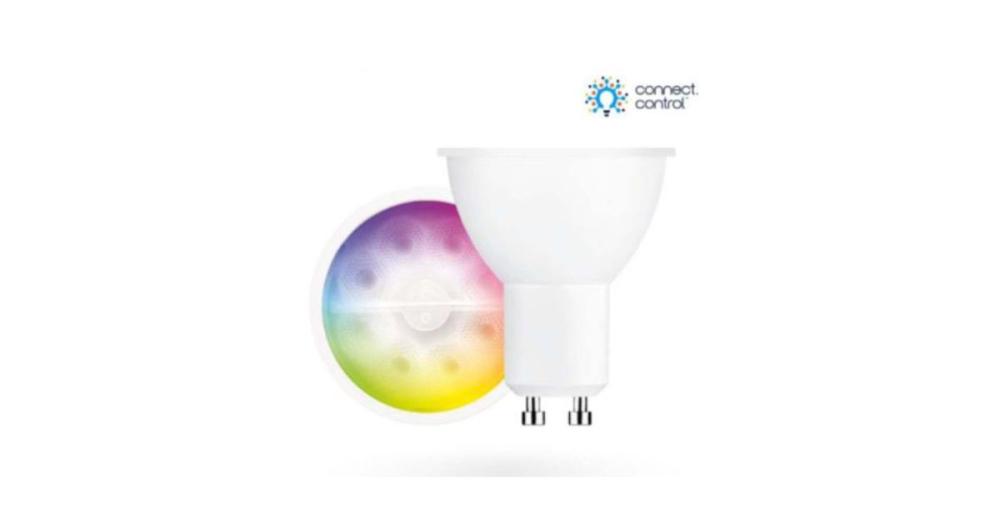
Before buying, it’s worth checking the beam appearance, because some lamps can show coloured edges or uneven gradation from centre to edge. Also, try to standardise colour temperature across a space; many projects come down to choosing 2700K vs 3000K GU10 LED correctly so rooms don’t look mismatched.
Performance Can Exceed What You Expect
Some tested GU10 LEDs emitted over 500 lumens total, so they would be seen as an improvement when retrofitted into halogen GU10 installations (with the same beam width).
Conclusion: Upgrade With The Right Specs and The Right Supplier
The best GU10 LED spotlight isn’t the one with the biggest number on the box. It’s the one with clear DIM2-compliant brightness, the right beam angle for the room, consistent colour temperature, and solid electrical performance.
For dependable supply to UK and European markets, Meteor Electrical is a leading wholesale electrical supplier. Explore GU10 LED lamps and trade essentials at Meteor Electrical and upgrade with confidence today.
FAQs
1. What Does GU10 Mean?
GU10 refers to a twist-and-lock cap type commonly used in mains-voltage spotlights and downlights.
2. How Many Lumens Is A 50W Equivalent GU10 LED?
To claim equivalence under DIM2, the lamp must emit more than 345 lumens in a 90-degree cone.
3. What Are “Usable Lumens” On GU10 Packaging?
“Usable lumens” typically refers to lumens within the 90-degree cone, which can be more relevant than total lumens for downlight use.
4. Why Do Lumen Numbers Vary Between Brands?
Some brands quote total lumens while others quote lumens within the 90-degree cone, so figures may not be directly comparable.
5. Is A 90-Degree GU10 A Real Spotlight?
A 90-degree cone is quite wide and often behaves more like general lighting than a tight spot.
6. Why Should Electricians Care About Power Factor In LED Lamps?
Because a lower power factor can increase current draw in larger installs, affecting circuit and protection choices.