
PIR vs Microwave Sensors: Which Motion Detector Works Best (and When to Avoid Each)?

PIR vs Microwave Sensors: Which Motion Detector Works Best (and When to Avoid Each)?
Installing the right motion detectors for lights is key to cutting nuisance, callbacks and improving user comfort. Did you know, a typical 360° recessed PIR sensor can offer up to 6m coverage with adjustable time delay from 3 seconds to 15 minutes, so a small setup tweak can make a huge difference.
For bulk installations, electricians and facilities managers mainly look to avoid failures such as missed detections (lights stay off) or nuisance triggers (lights stay on). Those two issues affect safety, complaints, and energy spend, so getting the sensor type right upfront matters.
Motion Detectors for Lights: PIR vs Microwave Sensors - What They Are?
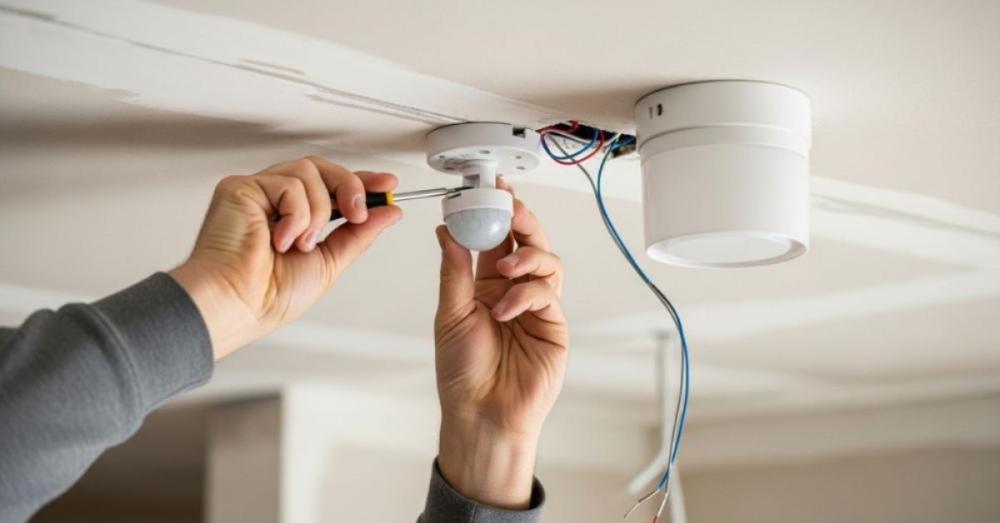
When it comes to PIR vs Microwave motion detectors, the difference is straightforward:
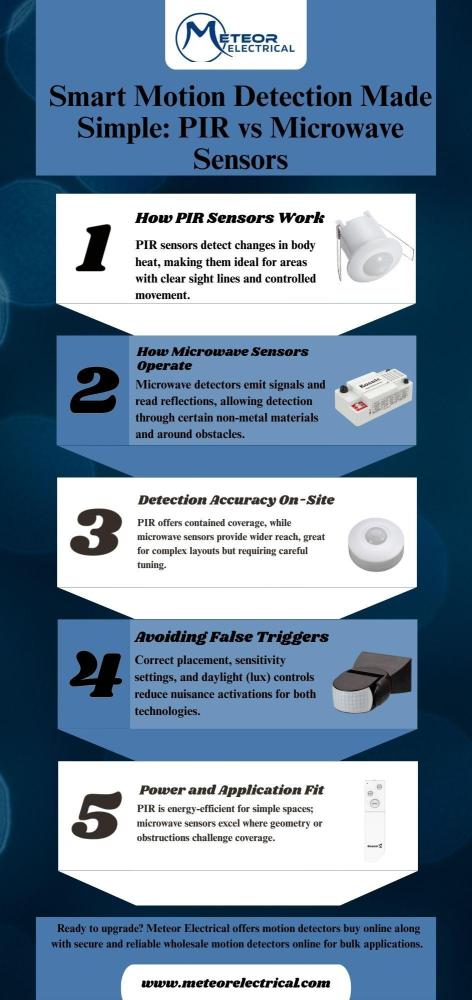
- PIR (Passive Infrared) sensors detect motion by reading changes in infrared heat patterns, which is why they generally need a clear line of sight to the moving person.
- Microwave motion sensors actively emit microwaves and detect motion by analysing changes in the reflected signal, which is why they can see through some non-metal materials and sometimes overshoot into adjacent areas.
Practical Translation On-Site: PIR sensors are often more contained, while microwave sensors can be more reachy. Neither is automatically better, it depends on the space and how people move through it.
PIR Vs Microwave Motion Sensors - How They Behave On-Site?
Detection Method and Line of Sight Realities
PIR needs line of sight and can be less reliable when movement is directly towards the sensor or when thermal contrast is low.
Microwave detection can work through certain materials, which can be helpful in awkward layouts, but it can also trigger from movement outside the target room if the signal reaches beyond the intended zone.
A useful installer mindset is to think in “detection shape”, not just “detection range”. A microwave sensor might technically detect movement, but if it detects the wrong movement, it becomes a headache.
Source - eFIXX
Typical False-Trigger Causes and How to Prevent Them
Common PIR nuisance triggers are linked to heat and unstable thermal environments, such as HVAC drafts and strong sunlight affecting the sensor’s field of view.
Microwave nuisance triggers are often tied to overshoot, reflections, and electromagnetic interference, so placement and sensitivity tuning become more important than simply pointing it at the area.
Quick commissioning tips that reduce complaints:
- Set the time delay long enough to cover “real” occupancy patterns (cleaners, restocking, slow-moving staff).
- Use the lux threshold (daylight sensing) so lights do not fire in bright conditions.
- For microwave motion sensors, reduce sensitivity first before relocating hardware, especially near partitions and corridors.
Power Use and Control Expectations
Microwave sensors typically draw more power than PIR because they actively transmit rather than passively sensing. PIR is generally lower power and often favoured for straightforward occupancy lighting control where overshoot risk needs to stay minimal.
If the brief is simple, stable, and predictable, PIR often wins. If the brief is challenging geometry with lots of obstructions, microwave sensors can earn their keep.
Best-Fit Applications and When to Avoid Each
Where PIR Motion Detectors Work Best?
PIR motion detectors are a strong fit for:
- Smaller rooms with clear sight lines (corridors, lobbies, toilets, storerooms) where controlling the detection zone is important.
- Areas where avoiding through-wall triggering is a priority, such as adjacent offices, meeting rooms, and perimeter walls.
Where Microwave Motion Detectors Work Best?
Microwave detectors often suit:
- Spaces with partitions and obstructions, where “seeing around corners” improves coverage, such as stairwells and complex layouts.
- Locations where consistent detection is needed despite conditions that can reduce PIR performance.
Microwave motion detectors are also worth considering when people do small, subtle movements, as they behave more like a “presence detector” than a simple motion trip.
When to Avoid PIR Motion Detectors?
Avoid PIR when the sensor cannot maintain line of sight to likely walking paths, because detection reliability can drop.
When to avoid microwave motion sensors?
Avoid microwave sensors when movement in adjacent spaces could trigger the lights, because overshoot through walls can create nuisance switching unless carefully set up.
Product Focus: Top Picks - Motion Detectors Buy Online
When it comes to motion detectors buy online, lean on models with adjustable time delay and lux control so you can fine-tune after installation.
PIR-Based Motion Detectors - Thebe Range
THEBE 360 Degree Recess Mount PIR Sensor (Forum):
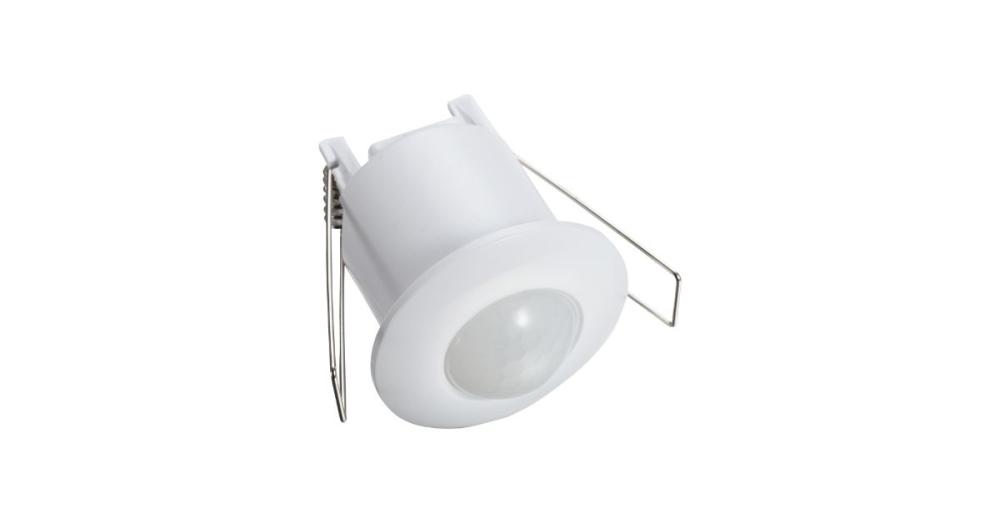
360° detection, up to 6 m distance, adjustable time delay 3 s–15 min, and adjustable ambient light 3–2000 lux (IP20).
Loca 360 Degree Surface Mount PIR With Single Sensor (Forum):
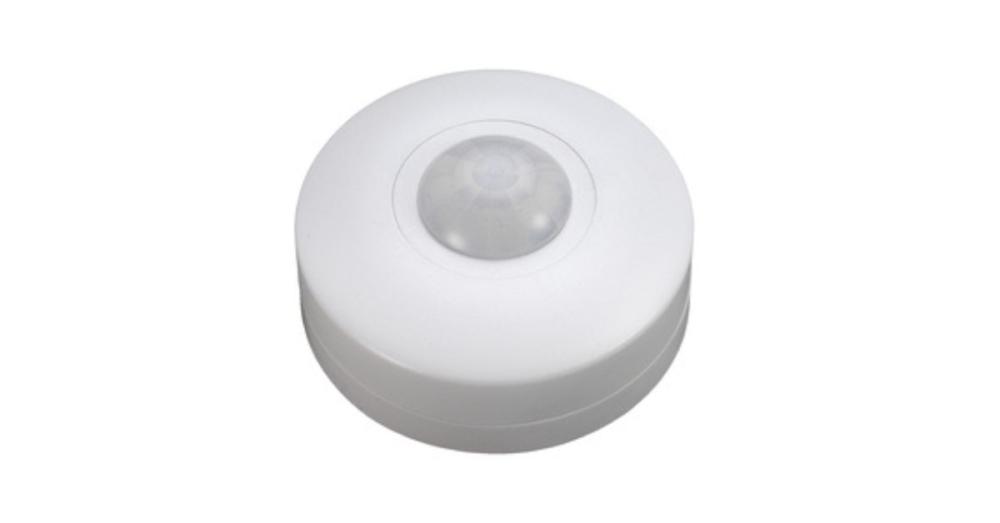
360° detection, 6 m distance, adjustable time delay 10 s–7 min, and adjustable ambient light 3–2000 lux (IP20).
Microwave-Based Motion Detector - LEDVANCE Bulkhead Sensor
LEDVANCE Bulkhead Combo Round Sensor:
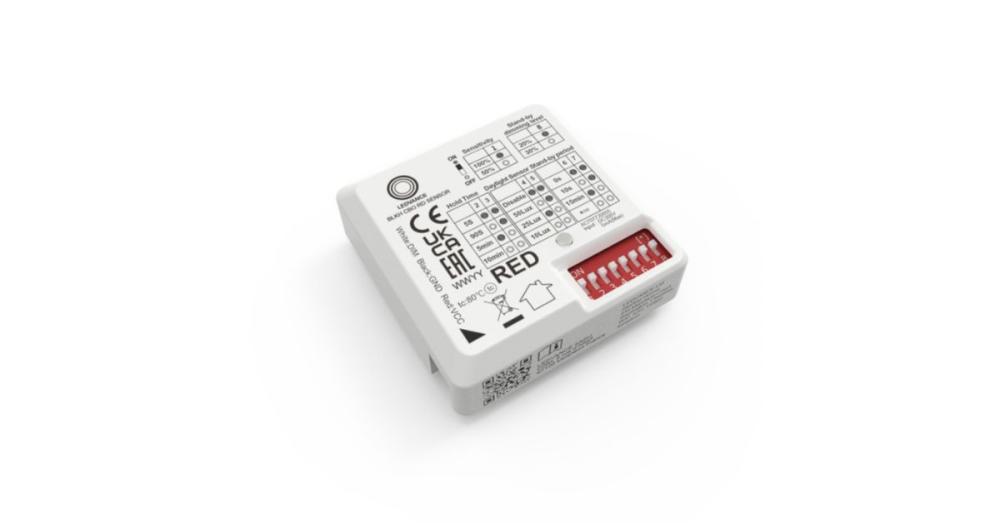
Motion/light sensor module using microwave/photocell technology (IP20), with specs showing a 4 m motion detection range and 0 s–15 min sensor switching time.
Motion Detectors Buying Guidance: A Specifier’s Commissioning Checklist
Use this quick checklist to choose faster and avoid rework:
- Choose PIR sensors when you need a tightly controlled detection zone and minimal risk of adjacent-area triggering.
- Choose microwave detectors when corners and obstructions make PIR coverage unreliable, and you can control overshoot through placement and sensitivity settings.
- Prioritise adjustable lux and time delay so the space can be tuned after commissioning, especially for daylight-linked lighting control.
Bonus spec notes (often missed):
- Check IP rating for the environment, particularly in damp areas and entrances.
- Plan the mounting location around real walking routes, not just the centre of the room.
- Document final settings so future maintenance teams do not “reset to default” and reintroduce faults.
Motion Detectors Buy Online with Confidence at Meteor Electrical
For most controlled indoor zones, PIR sensors are the safer default, while microwave-based sensors are the problem-solver for obstructed layouts, as long as overshoot risk is managed.
If you are ready to specify motion detectors for lights and want a smooth route from comparison to purchase, Meteor Electrical makes it easy to source dependable options online.
Buy fast, compare models, and get commercial project-ready wholesale motion detectors online in the UK with Meteor Electrical.
FAQs
1. Are microwave motion detectors better than PIR for lighting?
Not always. Microwave motion detectors can be more sensitive and can detect through some materials, while PIR is typically easier to “contain” to one room.
2. Can microwave sensors detect through walls and is that a problem?
Yes, microwave sensors can, in some cases, which can cause unwanted triggering from adjacent areas if sensitivity and placement are not controlled.
3. Why do PIR sensors sometimes miss people?
PIR relies on line of sight and changes in heat patterns, so approach angle and low thermal contrast can reduce detection.
4. What settings matter most on motion detectors for lights?
Time delay and lux threshold matter most because they control how long lights stay on and whether they trigger in daylight.
5. Which is easier to commission on commercial sites?
PIR is often simpler in straightforward rooms, while microwave detectors may need more tuning to prevent overshoot and interference issues.