
IP44 vs IP65 vs IP66: Which Rating Do You Actually Need for Outdoor Lighting?
IP44 vs IP65 vs IP66: Which Rating Do You Actually Need for Outdoor Lighting?
Costly failures often come from choosing outdoor lights without matching the real environment. If you have ever replaced fittings months after an installation because water crept in, you already know the pain. This guide breaks down IP44, IP65, and IP66 so electricians and facilities managers can specify the first time correctly, using the IP rating for outdoor lighting as a practical decision tool rather than a box-ticking exercise.
IP Rating Basics Explained: IP rating for Outdoor Lighting and What IP44, IP65, and IP66 Actually Mean
How to Read an IP Code (First Digit Vs Second Digit)
An IP rating has two numbers. The first digit covers protection against solids like dust and grit, while the second digit covers water ingress.
- First digit (solids): “4” blocks most small objects and larger particles, while “6” is dust-tight, meaning fine dust cannot enter in harmful amounts
- Second digit (water): “4” handles splashes, “5” handles water jets, and “6” handles powerful water jets
In other words, moving from IP44 to IP65 or IP66 is not just “more outdoor”. It’s a shift from basic exposure to environments where pressure, direction, and frequency of water contact matter.
IP44 Vs IP65 Vs IP66 At A Glance
- IP44: Suitable for sheltered outdoor areas where you expect splashing, not direct blasting rain
- IP65: Dust-tight and protected against water jets, good for more exposed commercial exteriors
- IP66: Dust-tight and resistant to powerful jets, best where cleaning regimes or harsh weather make water impact unavoidable
What IP Ratings Don’t Cover - Common Spec Mistakes
IP ratings are important, but they do not cover everything that kills outdoor fittings.
- Not the same as waterproof for immersion, that is where IP67 or IP68 comes in
- Not corrosion resistance for coastal salt air, and not impact resistance, which is covered by an IK rating
- Not UV ageing of gaskets, cable glands, and lens seals, which can crack long before the fitting looks old
Source - NARVA
IP44 vs IP65 vs IP66 for Outdoor Lighting: Key Differences That Affect Real Installations
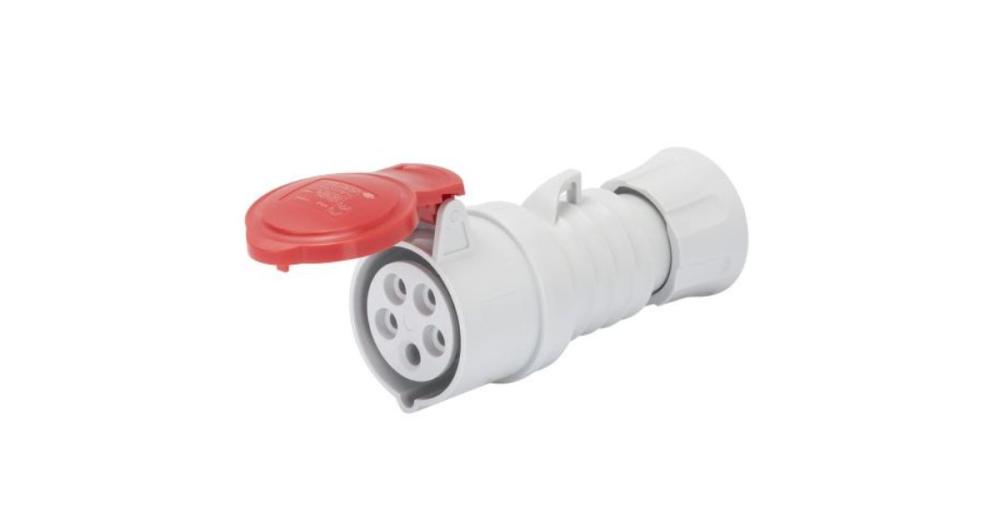
Weather Exposure Comparison - Sheltered vs Exposed vs Harsh
Sheltered lights under a canopy see drips and splashes. A fitting on an open façade sees wind-driven rain that hits sideways and forces moisture towards cable entries and lens joints. Pole-mounted fittings can see both sustained rain and gusts that create pressure pulses, and that is where higher water-jet resistance starts to earn its keep.
If your site regularly gets storms, treat “exposed” as a separate category from “outdoor”. That distinction prevents under-specifying.
Dust, Insects and Maintenance Realities
The jump from a “4” to a “6” on the solids rating is huge on industrial and mixed-use sites. Dust-tight housings reduce failures caused by fine airborne dust, insects nesting near warm gear trays and debris that builds up around seals. Over time, you often get better lumen maintenance too as the optical chamber stays cleaner, which can mean fewer call-outs and fewer complaints about “dim” areas.
This is especially relevant for outdoor LED fittings near loading bays, workshops, or car parks where grit and airborne particles are constant.
Cleaning Method and Washdown Risk
Cleaning is the hidden weather system. A fitting might survive rain for years, then fail after the first aggressive clean.
- Occasional hosing: IP65 usually covers this in real-world use
- Routine pressure cleaning: IP66 becomes the safer choice because the cleaning jet behaves like a test condition
- Frequent chemical washdowns: IP alone is not enough, you also need suitable materials and seals
If your facilities team uses a pressure washer near luminaires, assume the fitting will take a direct hit sooner or later.
Which IP Rating Do You Need: A Use-Case Based Buying Guide
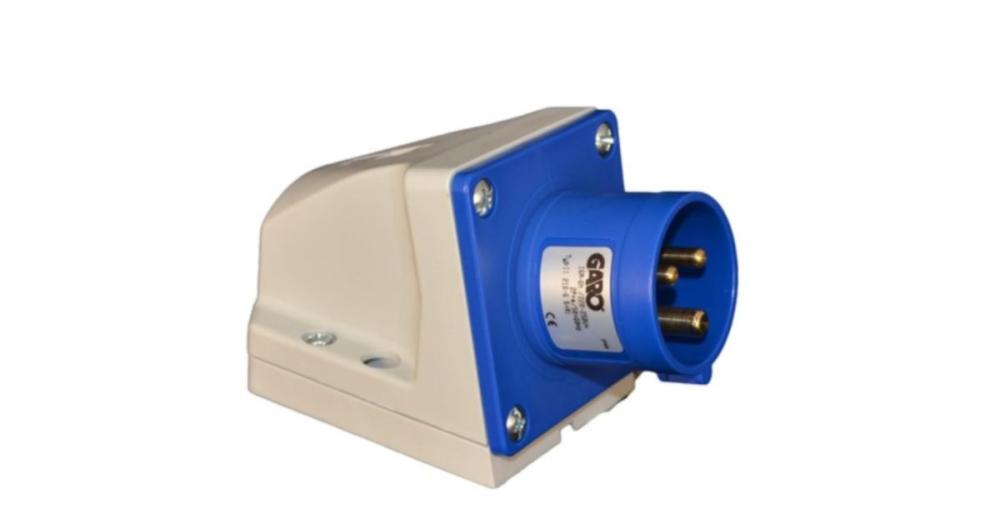
Choose IP44 For Sheltered Outdoor Lighting
IP44 works when exposure is controlled.
- Covered verandas and soffits
- Recessed entry lights under canopies
- Low direct rain exposure, minimal dust, and no water jets during cleaning
This is often the cost-effective option, but only when the mounting position and cable entry are genuinely protected.
Choose IP65 For Exposed Outdoor Areas and General Commercial Exteriors
IP65 is the go-to for many everyday external installs.
- Building perimeters and external wall packs
- Doorways without deep cover, especially those facing prevailing wind
- Light industrial yards with dust, plus occasional hose cleaning
If you are comparing products for estates teams, IP65 often hits the sweet spot for performance and value in weatherproof lighting.
Choose IP66 For Harsh Environments, Washdown Zones, and High-Pressure Cleaning
IP66 is for sites where water impact is forceful or frequent.
- Service yards, transport depots, and exposed coastal or high-wind façades
- Food loading areas and washdown-adjacent zones
- Any location where maintenance teams regularly use strong water jets
If your spec includes “washdown” or “jet cleaning”, treat IP66 as a baseline.
Procurement Tips: What to Verify Before You Buy
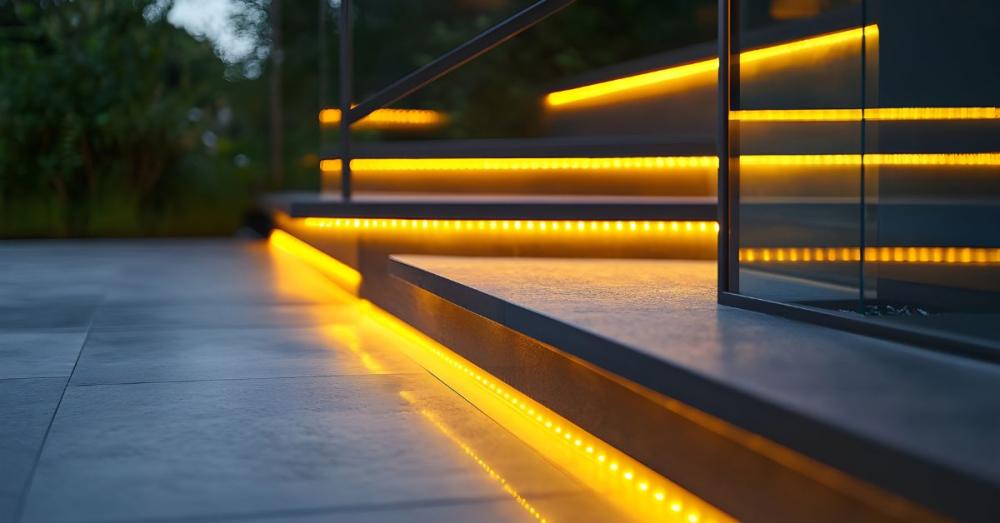
Before you commit, verify what the IP mark actually applies to.
- Ask for the IP rating of the complete assembled luminaire, not just the housing
- Look for clear documentation and test standards, plus suitability notes for washdown or coastal installations
- Match IP with IK rating, material choice, and application type, whether security lighting or amenity lighting
- Confirm cable gland compatibility, as the wrong gland can undo the stated IP rating for Outdoor Lighting in minutes
When sourcing LED tube lighting and lamp products for internal areas, keep procurement consistent across sites. Many teams prefer to buy lamps and tubes online for speed and planned maintenance cycles.
Conclusion
Pick IP44 for sheltered installs, IP65 for exposed general outdoor areas and IP66 for harsh or washdown-heavy environments. When in doubt, base the decision on wind-driven rain and cleaning methods, not on whether the space is labelled “outdoor”. Used correctly, IP rating for outdoor lighting saves you repeat visits and premature driver failures.
Ready to specify with confidence and source reliably? Explore Meteor Electrical’s outdoor lighting range and streamline your project buying through a trusted wholesale lamps and tubes UK partner.
FAQs
1. Is IP44 good enough for outdoor lighting under a roof or canopy?
Yes, IP44 is usually fine for sheltered locations where water exposure is limited to splashes and drips, not direct rain or jet cleaning.
2. What is the difference between IP65 and IP66 for exterior lights in heavy rain?
Both handle heavy rain well, but IP66 adds stronger resistance to powerful water jets, which matters when wind or cleaning creates high-pressure impact.
3. Do I need IP66 for outdoor lights that get cleaned with a hose or pressure washer?
For a light hose, IP65 is often sufficient; for pressure washers or routine jet cleaning, IP66 is the safer specification.
4. Can an IP65 or IP66 outdoor light still fail due to condensation inside the fitting?
Yes, condensation can still occur due to temperature swings, poor installation, or unsuitable breathers, even when the fitting is dust-tight and jet-resistant.
5. How do I choose the right IP rating for commercial outdoor lighting installations in dusty or coastal areas?
Prioritise dust-tight ratings (first digit 6) and consider corrosion-resistant materials and sealing quality, since salt air and grit attack fittings beyond what IP alone describes.