
IP44 vs IP65 Bathroom Lighting: What’s the Difference?
IP44 vs IP65 Bathroom Lighting: What’s the Difference?
Call-backs in bathrooms often start the same way: the fitting looks right, the customer is happy, then steam, splashes, or routine cleaning finds the weak point. That is why electricians and facilities managers tend to check the IP rating before they fall in love with a style or finish. Get the rating right and you protect safety, meet expectations on durability, and reduce remedial visits.
This guide helps you pick the correct IP rating for each bathroom area and avoid rework.
What IP44 and IP65 Actually Mean for Bathroom Light Fittings
IP Ratings Explained (Ingress Protection in Plain Terms)
An IP rating tells you how well an electrical enclosure resists intrusion from solids and water. Think of it as a shorthand for “how much real-world abuse this fitting can take” in a damp environment, from dust to splashes to direct spray.
The first digit is protection against solids such as dust and small objects. In bathrooms, this matters less than in workshops, but it still affects longevity, especially where fine dust from plastering or ongoing maintenance can creep in.
The second digit is protection against water, and this is where most bathroom decisions are won or lost. Higher numbers mean the fitting can handle more aggressive water exposure, from splashes to jets. This is the core of ingress protection for wet rooms.
IP44 Meaning in Bathrooms (Splash-Resistant Use Cases)
IP44 generally covers splash resistance from any direction. On a typical job, that lines up well with areas where water might be present, but not forcefully directed at the fitting.
Common IP44 use cases include:
- Wall lighting around mirrors outside direct shower spray
- Ceiling lighting in the general bathroom area (not above the shower head)
- Zones where the main issue is humidity and occasional splashing rather than targeted water
IP44 is often the sensible “minimum compliant” option, but it is not a cure-all. If the environment includes frequent spray, powerful cleaning, or poor ventilation, you may need to step up a rating even if the drawing suggests you are safe.
IP65 Meaning in Bathrooms (Water-Jet Resistant Use Cases)
IP65 is designed to withstand water jets. In practice, this makes it a strong choice for areas exposed to direct spray, heavy condensation cycles, or more robust cleaning routines, which is common in commercial washrooms and leisure facilities.
You will typically reach for IP65 when:
- The fitting sits within the splash zone of a shower or above a bath where spray is realistic
- The site uses hose-down cleaning or aggressive chemicals (always check compatibility)
- You want extra resilience to reduce failures over time, even if minimum guidance says IP44 might pass
This is also where sealed gaskets, proper cable entry, and compatible drivers matter, because one weak installation detail can undermine a good rating.
Bathroom Zones Made Simple (Zone 0/1/2/Outside) And Typical Minimum IP Requirements
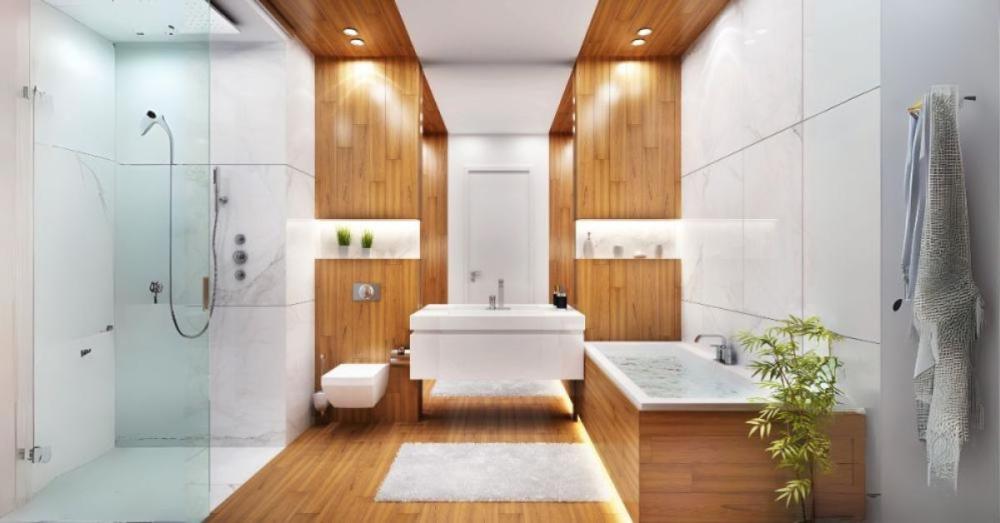
Bathroom zones exist to match risk level to protection level. While you should always confirm current requirements and site conditions, a practical rule of thumb many installers follow is:
- Zone 0 (inside the bath or shower basin): specialist fittings only, very high protection required
- Zone 1 (above the bath or inside the shower area): IP65 is typically the minimum expectation
- Zone 2 (adjacent to Zone 1, such as around the bath or shower perimeter): IP44 is commonly the minimum
- Outside zones (general bathroom space): IP44 is often chosen because humidity and condensation still exist
Even outside the formal zones, bathrooms behave like mini greenhouses. If extraction is weak, warm moist air can sit at ceiling level and stress fittings that would survive happily in a hallway.
Installation Guidance to Prevent Failures and Snags
Best-Practice Selection Checklist
Use this quick checklist before you order or cut:
- Confirm the zone and likely water exposure, not just the drawing
- Confirm mounting position (ceiling, wall, above mirror) and distance from spray sources
- Check ventilation performance and whether the room regularly fogs up
- Ask about the cleaning regime, especially in commercial sites (chemicals, jets, schedules)
- Match output and colour temperature to use, task lighting for shaving and make-up differs from ambience
Common Mistakes to Avoid
Most bathroom lighting failures are preventable. Watch out for:
- Fitting IP44 where IP65 is the sensible choice, particularly in Zone 1
- Crushing or mis-seating gaskets during installation
- Poor cable entry sealing, including incorrect glands or missing grommets
- Incorrect cut-out sizes that deform the fitting body or compromise the seal
- Mixing components (drivers, connectors, bezels) that are not rated for the same environment
A fitting can be rated well, yet installed poorly enough to behave like it is unrated.
Source - Lamps Plus
Choosing the Right Fitting Type (IP44 Vs IP65) For Each Bathroom Area
Quick Comparison - When to Specify IP44 Vs IP65
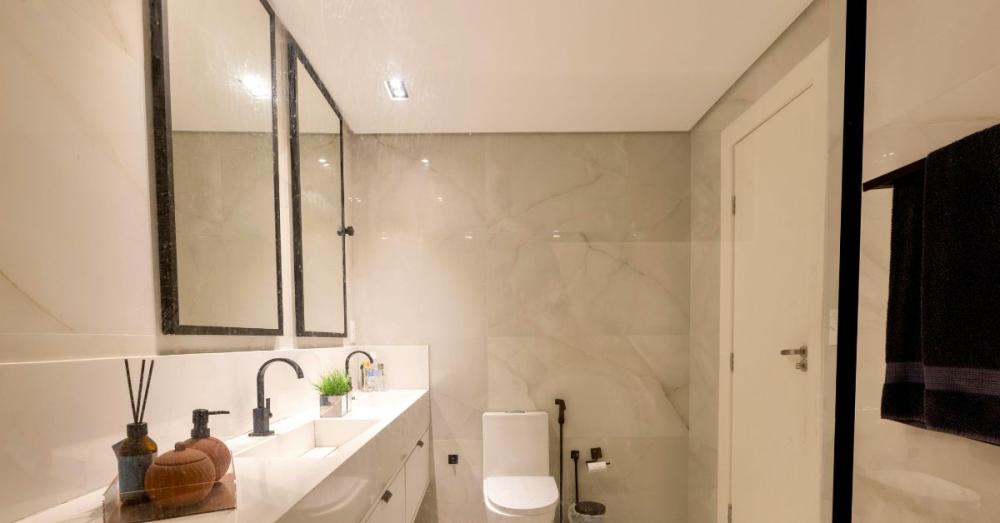
IP44 suits Zone 2 and general wall or ceiling areas away from direct spray. IP65 suits Zone 1 and anywhere exposed to direct shower spray or more aggressive cleaning.
If you are undecided, consider the real question: “Will water ever be directed at this fitting?” If yes, IP65 is usually the calmer option.
Product Picks by Fitting Type: Ceiling Lights, Wall Lights, LED Bathroom Downlights, Illuminated Mirrors
For downlights, the big wins come from consistent cut-outs, secure spring clips, and reliable sealing. Ceiling lights need enough output for safe tasks, while wall lights around mirrors should prioritise even facial illumination.
Illuminated mirrors can work well, but always judge them by placement and exposure rather than assuming “mirror equals safe”. In high-humidity rooms, consistent quality and sealed construction pay off.
“Spec It Fast” By Bathroom Area (Shower, Bath, Basin/Mirror, General Ceiling)
- Shower area: IP65
- Above bath (where spray is realistic): IP65
- Basin and mirror area: IP44 in most cases, upgrade if close to spray
- General ceiling away from wet areas: IP44 is usually adequate
Conclusion
IP44 is a strong choice for splash and low-exposure areas, while IP65 is built for direct spray and higher-risk Zone 1 locations. If you want fewer call-backs, choose the rating based on exposure first, then pick the style that fits the brief.
For a dependable range of bathroom lighting, including ceiling lights, wall lights, illuminated mirrors, and LED bathroom downlights, browse compliance-ready options at Meteor Electrical.
FAQs
1. Is IP44 suitable for a shower area or above a bath?
Usually no, not if water spray can reach the fitting. For shower zones and direct spray risk, IP65 is the safer, more robust choice.
2. Do I need IP65 for bathroom ceiling lights if they’re not above the shower?
Not always. If the ceiling position is outside direct spray, IP44 is often fine, but consider ventilation and whether steam regularly lingers at ceiling height.
3. What’s the minimum IP rating for Zone 2 bathroom lighting?
IP44 is commonly treated as the minimum for Zone 2 in many specifications, but always verify the current guidance and the site’s actual exposure.
4. Can IP44 downlights cope with heavy condensation in poorly ventilated bathrooms?
They can struggle over time if moisture cycles are intense. Improving extraction helps, and stepping up to IP65 can reduce failures in persistently damp rooms.
5. Do illuminated mirrors need IP44 or IP65, and does placement affect the requirement?
Placement matters most. A mirror fitting outside direct spray often suits IP44, but if it sits close to a shower or heavy splash area, IP65 is the better call.