
Information
Understanding Lumens: How to Choose the Right LED Brightness
Understanding Lumens: How to Choose the Right LED Brightness
If you still pick light bulbs by wattage, you are using an outdated shortcut. In the age of LED lighting, lumens, not watts, are the true measure of how bright a lamp will be. Two lamps can use the same watts and give totally different light output.
Whether you are an electrician, facilities manager, or responsible for commercial maintenance, understanding lumens will help you specify the right LED lamps and tubes, cut energy bills, and keep clients happy.
This guide explains lumens in plain language, shows how they relate to watts, and helps you choose the ideal LED products for every application.
What Are Lumens - The Modern Measure of Light

Lumens measure the total visible light a lamp emits. In simple terms, more lumens = more brightness.
- Lumens tell you how bright the light is.
- Watts tell you how much power the lamp consumes.
With traditional incandescent lamps, higher wattage usually meant a brighter bulb, so people used watts as a quick reference. Modern LED technology is far more efficient, so a low wattage LED can produce the same light output as a much higher wattage incandescent.
For lighting design, product selection, and energy audits, lumens are now the key specification to compare.
Lumens vs Watts: How to Compare Old Bulbs with New LEDs
When upgrading from older lamps to LEDs, you need a way to translate watts into lumens so you achieve similar brightness while reducing energy use.
Below is a simple rule-of-thumb comparison for general lamps:
- Old 40W incandescent ≈ 400–500 lumens
- Old 60W incandescent ≈ 700–800 lumens
- Old 75W incandescent ≈ 1,000–1,100 lumens
- Old 100W incandescent ≈ 1,300–1,600 lumens
With LED technology, you can often achieve the same lumen output using around 75–85% less power. For example:
- 60W incandescent (≈ 800 lumens) → 8–10W LED lamp
- 100W incandescent (≈ 1,500 lumens) → 14–18W LED lamp
Because manufacturers’ outputs can vary, always check the lumen value on the datasheet or packaging, rather than relying only on wattage.
How Many Lumens Do You Need for Each Space?
Choosing the right LED lamp is about matching the light level to the task and environment. Too dim and the space feels gloomy; too bright and it becomes uncomfortable or wasteful.
As a practical buying guide, consider these approximate targets for general lighting:
- Hallways and corridors: 300–500 lumens per fitting
- Offices and meeting rooms: 500–1,000 lumens per fitting, depending on layout
- Kitchens and worktops: 700–1,500 lumens in task areas
- Warehouse aisles: Higher lumen LED high bays or battens, selected by mounting height and lux levels
- Retail and display areas: Bright LED spotlights or panels, often 800–2,000 lumens per fitting depending on ceiling height
Factors such as ceiling height, wall colour, light distribution, and beam angle will also affect the perceived brightness. For detailed commercial projects, facilities managers and electricians often refer to recommended lux levels and use manufacturer photometric data.
Source - Lowe's Home Improvement
Choosing the Right LED Lamps and Tubes from Meteor Electrical
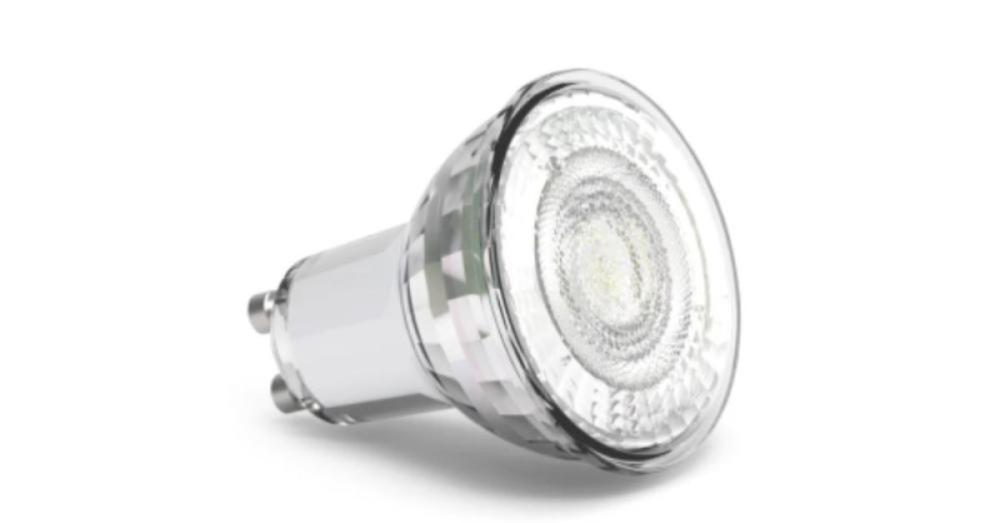
Once you know the lumen output you need, you can select the most suitable LED lamps and tubes from Meteor Electrical’s extensive range for UK and European markets.
Our range of LED lighting offers:
- LED GLS and candle lamps: Ideal replacements for traditional incandescent and halogen lamps in fittings and pendants.
- LED GU10 and spotlights: Perfect for accent lighting, retail displays, and downlights with high lumen output and long life.
- LED tubes and battens: Robust, efficient options for offices, warehouses, car parks, and industrial lighting.
- Dimmable LED options: For improved comfort and energy saving with compatible dimmers.
Benefits of choosing Meteor Electrical for your LED lighting:
- Wide choice of high-lumen, energy efficient lighting products
- Trusted brands and professional grade quality suitable for trade, commercial, and industrial use
- Competitive wholesale pricing and bulk-buy options
- Reliable delivery across the UK and Europe
Explore the full range here: https://www.meteorelectrical.com/lighting/lamps-and-tubes/led.html
Conclusion: Make Lumens Your New Buying Guide
Modern lighting decisions should start with one question: “How many lumens do I need?” Once you focus on light output rather than watts, it becomes much easier to choose the correct LED lamps and tubes, reduce energy consumption, and deliver consistent, high quality lighting for any application.
As a leading wholesale electrical supplier to the UK and European markets, Meteor Electrical provides a comprehensive range of LED lamps and tubes to match every lumen requirement and budget. Whether you are upgrading a single office or managing a multi site facility, our team and product range are here to support you.
Ready to upgrade your lighting?
Check out Meteor Electrical’s curated selection of LED lighting today and start specifying brighter, more efficient LED solutions with confidence:
FAQs
1. What is the difference between lumens and watts?
Watts measure how much electrical power a lamp uses, while lumens measure how much visible light it produces. For choosing brightness, lumens are the key figure; watts only indicate energy consumption.
2. How many lumens is a 60W bulb equivalent to in LED?
A traditional 60W incandescent bulb typically produces around 700–800 lumens. You can usually achieve the same brightness with an 8–10W LED lamp, depending on the manufacturer.
3. How many lumens do I need for an office?
For most offices, aim for fittings that provide around 500–1,000 lumens each, depending on layout and ceiling height. For precise specifications, electricians and facilities managers often design to recommended lux levels.
4. Are more lumens always better for LED lights?
Not always. More lumens mean a brighter light, but too much brightness can cause glare and discomfort. It is better to match the lumen level to the room size and task, then choose efficient LED lamps that achieve that output with lower wattage.
5. How do I choose the right LED tube or lamp?
Start by matching the lumen output of your existing lamp, then check colour temperature, beam angle, and fitting type (for example GU10, GLS, tube). Use the lumen value on the product datasheet and select quality LED products from trusted suppliers like Meteor Electrical.
6. Do LED lights lose lumens over time?
Yes, all light sources experience some lumen depreciation. However, quality LED lamps maintain a high percentage of their original lumen output for many thousands of hours and far outperform incandescent and many fluorescent options.