
Information
EV Charger Installation Checklist for Domestic and Commercial Jobs
EV Charger Installation Checklist for Domestic and Commercial Jobs
Electric vehicle charging has moved rapidly into the mainstream. Recent UK figures show that plug-in vehicles account for more than one in five new registrations, and the curve is still rising. That surge means EV charger installation is now a routine request for homes, workplaces and public sites.
Electricians and facilities managers need a clear, repeatable process that keeps projects compliant, safe and profitable. A concise, practical checklist turns complex installations into predictable work.
Pre-Installation Planning: Site Assessment for Electric Vehicle Charging
Assessing Existing Electrical Capacity and Load
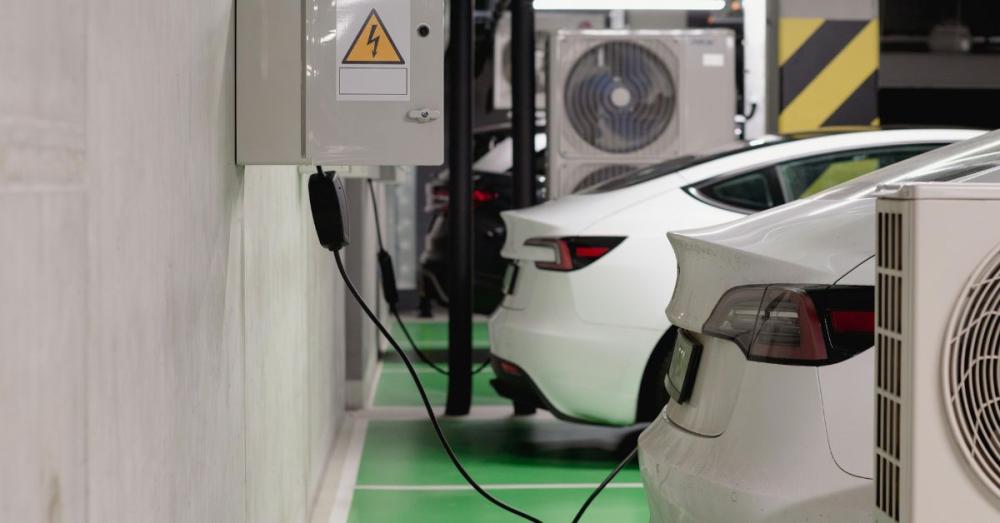
Every correct EV charger installation starts with a supply and load review:
- Confirm main service rating, spare capacity and diversity factors.
- Identify heavy loads such as electric showers, heat pumps and HVAC that may coincide with charging.
- Plan a supply upgrade or new sub-main to a dedicated board where calculations show limited headroom.
Sound design work at this stage protects both the client and the network.
Location, Access, and User Experience
Layout has a big impact on daily use:
- Position domestic chargers close to the usual parking spot to avoid long cables across walkways.
- In car parks and fleet yards, group chargers logically and provide clear approach routes.
- Think about cable management, visibility and access for disabled drivers when deciding height and orientation.
Good positioning keeps EV charging stations practical and safe to use.
Compliance, Permissions, and Grants
Regulatory checks belong in the planning phase:
- Confirm local rules, DNO or DSO notification requirements and any planning issues, particularly on sensitive sites.
- Review grant schemes and tax incentives for home and workplace EV charging as funding rules may influence product selection and paperwork.
Choosing the Right EV Charger: Specifying for Domestic and Commercial Jobs
Power Ratings, Phases, and Charge Speeds

Correct sizing is vital for a reliable EV charge point:
- Compare 7.4 kW, 11 kW, 22 kW and rapid DC options in terms of dwell time and typical usage.
- Single phase 7.4 kW units usually suit most homes, while three phase chargers will often fit commercial and light industrial premises.
- Allow some capacity for future EV charger installations where more bays are likely.
A little foresight here avoids costly redesigns later.
Smart Features, Connectivity, and Load Management
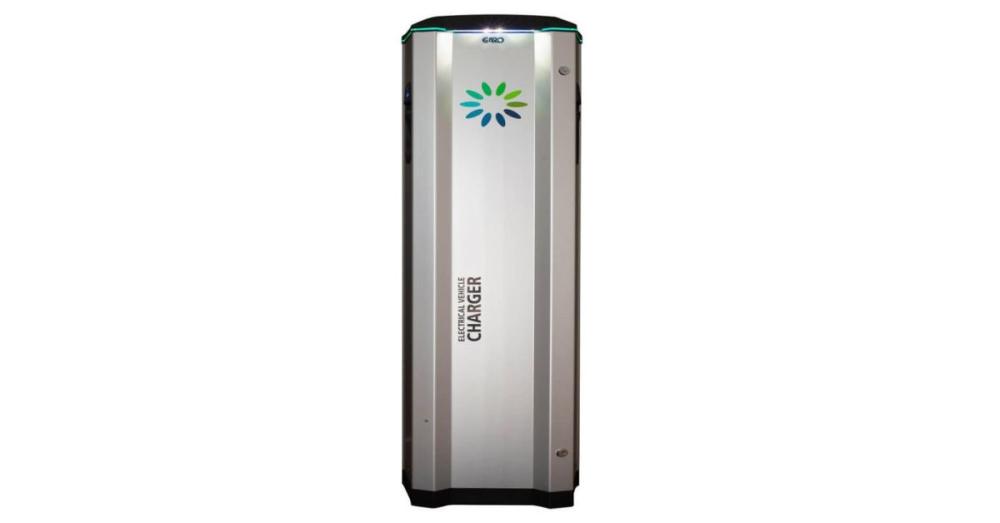
Modern charge points function as connected devices:
- Look for OCPP support, RFID options, app control and energy monitoring, particularly on multi-user sites.
- Use dynamic load management to protect existing infrastructure as adoption grows.
Such features make workplace EV chargers easier to administer and scale.
Safety, Durability, and Environment Rating
Long-term reliability begins with construction:
- Check IP and IK ratings so the equipment suits outdoor or high-traffic locations.
- Specify suitable RCD types, PEN fault protection where required and appropriate surge protection devices.
Robust hardware and protection measures quickly pay back through fewer site visits.
Domestic EV Charger Installation Checklist: Step-by-Step
1. Customer Requirements and Cable Route Planning
Neat domestic EV charger projects start with a clear plan:
- Clarify vehicle type, daily mileage and interest in off-peak or smart tariffs.
- Plan the most direct safe cable route from consumer unit to charger, limiting disruption to finishes and landscaping.
2. Electrical Works and Protection Devices
Attention to detail in wiring is critical:
- Size and route cables in line with current regulations and installation conditions.
- Select appropriate RCDs or RCBOs, SPDs and earthing arrangements in line with product guidance.
3. Mounting, Weatherproofing, and Final Fix
Physical installation sets the tone for reliability:
- Choose a mounting height that is easy to reach and clear of standing water and impact zones.
- Use glands, seals and suitable mechanical protection for external runs and vulnerable areas.
4. Testing, Commissioning, and Handover
Final checks complete the job:
- Carry out insulation resistance, RCD and functional tests, ideally using a test rig or vehicle.
- Set up smart functions, pair the app if used and walk the homeowner through safe day-to-day operation.
Commercial EV Charger Installation Checklist: Car Parks, Fleets, and Workplaces
1. Load Calculations, Distribution Boards, and Sub-Mains
Larger schemes demand more detailed design:
- Apply realistic diversity to groups of electric vehicle charging points while planning for peaks.
- Provide dedicated distribution, metering and spare ways for future expansion.
2. Networking, Back-Office Systems, and Payment Options
Operational control matters on shared sites:
- Integrate charge points with trusted management software and OCPP back-ends.
- Configure RFID tags, contactless payment options and tariffs that reflect business needs.
3. Civil Works, Signage, and Bay Markings
Physical infrastructure shapes user behaviour:
- Design trenching, duct routes and protection that match expected traffic and future resurfacing
- Add clear bay markings, wheel stops and signage that indicate charging etiquette and restrictions.
4. Operational Safety, Compliance, and Maintenance
Performance over time depends on ongoing care:
- Complete risk assessments that cover lighting, emergency stops, CCTV and access routes.
- Establish a schedule for inspections, testing and firmware updates to keep systems in reliable condition.
Source - eFIXX
Conclusion: Simplify EV Charger Installation with Meteor Electrical
A clear, structured checklist turns EV charger installation projects into predictable, safe and efficient work, from single dwellings to busy depots. Clients gain higher uptime, cleaner documentation and confidence in their new Electric Vehicle Charging infrastructure.
Professionals looking to buy EV chargers or expand an existing EV charging station can speak to Meteor Electrical for product options from leading brands like Garo, technical guidance and trained account managers who understand the latest regulations.
Visit Meteor Electrical today and specify the right EV charge point for your next project!
FAQs
1. What size EV charger suits a typical home installation?
Most households find that a 7.4 kW single phase home EV charger delivers a full overnight charge without placing excessive strain on the existing supply.
2. Do commercial electric vehicle charging points need three phase power?
Many commercial and light industrial sites benefit from three phase, as it supports multiple 11 kW or 22 kW chargers and keeps distribution equipment operating within safe limits.
3. Which regulations apply to EV charger installation in the UK and Ireland?
Installers must follow the latest Wiring Regulations, relevant EV charging standards, local building rules and any notification processes required by the local DNO or DSO.
4. How can I plan electrical capacity for a car park with several chargers?
Start with a detailed load assessment, apply realistic diversity, consider dynamic load management and allow spare capacity for additional bays or faster chargers in future.
5. What should I check before purchasing EV charger units for long-term use?
Look for solid IP and IK ratings. Strong manufacturer support, clear installation instructions and compatibility with the software platform are also important.