
Downlighters and fire safety
Downlights and Fire Safety: Protect Your Home the Smart Way
Downlights are everywhere now, in kitchens, living rooms, hallways, and even bathrooms, thanks to their sleek look and space‑saving design. But if downlights are installed or used incorrectly, they can become a serious fire risk, especially in ceilings and loft spaces where heat can build up. Understanding basic downlight fire safety is essential if you want modern lighting without compromising your home’s protection.
In this blog we will cover how downlights work, the risks to look out for, how to choose safer fittings and lamps, practical installation and maintenance tips, and when to bring in a professional electrician. You will also find useful advice on fire‑rated downlights, insulation clearances, and trusted downlighting products available from Meteor Electrical.
What Are Downlights and How Do They Work?
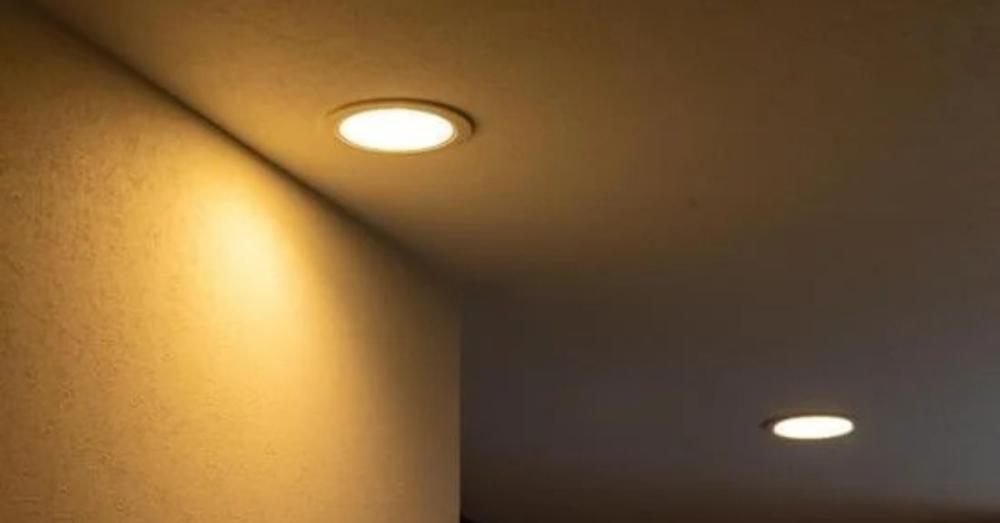
Downlights (also known as recessed lights or spotlights) are fittings that sit flush with the ceiling, directing light downwards for a clean, contemporary finish. They can operate at standard mains voltage (230V) or at 12V when used with a suitable transformer, depending on the design of the downlighter and lamp.
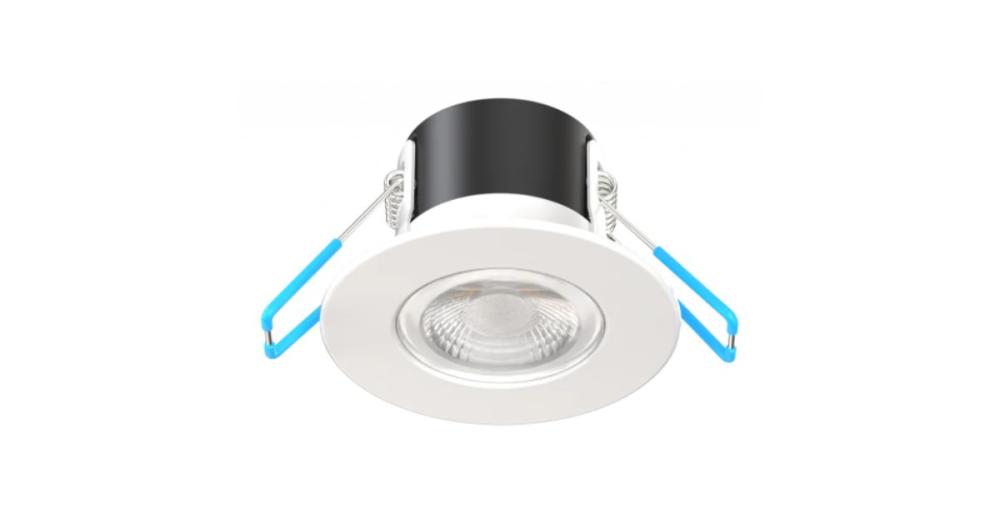
Modern fire rated downlights often have integrated fire protection features. These are designed to seal the opening in the event of a fire, helping to maintain the fire integrity of the ceiling and slow the spread of flames to other rooms or floors. When combined with efficient LED lamps, they can offer both style and safety in domestic lighting.
Why Poorly Installed Downlights Can Cause Fires
The main risk with recessed lighting safety is heat. Traditional halogen or poorly chosen reflector lamps can get extremely hot, especially if they are installed in confined ceiling voids or covered by insulation. If heat cannot escape, it can build up around timber, joists, or other combustible materials and increase the risk of a fire.
Using the wrong type of lamp in a downlighter is another common mistake. For example, dichroic (cool beam) reflector lamps push more heat backwards into the fitting and ceiling void, which can be dangerous if the downlight is not specifically designed for them. In most domestic lighting safety guidance, aluminium reflector lamps or cool‑running LED lamps are recommended unless the fitting clearly states it is suitable for dichroic lamps.
Choosing Safer Downlights and Lamps
Selecting the right products is the first step in effective ceiling lighting fire protection. Here’s what to consider when buying or upgrading downlights:
Opt for fire rated downlights
Fire rated downlights are specially constructed to help restore the fire resistance of the ceiling where a hole has been cut for the fitting. They are particularly important in ceilings that separate different floors or escape routes in the home.
Use suitable lamps and LEDs
- Choose lamps that match the specification on the downlight packaging and instructions.
- Avoid fitting dichroic reflector lamps unless the downlighter is clearly marked as suitable.
- Consider LED downlight installation for cooler operation, lower energy use, and longer life, which also reduces the need for frequent lamp changes.
Always keep the original box and instruction leaflet so you can check the correct lamp type and rating when replacements are needed.
Safe Installation and Maintenance Tips
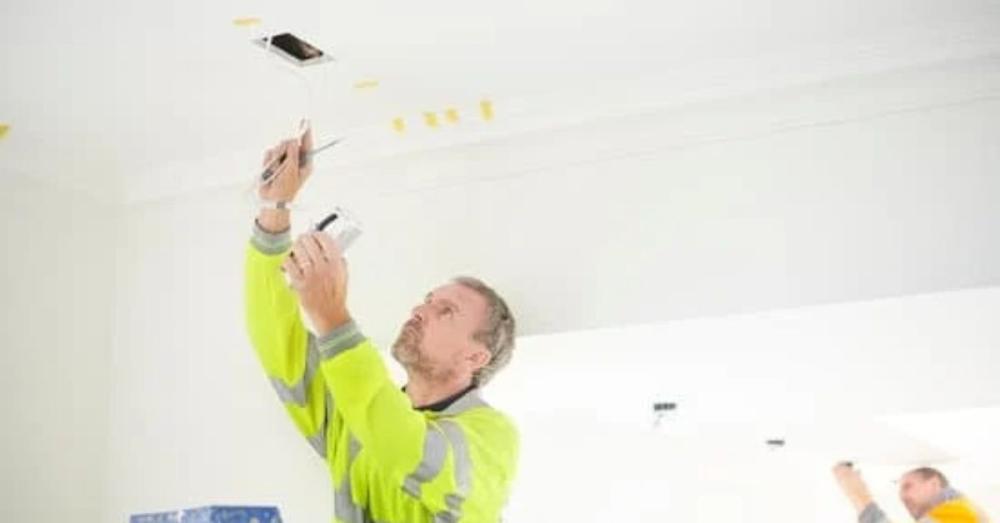
Even the best fire rated downlights need correct installation and regular checks to remain safe. Whenever possible, use a registered electrician to install or modify your downlighting. (Installing Downlighters - Electrical Safety First)
Before and during installation
- Follow the manufacturer’s instructions carefully for each downlight.
- Ensure there is sufficient clearance around the fitting in the ceiling void so that heat can dissipate.
- Do not cover non‑IC‑rated downlights with loft insulation unless they are specifically designed to operate safely under those conditions.
When replacing a lamp
- Always switch off the electricity at the mains before changing a lamp.
- Check the lamp holder: if it is damaged, scorched, brittle, or corroded, do not fit a new lamp. Call a registered electrician to inspect and replace the fitting if necessary.
- Fit only the recommended lamp type and wattage stated by the manufacturer.
Regular safety checks
Even if you are not changing your lights, it is important to inspect them periodically:
- Look for signs of overheating such as discoloured trims, curled labels, or scorching around the fitting.
- Check for visible damage, cracks, or loose fittings.
- Make sure downlights in floors or ceilings have enough ventilation around them, and that insulation or other materials are not resting directly on the fitting unless allowed by the product design.
- Replace any incorrect lamps (such as dichroic lamps in fittings intended only for aluminium reflectors) with the correct type as soon as possible.
Source - Artisan Electrics
Why Buy Downlights from Meteor Electrical?
When safety is on the line, choosing quality products from a trusted supplier makes all the difference. Meteor Electrical offers an extensive range of downlighters, fire rated downlights, LED lamps, and accessories to support safe, compliant installations in homes and commercial spaces.
You can explore recessed lighting safety solutions, energy‑efficient LED downlights, and compatible transformers, all backed by competitive pricing and fast delivery. Whether you are a homeowner upgrading a kitchen or a contractor fitting out an entire property, Meteor Electrical makes it easy to source reliable ceiling lighting fire protection products in one place.
Ready to Upgrade Your Downlights Safely?
Downlights don’t have to be a fire risk. By choosing the right fire rated downlights, following recessed lighting safety advice, and checking your fittings regularly, you can enjoy modern, stylish lighting with peace of mind.
If you are planning a new LED downlight installation or upgrading existing fittings, visit Meteor Electrical today. Browse a wide range of safe, compliant downlights and accessories, get expert guidance, and order everything you need online in just a few clicks to keep your home bright, efficient, and protected.
FAQs
1. Are downlights a fire risk?
Downlights can be a fire risk if they are poorly installed, incorrectly lamped, or covered by insulation when they are not designed for it. Using fire rated downlights and following manufacturer instructions significantly reduces this risk.
2. What makes a downlight “fire rated”?
A fire rated downlight is designed to help maintain the fire resistance of the ceiling by sealing the hole in a fire, slowing the spread of flames and smoke between rooms or floors. They are especially important beneath habitable rooms or escape routes.
3. Can I cover downlights with loft insulation?
You should only cover downlights with insulation if the product documentation clearly states that it is safe to do so. Otherwise, keep insulation clear of the fitting or use dedicated insulation guards designed for recessed lighting safety.
4. Are LED downlights safer than halogen?
LED downlights typically run much cooler than halogen lamps, which reduces heat build‑up in the ceiling void and lowers fire risk. They also last longer and consume less energy, making them a safer and more efficient choice overall.
5. Should I install downlights myself?
For most people, using a registered electrician is the safest option, especially if new wiring, transformers, or multiple circuits are involved. An experienced electrician will ensure that your LED downlight installation meets electrical and fire safety standards.
6. Where can I buy safe, fire rated downlights?
You can purchase fire rated downlights, LED lamps, and accessories from Meteor Electrical online, with a wide range of products suitable for domestic lighting safety and professional installations.