
DIN‑Rail Aerosol Fire Suppression for Electrical Panels: Installation, Sizing, and Buying Guide
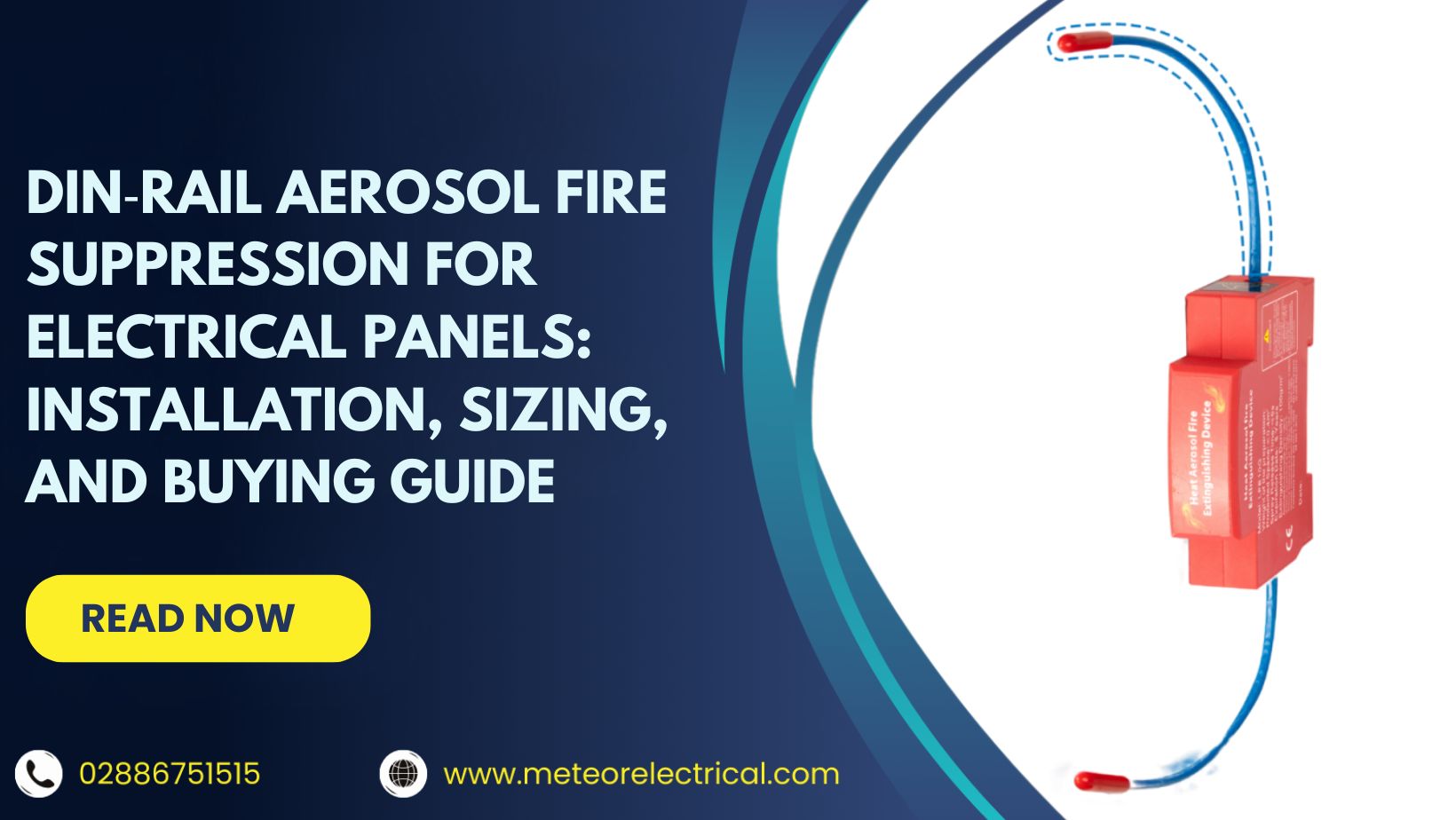
DIN‑Rail Aerosol Fire Suppression for Electrical Panels: Installation, Sizing, and Buying Guide
Electrical panels are often out of sight until something goes wrong, and by then the damage is usually expensive. In 2025, Electrical Safety First reported 14,186 accidental electrical dwelling fires in England annually. These incidents account for 53.4% of all accidental domestic fires in the country.
Many of those incidents begin as small faults inside consumer units, cabinets, and control panels, long before flames reach the wider room. A heat‑activated aerosol device is designed for exactly that early stage, triggering upon heat, and flooding the enclosure with fire‑suppressing aerosol. This simple yet highly effective feature makes it a go-to option for electricians and facility managers when designing and fireproofing enclosed spaces.
Understanding Heat‑Activated Aerosol Fire Extinguisher Device
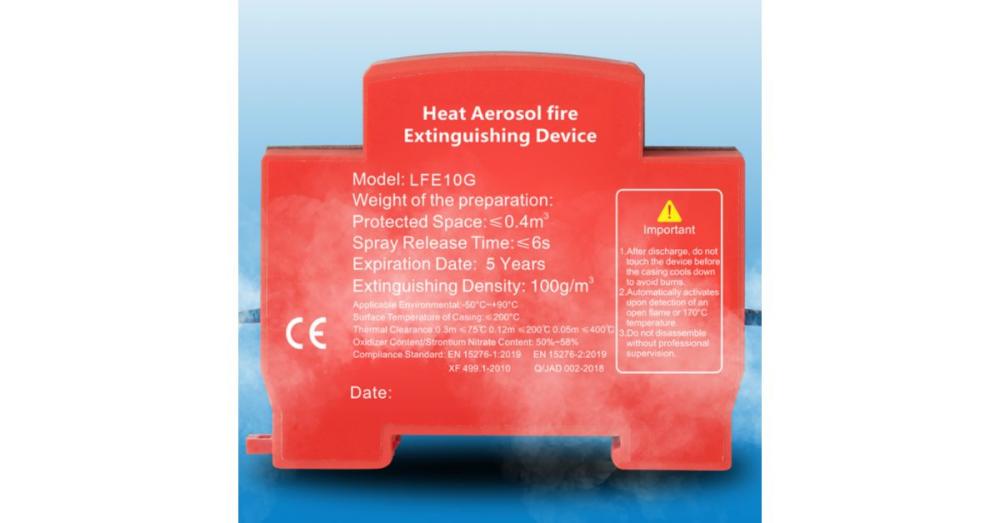
Protect Electrical Panels from Internal Fire Risks
Heat‑activated aerosol fire suppression is built around one idea: tackle the fire inside the enclosure quickly, without relying on a person being present. The Live Hot Aerosol Fire Extinguishing Device is designed for use in small electrical enclosures such as control panels and cabinets.
Key Specs at A Glance
For specifiers, the headline figures are simple and practical:
- Activates and discharges in less than 6 seconds for rapid response inside enclosed electrical spaces.
- Works across extreme temperatures from −50°C to +90°C, suitable for many plant and cabinet environments.
- Residue-free aerosol discharge designed to be safe for enclosed spaces and sensitive electrical equipment.
These numbers matter because control gear fires typically escalate fast, and temperature tolerance is important for plant rooms, exterior kiosks, and cold service voids.
Designed for Small Enclosures
This device is aimed at protecting a small internal enclosure volume, stating a protected space of less than 0.1 m³. In real terms, that points to compact consumer units, local control stations, small comms boxes, and similar sealed housings, rather than big electrical rooms.
Why This Format Suits Modern Consumer Units
DIN rail mounting keeps installation familiar: the unit is designed to mount on a standard 35 mm DIN rail. For electricians, that means no fabrication work and placement can be planned alongside protective devices and wiring ducting with minimal disruption.

DIN‑Rail Installation Guide: Fitting Inside Consumer Units, Cabinets, And Control Panels
Aerosol suppression works best when it is treated like part of the enclosure design, not a last-minute add-on. The product listing positions it as DIN‑rail mountable and suitable for enclosed spaces, so installation quality directly affects results.
Pre‑Install Checklist
Before fitting, check:
- Enclosure internal volume is within the stated protected space limit (≤ 0.1 m³).
- Environmental suitability, because the unit is specified for −50°C to +90°C and up to 95% RH.
- Mounting location that lets the aerosol disperse through the enclosure, instead of being blocked by ducting or solid partitions.
Step‑by‑Step DIN‑Rail Mounting and Positioning Best Practices
A sensible, repeatable approach:
Step 1: Identify the “highest risk” zone, typically terminations, busbars, contactors, and heavily loaded devices.
Step 2: Clip the unit securely to the 35 mm DIN rail and ensure it is mechanically stable.
Step 3: Maintain clear space around the discharge path so the aerosol can spread through the enclosure volume.
Step 4: Close up the enclosure properly, because excessive leakage can reduce effectiveness in small-volume suppression.
Common Installation Mistakes (and How to Avoid Nuisance Outcomes)
Common pitfalls include installing in an enclosure larger than the rated protected space, placing it behind barriers that limit dispersion, and ignoring environmental limits like high humidity.
Another frequent error is treating “DIN‑rail fit” as the whole job, when correct placement inside the airflow and geometry of the panel is what actually helps it perform as intended.
Key Factors When Choosing the Right Aerosol Fire Suppression Device
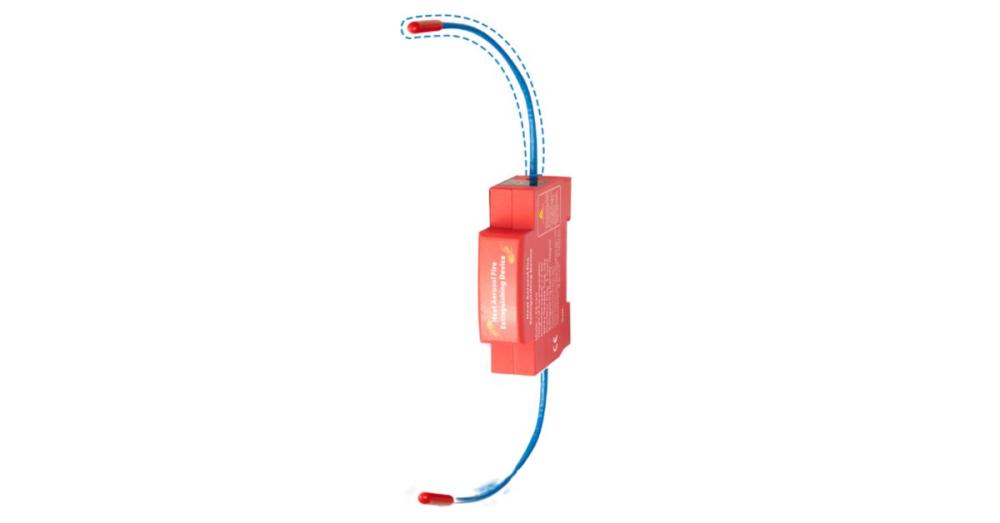
Buying the right unit is mostly about matching the device to the enclosure and the operating environment.
Sizing by Enclosure Volume (Small Cabinets vs Larger Panels)
Start with volume, not the number of breakers. The stated protected space is ≤ 0.1 m³, so if the enclosure is larger, either a different model or a different suppression approach is typically needed.
If the cabinet is close to the limit, aim for best-case conditions: good enclosure integrity and thoughtful placement that supports full internal distribution.
Environmental Fit: Temperature Range and Humidity Considerations
The stated operating range of −50°C to +90°C is a strong clue that the device is intended for harsh environments, including cold areas and hot service risers.
Also consider humidity, because the listing references up to 95% RH, which is relevant in basements, coastal sites, and washdown-adjacent plant.
Where Aerosol Suppression Sits in The Overall Fire Strategy
Think of aerosol suppression as one layer in a wider plan: correct protection, sound terminations, enclosure integrity, and safe isolation procedures. The value is that it is intended to activate inside the enclosure rapidly, helping to suppress a small event before it grows beyond the panel.
Source - Aerosol fire suppression system Manufacturer
Benefits of Installing an Aerosol Fire Extinguishing Device
Cleanliness and Equipment Impact: Why Residue‑Free Matters in Control Gear
Powder can be effective, but cleanup and contamination are major concerns around sensitive control and switching gear. The Live Hot Aerosol Fire Extinguishing Device is residue‑free, which is a key reason aerosol solutions are considered for enclosed electrical equipment.
Speed and Enclosure Coverage: Why “Total Flooding” Style Suppression Can Help
For small enclosures, speed and distribution matter most. The unit’s discharge duration of less than 6 seconds is designed around rapid enclosure fill, which can be useful when a fault develops behind a deadfront or inside a wiring duct.
When This Device Is the Right Choice
This style of device is a fit when:
- The enclosure volume is within the stated protected space (≤ 0.1 m³).
- You need a compact DIN‑rail format with wide temperature tolerance.
- Clean discharge is important for equipment continuity.
Conclusion
If the goal is to protect a compact electrical enclosure with a DIN-rail-mounted, heat‑activated, residue‑free aerosol device that discharges in less than 6 seconds, the Live Hot Aerosol Fire Extinguishing Device is built around those requirements.
Get the Live Hot Aerosol Fire Extinguishing Device from Meteor Electrical with fast shipping options across Northern Ireland and the UK today! Review delivery details before ordering so you can align them with your installation schedule.
FAQs
1. What enclosure size can the Live Hot Aerosol Fire Extinguishing Device protect?
The product is suitable for a protected space of less than 0.1 m³. It is intended for small enclosed panels rather than large cabinets.
2. Is the aerosol discharge residue‑free and safe for sensitive electrical equipment?
It is marketed as a residue‑free aerosol discharge suitable for enclosed spaces and sensitive equipment, which is one reason it is considered for control gear.
3. What temperature range does it work in, and is it suitable for cold plant rooms/outdoor cabinets?
The published operating temperature range is −50°C to +90°C, making it suitable for many cold and hot locations if the enclosure and humidity remain within spec.
4. How is it mounted inside a panel and does it fit standard 35 mm DIN rail?
Yes, the product is specified as 35 mm DIN‑rail mountable, so it installs like other DIN‑rail devices used in consumer units and control panels.
5. How quickly does it activate once triggered by heat?
The listing highlights a less than 6‑second release time, positioning it as a fast‑acting enclosure suppression option.