
Brighten Up Your Business: The Ultimate Commercial Lighting Guide for Productivity, Savings, and Ambience
Brighten Up Your Business: The Ultimate Commercial Lighting Guide for Productivity, Savings, and Ambience
Have you ever walked into a workplace that felt dim, uninspiring, or washed out under the harsh flicker of buzzing fluorescent tubes? Lighting does far more than help people see where they are walking. In reality, a well-planned commercial lighting setup acts as an invisible engine driving daily productivity, staff well-being, and brand reputation.
According to research from the International WELL Building Institute, lighting ranks as one of the single most influential environmental factors determining employee focus and mental health. When illumination is poorly designed, studies from Harvard Health show that it disrupts natural circadian rhythms, increases eye fatigue, and leads to afternoon slumps.
Whether you manage a busy commercial office, run a retail boutique, supervise a logistics warehouse, or manage a bustling restaurant, modernising your fixtures is one of the quickest, highest-return investments you can make. This practical guide covers everything facilities managers and business owners need to know about designing an energy-efficient, visually captivating, and productive workspace without overspending.
The Impact of Workplace Illumination on Productivity and Well-Being
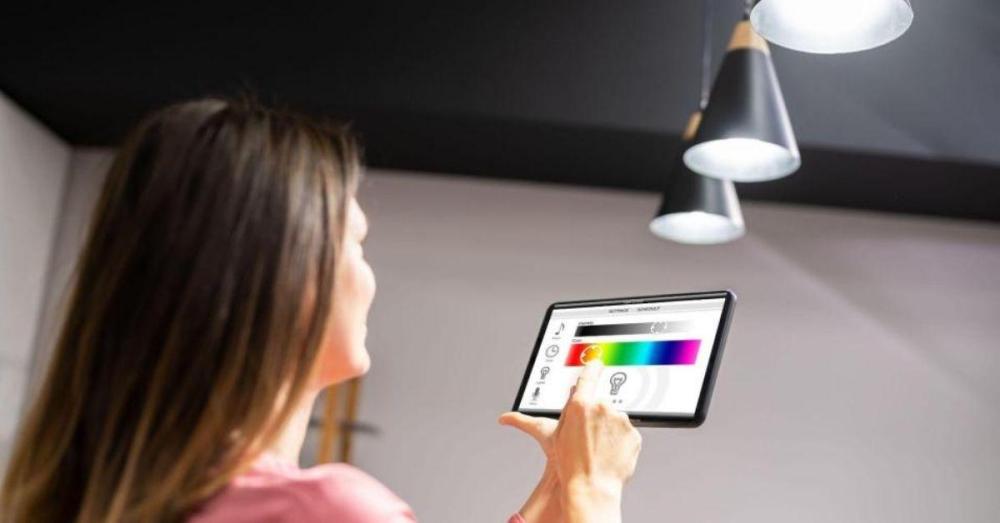
Cutting corners on lighting to reduce initial fit-out costs is a false economy. Insufficient illumination forces the human eye to work significantly harder, which accelerates mental fatigue and causes chronic headaches.
Reducing Eye Strain and Cognitive Fatigue
Research published by the Sleep Research Society reveals that poor lighting levels directly reduce alertness during core working hours. When staff strain to read documents, assemble components, or view computer screens under inadequate lumens, concentration drops and error rates climb. Providing crisp, uniform illumination fosters visual comfort and creates an energetic commercial environment.
The Power of Layered Lighting in Commercial Spaces
A single overhead light source rarely meets the diverse demands of a modern workspace. Professional lighting designers rely on layered lighting, which balances three key tiers:
- Ambient Lighting: The overarching base layer providing general visibility across corridors, open-plan floors, and communal areas.
- Task Lighting: Focused, directional illumination aimed directly at workstations, inspection benches, or reading surfaces to aid fine detail work.
- Accent Lighting: Targeted spotlights or wall-washing fittings used to highlight architectural features, brand signage, or product displays.
Layering your luminaires eliminates harsh shadows, balances contrast ratios, and gives workers the visual support they need to perform at their best.
Upgrading to Commercial LED Lighting for Long-Term Value
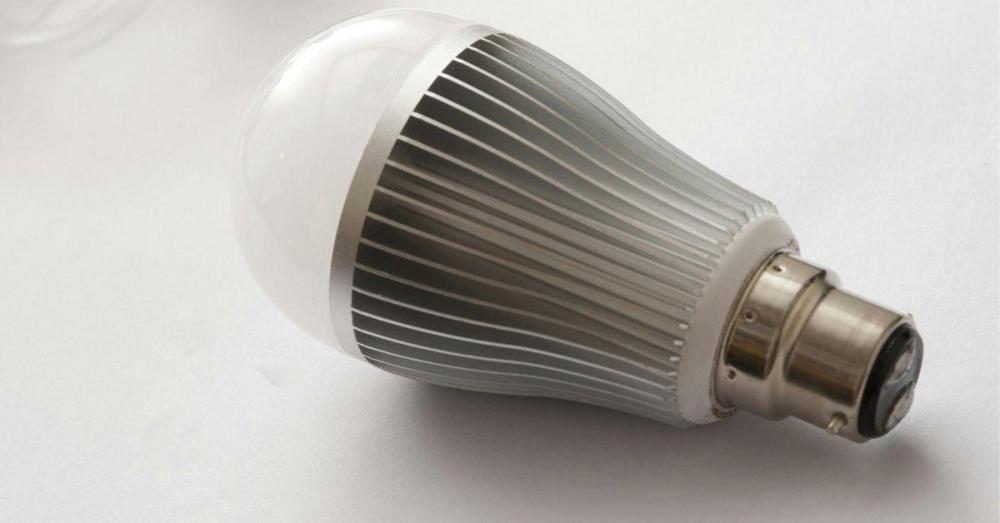
Transitioning to high-efficiency LED luminaires is not just an environmental choice, it is sound commercial financial planning.
Slashing Overhead Costs and Energy Consumption
Data from the UK Energy Saving Trust demonstrates that commercial LED lighting consumes up to 80% less electricity than legacy incandescent or halogen fittings, and up to 50% less than outdated fluorescent tubes. LEDs generate minimal waste heat, directing nearly all their consumed wattage into usable lumens. This efficiency lowers monthly power bills and reduces the load on building cooling systems during warmer months.
Superior Colour Rendering and Luminaire Longevity
Beyond raw power savings, commercial LEDs provide superior Colour Rendering Index (CRI) ratings. A higher CRI rating ensures colours appear vibrant and true to life, which is critical for graphic design studios, quality control lines, retail floors, and medical clinics.
Furthermore, commercial-grade LED fittings offer operating lifetimes exceeding 30,000 to 50,000 hours, virtually eliminating maintenance interruptions and lamp replacement costs.
Did You Know? Replacing 50 outdated fluorescent troffers with modern, high-efficiency LED flat panels can save a medium-sized office hundreds of pounds each year in electricity alone, paying for the hardware upgrade in under 18 months.
Integrating Natural Light and Daylight Harvesting
While artificial lighting is essential, natural sunlight remains the gold standard for human biological health.
Optimising Layouts for Maximum Sunshine
Sunlight triggers the natural release of serotonin, supporting mood regulation and daytime alertness. Workplace studies show that team members working in spaces with abundant natural daylight report up to 51% higher job satisfaction.
To make the most of free daylight:
- Arrange permanent desks and collaborative areas near perimeter windows.
- Replace opaque drywall dividers with transparent glass partitioning.
- Clean skylights regularly and replace heavy curtains with adjustable solar louvres.
Balancing Sunlight with Automated Controls
Too much direct sunlight can cause uncomfortable glare on monitors and increase heat load. Facilities managers can install daylight harvesting sensors and smart photocells that automatically dim artificial LED luminaires when natural daylight is strong, ramping them back up as clouds roll in or evening sets in.
Key Takeaways
- Boost Workplace Alertness: Adequate, glare-free illumination combats eye strain, reduces errors, and keeps staff energised throughout shifts.
- Slash Running Costs: Upgrading to commercial LED fixtures can cut electricity usage by up to 80% while extending replacement lifespans up to 25 times.
- Layer for Best Results: Combine ambient, task, and accent lighting to eliminate shadows and create functional, dynamic zones.
- Harness Natural Sunlight: Integrating daylight harvesting and maximizing natural light significantly improves job satisfaction and employee mood.
- Shape Customer Behaviour: Strategic lighting in hospitality and retail guides foot traffic, highlights premium products, and increases dwell time.
- Trade-Quality Sourcing: Partnering with a dedicated wholesale distributor ensures access to fully compliant, high-efficacy commercial luminaires.
Tailoring Lighting Strategies for Retail and Hospitality
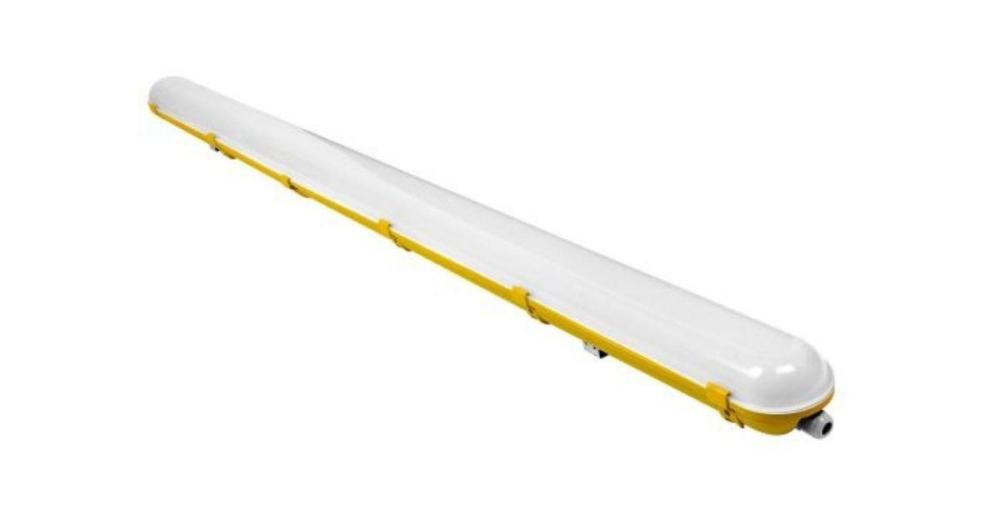
Lighting design extends well beyond standard office desks. In customer-facing environments, light directly governs consumer psychology and purchasing decisions.
Guiding Customer Flow with Accent Lighting
In retail environments, high-contrast accent lighting directs customer attention toward promotional displays, end-caps, and featured merchandise. Warm, high-CRI downlights make clothing and food look more appealing, while subtle pathway lighting guides foot traffic smoothly through the store layout.
Setting the Atmosphere in Hospitality Venues
Restaurants, bars, hotels, and spas rely on warm ambient illumination to establish an inviting atmosphere. Dimmable fixtures and colour-tuning controls allow venue operators to shift seamlessly from bright, functional luncheon settings to intimate, relaxing evening aesthetics that encourage guests to stay longer.
Commercial Lighting Comparison
| Lighting Category | Primary Commercial Applications | Key Operational Benefits |
|---|---|---|
| Commercial LED Panels | Offices, Schools, Healthcare Facilities | High lumen output, low glare (UGR<19), massive energy reduction |
| High Bay LEDs | Warehouses, Manufacturing, Logistics | Powerful downward throw, high ceiling clearance, robust impact resistance |
| Natural & Daylight Harvesting | Studios, Open-Plan Offices, Cafes | Regulates circadian rhythms, cuts daylight lighting power demand |
| Adjustable Task Lights | Workstations, Laboratories, Assembly Lines | Eliminates shadows, prevents eye fatigue, customisable by the user |
| Track & Accent Spotlights | Retail Boutiques, Art Galleries, Showrooms | High CRI, directional focus, draws attention to key merchandise |
| Smart Dimmable Systems | Meeting Rooms, Restaurants, Event Spaces | Instant scene adjustments, flexible scheduling, enhanced mood control |
Modernise Your Business Lighting with Meteor Electrical
Strategic commercial lighting is a proven operational asset that enhances staff performance, lowers utility bills, and elevates client experiences. Moving away from inefficient, flickering fittings in favour of modern LED technology, smart controls, and balanced natural light ensures your workspace remains productive and cost-effective for years to come.
When you are ready to upgrade your lighting infrastructure, partnering with a dependable distributor is essential. Meteor Electrical is a leading wholesale electrical supplier for UK and European markets serving electrical contractors and facilities managers with top-tier equipment. Explore our comprehensive catalogue of commercial LED panels, warehouse high bays, downlights, and smart lighting controls to find trade-certified solutions built for long-term performance.
Transform your commercial workspace today. Visit Meteor Electrical to browse trade-rated lighting solutions with fast dispatch, competitive trade pricing, and expert project support!
Frequently Asked Questions (FAQs)
1. Why is lighting so important in a modern business environment?
Proper workplace lighting boosts team productivity, minimises eye strain, prevents fatigue-related errors, and supports employee well-being. It also shapes brand image and customer buying behaviour.
2. How much money can commercial LED lighting save a business?
Upgrading to commercial LED lighting typically cuts lighting energy consumption by 50% to 80% compared to legacy fluorescent or halogen fittings, while slashing ongoing maintenance and replacement expenses.
3. What colour temperature is best for office productivity?
A neutral to cool white colour temperature between 4000K and 5000K is ideal for office spaces. It mimics natural daylight, promotes focus, and keeps workers alert without creating harsh, sterile glare.
4. How does natural light impact employee performance?
Exposure to natural light helps regulate the human circadian rhythm, boosting alertness, improving sleep quality outside work hours, and elevating overall job satisfaction by up to 51%.
5. What is layered lighting and why is it necessary for workplaces?
Layered lighting combines ambient (general), task (focused), and accent (decorative) lighting. This approach eliminates dark corners, reduces glare, and allows users to adapt lighting to specific job functions.
6. How can retail businesses use accent lighting to increase sales?
Retailers use narrow-beam accent spotlights to create visual contrast on premium displays. This draws the shopper's eye directly to key products, highlights textures, and encourages longer browsing times.
7. What are the recommended lux levels for commercial office spaces?
Under UK lighting guidelines (BS EN 12464-1), standard commercial offices require approximately 500 lux for sustained writing, typing, and reading tasks, and 300 lux for general circulation and filing areas.
8. What is daylight harvesting in commercial lighting design?
Daylight harvesting uses light sensors (photocells) to monitor ambient sunlight in a room, automatically dimming artificial LED lights when natural light is sufficient to maximize energy savings.