
Bathroom Electrics Safety Guide: UK Rules, Zones & RCD Protection
Bathroom Electrics Safety Guide: UK Rules, Zones & RCD Protection
Bathrooms and electricity can mix safely, but only when the work follows UK wiring rules. Because water lowers your body’s resistance, a fault that might be minor elsewhere can become dangerous in a bathroom. That’s why UK regulations treat bathrooms as a “special location” and apply stricter requirements for lighting, fans, showers, heaters, and even where switches can go.
If you’re planning a bathroom upgrade or replacing a fan, light, or electric shower, this guide breaks down the key rules, plus what to buy and why a qualified electrician matters.
Why Bathroom Electrics Are A “Special Location” (Part P Explained)
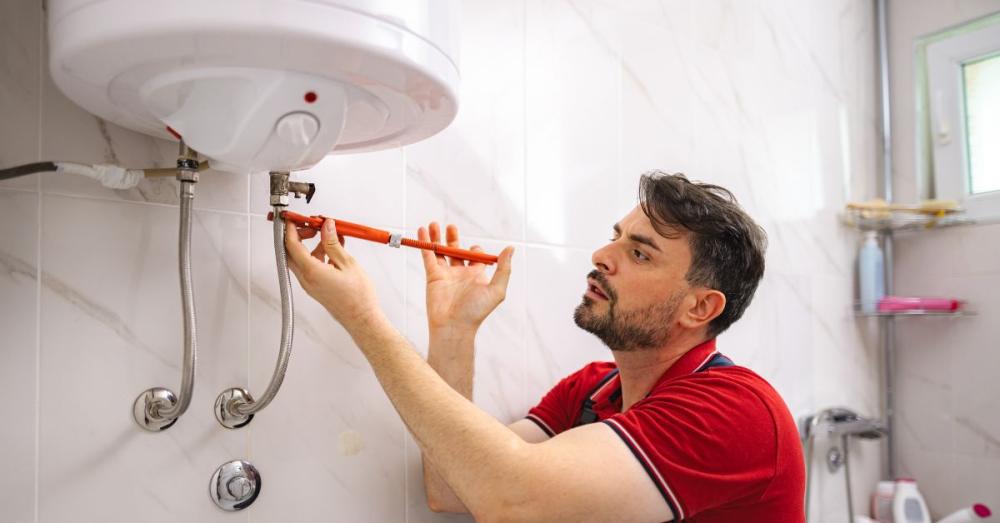
Under Part P of the Building Regulations, electrical work in a bathroom is more tightly controlled because of increased shock risk. In practical terms, that means:
- Certain work may be notifiable (reportable) to Building Control
- Equipment must meet bathroom-specific IP and safety requirements
- Protection devices like RCDs are typically required for compliance
Even if your DIY skills are strong, bathroom electrics often cross into regulated territory, so it’s best to treat any bathroom electrical work as professional-only unless you’re fully qualified. This is especially true for Part P bathroom electrical work, where certification and testing are often essential.
RCD Protection in Bathrooms: What It Is and Why it Matters

Most bathroom circuits (showers, fans, lighting, heaters) should be protected by an RCD (Residual Current Device). An RCD monitors current balance and can disconnect the supply rapidly if it detects leakage, helping prevent serious electric shock.
Modern consumer units typically include RCD protection, so compliance is often straightforward. Older properties, however, may not have appropriate RCD coverage, which can make a simple bathroom update more complex and more urgent from a safety standpoint. If you are upgrading or installing a shower, your electrician may specifically check RCD protection for shower circuit requirements.
Quick Checklist Before You Upgrade
- Confirm your consumer unit provides RCD protection for bathroom circuits
- Check bonding/earthing is correct (your electrician will test this)
- Choose bathroom-rated fittings, not standard indoor products
Bathroom Wiring Zones: Where Electrics Can (and Can’t) Go
Bathrooms are divided into zones that restrict what equipment can be installed and where. While your electrician will apply BS 7671 requirements, these everyday rules help you plan layouts. This is where Bathroom wiring zones UK becomes the key concept to understand before you place lights, fans, or accessories.
Sockets Near Baths and Showers
In most homes, sockets are not allowed within 3 metres of the edge of the bath or shower. Realistically, that means no regular sockets in bathrooms for many properties.
The typical exception is a dual-voltage shaver socket designed specifically for bathroom use. If you are planning to add one, make sure you follow Bathroom shaver socket regulations and choose a compliant model.
Switches in Bathrooms
Standard wall switches are not permitted in the bath/shower area. Instead, you will usually see:
- Pull-cord switches (common for lights and fans)
- Remote switching (located outside the bathroom)
Source - GSH Electrical
Choosing Safe Bathroom Electrical Fittings (Lighting, Fans, Heaters)
One of the most common mistakes in bathroom refurbishments is installing normal bedroom-grade products in wet areas. Bathrooms often require higher IP-rated equipment (water and dust resistance), especially near showers.
Bathroom Lighting
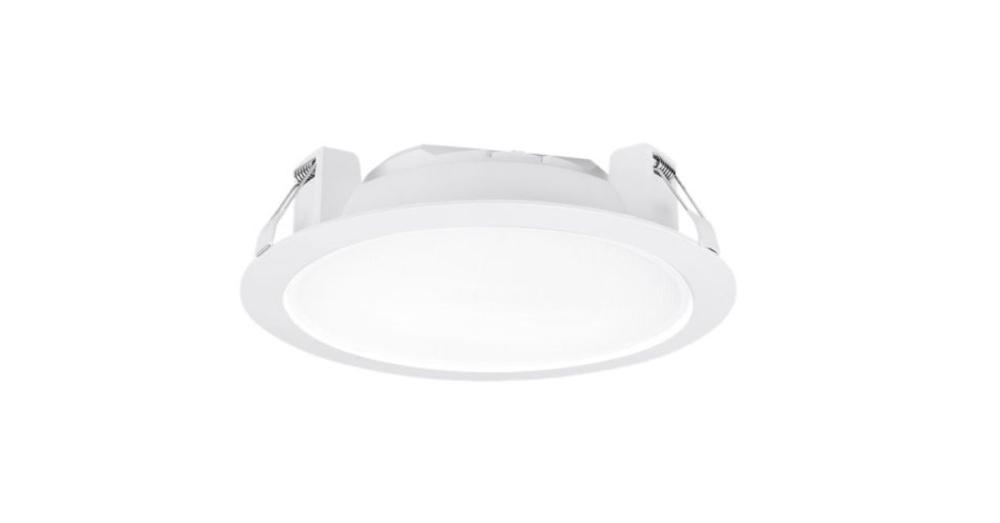
Lights can be installed above baths and showers, but they must be suitable for the location. That typically means sealed, bathroom-rated fittings rather than open pendants or standard downlights. When choosing fittings, check IP rating for bathroom lights so the product matches the zone and splash exposure.
Extractor Fans
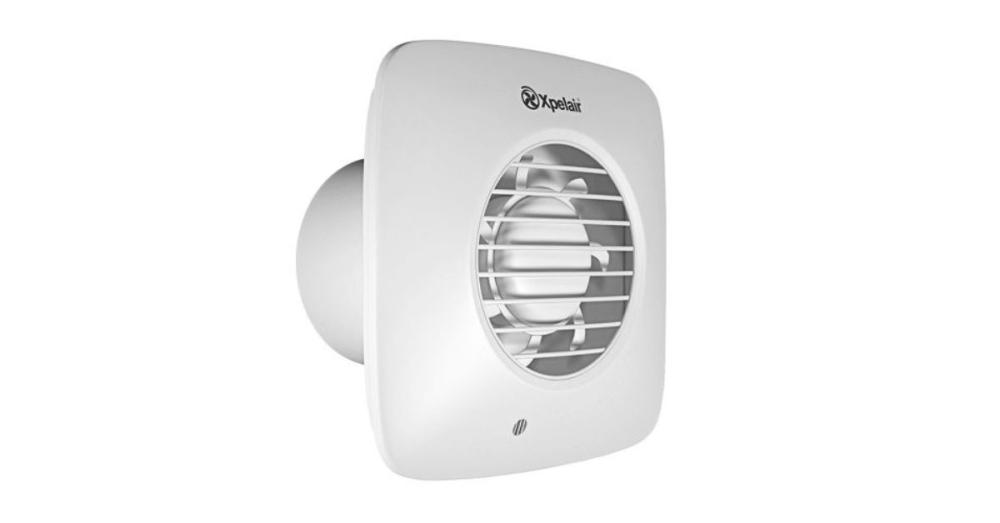
A bathroom extractor fan should be correctly rated for the zone and installed to reduce condensation, mould, and damp. Many bathroom fan installs also involve wiring considerations like timers, isolation switches, and safe cable routing.
Electric Heaters and Towel Rails
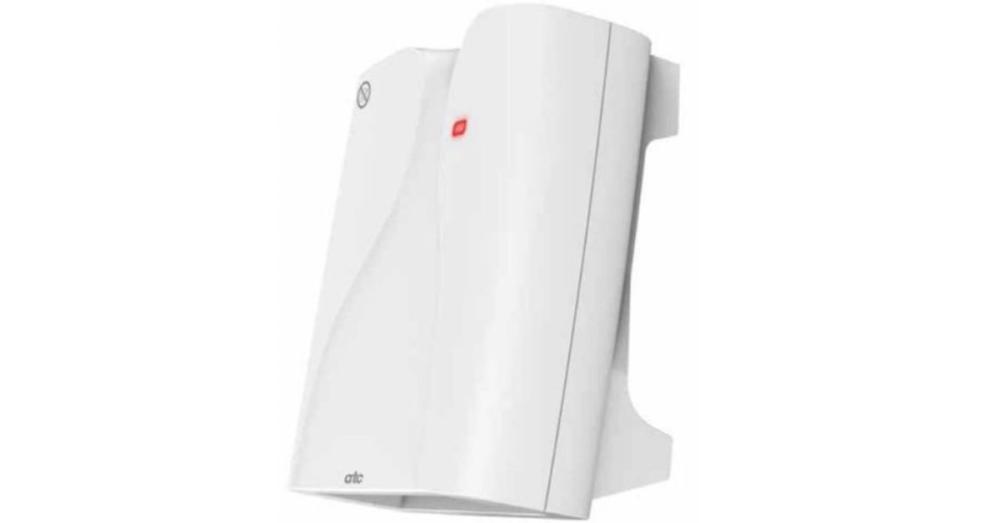
Only fixed, permanently connected equipment is generally appropriate in bathrooms, such as electrical heaters and towel heater rails, because portable plug-in appliances increase risk in wet areas.
Do You Need a Certified Electrician? (Notifiable Work & Compliance)
Bathroom electrical work is often notifiable depending on the nature of the work and the existing installation. The safest approach is simple: use a certified electrician who can test the circuit, confirm RCD protection, and provide the right certification for compliance.
This protects you on multiple fronts:
- Personal safety (shock and fire prevention)
- Legal compliance (Part P expectations)
- Home insurance and future property sale paperwork
Conclusion: Get Compliant Parts Fast with Meteor Electrical
Bathroom electrics are not the place to guess. With the right RCD protection, bathroom-rated fittings, and a certified electrician, you can achieve a safe, compliant installation that lasts for years.
For trade-ready, compliant electrical products for UK and European markets, Meteor Electrical is a leading wholesale electrical supplier with a strong range across protection devices, wiring accessories, and more.
Explore the catalogue and stock up for your next job at Meteor Electrical and get your bathroom projects completed safely, efficiently, and to spec.
FAQs
1. Do bathroom lights need to be waterproof?
They often need an IP rating appropriate to the bathroom zone. Your electrician will match the fitting to the installation area and confirm IP rating for bathroom lights suitability.
2. Can I put a normal socket in a bathroom?
Usually no. Sockets must be at least 3 metres from the bath or shower edge in most cases. A shaver socket is the common exception, but follow Bathroom shaver socket regulations.
3. Is an RCD required for bathroom circuits?
In most modern compliant installations, yes. RCD protection is expected for bathroom electrics like showers, fans, lighting, and heaters, including RCD protection for shower circuit setups.
4. Can a light switch be inside the bathroom?
Typically, pull-cord switches are used. Standard wall switches are restricted near bath/shower areas under Bathroom wiring zones UK guidance.
5. Can I install an electric shower myself?
This is high-risk work that should be carried out by a qualified electrician to ensure correct circuit protection, cable sizing, and certification. It commonly falls under Part P bathroom electrical work expectations.
6. What’s the biggest risk with bathroom electrics?
Water exposure increases shock risk dramatically. Incorrect fittings, missing RCD protection, or poor earthing can lead to serious injury or worse.