
Global Lighting Market 2026: Top Brands, LED Growth and Smart Lighting Trends
Global Lighting Market 2026: Top Brands, LED Growth and Smart Lighting Trends
The global lighting market in 2026 is more dynamic than ever, driven by stricter energy rules, smarter buildings and rapid LED innovation. The shift from traditional bulbs to energy efficient LEDs is now the norm, not the exception, for homes, businesses and large commercial projects. At the same time, smart home lighting and connected commercial controls are becoming normal rather than niche, as brands expand ecosystems and simplify setup.
Why LED Lighting Leads the Market in 2026
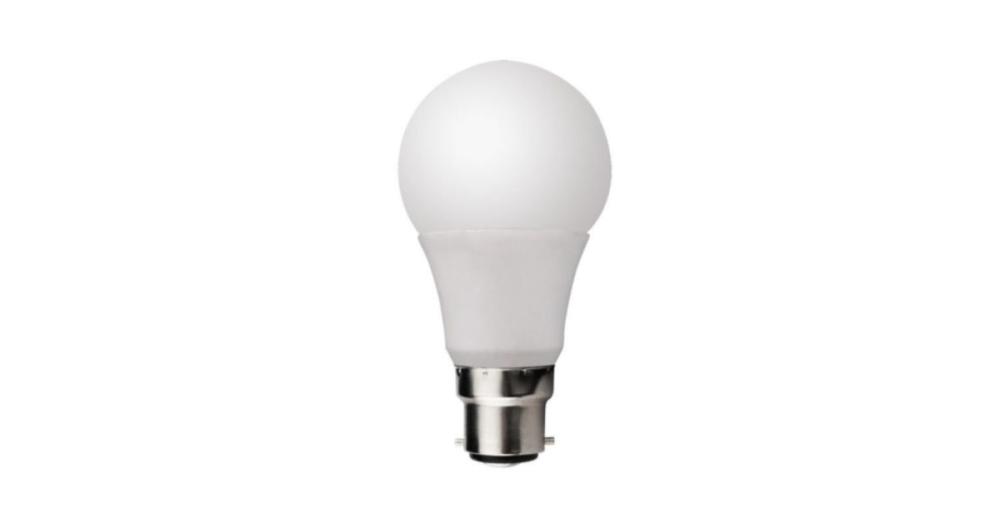
LED lighting has moved from niche to default choice in most new residential and commercial installations. It offers major savings on electricity, long service life and better control, which makes LED retrofit savings attractive for both homeowners and facilities managers.
LEDs also enable smart home lighting, where brightness, color temperature and schedules can be adjusted via apps or voice assistants. This flexibility is reshaping how people think about lighting design and comfort in living spaces and work environments.
LED vs Halogen vs CFL in Today’s Market
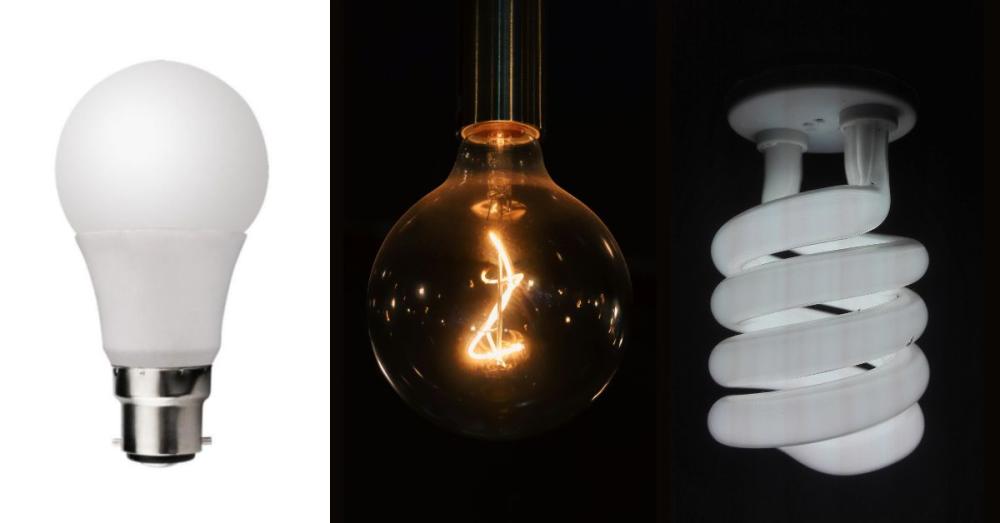
- LED: Best balance of efficiency, lifespan and controllability for almost every application.
- Halogen: Still used in some legacy fixtures but being phased out as energy efficient light bulbs become standard.
- CFL: Once a stepping stone technology but now largely replaced by commercial LED luminaires and retrofit LED lamps.
Major Lighting Brands Shaping 2026
A mix of long established brands and focused LED specialists continues to shape the global lighting market. Many of them invest heavily in connected, smart lighting ecosystems and high performance luminaires.
1. Signify (Philips lighting)
Signify remains a global leader, using the Philips brand across consumer, professional and connected lighting ranges. Its portfolio spans everything from basic LED bulbs to advanced smart home lighting and city scale lighting systems.
2. OSRAM
OSRAM continues to supply LED lamps, modules and lighting systems for automotive, architectural and commercial projects.
3. GE Lighting
GE Lighting, now part of Savant, retains a strong presence in consumer LED and smart lamp categories, especially for residential upgrades.
4. Cree
Cree focuses on LED components and fixtures that target high performance and reliability in demanding applications.
5. Panasonic
Panasonic supplies LED panels and other luminaires tailored to modern interior and commercial lighting needs.
Key 2026 Lighting Trends To Watch
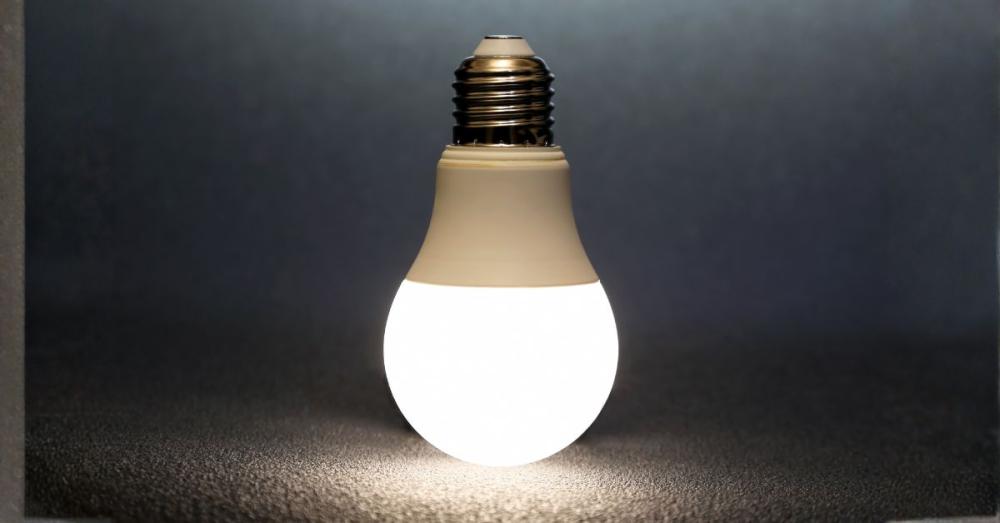
Lighting is no longer just about brightness. It is increasingly about comfort, control and sustainability. These trends are particularly important for facility managers, designers and wholesale buyers planning large scale projects.
Smart and Connected Lighting
Smart lighting is now a mainstream expectation in many new builds. Features like remote control, scene setting and integration with sensors are common, especially where energy codes reward occupancy based controls and daylight harvesting.
In homes, smart home lighting is often the first step in a broader connected home journey, offering simple wins like automated schedules and voice control for LED lamps and fixtures.
Energy Codes, Retrofits and Commercial Projects
Stricter energy performance requirements keep pushing the adoption of commercial LED luminaires in offices, warehouses and hospitality. For many buildings, an LED retrofit is one of the fastest ways to cut operating costs and improve lighting quality at the same time.
Bulk upgrades increasingly use standardized specifications for lumen output, color temperature and control compatibility so that maintenance teams can manage inventories efficiently over the long term.
How to Choose the Right LED Lamps and Luminaires
With so many options on the market, selecting the right product mix is critical for both comfort and ROI. This applies whether you are replacing a few bulbs at home or designing a full commercial lighting scheme.
Source - Light Bulb Moments
Practical Selection Tips:
- Focus on lumens, not watts, to match or improve brightness when planning LED retrofit savings.
- Choose color temperature that suits the space, for example warm white in living areas and neutral or cool white in workspaces.
- For commercial LED luminaires, check driver quality, warranty terms and compatibility with dimming or control systems.
- When sourcing for multiple sites, use a consistent specification to simplify maintenance and future replacements.
Conclusion
The current lighting landscape is defined by LED leadership, smart lighting growth and continuous pressure to improve energy performance in homes and businesses. Energy efficient light bulbs and smart home lighting systems all work together to cut costs and improve user comfort.
For trade customers and project buyers across the UK and Europe, Meteor Electrical is a leading wholesale electrical supplier offering a wide range of lamps, tubes, LED fixtures and accessories in one place. Explore the latest LED and smart lighting solutions and power your next lighting upgrade with reliable stock, competitive pricing and expert support at https://www.meteorelectrical.com/.
FAQs
1. Are LEDs still the most efficient option in 2026?
Yes. LEDs remain the most efficient widely available technology for general lighting when compared to halogen and CFL, especially in terms of energy use per lumen and lifespan.
2. Is smart lighting worth it for small homes?
Smart home lighting can be worthwhile even in small spaces because it offers convenience, scene control and potential energy savings through scheduling and remote access.
3. Which brands are popular for commercial LED luminaires?
Brands like Cree, OSRAM and Philips (Signify) are frequently specified for commercial LED luminaires in offices, retail and industrial projects.
4. Are CFLs still a good choice for new projects?
CFLs are generally not recommended for new projects because LEDs now offer better efficiency, instant start, longer life and a wider choice of form factors and controls.
5. How can wholesale buyers maximize LED retrofit savings?
Wholesale buyers can maximize LED retrofit savings by standardizing product specs, choosing reputable brands and working with a wholesale lighting supplier UK or EU based that can support large, repeat orders.